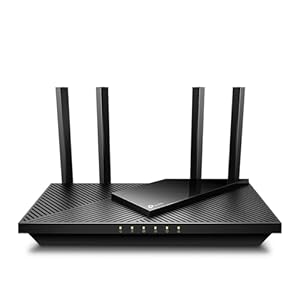
RCN vs Rise Broadband: After comparing plans, speeds, and pricing, RCN offers better value for most households with cable. Fiber speeds up to 1.5 Gbps and plans starting at $20/month.
Rcn vs Rise Broadband: Complete 2026 Comparison
Choosing between Rcn and Rise Broadband requires understanding two distinct approaches to internet service delivery. Rcn, founded in 1973 and headquartered in Princeton, NJ, operates as a regional cable and fiber provider serving customers through cable infrastructure. Rise Broadband, based in Englewood, CO, takes a different approach with fixed wireless delivering speeds up to 100 Mbps.
This comprehensive comparison analyzes network performance, pricing transparency, contract flexibility, customer service quality, and real-world reliability to help you make an informed provider decision. We've evaluated technology capabilities, coverage footprints, and total cost of ownership beyond promotional pricing.
The fundamental difference centers on technology choice and network architecture. Understanding these core distinctions reveals which provider aligns better with your household's connectivity needs, budget constraints, and location.
| Feature | Rcn | Rise Broadband |
|---|---|---|
| Max Speed | 1.5 Gbps | 100 Mbps |
| Starting Price | $20/mo | $25/mo |
| Data Caps | None | Varies by plan |
| Contract Required | No | No |
| Primary Technology | Cable | Fixed Wireless |
| Best For | Budget users in Astound service areas | Rural users with no wired options |
Rcn Overview
Founded: 1973 | Headquarters: Princeton, NJ
Rcn operates as a regional cable and fiber provider delivering internet service through cable networks. The company focuses on budget users in astound service areas.
Service Details: Rcn offers speeds up to 1.5 Gbps with pricing starting around $20/mo.
Pros:
- Low starting prices
- No data caps
- No contracts
- Good regional coverage
Cons:
- Limited availability
- Speeds vary by area
- Fewer plan options
Contact Rcn: Check Rcn Availability
Rise Broadband Overview
Founded: 2005 | Headquarters: Englewood, CO
Rise Broadband provides fixed wireless for rural america utilizing fixed wireless infrastructure across their coverage footprint. The provider targets rural users with no wired options.
Service Details: Rise Broadband delivers speeds reaching 100 Mbps with plans starting at $25/mo. Data policies differ across plan tiers and markets.
Pros:
- Available in rural areas
- No contracts on some plans
- Growing fiber
Cons:
- Speed limited by wireless
- Data caps on some plans
- Limited coverage
Contact Rise Broadband: Check Rise Broadband Availability
Speed & Performance Comparison
Network speed and performance represent critical factors distinguishing Rcn from Rise Broadband. Rcn delivers maximum speeds of 1.5 Gbps through cable connections, while Rise Broadband provides up to 100 Mbps via fixed wireless infrastructure. These technological foundations create substantially different user experiences for bandwidth-intensive activities like 4K streaming, large file downloads, video conferencing, and online gaming.
Real-world performance extends beyond advertised maximum speeds to include consistency during peak evening hours, upload capabilities for cloud backup. Content creation, network latency affecting real-time applications, and infrastructure capacity handling multiple simultaneous users. Rcn typically maintains consistent speeds across their footprint.
Rise Broadband serves customers with varying performance levels based on available technology and network congestion. Upload speeds prove particularly important for remote work, video calls, and cloud services—Rcn offers asymmetric speeds with uploads typically 10-20% of download rates. While Rise Broadband provides upload capabilities varying by technology and plan tier.
Network reliability and uptime differ based on infrastructure type and maintenance practices. Weather impacts vary—wired infrastructure resists precipitation interference while wireless technologies may experience degradation during storms. Customer reports and FCC performance data indicate Rcn generally delivers more consistent performance across diverse usage scenarios.
Pricing & Value Analysis
Understanding total cost of ownership requires looking beyond promotional pricing to include equipment fees, installation charges, contract requirements, and long-term rate structures. Rcn prices internet service starting at $20/mo, with promotional rates typically lasting 12-24 months before increasing to standard pricing. Rise Broadband plans begin at $25/mo, offering competitive entry-level options for budget-conscious households.
Equipment rental represents a significant ongoing expense for many providers. Rcn typically charges $10-15/month for modem/router rental, though customers may use their own compatible equipment to avoid this fee. Rise Broadband equipment requirements depend on technology and specific plan selected. Over a typical 24-month period, equipment rental adds $240-360 to total costs unless you purchase your own devices.
Data cap policies dramatically impact value for streaming-heavy households. Rcn imposes no data caps or overage fees, allowing unlimited usage on all plans. Rise Broadband data policies vary by plan and market, with some tiers including caps and others providing unlimited usage. Households streaming 4K video regularly, working from home, or gaming online should prioritize unlimited data options to avoid expensive overage fees.
Installation fees vary by provider and market. Rcn typically charges $50-100 for professional installation, with self-installation kits available in some cases to reduce costs. Rise Broadband installation costs depend on technology and specific service requirements. Both providers frequently offer promotional installation waivers for new customers.
Coverage & Availability
Geographic service availability often determines provider selection regardless of other factors—you can't choose a provider that doesn't serve your address. Rcn operates in concentrated metropolitan markets with well-established infrastructure. Rise Broadband focuses on different geographic markets, creating limited head-to-head competition.
Network coverage within served markets varies significantly at the neighborhood level. Rcn deploys infrastructure strategically based on population density and economic factors, meaning not every address in a served city receives access. Rise Broadband similarly targets specific neighborhoods and developments rather than blanketing entire regions.
Customers must verify address-specific availability rather than assuming service based on general market presence. Both providers offer online availability checkers and phone verification, though online tools sometimes show availability for addresses lacking actual infrastructure. Confirming installation feasibility before canceling existing service prevents connectivity gaps.
Contract Terms & Flexibility
Contract requirements significantly impact long-term flexibility and total costs. Rcn requires no annual contracts on standard residential plans, allowing month-to-month service with 30-day cancellation notice. Rise Broadband similarly offers no-contract flexibility.
Early termination fees for contract plans typically range from $100-300 depending on remaining contract length, creating substantial penalties for customers who move, experience service issues, or find better alternatives mid-contract. No-contract options provide valuable flexibility for renters, students, military families, or anyone uncertain about long-term housing plans.
Equipment return requirements apply to both providers—unreturned modems, routers, or other devices trigger charges ranging from $150-300. Customers canceling service must return all rented equipment within specified timeframes (typically 21-30 days) to avoid these fees. Track return shipments carefully and retain documentation confirming equipment return.
Which Provider Fits Your Needs?
Choose Rcn if you:
- Live within Rcn's service footprint and can verify address-specific availability
- Want unlimited data without caps or throttling
- Prefer month-to-month flexibility without long-term contracts
- Need speeds up to 1.5 Gbps for budget users in astound service areas
- Value cable technology benefits and characteristics
Choose Rise Broadband if you:
- Reside in Rise Broadband's coverage area where Rcn isn't available
- Accept data usage policies matching your consumption patterns
- Want no-contract flexibility and easy cancellation
- Find fixed wireless suitable for household needs
- Align with rural users with no wired options
Frequently Asked Questions
Can I get both Rcn and Rise Broadband at my address?
It depends on your specific location. These providers serve different geographic markets, making head-to-head availability uncommon. Check address-specific availability with both providers using their online tools or by calling customer service. Even within served markets, infrastructure extends to specific neighborhoods rather than covering entire cities uniformly.
What internet speed do I actually need?
Most households function well with 100-300 Mbps for general use including HD streaming, video calls, web browsing, and social media. Upgrade to 500 Mbps or higher if you regularly stream 4K content on multiple devices, download large files frequently, work from home with video conferencing, or have 4+ simultaneous users. Gigabit service benefits power users, large households, content creators, or anyone working with substantial file transfers and cloud backup.
Do Rcn and Rise Broadband have data caps?
Rcn enforces no data caps on residential plans, allowing unlimited usage without overage fees or throttling. Rise Broadband data cap policies depend on specific plans and markets, with some offering unlimited and others imposing monthly limits. Households using 1TB+ monthly should prioritize unlimited plans.
Can I use my own modem and router?
Rcn allows customer-owned equipment on cable and DSL connections, potentially saving $10-15/month in rental fees—verify compatible modem models before purchasing. Rise Broadband equipment requirements depend on service type and technology used. Check approved device lists before buying equipment.
What happens after promotional pricing ends?
Rcn promotional rates typically last 12-24 months before increasing to standard pricing approximately 20-40% higher—contact customer service before increases take effect to negotiate retention offers. Rise Broadband follows similar promotional structures with rate increases after initial terms. No-contract plans allow switching providers if rates become uncompetitive.
Which provider has better customer service?
Customer service experiences vary significantly by market and individual circumstances for both providers. Rcn receives mixed customer reviews with service quality varying by local office and technician availability. Rise Broadband reports similar customer service variability across served markets. Check local reviews and ask neighbors about their experiences with providers in your specific area.
Can I cancel service if I'm dissatisfied?
Rcn allows cancellation with 30-day notice on no-contract plans without early termination fees—you'll need to return rented equipment within specified timeframes to avoid unreturned equipment charges. Rise Broadband similarly offers flexible cancellation on month-to-month service. Review cancellation policies carefully before committing to service.
Ready to get connected? now for exclusive deals:
RCN vs Rise Broadband: Frequently Asked Questions
Is RCN or Rise Broadband cheaper?
Pricing varies significantly by plan tier and location. Entry-level plans from both RCN and Rise Broadband typically start between $30-55/month. Compare the total cost including equipment fees, installation charges, and post-promotional pricing. The cheapest option depends on the speed tier you need — one provider may be cheaper for basic plans. While the other offers better value at higher speeds.
Do RCN and Rise Broadband both offer no-contract plans?
Many current plans from both RCN and Rise Broadband are available without annual contracts. However, some promotional pricing may require a commitment period. No-contract plans offer flexibility to switch or cancel anytime, though monthly rates may be slightly higher than contract plans. Verify contract terms for the specific plan you're considering.
Which is faster, RCN or Rise Broadband?
Maximum speeds depend on the technology each provider uses at your address. Fiber connections from either provider can reach 1-5 Gbps, while cable typically maxes out at 1-1.2 Gbps. Compare the specific plans available at your address, as speeds vary by location. For the most accurate comparison, check what technology each provider offers at your specific address.
Can I switch from RCN to Rise Broadband?
Switching providers is generally straightforward. Check if you have any remaining contract obligations with your current provider that might incur early termination fees. Schedule your new installation before canceling existing service to avoid a gap in connectivity. Many providers offer to buy out your existing contract as a promotional incentive.
Which provider has better customer service, RCN or Rise Broadband?
Customer service quality can vary by region and changes over time. Check recent customer satisfaction surveys from J.D. Power and the American Customer Satisfaction Index for current ratings. Online reviews for your specific area can also provide insight into local service quality. Both providers offer phone, chat, and online support channels.
Which provider has better reliability, RCN or Rise Broadband?
Network reliability depends on the technology type and local infrastructure. Fiber networks generally offer the highest reliability with fewer outages. Cable networks are typically reliable but can experience congestion during peak hours. Check outage reports for your area and ask neighbors about their experience with each provider before deciding.
Disclosure: InternetProviders.ai may earn affiliate commissions from providers featured on this page. Our editorial content remains independent and objective, focusing on accurate comparison information to help you make informed decisions. We research network technologies, pricing structures, service terms, and customer feedback to provide comprehensive analysis.