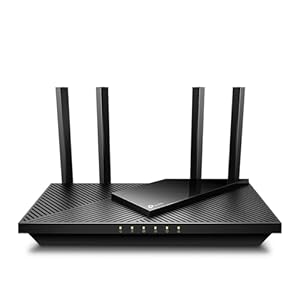
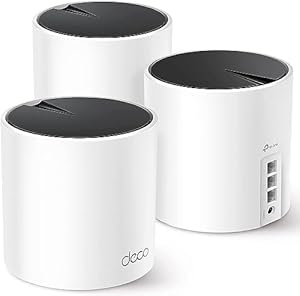
Quick Answer: AT&T Internet vs. Spectrum
Both AT&T Internet and Spectrum are viable internet options, but they differ significantly in technology, pricing, and performance. AT&T Internet uses Fiber (FTTH), DSL, Fixed Wireless while Spectrum uses Cable (DOCSIS 3.1), Fiber. AT&T Internet starts at $55 and Spectrum starts at $50. Read on for a detailed breakdown of speeds, costs, contracts, and which is best for your needs.
AT&T Internet vs. Spectrum: Complete Internet Comparison (2026)
Choosing between AT&T Internet and Spectrum is a decision that affects your household's daily connectivity -- from streaming and gaming to remote work and smart home devices. These two providers take fundamentally different approaches to delivering internet service, making this comparison essential reading before you sign up.
AT&T Internet operates on Fiber (FTTH), DSL, Fixed Wireless technology and covers 21 states (national), offering speeds of 300 Mbps - 5 Gbps (fiber). Spectrum uses Cable (DOCSIS 3.1), Fiber and covers 41 states (national), delivering speeds of 300 Mbps - 1 Gbps. The technology difference alone creates significant variations in real-world performance, reliability, and upload speeds -- factors that matter more than ever in 2026.
This comprehensive guide compares every aspect that affects your internet experience: speed tiers and real-world performance, monthly pricing and hidden fees, contract obligations and data caps, equipment costs, installation processes, customer service quality, and specific use case recommendations. By the end, you will know exactly which provider is the better fit for your household.
Technology Comparison: How AT&T Internet and Spectrum Deliver Service
Understanding the underlying technology is critical because it determines not just speed, but also latency, reliability, upload performance, and weather resilience.
AT&T Internet: Fiber (FTTH), DSL, Fixed Wireless
Fiber-optic technology uses light pulses through glass strands, delivering symmetrical upload and download speeds with extremely low latency (typically 1-5ms). Fiber is immune to electromagnetic interference and weather conditions, making it the most reliable internet technology available. Fiber connections provide consistent performance regardless of how many neighbors are online, since each connection has dedicated bandwidth to the home.
Spectrum: Cable (DOCSIS 3.1), Fiber
Fiber-optic technology uses light pulses through glass strands, delivering symmetrical upload and download speeds with extremely low latency (typically 1-5ms). Fiber is immune to electromagnetic interference and weather conditions, making it the most reliable internet technology available. Fiber connections provide consistent performance regardless of how many neighbors are online, since each connection has dedicated bandwidth to the home.
The technology difference between AT&T Internet and Spectrum is not just academic -- it directly impacts your daily internet experience. Fiber provides the most consistent and fastest connections, while cable offers good speeds at potentially lower prices. The trade-off comes in upload speeds and peak-hour consistency.
Speed Comparison: AT&T Internet vs. Spectrum Plans
| Feature | AT&T Internet | Spectrum |
|---|---|---|
| Download Speed Range | 300 Mbps - 5 Gbps (fiber) | 300 Mbps - 1 Gbps |
| Upload Speed Range | 300 Mbps - 5 Gbps (symmetric on fiber) | Up to 35 Mbps |
| Technology | Fiber (FTTH), DSL, Fixed Wireless | Cable (DOCSIS 3.1), Fiber |
| Data Caps | None | None |
| Contracts Required | No | No |
AT&T Internet offers download speeds of 300 Mbps - 5 Gbps (fiber) with upload speeds of 300 Mbps - 5 Gbps (symmetric on fiber). Spectrum delivers 300 Mbps - 1 Gbps downloads with Up to 35 Mbps uploads. The upload speed difference is particularly important for video conferencing, live streaming, cloud backups, and working from home -- symmetric fiber connections provide identical upload and download speeds, which means your Zoom calls and Google Drive uploads perform just as well as your Netflix streaming.
For context, here is what different speed tiers can handle in practice: 100 Mbps supports 4-5 simultaneous HD streams plus web browsing. 300 Mbps handles 4K streaming on multiple devices plus gaming. 500 Mbps to 1 Gbps supports heavy multi-device households with 10+ connected devices simultaneously. Speeds above 1 Gbps are ideal for content creators, large file transfers, home servers, and future-proofing your connection as demand grows.
Keep in mind that advertised speeds represent maximum capability under ideal conditions. Real-world speeds typically reach 80-95% of the advertised rate on fiber, 60-80% on cable during off-peak hours, and can vary more significantly on wireless and satellite connections.
All Plans and Pricing: AT&T Internet vs. Spectrum (2026)
AT&T Internet plans range from $55-$180/mo, while Spectrum plans range from $50-$90/mo. Here is the complete plan-by-plan breakdown with speeds, prices, and included features:
| Provider | Plan | Speed | Price | Key Features |
|---|---|---|---|---|
| AT&T Internet | Internet 300 | 300 Mbps | $55/mo | No annual contract, AT&T All-Fi router |
| AT&T Internet | Internet 500 | 500 Mbps | $65/mo | No annual contract, AT&T All-Fi router, 6+ devices |
| AT&T Internet | Internet 1000 | 1 Gbps | $80/mo | Symmetrical speeds, No data caps |
| AT&T Internet | Internet 2000 | 2 Gbps | $150/mo | Symmetrical speeds, Wi-Fi 6E gateway |
| AT&T Internet | Internet 5000 | 5 Gbps | $180/mo | Symmetrical speeds, Wi-Fi 6E gateway, Premium tier |
| Spectrum | Spectrum Internet | 300 Mbps | $50/mo | No contracts, No data caps, Free modem |
| Spectrum | Spectrum Internet Ultra | 500 Mbps | $70/mo | No contracts, No data caps, Free modem |
| Spectrum | Spectrum Internet Gig | 1 Gbps | $90/mo | No contracts, No data caps, Free modem, 10+ devices |
AT&T Internet Pricing Details
AT&T Internet starts at $55/mo for its entry-level plan (Internet 300), which delivers 300 Mbps. The top-tier plan (Internet 5000) costs $180/mo for 5 Gbps. There are no contracts or early termination fees, so you can upgrade, downgrade, or cancel at any time. Key features include: AT&T Fiber, No data caps on fiber, Max included with select plans.
Spectrum Pricing Details
Spectrum starts at $50/mo for its base plan (Spectrum Internet), delivering 300 Mbps. The premium tier (Spectrum Internet Gig) costs $90/mo for 1 Gbps. No contracts are required on any plan, giving you month-to-month flexibility. Key features include: No contracts, No data caps, Free modem, Spectrum Mobile bundling.
When comparing prices, look beyond the monthly rate. Factor in equipment rental fees (typically $5-$15/mo), installation charges, and any promotional price expiration dates. The cheapest plan is not always the best value -- compare the cost per Mbps to find the sweet spot for your usage level.
Contracts, Data Caps, and Hidden Fees
| Policy | AT&T Internet | Spectrum |
|---|---|---|
| Contract Required | No -- month-to-month | No -- month-to-month |
| Early Termination Fee | None | None |
| Data Caps | No data caps | No data caps |
| Equipment | AT&T All-Fi router included. No equipment fee on fiber plans. | Free modem included. Optional Wi-Fi router $5/mo or use your own. |
| Price Increases | Possible after 12 months | Possible after 12 months |
Both providers offer contract-free service, giving you the flexibility to cancel or switch at any time without penalty. This is a significant advantage over providers that lock you into 1-2 year agreements with hefty early termination fees.
Neither provider imposes data caps, meaning you can stream, download, game, and browse without worrying about overage charges or throttled speeds. This is increasingly important as household data consumption continues to grow with 4K streaming, cloud gaming, and smart home devices.
Beyond the advertised price, watch for these common hidden costs: equipment rental fees ($5-$15/mo), professional installation charges ($60-$100), Wi-Fi router fees, late payment fees, and price increases after promotional periods end. Always ask about the total all-in monthly cost before signing up.
Installation and Equipment: AT&T Internet vs. Spectrum
AT&T Internet Installation
Professional installation for fiber (1-3 hours). Self-install available for some DSL plans. Equipment details: AT&T All-Fi router included. No equipment fee on fiber plans.
Spectrum Installation
Self-install kit free. Professional installation $60. Free modem; Wi-Fi router $5/mo optional. Equipment details: Free modem included. Optional Wi-Fi router $5/mo or use your own.
The installation experience can vary significantly between providers. Professional installation means a technician handles everything -- running cables, mounting equipment, configuring your router, and testing speeds -- but requires scheduling a visit during a service window. Self-installation kits let you set up on your own schedule but may require basic technical comfort with connecting cables and following app-based setup instructions.
Tips for installation day: clear the area where equipment will be installed, ensure someone 18+ is home during the appointment window, test your speeds immediately after setup using a wired connection, and save your technician's contact information in case of follow-up issues.
Customer Service Comparison: AT&T Internet vs. Spectrum
| Support Feature | AT&T Internet | Spectrum |
|---|---|---|
| Support Hours | Mon-Fri 8AM-7PM local time, Sat 8AM-5PM; 24/7 tech support; myAT&T app | 24/7 by phone; Spectrum stores Mon-Sat 10AM-8PM; My Spectrum app |
| Phone Support | Yes | Yes |
| Self-Service App | Yes | Yes |
| In-Store Support | No | Yes |
Customer service quality matters most when something goes wrong -- an outage, billing dispute, or technical issue. AT&T Internet provides support via Mon-Fri 8AM-7PM local time, Sat 8AM-5PM; 24/7 tech support; myAT&T app. Spectrum offers 24/7 by phone; Spectrum stores Mon-Sat 10AM-8PM; My Spectrum app.
When evaluating customer service, consider these factors: response time during outages, availability of local service centers for in-person help, quality of self-service tools (mobile app, website, chatbot), whether technical support is available 24/7 or only during business hours, and whether you can reach a human representative without navigating lengthy phone trees. Providers with both 24/7 phone support and a robust self-service app generally deliver the best overall support experience.
Coverage and Availability
AT&T Internet serves 21 states (national). Spectrum covers 41 states (national). Both providers have broad national footprints, though actual availability varies significantly by address -- even neighbors on the same street may have different options.
Even within a provider's service area, not all addresses receive the same technology or speed tiers. For example, a provider may offer fiber at one address and only DSL a few blocks away. Always check availability at your exact address through each provider's website or by calling their sales line. Some addresses may only have one of these two options available, which simplifies the decision considerably.
Best For: Who Should Choose Which Provider?
Best for Gaming
For online gaming, low latency and consistent speeds matter most. Fiber connections from AT&T Internet provide the lowest latency (1-5ms ping), making them ideal for competitive online gaming where every millisecond counts. Cable connections typically deliver 10-30ms latency, which is adequate for casual gaming. Wireless and satellite connections generally have higher and more variable latency. For competitive titles like Fortnite, of Duty, and Valorant, latency under 20ms is ideal. For casual gaming, anything under 50ms works well.
Best for Streaming (Netflix, YouTube, Disney+, Hulu)
4K streaming requires approximately 25 Mbps per stream, while standard HD needs about 5 Mbps. A household streaming on 3-4 screens simultaneously needs 100-150 Mbps minimum. Both AT&T Internet and Spectrum offer plans that exceed this threshold. Neither provider has data caps, so you can stream as much content as you want without worrying about overage charges or speed throttling. If your household has multiple streaming subscriptions and everyone watches simultaneously, prioritize plans with at least 300 Mbps.
Best for Working from Home (Remote Work)
Remote work requires reliable speeds for video conferencing (5-10 Mbps up/down per call), cloud file access (Google Drive, Dropbox, OneDrive), and VPN connections. Upload speed is critical here -- fiber connections from AT&T Internet offer symmetric upload speeds, making them significantly better for video calls, screen sharing, and uploading large files. With symmetric fiber, your Zoom calls will be crisp and your file uploads fast. If multiple household members work from home simultaneously, plan for at least 50 Mbps per remote worker.
Best for Large Families (5+ Users, 10+ Devices)
Households with 5 or more people using the internet simultaneously should target plans with 500 Mbps or faster downloads. AT&T Internet offers plans up to 5 Gbps (fiber), while Spectrum goes up to 1 Gbps. Consider the total number of connected devices -- the average U.S. household now has 15-20 internet-connected devices including smart TVs, phones, tablets, laptops, gaming consoles, smart speakers, security cameras, and smart home devices. Each device consumes bandwidth even when not actively in use.
Best for Budget-Conscious Shoppers
AT&T Internet starts at $55, while Spectrum starts at $50. Factor in equipment fees, installation costs, and potential price increases after the first year when calculating the true 2-year cost of each provider. To find the best value, calculate the cost per Mbps: divide the monthly price by the download speed to see which plan delivers the most bandwidth per dollar.
Frequently Asked Questions: AT&T Internet vs. Spectrum
Is AT&T Internet or Spectrum faster?
AT&T Internet offers download speeds of 300 Mbps - 5 Gbps (fiber), while Spectrum provides 300 Mbps - 1 Gbps. Both providers can reach gigabit speeds, but the underlying technology affects real-world performance. Upload speeds also differ significantly: AT&T Internet provides 300 Mbps - 5 Gbps (symmetric on fiber) while Spectrum offers Up to 35 Mbps.
Which is cheaper, AT&T Internet or Spectrum?
AT&T Internet plans start at $55/mo and Spectrum starts at $50/mo. However, the cheapest plan is not always the best value -- compare the speed you receive per dollar spent, and factor in equipment rental fees (AT&T All-Fi router included) and installation charges for the true monthly cost.
Does AT&T Internet or Spectrum have data caps?
AT&T Internet does not impose data caps on any plan, so you can use as much data as you need. Spectrum also has no data caps, giving you unlimited usage.
Do AT&T Internet or Spectrum require contracts?
AT&T Internet does not require any contract -- you can cancel anytime without penalty. Spectrum also operates on a month-to-month basis with no contract required. Contract-free plans offer more flexibility if you may move or want to switch providers based on service quality.
Which is better for gaming, AT&T Internet or Spectrum?
For gaming, fiber connections deliver the lowest latency (1-5ms), making AT&T Internet the better choice for competitive gaming where milliseconds matter. Look for plans with at least 100 Mbps download speed and under 30ms latency. Upload speed matters for streaming gameplay on Twitch or YouTube.
Can I get both AT&T Internet and Spectrum at my address?
AT&T Internet is available in 21 states (national) and Spectrum covers 41 states (national). Availability varies by specific address even within a provider's service area. Visit each provider's website and enter your street address to confirm availability, or their sales line for the most accurate information about your location.
How does installation work for AT&T Internet vs. Spectrum?
AT&T Internet: Professional installation for fiber (1-3 hours). Self-install available for some DSL plans. Spectrum: Self-install kit free. Professional installation $60. Free modem; Wi-Fi router $5/mo optional. Factor in installation fees, scheduling wait times, and equipment requirements when choosing between these providers.
Final Verdict: AT&T Internet vs. Spectrum (2026)
| Category | Winner | Why |
|---|---|---|
| Speed | AT&T Internet | Higher maximum speeds and wider range of plan tiers |
| Price | Spectrum | Lower starting price for comparable speed tiers |
| No Contracts | Tie -- both contract-free | Month-to-month flexibility without early termination penalties |
| No Data Caps | Tie -- both unlimited | Unlimited data usage without throttling or overage fees |
| Customer Service | Tie | Better support availability and self-service options |
| Upload Speed | AT&T Internet | Faster uploads for video calls, cloud backups, and content creation |
Bottom line: For most households, the best choice between AT&T Internet and Spectrum depends on your priorities. If you value maximum speed, low latency, and symmetric upload performance, the fiber-based option delivers the best overall experience. If budget is your primary concern, compare the cost per Mbps at each speed tier to find the best value. If flexibility matters most, the contract-free provider with no data caps minimizes your financial risk.
Regardless of which provider you choose, start by confirming availability at your specific address, then select a plan that matches your household's actual usage patterns. You can always upgrade later if your needs change. Check both providers' websites for any current promotions or special offers that could reduce your first-year costs.