About Frontier Fiber: A Complete Overview
Frontier Communications has undergone one of the most significant transformations in the U.S. telecom industry. After emerging from Chapter 11 bankruptcy in 2021, the company invested billions of dollars in replacing legacy DSL and copper infrastructure with modern fiber-optic networks. The result is Frontier Fiber, a pure fiber-to-the-home (FTTH) service that now reaches millions of homes and businesses across 25 states.
Unlike hybrid fiber-coaxial networks used by cable companies, Frontier's FTTH architecture delivers a fiber-optic strand directly to each customer's premises. This means symmetrical speeds where your upload bandwidth matches your download bandwidth, a critical advantage for video conferencing, cloud backups, live streaming, and smart home devices. Frontier markets this under their "Fiber Internet" branding, and the service is available in both urban and suburban markets where the company has completed its fiber buildout.
Frontier's pricing philosophy centers on transparency. The company has adopted a "price for life" guarantee on its fiber plans, meaning the monthly rate you sign up at will not increase as long as you maintain continuous service. However, it is important to note that this guarantee applies to the base internet rate only and does not cover taxes, fees, equipment charges, or promotional add-ons. Always verify current terms directly at frontier.com, as promotional details and pricing are subject to change.
The company also distinguishes itself by not requiring annual contracts and not imposing data caps on any of its fiber plans. In a market where many competitors still throttle heavy users or charge overage fees, Frontier's approach is refreshing. You can cancel at any time without early termination fees, and you can use as much data as you need without worrying about hitting a usage ceiling.
Frontier Fiber and Verizon: What the Acquisition Means
In early 2026, Verizon completed its acquisition of Frontier Communications, bringing Frontier Fiber under the Verizon umbrella. For current and prospective Frontier Fiber customers, existing plans, pricing, and service remain unchanged for now. The acquisition positions Frontier's fiber network to benefit from Verizon's investment capacity and nationwide infrastructure. For full details on how this affects your service, see our Frontier Fiber Verizon Acquisition guide. to verify current plan availability.
Frontier Fiber Plans and Pricing
Frontier currently offers four primary fiber internet tiers. All plans include symmetrical upload and download speeds, no data caps, no annual contracts, and a Wi-Fi router at no additional monthly cost. Pricing shown below reflects approximate rates as of early 2026; always verify current pricing at frontier.com, as rates are subject to change.
| Plan | Download Speed | Upload Speed | Approximate Price | Best For |
|---|---|---|---|---|
| Fiber 500 | 500 Mbps | 500 Mbps | Starting at approximately $50/mo | Individuals, couples, light streaming |
| Fiber 1 Gig | 1,000 Mbps | 1,000 Mbps | Starting at approximately $70/mo | Families, gamers, remote workers |
| Fiber 2 Gig | 2,000 Mbps | 2,000 Mbps | Starting at approximately $100/mo | Power users, content creators, large households |
| Fiber 5 Gig | 5,000 Mbps | 5,000 Mbps | Starting at approximately $150/mo | Extreme bandwidth, future-proofing, home labs |
Important pricing note: The rates listed above are approximate and reflect standard pricing. Promotional offers may reduce these rates temporarily. Taxes and fees may apply. Frontier's "price for life" guarantee means your base internet rate will not increase with continuous service, but verify all terms before signing up. to confirm current pricing for your address.
Understanding Frontier's Plan Tiers
The Fiber 500 plan is the entry-level tier and provides more than enough bandwidth for most single-person or two-person households. At 500 Mbps symmetrical, you can stream 4K video on multiple devices, browse the web, and handle video calls without any slowdowns. For the majority of internet users, this plan offers excellent value.
The Fiber 1 Gig plan is Frontier's most popular tier and the sweet spot for families with multiple devices. With 1,000 Mbps symmetrical speeds, a household of four to six people can simultaneously stream, game, video conference, and download large files without competing for bandwidth. This is the plan we recommend for most households.
The Fiber 2 Gig plan targets power users who routinely push large amounts of data upstream. Content creators uploading 4K video, developers pushing code to remote repositories, and households with dozens of connected smart devices will appreciate the headroom. The 2 Gbps symmetrical speeds effectively eliminate any bottleneck at the home connection level.
The Fiber 5 Gig plan is Frontier's flagship offering and represents the cutting edge of residential fiber internet. At 5,000 Mbps symmetrical, this plan is designed for users who need the absolute maximum bandwidth available. Home lab enthusiasts, professional live streamers, and early adopters who want to future-proof their connection will find this tier compelling. Note that achieving full 5 Gbps speeds requires compatible hardware, including a multi-gig Ethernet adapter or 10GbE networking equipment.
Who Is Frontier Fiber For?
Frontier Fiber is an excellent choice for several types of internet users:
- Remote workers and hybrid employees: Symmetrical upload speeds ensure smooth video conferencing, VPN performance, and cloud file syncing. See our work from home guide for detailed recommendations.
- Gamers: Low latency fiber connections with no data caps mean uninterrupted gaming sessions. The gaming guide covers optimal plan selection and setup tips.
- Streamers and cord-cutters: Multiple simultaneous 4K streams require significant bandwidth. Frontier's no data cap policy means you never have to worry about overage charges. Read our streaming guide for more details.
- Content creators: Uploading 4K video, live streaming, and cloud backups demand strong upload speeds that only fiber can deliver consistently. Our content creator guide explains why upload speed matters.
- Large families: Households with 10+ connected devices benefit from the generous bandwidth of the 1 Gig or 2 Gig plans.
- Price-conscious consumers: The "price for life" guarantee and no-contract policy give you cost certainty that cable providers rarely match.
Frontier Fiber may not be the best fit if you live in a rural area outside their fiber footprint (check availability by calling ), if you need a bundled TV package (Frontier has exited the pay-TV business), or if you require business-grade SLAs for mission-critical applications.
Frontier Fiber: Pros and Cons
Advantages
- Symmetrical speeds: Upload speeds match download speeds on every plan, unlike cable where uploads are a fraction of downloads
- No data caps: Unlimited usage on all fiber plans with no throttling or overage fees
- No annual contracts: Cancel anytime without early termination fees
- Price for life guarantee: Your base rate is locked in for as long as you maintain service (verify terms at frontier.com)
- Included Wi-Fi router: eero mesh-capable router included at no extra monthly charge
- Wide speed range: From 500 Mbps to 5 Gbps, there is a tier for every need and budget
- True FTTH architecture: Fiber-optic cable runs directly to your home, not just to a neighborhood node
- Low latency: Fiber connections typically deliver 5-15ms ping times, ideal for gaming and real-time applications
Disadvantages
- Limited availability: Fiber is not available at every address in Frontier's 25-state footprint; legacy DSL areas still exist
- No TV bundles: Frontier has exited the pay-TV business, so there are no cable TV packages available
- Customer service reputation: While improving, some customers report inconsistent support experiences
- Installation wait times: In some areas, installation appointments may be several weeks out due to demand
- Multi-gig hardware requirements: The 2 Gig and 5 Gig plans require compatible networking hardware to achieve full speeds
- No phone service bundling: Traditional landline phone service is being phased out in many areas
Technology: How Frontier Fiber Works
Understanding the technology behind Frontier Fiber helps explain why it outperforms cable and DSL connections in key metrics. Frontier deploys a fiber-to-the-home (FTTH) architecture using Gigabit Passive Optical Network (GPON) and next-generation XGS-PON technology.
GPON and XGS-PON Explained
GPON (Gigabit Passive Optical Network) is the foundational technology for Frontier's fiber network. In a GPON deployment, a single fiber strand from the central office is split using passive optical splitters to serve up to 32 or 64 homes. Each home receives its own dedicated wavelength of light, and because the splitters are passive (no electricity required), the network is inherently reliable with fewer potential points of failure.
For the higher-speed 2 Gig and 5 Gig plans, Frontier uses XGS-PON (10-Gigabit Symmetrical Passive Optical Network) technology. XGS-PON operates on a different wavelength than GPON, allowing both technologies to coexist on the same fiber strand. This means Frontier can offer multi-gigabit speeds to individual homes without replacing the entire fiber distribution network, simply by upgrading the electronics at each end.
The Optical Network Terminal (ONT)
At your home, the fiber-optic cable terminates at an Optical Network Terminal (ONT), a small device typically installed on an exterior wall or inside your garage. The ONT converts light signals from the fiber into electrical signals that your router and devices can use. Frontier's ONTs support Ethernet output, and newer models include 2.5GbE or 10GbE ports for multi-gigabit plans.
Why Fiber Beats Cable
Traditional cable internet (DOCSIS) shares bandwidth among users on the same neighborhood node. During peak usage hours, cable speeds can degrade significantly. Fiber does not suffer from this congestion because each home has a dedicated optical path. Also, fiber signals do not degrade over distance the way copper-based signals do, meaning you get consistent performance regardless of how far you are from Frontier's central office. Learn more in our Frontier Fiber vs Cable comparison.
Wi-Fi Equipment
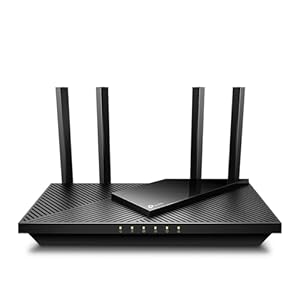
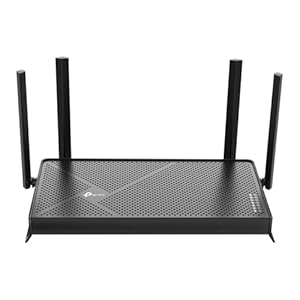
All Frontier Fiber plans include an eero Wi-Fi router at no additional monthly charge. The eero system supports Wi-Fi 6 and mesh networking, meaning you can add additional eero units to extend coverage throughout your home. For the 2 Gig and 5 Gig plans, Frontier provides an eero Pro or eero Pro 6E unit capable of handling the higher throughput. Read our equipment guide for detailed specifications and optimization tips.
Equipment and Installation
Frontier's fiber installation is a professional process that typically takes two to four hours. A technician will run a fiber-optic cable from the nearest distribution point to your home and install the ONT. The technician will then connect the eero router, verify speeds, and ensure your Wi-Fi network is configured and operational.
Standard installation is typically included at no charge for new fiber customers, though availability of free installation may vary by location and promotion. Self-installation is not available for new fiber connections because the ONT must be professionally installed and connected to the fiber network. For more details, visit our installation guide.
If you are building a new home, Frontier offers a fiber-ready construction program that coordinates ONT placement during the building process. Our new construction guide walks through the process of getting Frontier Fiber in a newly built home.
Coverage and Availability
Frontier provides fiber internet across 25 states, though coverage varies significantly by market. The company has prioritized fiber buildout in competitive urban and suburban markets, with ongoing expansion into additional neighborhoods. Major fiber markets include:
- California: Los Angeles, San Diego, inland markets. See California coverage
- Texas: Dallas-Fort Worth, San Antonio, McAllen. See Texas coverage
- Florida: Tampa, Orlando, Jacksonville, Ft. Lauderdale. See Florida coverage
- Connecticut, New York, Ohio, Indiana: Various metro and suburban markets
- Additional states: Arizona, Illinois, Minnesota, Mississippi, New Mexico, North Carolina, Pennsylvania, South Carolina, Tennessee, Virginia, West Virginia, Wisconsin, and others
Not all addresses within Frontier's service territory have fiber access. Many areas still rely on legacy DSL service while the fiber buildout continues. The best way to check if fiber is available at your specific address is to or visit the availability checker.
If Frontier Fiber is not yet available at your address, you may want to explore apartment-specific availability options in our apartments guide, as some multi-dwelling units have fiber even when surrounding single-family homes do not.
How Frontier Fiber Compares to Competitors
Frontier Fiber competes directly with other major internet providers in most of its markets. Here is how it stacks up against the most common competitors:
Frontier Fiber vs AT&T Fiber
Both providers offer symmetrical fiber speeds and no data caps. AT&T Fiber typically matches Frontier's speed tiers up to 5 Gbps. AT&T includes Max with some plans, while Frontier counters with generally lower base pricing and the "price for life" guarantee. The choice often comes down to local availability and current promotions. Read the full comparison.
Frontier Fiber vs Spectrum
Spectrum relies on cable (DOCSIS) technology, which means asymmetrical speeds with uploads typically capped at 35 Mbps on standard plans. Frontier's symmetrical fiber speeds represent a significant advantage for anyone who uploads content, video conferences, or backs up data to the cloud. Spectrum does offer wider geographic availability in many markets. Read the full comparison.
Frontier Fiber vs Xfinity
Xfinity (Comcast) offers cable internet with some fiber options in select markets. Xfinity imposes a 1.2 TB data cap in most regions (waivable for an additional $30/mo), while Frontier has no data caps on any plan. For heavy data users, Frontier's unlimited usage policy is a clear advantage. Read the full comparison.
Frontier Fiber vs Verizon Fios
Verizon Fios is Frontier's closest competitor in terms of technology, as both deliver fiber-to-the-home. Fios and Frontier have overlapping speed tiers and similar pricing structures. The primary difference is geographic: Fios serves the Northeast corridor, while Frontier covers a broader but more scattered 25-state footprint. Read the full comparison.
Frontier Fiber by Use Case
Different internet activities have different bandwidth and latency requirements. We have created detailed guides for the most common use cases to help you choose the right Frontier Fiber plan:
- Gaming: Why fiber's low latency and stable connection make it ideal for competitive and casual gaming alike
- Working from Home: How symmetrical uploads support video conferencing, VPNs, and cloud productivity tools
- Streaming: Bandwidth requirements for 4K, HDR, and simultaneous streams across multiple TVs
- Content Creators: Why upload speed is the most critical factor for YouTubers, Twitch streamers, and podcasters
- Apartments: How to check fiber availability in multi-dwelling units and what to do if it is not available
- New Construction: Getting fiber installed during the home building process for optimal placement
- Fiber vs Cable: A detailed technology comparison explaining why fiber's symmetrical speeds outperform cable uploads
Additional Resources
Explore our complete library of Frontier Fiber guides and tools:
- Current Deals and Promotions
- Installation Guide
- Equipment and Router Details
- Fees and Hidden Costs
- Speed Test and Performance
- Customer Support Options
- Outage Map and Reporting
- Complete FAQ
- Plan Comparison Tool
- Customer Reviews
- Check Availability
Frontier Fiber Resources
Explore our complete Frontier Fiber resource library for detailed guides on every aspect of the service:
- Verizon Acquisition — How the Verizon deal affects your service
- Cancel Service — Step-by-step cancellation guide
- Availability Map — Check Frontier Fiber coverage by state
- Customer Service — All contact methods and support tips
- Business Internet — Plans and SLAs for businesses
- Coverage Details — State-by-state coverage breakdown
- Low-Income Programs — Affordable connectivity assistance
- Billing Help — Resolve billing issues and lower your bill
- Equipment Return — Return process for Frontier equipment
- Installation Tips — Prepare for your fiber installation
- Outage Troubleshooting — Fix connection issues
- Slow Speed Fixes — Troubleshoot slow internet
- Wi-Fi Dropping — Fix intermittent Wi-Fi issues
How Frontier Fiber Compares
See how Frontier Fiber stacks up against the competition:
- Frontier Fiber vs AT&T
- Frontier Fiber vs Spectrum
- Frontier Fiber vs Xfinity
- Frontier Fiber vs Verizon Fios
- Frontier Fiber vs Google Fiber
- Frontier Fiber vs Cox
- Frontier Fiber vs Starlink
- Frontier Fiber vs T-Mobile 5G
- Frontier Fiber vs CenturyLink
- Frontier Fiber vs Brightspeed
- Frontier Fiber vs Windstream
- Frontier Fiber vs Verizon 5G
Ready to Switch to Frontier Fiber?
Check if Frontier Fiber is available at your address and lock in your price for life.
Check Availability NowPrefer to speak with someone?
Related Pages
- Frontier Fiber Internet in Spokane, WA (2026)
- Frontier Fiber in Wheeling, WV - Plans & Availability (2026)
- Frontier Fiber in Plano, TX - Plans & Availability (2026)
- Frontier Fiber Internet in Modesto, CA (2026)
- Frontier Fiber Internet in Grand Prairie, TX (2026)
- Frontier Fiber Internet in Aurora, IL (2026)
- Frontier Fiber in Norwalk, CT - Plans & Availability (2026)
- Frontier Fiber Internet in Irving, TX (2026)
- Frontier Fiber Internet in Milwaukee, WI (2026)
- Frontier Fiber Internet in Riverside, CA (2026)
- Frontier Fiber Internet in Fremont, CA (2026)
- Frontier Fiber Internet in Indianapolis, IN (2026)
- Frontier Fiber Internet in Santa Ana, CA (2026)
- Frontier Fiber Internet in Moreno Valley, CA (2026)
- Frontier Fiber Internet in Fort Wayne, IN (2026)
- Frontier Fiber in San Antonio, TX - Plans & Availability..
- Frontier Fiber in Sacramento, CA - Plans & Availability..
- Frontier Fiber Internet in Phoenix, AZ (2026)
- Frontier Fiber Internet in Tucson, AZ (2026)
- Frontier Fiber Internet in Columbus, OH (2026)
- Frontier Fiber Internet in Madison, WI (2026)
- Frontier Fiber Internet in Fontana, CA (2026)
- Frontier Fiber Internet in Cleveland, OH (2026)
- Frontier Fiber Internet in Stockton, CA (2026)
- Frontier Fiber Internet in Las Vegas, NV (2026)
- Frontier Fiber Internet in Oxnard, CA (2026)
- Frontier Fiber Internet in Huntington Beach, CA (2026)
- Frontier Fiber Internet in Cypress, TX (2026)
- Frontier Fiber Internet in Chicago, IL (2026)
- Frontier Fiber Internet in Seattle, WA (2026)
- Frontier Fiber Internet in Vancouver, WA (2026)
- Frontier Fiber Internet in Hialeah, FL (2026)
- Frontier Fiber Internet in Irvine, CA (2026)
- Frontier Fiber Internet in Cape Coral, FL (2026)
- Frontier Fiber in Oakland, CA - Plans & Availability (2026)
- Frontier Fiber Internet in Chandler, AZ (2026)
- Frontier Fiber Internet in Toledo, OH (2026)
- Frontier Fiber Internet in Garland, TX (2026)
- Frontier Fiber in Orlando, FL - Plans & Availability (2026)
- Frontier Fiber Internet in Portland, OR (2026)
Frontier Fiber Internet Available Here
Frontier Fiber offers 100% fiber-optic internet with speeds up to 5 Gbps, no contracts, and no data caps. Plans start at $49.99/mo.
to check availability: