Or call:
The Upload Speed Problem Most Creators Face
If you create content for a living or as a serious hobby, you have almost certainly experienced the frustration of slow uploads. You finish editing a 15-minute 4K video (approximately 5-10 GB), hit upload to YouTube, and then wait an hour or more while your cable internet crawls at 20-35 Mbps upload. Meanwhile, you cannot start another upload, your Zoom calls stutter, and your cloud backup grinds to a halt.
This is the fundamental problem with cable internet for creators: download speeds may be fast, but upload speeds are severely limited by the technology. DOCSIS cable allocates far more bandwidth to downloading than uploading because it was designed for consumption, not creation. Fiber does not have this limitation.
Upload Speed Comparison: Fiber vs Cable for Creators
| File Upload | Cable (35 Mbps up) | Fiber 500 (500 Mbps up) | Fiber 1 Gig (1 Gbps up) | Fiber 2 Gig (2 Gbps up) |
|---|---|---|---|---|
| 1 GB (short video) | ~3.8 min | ~16 sec | ~8 sec | ~4 sec |
| 5 GB (10-min 4K) | ~19 min | ~80 sec | ~40 sec | ~20 sec |
| 25 GB (long 4K edit) | ~1.6 hrs | ~6.7 min | ~3.3 min | ~1.7 min |
| 100 GB (raw footage) | ~6.3 hrs | ~27 min | ~13 min | ~6.7 min |
The difference is transformative. What takes hours on cable takes minutes on fiber. This is not a marginal improvement; it fundamentally changes how you work.
Recommended Plans by Creator Type
YouTubers and Video Creators
If you primarily upload edited video to YouTube, TikTok, or Instagram, the Fiber 1 Gig plan at approximately $70/mo is the recommended starting point. With 1,000 Mbps upload, a 10 GB 4K video uploads in about 80 seconds. You can upload multiple videos while continuing to edit, browse reference material, and run background cloud syncs without slowdown.
For professional-grade workflows involving 4K ProRes, 8K footage, or frequent large batch uploads, the Fiber 2 Gig plan at approximately $100/mo halves your upload times and provides the headroom for simultaneous large transfers.
Live Streamers (Twitch, YouTube Live, Kick)
Live streaming requires sustained upstream bandwidth for the duration of your stream. High-quality Twitch streams typically use 6,000-8,000 Kbps (approximately 6-8 Mbps), while YouTube Live and Kick support higher bitrates up to 25,000+ Kbps for 4K streaming. On cable internet with 35 Mbps upload, streaming at high bitrates while running overlays, alerts, and a second camera feed can push your upload to its limit.
On Frontier Fiber, even the Fiber 500 plan provides 500 Mbps upload, giving you 50 times the bandwidth needed for a premium Twitch stream. You can stream, run a separate webcam feed, have a chat bot active, and still have 490+ Mbps of upload headroom. The Fiber 1 Gig plan is recommended for streamers in busy households where other family members are also online.
Podcasters
Podcast production involves smaller file sizes than video, but you still need reliable upload for recording remote interviews (via platforms like Riverside, Zencastr, or SquadCast), uploading episodes to hosting platforms, and syncing project files to cloud storage. The Fiber 500 plan is more than adequate for podcast production. The symmetrical speed ensures your remote recording sessions have professional-quality audio without dropouts.
Graphic Designers and Photographers
Photographers and designers regularly upload large files to client portals, stock photo sites, and cloud storage. A batch of 50 RAW photos (approximately 2-3 GB total) uploads in seconds on fiber versus minutes on cable. The Fiber 500 plan or Fiber 1 Gig plan handles these workflows effortlessly.
Cloud Backup and Storage
Content creators generate massive amounts of data. A single day of video production can produce 100-500 GB of raw footage. Backing up this data to cloud storage (Google Drive, Dropbox, Backblaze, Wasabi) requires substantial upload bandwidth to be practical.
- On cable (35 Mbps up): 500 GB backup takes approximately 31 hours
- On Fiber 1 Gig (1,000 Mbps up): 500 GB backup takes approximately 67 minutes
- On Fiber 2 Gig (2,000 Mbps up): 500 GB backup takes approximately 33 minutes
This difference means daily cloud backups become practical on fiber, protecting your work from local hardware failures. For professional creators, the peace of mind of knowing your footage is backed up to the cloud every day is worth the price of a fiber plan alone.
Large File Transfers and Collaboration
If you collaborate with editors, producers, or clients remotely, transferring project files is a daily activity. Sending a 25 GB project folder to an editor via Dropbox Transfer, WeTransfer, or Masv takes under 4 minutes on Fiber 1 Gig versus over 90 minutes on cable. This speed difference enables workflows that are simply not practical on cable internet, like round-trip editing where you send footage to an editor, they edit it, and you both review the result, all in the same day.
Create Without Upload Bottlenecks
Frontier Fiber's symmetrical speeds transform creative workflows. Starting at approximately $50/mo.
Check AvailabilityCall:
Content Creator FAQ
Which Frontier Fiber plan is best for YouTube creators?
The Fiber 1 Gig plan at approximately $70/mo is the sweet spot for most YouTubers. It provides 1,000 Mbps upload for rapid video uploads while leaving ample bandwidth for other household use. Professional 4K/8K creators should consider the Fiber 2 Gig plan.
Can I stream on Twitch with Frontier Fiber 500?
Yes. High-quality Twitch streaming requires approximately 6-8 Mbps upload. Frontier Fiber 500 provides 500 Mbps upload, giving you over 60 times the needed bandwidth. You will have no streaming quality issues on any Frontier Fiber plan.
How long does it take to upload a 4K video on Frontier Fiber?
A 10 GB 4K video uploads in approximately 80 seconds on Fiber 500, 40 seconds on Fiber 1 Gig, and 20 seconds on Fiber 2 Gig. Compare that to nearly 40 minutes on a cable connection with 35 Mbps upload. Actual upload times depend on the receiving server's capacity as well.
Does Frontier Fiber have data caps that affect content uploads?
No. Frontier Fiber has no data caps. Upload as much content as you produce without worrying about overage charges. This is critical for creators who may transfer hundreds of gigabytes per month in uploads, backups, and cloud storage sync.
Is fiber better than cable for live streaming?
Significantly. Fiber provides symmetrical speeds (500+ Mbps upload vs cable's 10-35 Mbps), lower latency (5-15ms vs 15-30ms), and consistent performance without peak-hour congestion. All of these factors contribute to smoother, more reliable live streams with fewer dropped frames.
Making the Most of Your Internet Connection
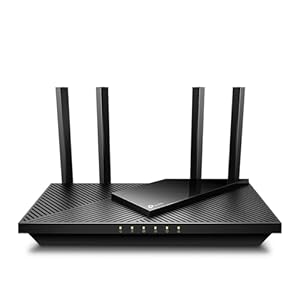
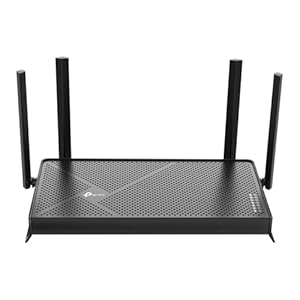
Regardless of your provider or plan, several practices help maximize your internet experience. Position your router centrally in your home, elevated and away from walls and large appliances. Update your router firmware regularly, as manufacturers release performance and security improvements frequently.
For the best speeds, connect high-bandwidth devices directly to your router using ethernet cables. Wi-Fi is convenient but introduces latency and speed loss, particularly through walls and over longer distances. Modern mesh Wi-Fi systems can improve wireless coverage for larger homes.
Monitor your monthly data usage if your plan includes a data cap. Most providers offer usage tracking through their app or account portal. Setting up usage alerts at 75% and 90% thresholds prevents surprise overage charges or throttling.
Creators Value Analysis
Evaluating Creators's value requires looking beyond the monthly rate to understand the total cost of service. Equipment fees, installation charges, data overage costs, and price increases after promotional periods all factor into the real cost.
Monthly cost components: Your bill includes the plan rate plus any equipment rental fees ($10-15/month for modem and router). Some plans include equipment, while others charge separately. Taxes and regulatory fees typically add another $5-10/month depending on your location.
Promotional vs. regular pricing: Most Creators promotional rates last 12-24 months before reverting to regular pricing. The increase can be significant — sometimes $20-40/month more. Factor the regular rate into your decision, especially if you plan to stay with the service long-term.
Hidden costs to watch for: Early termination fees on contract plans, professional installation charges, and data overage fees can add unexpected costs. Ask about all potential charges before committing to a plan.
Disclosure: InternetProviders.ai may earn compensation through affiliate links and phone referrals on this page. This does not influence our editorial recommendations. Upload time estimates are theoretical based on advertised speeds; actual performance depends on server capacity and network conditions. All pricing is approximate. Verify current rates at frontier.com.