Quick Answer
Frontier Fiber delivers symmetrical upload and download speeds (up to 2 Gbps both ways), while cable internet typically offers upload speeds of only 5-35 Mbps regardless of download tier. This makes Frontier Fiber dramatically better for video calls, cloud backups, gaming, and content creation. to check availability.
If you are comparing Frontier Fiber to cable internet from providers like Xfinity, Spectrum, or Cox, the headline number -- download speed -- might look similar. Both technologies now offer gigabit-class download speeds. But that headline number hides the real story: upload speeds, latency, and reliability. And in those categories, fiber wins decisively.
This comparison breaks down the key differences between Frontier Fiber and cable internet, explains why symmetrical speeds matter more than ever, and helps you decide which technology fits your household's needs.
The Core Technology Difference
Understanding why fiber outperforms cable starts with how each technology delivers data to your home.
Fiber Optic (Frontier Fiber -- GPON/XGS-PON)
Frontier Fiber uses strands of glass that transmit data as pulses of light. This technology, called GPON (Gigabit Passive Optical Network) or the newer XGS-PON, provides identical capacity in both directions. Light travels through fiber at nearly the speed of light, with minimal signal degradation over distance. The result is high bandwidth, low latency, and consistent performance regardless of how many neighbors are online.
Cable Internet (DOCSIS 3.1)
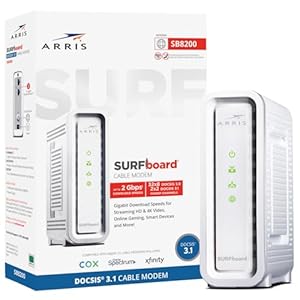
Cable internet runs over coaxial copper cables originally designed for television. The current standard, DOCSIS 3.1, can deliver fast download speeds by allocating most of the cable's frequency spectrum to downstream traffic. But this creates an inherent asymmetry: cable networks dedicate far fewer channels to uploads than downloads. Even DOCSIS 4.0, which is still being rolled out, will not fully close the gap with fiber.
Speed Comparison: Frontier Fiber vs Cable
Frontier Fiber vs Cable Internet Speeds
| Metric | Frontier Fiber | Typical Cable (DOCSIS 3.1) |
|---|---|---|
| Download Speed Range | 500 Mbps - 2 Gbps | 100 Mbps - 1.2 Gbps |
| Upload Speed Range | 500 Mbps - 2 Gbps | 5 - 35 Mbps |
| Upload on Gig Plan | 1,000 Mbps | 20-35 Mbps |
| Latency (Ping) | 1-5 ms | 10-30 ms |
| Jitter | Minimal (< 1 ms) | Moderate (2-10 ms) |
| Data Caps | None | Often 1.2 TB |
| Speed Consistency | Very stable | Varies by congestion |
| Technology | GPON / XGS-PON | DOCSIS 3.1 |
The upload speed gap is the most significant difference. to compare Frontier Fiber plans for your address.
Why Upload Speed Matters More Than You Think
Most people focus on download speed because that is what ISPs advertise. But modern internet usage increasingly depends on upload performance. Here is where the difference hits hardest:
Video Calls and Remote Work
Zoom, Teams, and Google Meet send your video feed upstream -- that is upload bandwidth. A single 1080p video uses 3-4 Mbps of upload. If your household has two people on video calls while a third is attending an online class, you need 10-12 Mbps of upload just for video. On a cable connection with 10 Mbps upload, you are already at capacity. On Frontier Fiber with 500+ Mbps upload, it is not even noticeable.
Cloud Storage and Backups
Backing up photos, videos, and documents to iCloud, Google Drive, or OneDrive depends entirely on upload speed. A 50 GB backup that takes 3 hours on fiber could take 3 days on cable. For families with iPhones automatically backing up photos and videos, fast uploads make cloud storage actually usable rather than a constant bottleneck.
Gaming
While gaming does not use much bandwidth in either direction, it is extremely sensitive to latency and jitter. Fiber's 1-5 ms latency versus cable's 10-30 ms gives gamers a real competitive advantage. More importantly, fiber's low jitter means consistent performance without the random lag spikes that cable users experience during network congestion. Read our Frontier Fiber gaming guide for more details.
Content Creation and Streaming
If anyone in your household uploads videos to YouTube, streams on Twitch, or posts content to social media, upload speed directly affects their workflow. Uploading a 10-minute 4K video to YouTube takes about 5 minutes on fiber versus well over an hour on cable. For professional streamers, the difference between fiber and cable can mean the difference between 1080p60 and 720p30 broadcast quality.
The Congestion Factor
Cable internet shares bandwidth among all subscribers on a node, typically 200-500 homes. During peak hours (evenings, weekends), this shared infrastructure leads to slowdowns that cable providers "congestion." You might pay for 1 Gbps but consistently get 400-600 Mbps during prime time.
Frontier Fiber uses a point-to-point or point-to-multipoint architecture that handles congestion differently. While fiber does share capacity at the PON level, the available bandwidth is so much greater that real-world congestion is extremely rare. Frontier Fiber users typically see speeds within 90-95% of their plan speeds at all hours.
This matters most for families. A household streaming 4K on two TVs, gaming on a console, and running video calls simultaneously puts serious stress on a cable connection. Frontier Fiber handles all of that without breaking a sweat. Check the Frontier Fiber speed test page to see real-world performance data.
Price Comparison
Frontier Fiber is often competitively priced against cable, especially when you factor in the speed tier you actually receive:
Price vs. Value: Frontier Fiber vs Cable
| Speed Tier | Frontier Fiber Price | Typical Cable Price | Key Difference |
|---|---|---|---|
| ~500 Mbps | $49.99/mo | $49.99-$69.99/mo | Fiber: 500 up / Cable: 10 up |
| ~1 Gbps | $74.99/mo | $79.99-$89.99/mo | Fiber: 1,000 up / Cable: 20-35 up |
| ~2 Gbps | $99.99/mo | Not available | Cable maxes out at ~1.2 Gbps down |
Frontier Fiber includes no data caps and no annual contracts on all plans.
Cable providers also frequently impose data caps (Xfinity's 1.2 TB cap is the most common) and charge $30/month for unlimited data upgrades. Frontier Fiber has no data caps on any plan, which can save heavy users $30-$50 per month compared to cable.
Reliability and Future-Proofing
Fiber-optic cables are immune to electromagnetic interference, which means they are unaffected by electrical storms, nearby power lines, or household appliances. Copper coaxial cable is susceptible to all of these. Fiber also does not degrade over distance the way copper does -- a fiber connection performs identically whether you are 100 feet or 10 miles from the nearest equipment.
Looking ahead, fiber infrastructure has essentially unlimited upgrade potential. The same glass fiber currently delivering 2 Gbps can theoretically support 100 Gbps and beyond with upgraded electronics at each end. Cable's DOCSIS standard is approaching its physical limits, and the next meaningful upgrade (fiber-to-the-home) is essentially admitting that fiber was the right answer all along.
By choosing Frontier Fiber now, you are investing in infrastructure that will meet your needs for decades. Visit our Frontier Fiber hub to explore current plans and promotions.
When Cable Might Still Make Sense
To be fair, cable internet has its place. If Frontier Fiber is not available at your address, cable is usually the next best option for download speed. Cable also has broader coverage since the coaxial network was built out decades ago for television. And for light internet users who primarily browse the web and stream video, cable's download speeds are perfectly adequate.
However, if Frontier Fiber is available at your address, there is very little reason to choose cable. You get faster uploads, lower latency, no data caps, competitive pricing, and a future-proof connection. Compare all providers at your address to see what is available.
Check Frontier Fiber Availability at Your AddressFrequently Asked Questions
Is Frontier Fiber really faster than cable internet?
For downloads, Frontier Fiber and top-tier cable plans offer similar speeds (1 Gbps range). The major difference is uploads: Frontier Fiber delivers symmetrical speeds (1 Gbps up and down) while cable typically offers only 20-35 Mbps upload regardless of the download tier.
Why are cable upload speeds so much slower?
Cable internet uses DOCSIS technology over coaxial copper lines, which allocates most frequency channels to downstream (download) traffic. The physical properties of coax cable limit how much upstream bandwidth can be provided. Fiber optics do not have this limitation because light signals travel symmetrically.
Does Frontier Fiber have data caps?
No. Frontier Fiber does not impose data caps on any plan. Cable providers like Xfinity typically cap usage at 1.2 TB per month and charge extra for unlimited data, which can add $30/month to your bill.
Is fiber better for gaming than cable?
Yes. Fiber offers significantly lower latency (1-5 ms vs 10-30 ms on cable) and much less jitter, meaning fewer lag spikes during gameplay. While bandwidth needs for gaming are modest, the latency and consistency advantages make fiber the clear choice for competitive gamers.
Can I switch from cable to Frontier Fiber easily?
Yes. Frontier handles the fiber installation independently of your cable service. You can keep your cable active until Frontier Fiber is installed and tested, then cancel cable to avoid any downtime. to schedule installation.
What about DOCSIS 4.0? Will cable catch up to fiber?
DOCSIS 4.0 promises improved upload speeds (up to 6 Gbps theoretical), but real-world rollouts are still limited and actual consumer speeds will be lower. Even at full deployment, DOCSIS 4.0 upload speeds are expected to remain below fiber's symmetrical capabilities. Also, DOCSIS 4.0 still runs over copper coax, which has inherent latency and congestion limitations.
Is Frontier Fiber more expensive than cable?
Frontier Fiber is competitively priced with cable internet. In many markets, Frontier's gig plan costs the same as or less than comparable cable plans. When you factor in no data caps and no contract requirements, the total cost of ownership often favors Frontier Fiber.
Disclosure: Some of the links on this page are affiliate links, meaning we may earn a commission if you click through and make a purchase or sign up for service. This does not affect our editorial independence -- our recommendations are based on thorough research and analysis. Prices, plans, and availability are subject to change and may vary by location. to verify current offers for your address. InternetProviders.ai is committed to providing accurate, unbiased information to help you make the best internet decision.
Related Comparisons and Guides
How We Compared Frontier Fiber and Cable Internet
This comparison evaluates Frontier Fiber and Cable Internet across several objective criteria: advertised plan pricing, speed tiers, technology type, contract requirements, data cap policies, equipment costs, and installation processes. All pricing and plan information reflects publicly available data as of March 2026. Actual pricing may vary by location and promotional period.
We do not accept payment from providers to influence our recommendations. Speed claims reflect advertised maximums — real-world performance depends on your location, home wiring, network congestion, and equipment. We recommend running a speed test after installation to verify you are receiving the speeds you are paying for.
For the most current pricing and availability, check each provider's website directly. Plans and promotions change frequently, and the information here is intended to provide a starting framework for comparison rather than a guarantee of current offers.
Key Takeaways
- Both Frontier Fiber and Cable Internet serve their markets well, but differences in technology, data policies, and pricing create clear advantages depending on your situation.
- Always verify availability at your specific address — coverage maps show general areas, but service is confirmed only by address lookup on each provider's website.
- Look beyond the monthly price. Equipment fees, data cap overages, and installation charges can add $200-$700+ over a 2-year period.
- For remote work households, upload speed and connection stability matter more than raw download numbers.
- If possible, check with neighbors about their experience with each provider — local infrastructure quality varies even within the same city.
How to Sign Up
Ready to choose? Here is how to get started with either provider:
- Check availability: Visit each provider's website and enter your address. Availability can differ block by block, so always verify your specific address.
- Compare current promotions: Both providers frequently offer introductory rates, waived installation fees, or free equipment upgrades. Check for current deals before signing up.
- Review the total monthly cost: Add equipment rental, taxes, and fees to the advertised price to get the true monthly cost. Ask the provider for an itemized estimate.
- Schedule installation: Most providers can schedule installation within 3-10 business days. If you are switching providers, keep your current service active until the new connection is confirmed working.
Both Frontier Fiber and Cable Internet allow you to sign up online, by phone, or (where available) in-store. Online signup typically processes faster and may offer web-exclusive discounts not available through other channels.
More Questions
Do Frontier Fiber or Cable Internet offer a money-back guarantee or trial period?
Policies vary by provider and market. Many ISPs offer a 30-day satisfaction guarantee where you can cancel without penalty during the first month. Check each provider's terms of service for their specific cancellation and refund policies. If either provider requires a contract, understand the early termination fee structure before signing up.