Frontier Fiber installation typically takes 2-4 hours and involves running a fiber line from the nearest distribution point to your home, mounting an ONT (Optical Network Terminal), and connecting your router. Prepare by clearing access to utility areas and choosing your ONT placement location in advance.
Getting Frontier Fiber installed is straightforward once you know what to expect. Whether you're switching from another provider or getting fiber for the first time, this guide covers everything from scheduling your appointment to optimizing your setup on day one. Questions before your appointment? Frontier at .
Pre-Installation Checklist
Complete these tasks before your installation appointment to ensure everything goes smoothly:
- Confirm fiber availability at your address — Frontier Fiber isn't everywhere yet. Verify availability and choose a plan before scheduling
- Choose your ONT location — The technician will mount the ONT where the fiber line enters your home. Common locations include garages, utility closets, and basements. Pick a spot near where you want your main router
- Clear access to the exterior — The technician needs to reach the utility box or pole where your fiber line originates. Trim bushes, move lawn equipment, and ensure a clear path
- Clear the interior path — If fiber needs to route through walls, move furniture away from the entry point and router location
- Secure pets — Technicians will be in and out of your home. Keep pets contained in a separate room
- Plan to be home — An adult (18+) must be present for the entire installation
What Happens During Installation
Here's a step-by-step walkthrough of a typical Frontier Fiber installation:
Phase 1: Exterior Fiber Run (30-90 minutes)
- The technician locates the nearest fiber distribution point (usually a utility box or pole)
- They run fiber optic cable from that point to your home, either aerially (on existing poles) or underground
- For underground runs, a small conduit may be trenched — the technician will discuss the route with you
- The fiber enters your home through an existing utility point or a small drilled hole
Phase 2: ONT Installation (20-40 minutes)
- The ONT is mounted on a wall near where the fiber enters
- The technician connects the fiber cable to the ONT and powers it on
- They verify the fiber signal is strong and the ONT is communicating with Frontier's network
- The ONT has a battery backup that keeps phone service running during power outages (data service requires external power)
Phase 3: Router Setup (15-30 minutes)
- The router connects to the ONT via an Ethernet cable
- The technician configures your Wi-Fi network name (SSID) and password
- They test speeds on a connected device to verify your plan is provisioned correctly
- If you ordered Frontier's eero mesh system, they'll set up the primary unit and any satellites
Phase 4: Walkthrough and Testing (10-15 minutes)
- The technician walks you through the equipment and shows you the indicator lights
- They demonstrate how to restart the ONT and router if needed
- You'll test the connection on your own devices
- The technician provides documentation with your Wi-Fi credentials and support numbers
Self-Installation Option
In some areas where the fiber line is already run to the home (common in apartments, condos, and previously serviced addresses), Frontier offers a self-install kit. The kit includes:
- A pre-configured router
- An Ethernet cable
- Setup instructions
- A Quick Start guide with your account details
Self-installation involves plugging the router into the existing ONT Ethernet port, powering it on, and following the app-guided setup process. It takes about 15-20 minutes. If you run into issues, for step-by-step phone support.
Tips for the Best Installation Experience
- Request a morning appointment — Morning slots tend to stay on schedule. Afternoon appointments are more likely to be delayed by earlier jobs running over
- Ask about ONT placement options — If you want the ONT in a specific location (garage vs. utility closet), discuss it with the technician at the start
- Request a wired speed test — Before the technician leaves, ask them to run a speed test on a wired connection to verify you're getting your plan speeds
- Take photos of the setup — Photograph the ONT indicator lights when everything is working normally. This makes it easier to identify issues later
- Keep the ONT accessible — Don't hide it behind furniture or in a sealed box. You may need to restart it or a technician may need access
- Consider hardwiring key devices — If your router is near your TV, gaming console, or desktop computer, use Ethernet cables for the best speeds. The technician can help route cables during installation
After Installation
Once your Frontier Fiber is installed and running:
- Download the My Frontier app to manage your account, pay bills, and run speed tests
- If you have eero, download the eero app for mesh management and device monitoring
- Run speed tests from several rooms to identify any Wi-Fi dead zones early
- Set up your Wi-Fi password on all devices — use WPA3 security if your devices support it
- Consider setting up a guest network for visitors to keep your main network secure
Frequently Asked Questions
How long does Frontier Fiber installation take?
A typical installation takes 2-4 hours. Simple installations with existing conduit may take as little as 1 hour, while new underground fiber runs can take up to 4 hours. Self-installation takes about 15-20 minutes.
Is there an installation fee for Frontier Fiber?
As of early 2026, Frontier frequently waives installation fees for new customers, though this varies by promotion. Check current offers when ordering, as pricing and promotional terms are subject to change.
Can I use my own router with Frontier Fiber?
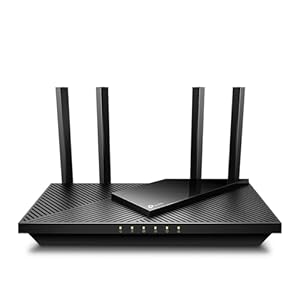
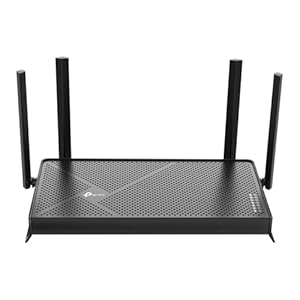
Yes. Frontier Fiber works with any router that has a standard Ethernet WAN port. Simply connect your router to the ONT Ethernet output. You do not need to rent Frontier's router. Many customers prefer third-party Wi-Fi 6 or 6E routers for better range and features.
Do I need to be home for the entire installation?
Yes. An adult (18+) must be present during the entire installation. The technician will need interior access for ONT mounting and router setup, and they'll need your input on equipment placement decisions.
What happens to my old internet service?
If you're switching from another provider, keep your old service active until Frontier Fiber is installed and working. Once confirmed, cancel your previous service and return their equipment to avoid continued billing.
Can I reschedule my installation appointment?
Yes. Frontier at or use the My Frontier app to reschedule. Try to reschedule at least 24 hours in advance to secure your preferred time slot.
Related guides: Frontier Fiber Overview | Equipment Return | Fix Slow Speeds | Billing Help
Making the Most of Your Internet Connection
Regardless of your provider or plan, several practices help maximize your internet experience. Position your router centrally in your home, elevated and away from walls and large appliances. Update your router firmware regularly, as manufacturers release performance and security improvements frequently.
For the best speeds, connect high-bandwidth devices directly to your router using ethernet cables. Wi-Fi is convenient but introduces latency and speed loss, particularly through walls and over longer distances. Modern mesh Wi-Fi systems can improve wireless coverage for larger homes.
Monitor your monthly data usage if your plan includes a data cap. Most providers offer usage tracking through their app or account portal. Setting up usage alerts at 75% and 90% thresholds prevents surprise overage charges or throttling.
Installation Tips Value Analysis
Evaluating Installation Tips's value requires looking beyond the monthly rate to understand the total cost of service. Equipment fees, installation charges, data overage costs, and price increases after promotional periods all factor into the real cost.
Monthly cost components: Your bill includes the plan rate plus any equipment rental fees ($10-15/month for modem and router). Some plans include equipment, while others charge separately. Taxes and regulatory fees typically add another $5-10/month depending on your location.
Promotional vs. regular pricing: Most Installation Tips promotional rates last 12-24 months before reverting to regular pricing. The increase can be significant — sometimes $20-40/month more. Factor the regular rate into your decision, especially if you plan to stay with the service long-term.
Hidden costs to watch for: Early termination fees on contract plans, professional installation charges, and data overage fees can add unexpected costs. Ask about all potential charges before committing to a plan.
How Installation Tips Compares
Comparing Installation Tips against alternatives at your address provides the context needed for an informed decision. Key comparison factors include price per Mbps, contract requirements, data limits, and customer satisfaction ratings.
In competitive markets, Installation Tips generally prices plans close to regional averages. The best value often comes from matching the right plan tier to your actual usage needs rather than defaulting to the cheapest or fastest option available.
Technology type significantly affects the comparison. If Installation Tips offers fiber at your address while competitors only provide cable, the reliability and symmetric speed advantages may justify a modest price premium. Conversely, if multiple fiber options are available, price and plan features become more important differentiators.
Disclosure: Some links on this page are affiliate links, meaning we may earn a commission if you sign up through them at no additional cost to you. Our recommendations are based on independent research and testing. We are committed to providing honest, unbiased information to help you make informed decisions about your internet service. Pricing and availability are subject to change.