Or call:
Why Upload Speed Is the Most Important Metric for Remote Work
When evaluating internet for work-from-home purposes, most people focus on download speed. But for remote workers, upload speed is equally or more important. Every video you make sends your video feed upstream. Every file you save to OneDrive, Google Drive, or Dropbox requires upload bandwidth. Every screen share in a meeting depends on your upload speed to deliver a clear, smooth image to your colleagues.
This is where Frontier Fiber's symmetrical speeds represent a fundamental advantage over cable internet. On a cable connection from Spectrum or Xfinity, you might have 300-500 Mbps download but only 10-35 Mbps upload. On Frontier Fiber, every plan delivers equal upload and download speeds. The Fiber 500 plan gives you 500 Mbps upload, which is 14 to 50 times more upload bandwidth than a typical cable plan.
Bandwidth Requirements for Common Work Tools
| Application | Download Required | Upload Required | Notes |
|---|---|---|---|
| Zoom (HD video) | 3.8 Mbps | 3.8 Mbps | Per participant in gallery view |
| Microsoft Teams (HD) | 4.0 Mbps | 4.0 Mbps | Higher for screen sharing + video |
| Google Meet (HD) | 3.2 Mbps | 3.2 Mbps | Per stream |
| VPN connection | Varies | Varies | VPN overhead reduces effective speed by 10-20% |
| Screen sharing | 1-5 Mbps | 1-5 Mbps | Depends on screen resolution and motion |
| Cloud file sync | Varies | 5-50+ Mbps | Large files benefit from faster upload |
Recommended Plan by Work Scenario
Single Remote Worker, Light Usage
If you work from home alone and your job involves email, web browsing, document editing, and occasional video calls, the Fiber 500 plan at approximately $50/mo is more than adequate. You could run a Zoom meeting, sync files to the cloud, and browse the web simultaneously without any slowdown. This plan has 50 times the upload bandwidth needed for a single HD video .
Single Remote Worker, Heavy Usage
If your work involves frequent large file uploads (graphic design, video editing, software development with large repositories), continuous screen sharing, or running resource-intensive cloud applications, the Fiber 500 plan still handles it. However, the Fiber 1 Gig plan at approximately $70/mo provides additional headroom that speeds up large transfers noticeably. Uploading a 5 GB design file takes about 80 seconds on the Fiber 500 plan versus about 40 seconds on the 1 Gig plan.
Two Remote Workers in One Household
When two people work from home simultaneously, especially if both attend video meetings at the same time, the Fiber 1 Gig plan is the recommended choice. Two simultaneous HD video calls with screen sharing use approximately 15-20 Mbps combined, which both Fiber 500 and 1 Gig handle easily. The 1 Gig plan provides additional headroom for background syncing, software updates, and other household internet use happening simultaneously.
Two Workers Plus Kids at Home
If both parents work remotely while children are streaming, gaming, or attending online classes, the Fiber 1 Gig plan is the minimum recommendation. For households with particularly heavy usage, the Fiber 2 Gig plan at approximately $100/mo ensures zero contention between work and entertainment traffic.
VPN Performance on Frontier Fiber
Many remote workers are required to connect to their employer's network through a VPN (Virtual Private Network). VPN connections add encryption overhead that typically reduces your effective speed by 10-20%. On a cable connection with 35 Mbps upload, VPN overhead can reduce your usable upload to 28-32 Mbps, which may not be enough for simultaneous video calls and file transfers.
On Frontier Fiber 500, even with 20% VPN overhead, you still have approximately 400 Mbps of usable upload bandwidth, more than enough for any work scenario. VPN connections on fiber also benefit from lower latency, making remote desktop sessions and cloud applications feel more responsive.
Setting Up Your Home Office Network
Wired Connection for Your Primary Work Computer
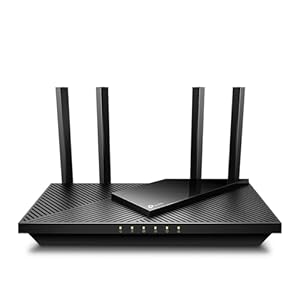
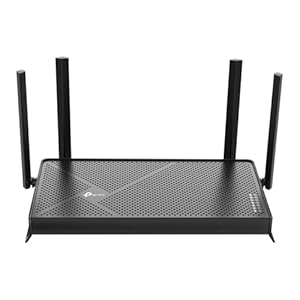
For the most reliable work-from-home experience, connect your primary work computer to the eero router via an Ethernet cable. This eliminates Wi-Fi variability and ensures consistent performance during important meetings and deadlines. A 25-50 foot Cat 6 cable costs under $15 and makes a significant difference in connection reliability.
Wi-Fi for Secondary Devices
Laptops, tablets, phones, and other secondary devices can use Wi-Fi. The included eero router provides solid coverage, and its mesh capability means you can add additional eero units to extend Wi-Fi to a home office in a distant room or upstairs loft. Visit the equipment guide for details on eero mesh setup.
QoS and Traffic Prioritization
The eero router supports basic traffic prioritization through its app. You can set your work computer as a priority device, ensuring it gets preference over streaming and gaming traffic when bandwidth is shared. This is particularly useful in multi-person households where work and entertainment compete for the same connection.
Frontier Fiber vs Cable for Remote Work
The difference between fiber and cable for remote work is most apparent in upload-dependent activities:
- Video quality: With 500 Mbps upload (fiber) vs 35 Mbps upload (cable), your outgoing video quality on fiber is not bottlenecked by upload speed. On cable, if another household member is uploading files simultaneously, your video quality may degrade.
- File upload speed: A 1 GB presentation uploads in 16 seconds on Fiber 500 vs nearly 4 minutes on a cable connection with 35 Mbps upload.
- Peak hour reliability: Cable internet can slow down during evening peak hours due to neighborhood congestion. Fiber maintains consistent speeds 24/7, critical for workers who occasionally need to join calls or complete tasks outside normal hours.
- Data caps: Some cable providers impose data caps that heavy work-from-home usage can approach. Frontier Fiber has no data caps, period.
For a detailed technology comparison, see our fiber vs cable guide.
Upgrade Your Work-from-Home Internet
Get symmetrical speeds starting at approximately $50/mo. No contracts, no data caps.
Check AvailabilityCall:
Work from Home on Frontier Fiber: FAQ
Is Frontier Fiber reliable enough for work-from-home?
Yes. Fiber connections are inherently more reliable than cable because they are not affected by electrical interference or neighborhood congestion. Frontier Fiber delivers consistent speeds throughout the day with minimal downtime, making it a dependable choice for remote work.
Which Frontier Fiber plan is best for Zoom calls?
The Fiber 500 plan is more than sufficient for Zoom calls. HD Zoom requires approximately 3.8 Mbps upload and download. Even with VPN overhead and other household usage, Fiber 500's 500 Mbps symmetrical speeds provide massive headroom for video conferencing.
Will a VPN slow down my Frontier Fiber connection?
VPN connections typically add 10-20% overhead due to encryption. On Frontier Fiber 500, this means approximately 400-450 Mbps effective speed through the VPN, still far more than enough for any work activity. The low latency of fiber also makes VPN connections feel more responsive than on cable.
Can I work from home and have my family stream at the same time?
Absolutely. Even the Fiber 500 plan has enough bandwidth for a video , multiple 4K streams, and gaming simultaneously. For households with two remote workers plus family streaming, the Fiber 1 Gig plan provides extra headroom.
Should I use wired or wireless for my work computer?
Wired Ethernet is recommended for your primary work computer. It provides the most consistent speed and lowest latency, which translates to smoother video calls and faster file transfers. A Cat 6 Ethernet cable from the eero router to your desk is the single best home office investment.
Work From Home Value Analysis
Evaluating Work From Home's value requires looking beyond the monthly rate to understand the total cost of service. Equipment fees, installation charges, data overage costs, and price increases after promotional periods all factor into the real cost.
Monthly cost components: Your bill includes the plan rate plus any equipment rental fees ($10-15/month for modem and router). Some plans include equipment, while others charge separately. Taxes and regulatory fees typically add another $5-10/month depending on your location.
Promotional vs. regular pricing: Most Work From Home promotional rates last 12-24 months before reverting to regular pricing. The increase can be significant — sometimes $20-40/month more. Factor the regular rate into your decision, especially if you plan to stay with the service long-term.
Hidden costs to watch for: Early termination fees on contract plans, professional installation charges, and data overage fees can add unexpected costs. Ask about all potential charges before committing to a plan.
Disclosure: InternetProviders.ai may earn compensation through affiliate links and phone referrals on this page. This does not influence our editorial recommendations. All pricing is approximate and subject to change. Bandwidth requirements for work applications are estimates based on vendor specifications and may vary. Verify current Frontier rates at frontier.com.