Quick Answer: Cox vs Mediacom
Cox Communications and Mediacom both deliver cable internet with speeds up to 1 Gbps, but they differ on pricing, data caps, and coverage areas. Cox starts at $50/mo for 25 Mbps with a 1.25 TB data cap across 18 states. Mediacom (Xtream) starts at $30/mo for 60 Mbps with tiered data caps (200 GB–6 TB) across 22 states, primarily in the Midwest and South. Mediacom wins on entry-level pricing; Cox wins on consistent data allowances and network reliability.
Cox vs Mediacom: Complete Internet Comparison (2026)
Choosing the right internet provider directly impacts your daily connectivity -- from streaming and gaming to remote work and smart home reliability. This guide compares Cox Communications and Mediacom across every factor that matters: speeds, pricing, data caps, contracts, equipment, installation, and coverage availability.
Side-by-Side Comparison: Cox vs Mediacom
| Feature | Cox Communications | Mediacom (Xtream) |
|---|---|---|
| Technology | Cable (DOCSIS 3.1), limited Fiber | Cable (DOCSIS 3.1) |
| Download Speeds | 25 Mbps – 1 Gbps | 60 Mbps – 1 Gbps |
| Upload Speeds | 3 – 35 Mbps | 5 – 50 Mbps |
| Starting Price | $50/mo | $30/mo |
| Data Caps | 1.25 TB (all plans except Gigablast) | 200 GB – 6 TB (tiered by plan) |
| Contracts | No contracts | No contracts |
| Equipment Fee | $14/mo gateway or BYOD | $13/mo gateway or BYOD |
| Coverage | 18 states | 22 states (Midwest/South focus) |
Our Verdict: Cox vs Mediacom (2026)
| # | Factor | Details |
|---|---|---|
| 1 | Entry-level pricing | Mediacom's 60 Mbps plan at $30/mo undercuts Cox's cheapest 25 Mbps plan at $50/mo by $20, making Mediacom the better value for budget-conscious households. |
| 2 | Data cap structure | Cox applies a uniform 1.25 TB cap across most plans -- generous for most users. Mediacom's lower tiers have restrictive caps starting at 200 GB, which moderate users can exhaust. Mediacom's gigabit plan, however, offers 6 TB. |
| 3 | Network reliability | Cox operates a larger, more established cable network with higher customer satisfaction scores for network uptime. Mediacom serves more rural-adjacent areas where infrastructure may be less robust. |
Cox Internet Plans & Pricing (2026)
Cox Communications delivers internet through its own hybrid fiber-coaxial (HFC) cable network using DOCSIS 3.1 technology. In limited markets, Cox also offers direct fiber-to-the-home (FTTH) connections. All plans come without contracts.
| Plan | Download Speed | Upload Speed | Monthly Price | Data Cap |
|---|---|---|---|---|
| Internet Starter 25 | 25 Mbps | 3 Mbps | $50/mo | 1.25 TB |
| Internet Essential 50 | 50 Mbps | 5 Mbps | $64/mo | 1.25 TB |
| Internet Preferred 250 | 250 Mbps | 10 Mbps | $84/mo | 1.25 TB |
| Internet Ultimate 500 | 500 Mbps | 10 Mbps | $100/mo | 1.25 TB |
| Gigablast | 1 Gbps | 35 Mbps | $110/mo | Unlimited |
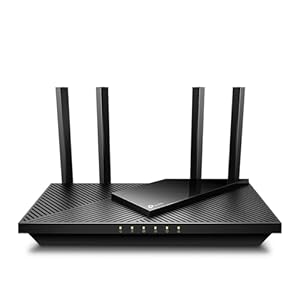
Cox's Panoramic WiFi gateway rents for $14/mo, or you can bring your own DOCSIS 3.1 compatible modem and router. The 1.25 TB data cap applies to all plans except Gigablast. Exceeding the cap costs $10 per additional 50 GB, up to $50 extra per month. Unlimited data on lower tiers costs an additional $50/mo.
Cox does not require contracts and offers self-install kits at no charge for most plans. Professional installation costs $75. Cox frequently offers promotional pricing for the first 12 months.
Mediacom (Xtream) Internet Plans & Pricing (2026)
Mediacom markets its internet service under the Xtream brand, delivering cable internet over a DOCSIS 3.1 network across 22 states, with a focus on Midwest and Southern communities. Mediacom serves many smaller cities and towns that larger cable providers like Comcast and Cox do not reach.
| Plan | Download Speed | Upload Speed | Monthly Price | Data Cap |
|---|---|---|---|---|
| Xtream Internet 60 | 60 Mbps | 5 Mbps | $30/mo | 200 GB |
| Xtream Internet 100 | 100 Mbps | 10 Mbps | $40/mo | 400 GB |
| Xtream Internet 200 | 200 Mbps | 15 Mbps | $50/mo | 1 TB |
| Xtream Internet 500 | 500 Mbps | 25 Mbps | $60/mo | 1.5 TB |
| Xtream Internet 1 Gig | 1 Gbps | 50 Mbps | $80/mo | 6 TB |
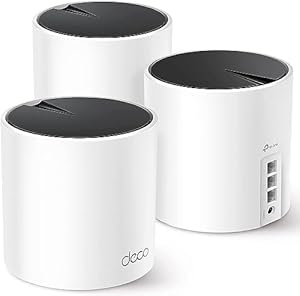
Mediacom's data caps scale with plan tier, from a restrictive 200 GB on the entry-level plan to a generous 6 TB on the gigabit tier. Exceeding the cap does not incur overage charges, but speeds may be throttled during periods of network congestion. Equipment rental costs $13/mo for Mediacom's gateway, or customers can use their own DOCSIS 3.1 compatible equipment.
Mediacom does not require contracts on residential plans. Professional installation is typically included with new service activation. Mediacom's coverage areas often overlap with DSL-only zones, making it the fastest wired option for many rural-adjacent communities in Iowa, Minnesota, Missouri, Georgia, and other Midwest and Southern states.
Technology and Network Quality
Both Cox and Mediacom operate DOCSIS 3.1 cable networks, which means the underlying technology is identical. The difference lies in network investment, maintenance, and the demographics of areas served. Cox operates in larger suburban and urban markets where cable infrastructure receives consistent investment. Mediacom focuses on smaller cities and towns -- communities with 10,000 to 100,000 residents where the cable plant may be older and less redundant.
In practice, this means Cox cable tends to deliver more consistent speeds, particularly during peak evening hours when network congestion increases. Mediacom's networks in smaller markets may experience more congestion relative to capacity, though the company has invested significantly in network upgrades under its Xtream brand refresh.
Both providers support DOCSIS 3.1 technology, enabling gigabit download speeds over the same coaxial cable that delivers lower-tier plans. Upload speeds remain a limitation for both -- cable technology inherently allocates more bandwidth to downloads than uploads.
Contracts, Data Caps, and Hidden Fees
Neither Cox nor Mediacom requires annual contracts, and both allow cancellation at any time without early termination fees. However, data cap policies differ significantly.
Cox applies a uniform 1.25 TB cap across all plans except Gigablast (which includes unlimited data). This straightforward approach means customers always know their allowance regardless of plan tier. Exceeding the cap costs $10 per 50 GB, up to $50/mo maximum. Unlimited data can be added for $50/mo.
Mediacom uses tiered data caps that scale with plan speed: 200 GB for the 60 Mbps plan, 400 GB for 100 Mbps, 1 TB for 200 Mbps, 1.5 TB for 500 Mbps, and 6 TB for gigabit. The 200 GB entry-level cap is notably restrictive -- a single 4K Netflix stream consumes about 7 GB per hour, meaning a household could exhaust 200 GB in under 30 hours of 4K viewing. Mediacom does not charge overage fees but may throttle speeds or move heavy users to a higher plan tier.
Coverage Areas and Availability
Cox and Mediacom rarely compete head-to-head in the same markets. Cox serves larger suburban areas in states including Arizona, Virginia, Louisiana, Oklahoma, Connecticut, Rhode Island, Georgia, and Nevada. Mediacom serves smaller cities and towns across 22 states including Iowa, Minnesota, Missouri, Illinois, Georgia, and Mississippi.
In some states like Georgia, both providers may be present but typically in different communities -- Cox in the Atlanta suburbs and Mediacom in smaller cities elsewhere. To determine which is available, check each provider's availability tool using your specific street address.
Frequently Asked Questions: Cox vs Mediacom
Is Cox or Mediacom cheaper?
Mediacom is cheaper at every comparable speed tier. Mediacom's 60 Mbps plan starts at $30/mo vs Cox's 25 Mbps at $50/mo. At the gigabit level, Mediacom charges $80/mo vs Cox's $110/mo -- a $30/mo savings.
Do Cox and Mediacom have data caps?
Both providers impose data caps. Cox has a uniform 1.25 TB cap on all plans except Gigablast. Mediacom uses tiered caps from 200 GB to 6 TB depending on plan speed. Cox's approach is simpler; Mediacom's entry-level caps are more restrictive.
Can I get both Cox and Mediacom at my address?
Cox and Mediacom rarely overlap in coverage. Cox serves primarily suburban areas in states like Arizona, Virginia, and Louisiana. Mediacom serves smaller cities in Iowa, Minnesota, Georgia, and other Midwest/Southern states. Check availability at your specific address on each provider's website.
Which has better upload speeds -- Cox or Mediacom?
Mediacom offers slightly better upload speeds at the top tier: 50 Mbps on the 1 Gig plan vs Cox's 35 Mbps on Gigablast. For lower tiers, both providers offer comparable cable upload speeds in the 3–15 Mbps range.
Does Cox or Mediacom require a contract?
Neither provider requires a contract on residential internet plans. Both offer month-to-month service, allowing you to cancel at any time without early termination fees.
Sources & Methodology
Plan details, pricing, and speeds are sourced directly from each provider's official website as of March 2026. Speed claims represent advertised maximums under ideal conditions; actual speeds vary by location, network congestion, and equipment. Pricing shown is the regular monthly rate before taxes and fees unless otherwise noted. Coverage claims are based on provider-reported service areas. For our complete research methodology, see our methodology page.
Sources
This comparison references data from FCC Broadband Map, Cox, Mediacom, and the U.S. Census Bureau. Pricing and availability are subject to change.