

Cox logo
Cox
vs
Starlink logo
Starlink

Cox or Starlink? Here's how they compare

By Pablo Mendoza, Lead Analyst|Updated July 2026

Cox and Starlink are two of the most searched internet providers in the United States. Below, we compare their plans, pricing, speeds, coverage, and customer satisfaction to help you choose the best option for your home internet needs.

Ready to order?

Order online in a few minutes, or call to confirm pricing and availability at your address first.

Affiliate disclosure: We may earn a commission when you order through links on this page. Pricing, speeds, and availability vary by address and are subject to change; verify current terms with the provider before ordering.

Check availability at your address

See which of these providers — and others — actually serve your exact address, with real speeds and pricing from FCC broadband data.

Cox vs Starlink: Key Findings

  • Cox is faster (2 Gbps vs 400+ Mbps)
  • Both start at $55/mo
  • Technology: Cox uses Cable, Starlink uses Satellite
  • Contracts: Cox — no contract; Starlink — no contract
  • Data caps: Cox — 1.25 TB; Starlink — Unlimited (Residential)

Cox vs Starlink: Side-by-Side

Cox vs Starlink comparison table
FeatureCoxStarlink
Starting Price$55/moPrice verified August 2026$55/moPrice verified August 2026
Max Download Speed2 Gbps400+ Mbps
Data Cap1.25 TBUnlimited (Residential)
Contract RequiredNoNo
TechnologyCableSatellite

Cox Communications is a regional cable and fiber internet provider serving 18 states, offering speeds up to 2 Gbps with Panoramic Wi-Fi equipment. Starlink, operated by SpaceX, is a low-Earth orbit satellite internet service available across all 50 U.S. states, designed primarily for rural and underserved areas.

Cox vs Starlink: Side-by-Side Comparison
FeatureCoxStarlink
Max Speed2 Gbps400+ Mbps
Starting Price$55/moPrice verified August 2026$55/moPrice verified August 2026
TechnologyCable (DOCSIS 3.1), FiberLow-Earth Orbit Satellite
ContractsNoNo
Data CapsYesNo

Cox vs Starlink: Provider Details

Cox and Starlink provider details side-by-side
DetailCoxStarlink
Primary TechnologyCable (DOCSIS 3.1), FiberLow-Earth Orbit Satellite
Top Speed (Down/Up)2 Gbps down / 1 Gbps up400+ Mbps down / 40 Mbps up
Starting Price$55/mo$55/mo
CoverageRegional — 18 statesNational — 50 states
ContractNo contractNo contract
Data Caps1.25 TBUnlimited (Residential)
HeadquartersAtlanta, GeorgiaHawthorne, California
Notable FeaturesPanoramic Wi-Fi • Cox Mobile • Smart home integrationAvailable virtually anywhere • Self-install kit • Low latency for satellite

Cox Service & Install

Customer service: Mon-Fri 8AM-8PM, Sat 9AM-6PM local time; 24/7 technical support; Cox app for billing & service management

Installation: Professional installation around $75 (waived on select plans); verify current rates with Cox. Self-install available for existing Cox locations. Panoramic Wi-Fi gateway rental around $14/mo per Cox's current terms. Fiber installation available in select areas with free professional setup; pricing/availability vary, subject to change.

Starlink Service & Install

Customer service: Support via Starlink app and online portal only — no phone support; typical response within 24 hours; community forums available

Installation: Complete self-install kit ($349) shipped to your door. Mount dish with clear sky view (roof, pole, or ground). Starlink app guides setup and alignment (20-30 minutes). Professional installation now available in select areas; third-party installers also available.

Plans Compared: Cox vs Starlink

Verified monthly pricing and typical download speeds for each provider's residential plans, sourced from FCC broadband label filings where available and otherwise from the provider's published plan pricing. Promotional and address-specific pricing may vary.

Cox plans

Cox internet plans and pricing
PlanSpeedPrice
Go Fast Internet117 Mbps$50/mo
100 Mbps Go Fast Internet117 Mbps$50/mo
Go Faster Internet293 Mbps$70/mo
Go Faster 250292 Mbps$70/mo
250 Mbps Go Faster Internet292 Mbps$70/mo
Go Even Faster Internet586 Mbps$90/mo
See all Cox plans & pricing

Starlink plans

Starlink internet plans and pricing
PlanSpeedPrice
Residential 100100 Mbps$55/mo
Residential 200200 Mbps$85/mo
Residential Max400 Mbps$130/mo
See all Starlink plans & pricing

Cox vs Starlink: Where Cox cable is available, it is the better everyday internet — faster top speeds, lower latency, and a lower base price. Starlink wins on two things Cox cannot match: it reaches rural addresses Cox never wired, and it never charges data overages. Pick Cox for value in its footprint; pick Starlink for reach and truly worry-free data.

Introduction: cable versus satellite, decided by your address

Cox is a regional cable operator serving roughly 18 states across the Southwest, Southeast, and parts of the Midwest. Starlink is SpaceX’s low-earth-orbit satellite service that works almost anywhere with a clear view of the sky. So the first question is not “which is better?” but “which can I actually get?” — and for a lot of the rural customers who search this comparison, Cox is not on the menu.

Where both are options, the decision comes down to the trade-offs that show up on your bill and in your daily use: Cox’s faster speeds and lower price against its 1.25 TB data cap and patchy customer-service reputation, versus Starlink’s higher cost and satellite quirks against its unmatched reach and unlimited-feeling data. We re-verified every price and policy below in July 2026. Rates change often and vary by market, so confirm the current offer at your address before committing.

Quick comparison table

FeatureCoxStarlink
TechnologyCable (coaxial)Low-earth-orbit satellite
Starting price~$50/mo (Go Fast)$55/mo (100 Mbps)
Top residential speedUp to 2 GbpsUp to 400+ Mbps (Max plan)
Typical latency15–30 ms25–60 ms
Data cap1.25 TB, then overage feesUnlimited standard data, no overage
ContractSome plans require oneNone
EquipmentPanoramic WiFi ~$14/moBuy kit (~$349–$499) or rent $10/mo
Availability~18 states, wired footprint onlyNear-nationwide with clear sky view
Best forHomes in Cox’s cable areasRural, off-grid, RV, and backup use

Pricing verified July 2026. Cox entry pricing varies by market and plan; higher tiers run ~$80 (500 Mbps) to ~$150 (2 Gbps). Starlink pricing changed June 18, 2026 and varies by region. Verify current rates at your address.

Is Starlink better than Cox?

For most homes inside Cox’s coverage area, no — Cox is the better all-around choice, with higher top speeds (up to 2 Gbps), lower latency, and a comparable or lower starting price. Starlink becomes the better option when Cox is not available at your address, when you want to escape Cox’s 1.25 TB data cap and overage fees, or when you need internet that travels with you. Availability and data habits usually decide this one.

Speed and latency

Cox has the higher ceiling by a wide margin. Its lineup runs from the entry “Go Fast” tier up through 500 Mbps, Gigablast (1 Gbps), and a 2 Gbps plan, and cable holds those speeds well most of the day. As with all cable, uploads are modest — typically 10–35 Mbps — which matters if you back up large files or push a lot of video upstream.

Starlink’s residential tiers deliver 100, 200, or 400+ Mbps down with 20–50 Mbps up, and most users land somewhere in the 50–250 Mbps range depending on plan and congestion. Its headline strength is latency: 25–60 ms, low enough for smooth video calls and casual gaming and light-years better than the 600+ ms of old geostationary satellite. Cox still wins on latency and steadiness — a cable line does not fluctuate when a satellite cell fills up at 8 p.m. If gaming is a priority, our guide on what to expect gaming over a satellite connection digs into the details.

Pricing and the data-cap math

On sticker price, the two are surprisingly close at the low end: Cox’s entry plan runs about $50/mo and Starlink’s 100 Mbps plan is $55/mo. The gap opens once you factor in the extras. Cox adds roughly $14/mo for its Panoramic WiFi gateway, may require a contract on promotional rates, and — the big one — caps data at 1.25 TB per month. Blow past that and Cox bills $10 per additional 50 GB, or you can pre-buy unlimited data for about $49.99/mo, which effectively pushes a mid-tier Cox plan well above $100.

Starlink’s plans are $55, $85, and $130/mo, each up about $5–10 since the June 18, 2026 price change, plus the Standard hardware kit (recently around $349–$499, with frequent promotions and regional variation) or a $10/mo rental. It costs more up front, but there is no data cap and no overage anxiety. For a heavy-streaming, work-from-home household that would routinely trip Cox’s cap, Starlink’s all-you-can-eat data narrows the real-world price gap considerably.

Data caps and unlimited data

This is Starlink’s clearest win. Cox enforces a 1.25 TB (1,280 GB) monthly cap on most plans, with $10-per-50 GB overages unless you pay for an unlimited add-on. That is enough for typical use, but 4K streaming across several TVs, cloud backups, and big game downloads can add up fast. Starlink’s residential plans include unlimited standard data with no hard cutoff and no overage fee; the only asterisk is possible deprioritization during peak evening hours in congested areas after a large priority allotment. If your household consistently pushes past a terabyte, Starlink removes a real monthly headache.

The 1.25 TB math: when Cox’s cap actually costs you

It is worth running real numbers, because the data cap is where a cheap-looking Cox plan can quietly get expensive. A single 4K stream burns roughly 7 GB per hour, so a household with two TVs running 4K a few hours a night, plus cloud photo backups, game downloads, and a couple of remote workers on video calls, can realistically push 1.5–2 TB in a busy month. On Cox, the first 1.25 TB is included; after that you pay $10 per additional 50 GB. Go 500 GB over and that is ten increments — an extra $100 on top of your plan. To avoid the roulette, Cox sells an unlimited add-on for about $49.99/mo, which turns an $80 mid-tier plan into roughly $130.

Now put that beside Starlink. Its residential plans include unlimited standard data with no overage line item at all, so the household above pays the same $85 in a 2 TB month as in a 500 GB month. That predictability is the hidden value in Starlink’s pricing: you are not metering the kids’ streaming or scheduling a big download for a specific week. For a light user who never approaches a terabyte, Cox’s cap is a non-issue and its lower base price wins. For a heavy household, factor Cox’s realistic all-in cost — plan plus likely unlimited add-on — against Starlink’s flat rate before deciding.

Bundling and TV considerations

One thing Starlink simply does not do is bundle. Cox can package internet with TV, phone, and mobile service, and if you want a traditional cable-TV lineup or a home-phone line, that one-bill convenience and any bundle discount are only available on the Cox side. The caveat is that cable-TV bundles come with their own broadcast and regional-sports fees that inflate the advertised price, and many households now find streaming services a better value than a TV package. Starlink is internet-only by design, which keeps the bill simple but means you will pair it with your own streaming apps. If a bundled TV-and-internet package is genuinely what you want, that is a point for Cox; if you have already cut the cord, it is a wash.

Before you commit either way, take two minutes to check your actual monthly data use — most routers and both providers’ apps report it. If you are consistently under a terabyte, treat Cox’s cap as a non-factor and let base price and speed decide. If you are routinely over it, price Cox with the unlimited add-on baked in, because that is the honest number you will pay, and it is the figure that makes Starlink’s flat-rate data look competitive despite its higher sticker.

Contracts, equipment, and installation

Starlink is contract-free across the board; Cox offers month-to-month options but often ties its best promotional pricing to a term agreement with an early-termination fee. On hardware, Cox rents you a Panoramic WiFi gateway (about $14/mo) or lets you bring your own modem, and installation can be self-serve or a technician visit. Starlink is a genuine self-install — mount the dish with a clear sky view, plug in the router, and it aligns itself, usually within an hour. Just check the Starlink app’s obstruction tool first, since trees and rooflines can undercut performance.

Coverage and availability

Cox’s network covers metro and suburban areas across about 18 states, concentrated in places like Arizona, Nevada, Southern California, Virginia, and Louisiana — but only where its cable plant reaches. Starlink covers nearly the entire country from orbit, which is why it dominates the rural conversation. If you want to see how it compares with the other dish-based providers rather than cable, our roundup of every satellite provider we’ve reviewed lines Starlink up against Viasat and HughesNet, and you can also read our Starlink vs Viasat breakdown.

Reliability and customer service

Two things separate these providers day to day beyond the spec sheet. First, reliability: Cox’s cable is weather-proof and steady, with its main risks being local peak-hour congestion or a physical line outage, while Starlink can dip briefly during heavy storms or when a satellite cell fills up in the evening. Second, support: Cox offers traditional phone, chat, and in-store support but has a mixed customer-satisfaction reputation, with billing and price-increase complaints common among cable operators. Starlink handles support almost entirely through its app, which is efficient for setup and diagnostics but frustrating if you prefer a phone . Neither is a standout on service, so weigh which style of support and which reliability profile fits your situation.

Who each provider is really for

Cox is the natural choice for a typical suburban household inside its footprint that wants fast, cheap, reliable internet and does not routinely blow past a terabyte of data. Starlink is the natural choice for a rural or semi-rural household that either cannot get Cox at all or is tired of data caps and overage fees. There is also a growing middle group: people who keep a cheaper Cox plan as their primary line and add Starlink as a resilient backup, since neither requires a contract. Because both offer trials or no-penalty cancellation, testing your real-world experience before committing is low-risk.

Bottom line: which should you choose?

Choose Cox if:

  • Cox cable is available at your address
  • You want the highest speeds, up to 2 Gbps, at a lower base price
  • Your monthly data use comfortably stays under 1.25 TB — or you will add unlimited data
  • Low, consistent latency for gaming and video calls is a priority

Choose Starlink if:

  • Cox does not reach your address, and your alternatives are DSL or nothing
  • You want unlimited data with no caps or overage fees
  • You live rural or off-grid, travel, or need a portable connection
  • You want a no-contract backup line that survives local wired outages

Final verdict: Check Cox availability first. If it is serviceable and your data use is moderate, Cox is the better value with more speed for the money. If Cox is unavailable, or if your household routinely blows past a terabyte and hates surprise fees, Starlink is the stronger and more predictable choice. For more context, compare Spectrum vs Starlink or read our full Starlink review.

Frequently Asked Questions

Is Starlink better than Cox?

In Cox’s coverage area, Cox is usually better — it offers higher top speeds (up to 2 Gbps), lower latency, and a competitive starting price. Starlink is the better choice where Cox is unavailable, where you want to avoid Cox’s 1.25 TB data cap, or when you need a portable, no-contract connection.

Is Starlink faster than Cox?

No. Cox’s cable plans reach up to 2 Gbps, while Starlink’s fastest residential plan tops out around 400+ Mbps. Starlink is much faster than legacy satellite, but Cox’s cable delivers higher and more consistent speeds where it is available.

Does Cox or Starlink have a data cap?

Cox caps most plans at 1.25 TB per month and charges $10 per additional 50 GB, or about $49.99/mo for unlimited. Starlink includes unlimited standard data with no hard cap and no overage fees, making it the better pick for very heavy data users.

Which is cheaper, Cox or Starlink?

At the entry level they are close — roughly $50/mo for Cox’s starter plan versus $55/mo for Starlink’s 100 Mbps plan. Cox is generally cheaper overall, but add-ons like Panoramic WiFi (~$14/mo) and unlimited data can close the gap. Starlink also has an upfront hardware cost of about $349–$499, or a $10/mo rental.

Can I use Starlink where Cox is not available?

Yes — that is Starlink’s core strength. As long as you have a clear view of the sky, Starlink works at nearly any address in the country, including rural and remote areas Cox’s cable network never reached.

Do Cox or Starlink require a contract?

Starlink never requires a contract. Cox offers month-to-month plans, but its lowest promotional prices often come with a term agreement and an early-termination fee, so read the offer details before signing up.

Advertising Disclosure: InternetProviders.ai is an independent review and comparison service supported by advertising. We may receive compensation when you click on provider links or phone numbers listed on this page. This compensation can influence where providers appear on our site but does not affect our editorial opinions, reviews, or comparison analysis. Provider offers and availability are subject to change without notice.

About the author: This comparison was researched and written by George Olfson and the InternetProviders.ai editorial team, who track pricing, coverage, and real-world performance across hundreds of U.S. internet providers.

Methodology: We evaluate providers on price after promotions end, real-world speed and latency, data policies, contract terms, equipment costs, and coverage. Figures are verified against provider websites and FCC broadband data. Pricing verified July 2026; Starlink figures reflect the June 18, 2026 residential price change. Last updated: July 22, 2026.

Sources

Data referenced from Cox, Starlink, HighSpeedInternet.com, and the FCC Broadband Map. Pricing and availability are subject to change.

Market context

Cox and Starlink increasingly serve different customers rather than competing head to head. Cox concentrates on metro and suburban addresses within its 18-state footprint, while Starlink has become the default for rural households beyond the reach of cable. Cox’s 1.25 TB data cap is a growing point of friction as household data use climbs, and it is one reason data-hungry users weigh Starlink’s uncapped plans even at a higher price. SpaceX’s 2026 V3 satellite rollout should ease the evening congestion that is Starlink’s main disadvantage against wired cable.

Check availability at your address

See which of these providers — and others — actually serve your exact address, with real speeds and pricing from FCC broadband data.

Need Equipment?

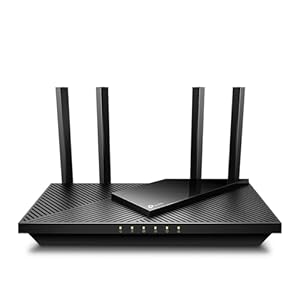
TP-Link AX1800 WiFi 6 Router
#1 Best Seller
TP-Link AX1800 WiFi 6 RouterEditor’s pick

Budget pick for homes under 1,500 sq ft

TP-Link Deco X55 Mesh System (3-Pack)
Best Seller
TP-Link Deco X55 Mesh System (3-Pack)Editor’s pick

Whole-home WiFi coverage up to 6,500 sq ft

As an Amazon Associate, InternetProviders.ai earns from qualifying purchases. Prices and availability change frequently and are shown on Amazon.

Check Cox Availability

See plans and pricing at your address

Check Starlink Availability

See plans and pricing at your address

Sources & Methodology

This Cox vs Starlink comparison uses pricing, speed, and coverage data from FCC Broadband Data Collection filings, provider-published broadband nutrition labels, and Ookla speed test measurements. Plans and pricing are verified against each provider's current public offerings. Pricing, speeds, and availability are verified against provider broadband nutrition labels and may vary by location. For a detailed explanation of our data collection and scoring process, see our methodology page.

How We Score Providers

Our analysts rate every provider on a composite 1–5 scale using five weighted criteria, applied consistently across all reviews and comparisons:

  • Price (30%) — advertised plan pricing verified monthly against each provider's broadband nutrition labels.
  • Speed (25%) — advertised tiers cross-checked with third-party real-world speed test data.
  • Reliability (20%) — technology type, uptime signals, and FCC complaint data.
  • Coverage (15%) — FCC Broadband Data Collection availability records.
  • Customer Service (10%) — published satisfaction indices and verified support channels.

Last verified: July 2026. InternetProviders.ai is an independent resource. We may earn commissions from partner links — this does not affect our editorial recommendations. See our methodology for details.