
Quick Answer: Starlink vs Xfinity
Editor’s note (October 6, 2026): Starlink restructured its residential plans effective June 18, 2026 (our Starlink plan data was last verified July 22, 2026). From the comparison article below, we removed its Starlink pricing, cost and value comparisons. We also removed Starlink plan names, data allowances and speed figures from before that change, statements about Starlink’s installation that conflict with our provider data, and unsourced review ratings. Check Starlink availability at your address.
Learn more about Xfinity review and see what they offer in your area.
Starlink vs Xfinity: Side-by-Side (2026)
Starlink, operated by SpaceX, is a low-Earth orbit satellite internet service available across all 50 U.S. states, designed primarily for rural and underserved areas.
Use our compare all internet providers tool to see how top ISPs stack up side by side.
Xfinity, the consumer brand of Comcast, is the largest cable internet provider in the U.S., offering speeds up to 2 Gbps across 40 states with optional TV and phone bundles.
| Feature | Starlink | Xfinity |
|---|---|---|
| Technology | Low-Earth Orbit Satellite | Cable (DOCSIS 3.1), Fiber |
| Data Caps | No | Yes |
| Annual Contracts | No | No |
| States Served | 50 | 40 |
Xfinity plan tiers: Connect (75 Mbps), Connect More (200 Mbps), Fast (400 Mbps), Superfast (800 Mbps), Gigabit (1 Gbps), Gigabit Extra (2 Gbps).
Advertised speeds are theoretical maximums. Real-world throughput depends on network congestion, equipment quality, and infrastructure distance. Check FCC Broadband Facts labels for each plan before signing up.
Technology: Low-Earth Orbit Satellite vs Cable (DOCSIS 3.1), Fiber
Starlink delivers internet via Low-Earth Orbit Satellite infrastructure. Xfinity uses Cable (DOCSIS 3.1), Fiber technology. The difference in underlying technology directly impacts speed consistency, upload performance, and latency.
Availability: Where Can You Get Each Provider?
Starlink (national coverage) serves customers in 50 U.S. states. Xfinity (national coverage) is available in 40 states. Service area within a state varies by address — always verify availability at your specific location before ordering.
Starlink standout features: Available virtually anywhere, Self-install kit, Low latency for satellite.
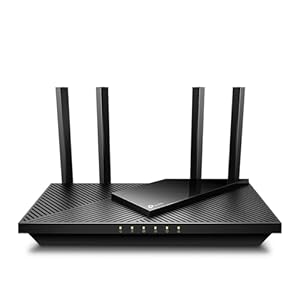
Xfinity standout features: xFi Gateway router, Peacock included, Xfinity Flex streaming.
Installation & Customer Service
Starlink support: Support via Starlink app and online portal only — no phone support; typical response within 24 hours; community forums available
Xfinity support: 24/7 customer support by phone and chat; Xfinity stores open Mon-Sat 10AM-8PM, Sun 12-5PM; Xfinity app for self-service
Our Verdict: Starlink vs Xfinity (2026)
We removed the verdict that stood here, along with the other content the editor’s note above describes. Which provider fits depends on what serves your address and the speeds your household needs.
Learn more about Starlink review and see what they offer in your area.
Check Availability in Your Area
Availability varies by address. Use our tools to find which providers serve your location:
Frequently Asked Questions
Which provider is better for streaming?
Starlink is better for heavy streaming because it has no data caps. Xfinity enforces data limits that 4K streaming households (using 50-80 GB/week) could hit. Both providers offer enough speed for 4K streaming.
Is Starlink or Xfinity faster?
Compare maximum download speeds: Starlink and Xfinity offer different speed tiers depending on your location. Check the plan comparison table above for specific speeds. For most households, any plan over 300 Mbps handles streaming, gaming, and video calls without issues.
Technology Deep Dive: Low-Earth Orbit Satellite vs Cable (DOCSIS 3.1), Fiber
Understanding the underlying network technology helps explain why these two providers perform differently in speed, latency, and reliability tests.
Fiber-optic connections deliver data as light pulses through glass strands, providing the lowest latency (typically 1-5 ms) and symmetric upload/download speeds. Fiber is immune to electromagnetic interference and signal degradation over distance, making it the gold standard for residential internet.
Cable internet uses DOCSIS 3.1 technology over existing coaxial TV lines. While cable delivers strong download speeds (up to 2 Gbps), upload speeds are asymmetric and significantly slower. Cable connections share bandwidth with neighbors, which can lead to slowdowns during peak evening hours in densely populated areas.
Satellite internet beams data between orbiting satellites and a dish at your home. Traditional geostationary satellite (HughesNet, Viasat) operates at 22,000+ miles altitude, creating 600+ ms latency. Low-Earth Orbit satellite (Starlink) orbits at 340 miles, reducing latency to 20-40 ms but still weather-dependent.
Starlink delivers service over Low-Earth Orbit Satellite, while Xfinity uses Cable (DOCSIS 3.1), Fiber. This difference directly impacts upload speeds, latency during gaming/video calls, and how well your connection holds up during peak usage hours.
Who Should Choose Starlink vs Xfinity?
Choose Starlink If You:
- Available virtually everywhere
- Low latency for satellite (20-40 ms)
- No contracts
- Portable option
- Want a provider using Low-Earth Orbit Satellite technology
- Need service in one of the 50 states Starlink covers
Choose Xfinity If You:
- Widest coverage in the U.S.
- Speeds up to 2 Gbps
- Many plan tiers
- Bundling with TV/mobile
- Prefer Cable (DOCSIS 3.1), Fiber technology for your household
- Live in one of the 40 states Xfinity serves
The Bottom Line: Starlink vs Xfinity
Both Starlink and Xfinity serve millions of customers, but they cater to different priorities. Starlink (Low-Earth Orbit Satellite) is best for households that value available virtually everywhere and low latency for satellite (20-40 ms). Xfinity (Cable (DOCSIS 3.1), Fiber) is the better pick if you need widest coverage in the u.s. and speeds up to 2 gbps.
Find the Best Internet Provider at Your Address
Check availability by ZIP code to see real-time pricing and plans at your specific address.
You can also browse all provider comparisons or read our guide to choosing an internet provider for expert recommendations based on your household's needs.
Related Comparisons & Resources
- Starlink Review & Plans (2026)
- Xfinity Review & Plans (2026)
- Compare All Internet Providers
- How to Choose an Internet Provider
- 2026 Broadband Access Report
- Internet Speed Guide: How Much Do You Need?
- Our Review Methodology
- Search Internet Providers by ZIP Code
- AT&T vs Spectrum Comparison
- Xfinity vs Verizon Fios Comparison
Sources
This comparison references data from FCC Broadband Map, Starlink, Xfinity, and the U.S. Census Bureau. Pricing and availability are subject to change.