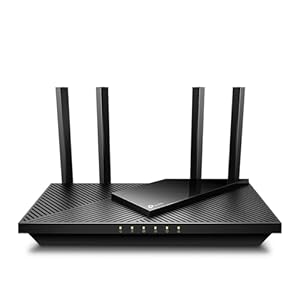
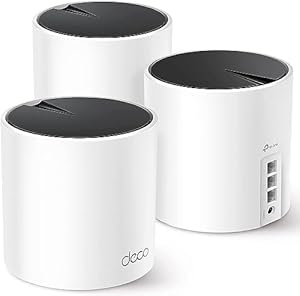
Cox vs Viasat: Cox provides the best overall package with cable and fiber starting at $50/month, while Viasat satellite plans begin at $70/month. These two providers serve fundamentally different situations — Cox delivers fast, reliable wired internet in urban and suburban areas, while Viasat provides satellite coverage in locations where no wired option reaches. The only scenario where you would compare these is if you live on the edge of Cox's coverage area.
Choosing the right internet provider is one of the most important household decisions you will make. A fast, reliable connection powers everything from remote work and online education to streaming entertainment and smart home devices. In this comprehensive comparison, we put Cox Communications and Viasat Satellite Internet head to head across every factor that matters: speed, pricing, technology, coverage, customer satisfaction, and overall value.
This is a comparison of wired cable versus satellite for fringe coverage areas. Cox and Viasat serve fundamentally different situations. Cox provides fast, reliable cable internet in urban and suburban areas across 18 states. Viasat delivers satellite internet to locations where no wired option reaches, covering the entire continental United States. The only scenario where you would directly compare these two providers is if you live on the edge of Cox's service territory and need to decide between a potentially marginal cable connection and a guaranteed satellite connection.
Want to check Cox availability? to speak with a representative and explore current promotions.
Interested in Viasat plans? to check availability at your address.
Company Overview
Cox Communications
Cox Communications is the third-largest cable provider in the United States, serving approximately 6.5 million customers across 18 states. Founded in 1962, Cox operates as a subsidiary of Cox Enterprises and remains privately held, which allows the company to make long-term infrastructure investments without quarterly earnings pressure from public shareholders.
Cox provides internet over DOCSIS 3.1 cable technology and is actively deploying fiber-to-the-home (FTTH) in select markets. Plans range from 100 Mbps to 2 Gbps with a 1.25 TB monthly data cap on most plans. An unlimited data add-on is available for $50/mo or included with the Ultimate and Gigablast tiers in some markets.
Coverage: 18 states, primarily Arizona, Virginia, Louisiana, Oklahoma, Rhode Island, and parts of several other states
Technology: Cable (DOCSIS 3.1), Fiber (select markets)
Starting Price: $49.99–$149.99/mo
Max Speed: Up to 2 Gbps (fiber markets)
Contract: No contracts on most plans
Viasat
Viasat Inc. is a satellite internet provider that has been delivering broadband via geostationary satellites since 2012. The company's current network relies on the ViaSat-2 satellite and the newer ViaSat-3 constellation, which began entering service in 2024 and has significantly increased capacity and coverage.
Viasat serves customers across the entire United States, including Alaska and Hawaii, making it one of the few providers available to virtually every American household regardless of location. Plans range from 25 Mbps to 150 Mbps with data priority thresholds that vary by plan.
Coverage: All 50 states (satellite)
Technology: Geostationary Satellite (Ka-band)
Starting Price: $69.99–$299.99/mo
Max Speed: Up to 150 Mbps
Contract: 2-year contract on most plans
Data and methodology details are available on our research methodology page. Speeds, prices, and availability are verified against provider websites and FCC broadband data as of 2026.
Sources
This comparison references data from FCC Broadband Map, Cox, Viasat, and the U.S. Census Bureau. Pricing and availability are subject to change.
Market Context
The broadband market concentration in areas served by both Cox and Viasat varies significantly. According to FCC broadband deployment data, median household income and population density are key factors in determining which provider offers better value. The BEAD (Broadband Equity, Access, and Deployment) program may expand options in underserved areas where neither provider currently has strong coverage.
Speed Comparison: Cox vs Viasat
| Provider | Plan | Download Speed | Upload Speed | Monthly Price |
|---|---|---|---|---|
| Cox | Internet Essential 50 | 50 Mbps | 3 Mbps | $49.99/mo |
| Cox | Internet Preferred 150 | 250 Mbps | 10 Mbps | $69.99/mo |
| Cox | Internet Ultimate 500 | 500 Mbps | 10 Mbps | $89.99/mo |
| Cox | Gigablast | 1 Gbps | 35 Mbps | $109.99/mo |
| Viasat | Unleashed 25 | 25 Mbps | 3 Mbps | $69.99/mo |
| Viasat | Unleashed 50 | 50 Mbps | 3 Mbps | $99.99/mo |
| Viasat | Unleashed 100 | 100 Mbps | 5 Mbps | $149.99/mo |
| Viasat | Unleashed 150 | 150 Mbps | 5 Mbps | $299.99/mo |
Cox holds a decisive speed advantage. Its cable infrastructure delivers consistent speeds that match or exceed advertised rates for most customers. Cox's Gigablast plan at 1 Gbps is roughly seven times faster than Viasat's top plan, and Cox's entry-level 50 Mbps plan matches Viasat's second-tier offering at a significantly lower price.
Viasat's speeds are respectable for satellite internet and represent a major improvement over legacy satellite providers. The ViaSat-3 constellation has boosted both capacity and consistency. However, satellite internet remains subject to atmospheric interference, and real-world speeds during peak hours often fall below advertised maximums. Independent testing shows that Viasat customers typically receive 60–80% of their plan's advertised download speed during peak evening hours.
Upload Speed Differences
Upload speeds are a significant differentiator. Cox offers 3–35 Mbps upload speeds depending on plan, while Viasat caps upload speeds at 3–5 Mbps across all tiers. For video conferencing, cloud storage synchronization, and uploading large files, Cox's higher upload speeds provide a noticeably better experience. Viasat's upload speeds are adequate for basic web browsing and email but may struggle with HD video calls or cloud backup applications.
Latency: The Critical Difference
Latency is the single most important technical difference between Cox and Viasat, and it significantly impacts the user experience for real-time applications.
Cox latency: 10–30 ms (typical for cable internet)
Viasat latency: 600–700 ms (inherent to geostationary satellite technology)
Viasat's satellites orbit at approximately 22,236 miles above Earth. Every data request must travel from your dish up to the satellite and back down to a ground station, then return via the same path — a round trip of roughly 90,000 miles. This physical distance creates unavoidable latency of 500+ ms that no technological advancement can eliminate for geostationary satellites.
This latency difference has practical consequences. Video calls on Viasat experience noticeable delay, making conversations feel stilted compared to the near-real-time experience on Cox. Online gaming on Viasat is effectively limited to turn-based and strategy games — real-time competitive games like first-person shooters, battle royales, and fighting games are not viable with 600+ ms latency. VPN connections, which add their own overhead, can feel extremely sluggish on Viasat.
For general web browsing, Viasat's latency adds a perceptible delay to every page load and click. While individual delays are small (0.5–1 second per request), they accumulate and create a noticeably slower browsing experience compared to any wired connection.
Pricing and Value Analysis
At first glance, Cox's entry-level plan at $49.99/mo appears cheaper than Viasat's starting price of $69.99/mo. The value gap widens significantly when you consider what each dollar buys:
- Cox's $49.99 plan delivers 50 Mbps with 10–30 ms latency — suitable for streaming, browsing, and video calls
- Viasat's $69.99 plan delivers 25 Mbps with 600+ ms latency — suitable primarily for basic browsing and email
On a per-megabit basis, Cox's value proposition is approximately five times better than Viasat's at comparable price points. When factoring in the latency difference, the effective gap is even larger.
Contract and Fee Differences
Cox does not require contracts on most residential plans, allowing you to cancel at any time without early termination fees. Viasat requires a 2-year contract on most plans, with early termination fees that start at $500 and decrease by approximately $15 per month of completed service. This means canceling Viasat after 6 months would cost roughly $410 in termination fees.
Cox charges a $14.99/mo equipment rental fee for its Panoramic WiFi gateway, though customers can use their own compatible modem and router to avoid this charge. Viasat's equipment lease fee of $12.99/mo is mandatory — you cannot use your own satellite dish or modem. Professional installation for Viasat costs $99.99 (sometimes waived during promotions), while Cox installation ranges from $0 to $100 depending on the complexity and current promotions.
Data Cap Comparison
Cox imposes a 1.25 TB monthly data cap on most plans. Exceeding this cap incurs overage charges of $10 per 50 GB block, up to a maximum of $100/mo in overages. An unlimited data add-on is available for $50/mo. For most households, 1.25 TB is sufficient — it represents roughly 500 hours of HD streaming or 200 hours of 4K streaming per month.
Viasat uses a priority data system rather than a hard cap. Each plan includes a specific amount of priority data (40–300 GB depending on plan), after which speeds may be reduced during network congestion. You are not charged overage fees, but your connection may slow significantly during peak hours once priority data is exhausted. In practice, heavy users on Viasat's lower-tier plans may experience noticeable slowdowns by mid-month.
Coverage and Availability
Viasat wins on coverage. As a satellite provider, Viasat is available to virtually every address in the United States that has a clear view of the southern sky. This includes rural areas, remote properties, and locations where no wired infrastructure exists.
Cox's coverage is regional. Cox serves approximately 6.5 million customers across 18 states, primarily in urban and suburban areas. Major Cox markets include Phoenix, Las Vegas, San Diego, Oklahoma City, Baton Rouge, Providence, and Hampton Roads. If you live outside Cox's service territory, it is not an option regardless of price or speed advantages.
For the relatively small number of households at the edge of Cox's coverage area — where cable infrastructure exists but service may be marginal — checking with Cox first is recommended. If Cox confirms service at your address, it will almost certainly provide a better experience than Viasat. If Cox cannot serve your address, Viasat becomes the primary satellite option alongside HughesNet and Starlink.
Reliability and Weather Impact
Cox's cable infrastructure is relatively resistant to weather. Heavy storms can cause outages if above-ground cable lines are damaged, but day-to-day performance is unaffected by rain, clouds, or temperature. Cox reports average uptime of 99.9% across its network.
Viasat is inherently susceptible to weather interference. Heavy rain (known as rain fade) can reduce signal strength or cause temporary outages lasting minutes to hours. Snow accumulation on the satellite dish can block the signal until cleared. Cloud cover generally does not impact performance, but severe thunderstorms can completely interrupt service. In the southeastern United States, where afternoon thunderstorms are common from May through September, Viasat customers may experience regular brief outages during storm season.
For users who depend on internet connectivity for work, Viasat's weather sensitivity is a meaningful consideration. A backup connection (such as a mobile hotspot) is advisable for Viasat customers who cannot afford downtime during storms.
Customer Satisfaction and Support
Cox earns mixed customer satisfaction ratings. The American Customer Satisfaction Index (ACSI) places Cox in the middle of the pack among major ISPs. Common complaints include data cap overage charges, equipment rental fees, and inconsistent speeds during peak hours in congested areas. Cox's customer support is accessible via phone, chat, and in-person at Cox retail stores.
Viasat's customer satisfaction ratings tend to be lower than Cox's, primarily due to the inherent limitations of satellite technology (latency, weather sensitivity, data prioritization). However, customers who understand these limitations before subscribing tend to rate the service more favorably. Viasat's support is available via phone and chat, with technician visits available for hardware issues.
Both providers have improved their customer service in recent years, with Cox investing in its digital support tools and Viasat expanding its technical support hours. Neither provider is known for exceptional customer service, but both resolve most issues within a reasonable timeframe.
Who Should Choose Cox?
- Anyone in Cox's service area who can get a wired connection — Cox is faster, cheaper, and more reliable than Viasat
- Gamers and streamers who need low latency for real-time applications
- Remote workers who depend on consistent speeds and video conferencing quality
- Households with heavy data usage that would exhaust Viasat's priority data within days
- Families with multiple simultaneous users who need bandwidth for streaming, gaming, homework, and video calls at the same time
Who Should Choose Viasat?
- Rural residents outside Cox's service territory who need internet at any speed
- Households with no wired option where Viasat is the best available satellite service
- Light internet users who primarily browse the web and check email
- Vacation homes and seasonal properties in remote areas
- Temporary residents who need internet in a location where installing wired service is not practical
Alternative Providers to Consider
Before committing to either Cox or Viasat, consider whether other providers are available at your address:
- Starlink — Low-Earth orbit satellite with 20–40 ms latency and 25–220 Mbps speeds at $120/mo. A dramatically better satellite experience than Viasat, though more expensive.
- T-Mobile 5G Home Internet — Fixed wireless at $50/mo with no data caps. Available in areas with T-Mobile 5G tower capacity.
- AT&T Internet — Fiber and DSL options in many areas where Cox also serves. AT&T Fiber matches or exceeds Cox's speeds.
- HughesNet — Another geostationary satellite option, generally slower and cheaper than Viasat.
Cox vs Viasat: Frequently Asked Questions
Is Viasat fast enough for streaming?
Viasat can handle SD and HD streaming on its mid-tier and higher plans. 4K streaming is possible on the Unleashed 100 and 150 plans but may be interrupted during peak hours or after priority data is exhausted. The high latency does not affect streaming quality once a video begins buffering, but initial load times are slower than on Cox.
Can I use a VPN with Viasat?
Yes, but the experience is significantly degraded by satellite latency. VPN connections add overhead that compounds the existing 600+ ms latency, making browsing and application use feel sluggish. VPN usage also counts against your priority data allocation.
Does Cox offer service without a data cap?
Cox includes a 1.25 TB data cap on most plans. An unlimited data add-on is available for $50/mo. Some Cox markets and plan tiers include unlimited data at no extra charge — check with Cox for availability at your specific address.
Which is better for working from home?
Cox is vastly better for remote work. The lower latency enables real-time video conferencing, the higher upload speeds support screen sharing and file uploads, and the consistent speeds ensure reliable VPN connections to corporate networks. Viasat can support basic remote work tasks like email and document editing, but video calls will have noticeable delay and quality issues.
Final Verdict: Cox vs Viasat (2026)
If Cox serves your address, choose Cox. There is no scenario in which Viasat provides a better internet experience than Cox for users who have access to both. Cox is faster, cheaper per megabit, lower latency, and more reliable in all weather conditions.
If Cox does not serve your address, Viasat is a viable satellite option — though we recommend checking Starlink availability first, as Starlink offers dramatically better performance at a comparable monthly price. Viasat remains a solid choice for light internet users in rural areas who need basic connectivity without Starlink's $599 equipment investment.
For users on Cox's coverage fringe, contact Cox to verify service availability and ask about signal quality at your specific address. A marginal Cox connection at 50 Mbps with 30 ms latency is still a better everyday experience than Viasat's fastest plan at 150 Mbps with 600+ ms latency.
Cox vs Viasat: Technology Deep Dive
How Cox Cable Internet Works
Cox Communications delivers internet over a hybrid fiber-coaxial (HFC) network. Fiber-optic cables carry data from Cox's regional headend facilities to neighborhood nodes, where the signal converts to coaxial cable for the final connection to your home. This last-mile coaxial connection uses DOCSIS 3.1 technology, which supports download speeds up to 10 Gbps and upload speeds up to 1 Gbps in theory, though residential plans cap well below those maximums.
Cox is gradually upgrading its HFC network to fiber-to-the-home in select markets, replacing the coaxial last mile with pure fiber. These fiber upgrades deliver symmetrical speeds and eliminate many of the congestion issues associated with shared cable bandwidth. If you are in a Cox market where fiber is available, it represents a substantial upgrade over the standard cable connection.
One characteristic of cable internet that affects Cox customers is shared bandwidth. The coaxial cable serving your neighborhood carries traffic for all connected households on that segment. During peak usage hours — typically weekday evenings from 7 PM to 11 PM — speeds may decrease as more neighbors consume bandwidth simultaneously. Cox manages this through node splitting (dividing overloaded segments into smaller groups) and capacity upgrades, but peak-hour slowdowns remain a common customer complaint in densely populated areas.
How Viasat Satellite Internet Works
Viasat uses geostationary satellites orbiting at 22,236 miles above Earth's equator. At this altitude, a satellite's orbital period matches Earth's rotation, allowing it to remain fixed over one geographic area. This means your satellite dish points at a single spot in the sky and maintains a constant connection without tracking a moving target.
Your Viasat dish transmits data requests up to the satellite in the Ka-band frequency range. The satellite relays these requests down to a ground station connected to the terrestrial internet. The response follows the reverse path: ground station to satellite to your dish. This four-hop journey covers approximately 90,000 miles and takes roughly 600 milliseconds at the speed of light — the source of satellite internet's high latency.
Viasat's ViaSat-3 constellation, which began service in 2024, uses high-throughput satellite technology with spot beams that concentrate bandwidth over specific geographic areas. This architecture allows Viasat to deliver faster speeds than older satellite systems while managing capacity across its coverage area. Each spot beam serves a defined region, and Viasat allocates capacity dynamically based on demand patterns. When a beam becomes congested during peak hours, individual user speeds decrease proportionally.
Why Technology Matters for Your Decision
Understanding the underlying technology explains why Cox and Viasat behave so differently in daily use. Cox's wired infrastructure provides a direct, low-latency path between your home and the internet. Every click, every video frame, and every game input travels a few dozen miles through fiber and cable at near-instantaneous speed. Viasat's satellite path introduces an irreducible 600 ms round trip that affects every interaction, no matter how fast the download speed.
This is why a 50 Mbps Cox connection often feels faster than a 150 Mbps Viasat connection in everyday use. Perceived speed is a combination of throughput (megabits per second) and latency (time to first byte). For interactive activities like browsing, chatting, and gaming, latency dominates the experience. For non-interactive activities like downloading large files or streaming video that has already buffered, throughput dominates. Cox excels at both; Viasat excels only at throughput.