Frontier offers discounted internet for qualifying low-income households starting at $9.99/month through its Frontier Fundamental Internet program. The federal Affordable Connectivity Program (ACP) ended in June 2024, but Frontier still participates in the FCC Lifeline program ($9.25/month discount) and offers its own affordable tier. To check eligibility and enroll, and ask about low-income internet programs.
Current Low-Income Internet Programs Available Through Frontier (2026)
The landscape of low-income internet assistance has shifted significantly since the Affordable Connectivity Program (ACP) expired in June 2024. However, several programs remain active that can help qualifying households afford Frontier internet service. Here is a summary of what is available now:
| Program | Discount | Status | Who Qualifies |
|---|---|---|---|
| Frontier Fundamental Internet | $9.99/mo (full price, no additional discount needed) | Active | Available in DSL areas |
| FCC Lifeline | $9.25/mo off qualifying plan | Active | Income below 135% of federal poverty guidelines, or participation in qualifying federal programs |
| ACP (Affordable Connectivity Program) | $30/mo off (was $75 on Tribal lands) | Ended June 2024 | No longer accepting applications |
| State-specific programs | Varies by state | Active in some states | Varies |
The most important thing to know is that even without the ACP, affordable internet options exist. The combination of Frontier's low-cost plans and the Lifeline discount can bring internet service down to under $5/month in some cases.
Frontier Fundamental Internet Plan
Frontier Fundamental Internet is Frontier's own low-cost internet tier, designed specifically for budget-conscious households. This plan is offered independently of any government subsidy, meaning it is available regardless of whether you qualify for federal assistance programs.
Plan Details
- Monthly price: $9.99/month
- Download speed: Up to 25 Mbps (varies by location, may be lower in some DSL areas)
- Upload speed: Up to 2-3 Mbps
- Technology: DSL (available in Frontier DSL territories)
- Contract: No annual contract required
- Data cap: None
- Equipment: Frontier-provided modem/router included (may have rental fee)
What 25 Mbps Can Handle
While 25 Mbps is not sufficient for a household with multiple heavy internet users, it is adequate for essential internet activities:
- Web browsing and email on multiple devices simultaneously
- Standard-definition and some HD video streaming (1-2 streams)
- Video calling (Zoom, FaceTime, Google Meet) at standard quality
- Online homework and educational tools for 1-2 students
- Social media and messaging applications
- Basic smart home devices
For households primarily needing internet for school, work-from-home basics, and everyday browsing, Frontier Fundamental Internet provides the connectivity needed at a fraction of the cost of standard plans.
Availability Limitations
Frontier Fundamental Internet is generally available in Frontier's DSL service areas. In areas where Frontier has upgraded to fiber, this specific plan may not be offered because fiber plans start at higher speed tiers and price points. If you are in a Frontier Fiber area, ask about the lowest-cost fiber plan available and whether any promotional pricing or discounts apply. to check what is offered at your address.
FCC Lifeline Program: $9.25 Monthly Discount
The FCC Lifeline program is a long-standing federal benefit that provides a $9.25/month discount on phone or internet service for qualifying low-income households. Unlike the ACP (which has ended), Lifeline remains active and continues to accept new enrollments. Frontier participates in Lifeline across its service territory.
How Lifeline Works With Frontier
When you enroll in Lifeline and apply the benefit to your Frontier internet service, $9.25 is deducted from your monthly bill. If you are subscribed to Frontier Fundamental Internet at $9.99/month, your effective cost drops to just $0.74/month. Even on a standard Frontier plan, the $9.25 discount provides meaningful savings over the course of a year ($111 annually).
Lifeline Eligibility Requirements
You qualify for Lifeline if your household meets one of the following criteria:
Income-Based Qualification
Your total household income is at or below 135% of the Federal Poverty Guidelines. for 2026-2026, the income thresholds are approximately:
| Household Size | Annual Income Limit (135% FPG) |
|---|---|
| 1 person | $20,385 |
| 2 people | $27,465 |
| 3 people | $34,545 |
| 4 people | $41,625 |
| 5 people | $48,705 |
Add $7,080 for each additional household member. Alaska and Hawaii have higher thresholds.
Program-Based Qualification
You automatically qualify for Lifeline if any member of your household participates in one of the following federal assistance programs:
- SNAP (Supplemental Nutrition Assistance Program / food stamps)
- Medicaid
- Supplemental Security Income (SSI)
- Federal Public Housing Assistance (FPHA)
- Veterans Pension and Survivors Benefit
- Bureau of Indian Affairs General Assistance
- Tribally Administered Temporary Assistance for Needy Families (Tribal TANF)
- Food Distribution Program on Indian Reservations (FDPIR)
- Head Start (income-qualifying participants only)
Lifeline Limitations
- Only one Lifeline benefit per household (not per person)
- The discount can be applied to either phone or internet service, but not both
- You must recertify annually to maintain the benefit
- The benefit is not transferable between household members
The Affordable Connectivity Program (ACP): What Happened
The Affordable Connectivity Program was a federal subsidy that provided up to $30/month (or $75/month on qualifying Tribal lands) toward internet service for eligible households. The program was tremendously popular, enrolling over 23 million households nationwide before funding ran out.
Why ACP Ended
The ACP was funded by the Infrastructure Investment and Jobs Act with an initial allocation of $14.2 billion. Congress did not approve additional funding to continue the program, and the last fully subsidized billing cycle ended on June 1, 2024. The program officially stopped accepting new applications in February 2024 as funding depletion became certain.
Impact on Frontier Customers
Frontier customers who were enrolled in the ACP saw their bills increase by up to $30/month starting in June 2024. Many low-income households that relied on the ACP to afford internet service faced difficult choices. Frontier, along with other ISPs, offered transitional pricing for former ACP participants, but these temporary discounts have largely expired.
Will the ACP Come Back?
As of February 2026, Congress has not passed legislation to restore the ACP. Several bills have been introduced proposing a new version of the program, but none have advanced to a vote. Consumer advocacy groups continue to push for restored funding. In the meantime, the Lifeline program and ISP-specific affordable plans like Frontier Fundamental Internet remain the primary options for low-income households.
If you were an ACP recipient and are now struggling to afford internet service, to ask about Frontier's current lowest-cost options and any available transitional pricing.
Complete Eligibility Guide: Who Qualifies for Affordable Internet
Eligibility for Frontier's low-income internet programs depends on the specific program. Here is a consolidated guide:
Frontier Fundamental Internet ($9.99/mo)
Eligibility: Generally available to any customer in Frontier's DSL service areas. No income verification required. This is a standard (though low-visibility) plan that anyone can request.
FCC Lifeline ($9.25/mo discount)
Eligibility: Income below 135% of Federal Poverty Guidelines, OR participation in qualifying federal programs (SNAP, Medicaid, SSI, FPHA, Veterans Pension, Head Start, or Tribal programs).
Stacking Benefits
You can combine Frontier Fundamental Internet with the Lifeline discount. If you qualify for Lifeline and subscribe to Frontier Fundamental Internet at $9.99/month, your effective monthly cost is approximately $0.74/month for internet service. This is the most affordable option currently available through Frontier.
Documentation You May Need
When applying for Lifeline, you may need to provide documentation such as:
- Government-issued ID (driver's license, state ID, passport)
- Proof of address (utility bill, lease agreement, mortgage statement)
- Proof of income (tax return, pay stubs, Social Security statement) or proof of program participation (benefit award letter, EBT card)
- Last four digits of your Social Security number
How to Apply for Frontier Low-Income Internet
The application process depends on which program you are enrolling in:
Applying for Frontier Fundamental Internet
- Frontier at and request the Frontier Fundamental Internet plan.
- Verify availability at your address. This plan is available in most Frontier DSL areas.
- Schedule installation if you are a new customer, or request a plan change if you are an existing customer looking to switch to a lower-cost option.
- No income verification is required for this plan. It is a standard offering available to all customers in eligible areas.
Applying for the Lifeline Discount
- Check your eligibility using the criteria listed above (income or program participation).
- Apply online at the National Verifier website (nv.universalservice.org) or by calling Lifeline Support at . The National Verifier is the official system used to confirm eligibility for all Lifeline applicants.
- Submit documentation if required. The National Verifier may automatically confirm your eligibility by checking government databases, or it may request that you upload supporting documents.
- Once approved, contact Frontier to apply the Lifeline discount to your account. You will need to provide your Lifeline application ID or confirmation.
- Recertify annually. You will receive a notice each year requiring you to confirm that you still qualify. Failure to recertify results in loss of the benefit.
Application Timeline
Lifeline applications through the National Verifier are typically processed within 1-5 business days. If automatic verification succeeds (the system confirms your participation in SNAP, Medicaid, or another qualifying program), approval can be instant. Manual document review takes longer. Once approved, the discount is applied to your next Frontier billing cycle.
Check Frontier Fiber AvailabilityOther Internet Assistance Programs and Resources
Beyond Frontier's own programs and Lifeline, several other resources can help low-income households get connected to the internet:
EveryoneOn / ConnectHomeUSA
EveryoneOn is a national nonprofit that helps connect low-income families to affordable internet, computers, and digital literacy training. Their website (everyoneon.org) aggregates available low-cost internet offers by ZIP code, including programs from Frontier and other providers in your area that you may not know about.
State-Specific Broadband Assistance
Several states have created their own broadband affordability programs to fill the gap left by the ACP's expiration. Examples include:
- California: The California Public Utilities Commission operates the California LifeLine program, which provides additional discounts on top of federal Lifeline for qualifying residents.
- New York: The New York Broadband Affordability Program provides supplemental discounts for low-income households.
- Connecticut: State-funded broadband access initiatives for low-income families and seniors.
Check with your state's broadband office or public utility commission for programs specific to your location.
School and Library Programs
The FCC's E-Rate program subsidizes internet access in schools and libraries. While this does not directly provide home internet, many schools offer take-home hotspot devices that students can use for homework. During and after the pandemic, many school districts expanded these programs. Contact your child's school district about available connectivity resources.
Nonprofit and Community Organizations
Local nonprofits, churches, community centers, and public libraries often provide free internet access and may have information about additional assistance programs. The National Digital Inclusion Alliance (digitalinclusion.org) maintains a directory of digital inclusion programs organized by location.
PCs for People and Device Assistance
Getting online requires not just internet service but also a functioning computer or tablet. PCs for People (pcsforpeople.org) provides refurbished computers and low-cost internet service to qualifying individuals. Similar organizations exist in many communities, often providing both devices and connectivity assistance.
Tips for Reducing Your Internet Bill With Frontier
Whether or not you qualify for formal assistance programs, there are strategies for keeping your Frontier internet bill as low as possible:
- Ask about unadvertised plans. Frontier Fundamental Internet and other low-cost tiers are not always prominently displayed on Frontier's website. and specifically ask for the cheapest available plan at your address.
- Negotiate when your promotional rate expires. Many Frontier customers see their bill increase after an introductory period. the retention department (say "cancel" when the automated system answers) and ask for a new promotional rate. Frontier frequently offers 12-month discounts to customers who ask.
- Bundle only if it saves money. Frontier may offer discounts for bundling internet with phone or TV service, but only add services you will actually use. A bundle that adds $20/month for a phone line you never use is not a savings.
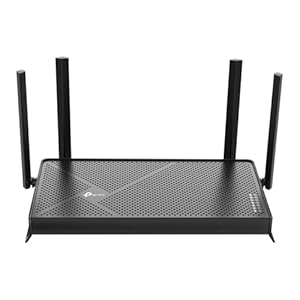
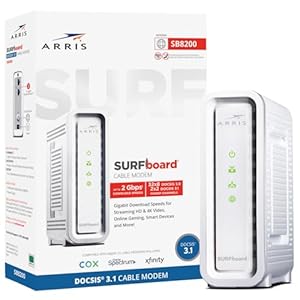
- Use your own equipment. If Frontier charges a monthly equipment rental fee for the router, consider purchasing a compatible modem/router. Over 12-24 months, buying your own equipment typically costs less than renting.
- Enable autopay and paperless billing. Frontier offers a small discount (typically $5/month) for customers who enroll in automatic payments and paperless billing. This adds up to $60/year in savings with no effort.
- Downgrade your speed tier. If you are paying for gigabit service but only need internet for basic tasks, downgrading to a lower speed tier can save $20-$50/month. A 500 Mbps plan is more than sufficient for most households.
- Check for community programs. Some municipalities and nonprofits negotiate bulk rates with ISPs or provide vouchers for internet service. Check with your local government, library, or community action agency.
For more about Frontier's full range of plans, visit our Frontier Fiber plans and pricing guide. For general Frontier information, see our Frontier Fiber overview. If you need help with your account, our Frontier customer service guide provides all contact options and tips for getting issues resolved quickly. You can also check Frontier coverage by state or view our availability map.
View Frontier Fiber Plans and PricingFrequently Asked Questions About Frontier Low-Income Internet
Does Frontier still offer free internet through the ACP?
No. The Affordable Connectivity Program (ACP) ended in June 2024 when federal funding was exhausted. Congress has not restored the program. However, Frontier still offers affordable internet options including Frontier Fundamental Internet at $9.99/month and participates in the FCC Lifeline program, which provides a $9.25/month discount for qualifying households. Combined, these programs can reduce your internet bill to under $1/month.
What is the cheapest Frontier internet plan available?
The cheapest Frontier plan is Frontier Fundamental Internet at $9.99/month, which provides speeds up to 25 Mbps in DSL areas. If you qualify for the FCC Lifeline discount ($9.25/month), your effective cost drops to approximately $0.74/month. In Frontier Fiber areas, the lowest-cost plan is typically the 500 Mbps tier, though pricing varies by market. to check the cheapest option at your address.
How do I qualify for the Lifeline discount on my Frontier bill?
You qualify for Lifeline if your household income is at or below 135% of the Federal Poverty Guidelines (approximately $20,385/year for a single person, $41,625/year for a family of four), or if anyone in your household participates in SNAP, Medicaid, Supplemental Security Income (SSI), Federal Public Housing Assistance, Veterans Pension, or other qualifying federal programs. Apply through the National Verifier at nv.universalservice.org.
Can I get Frontier Fiber at a low-income discount?
The Lifeline discount of $9.25/month can be applied to any qualifying Frontier plan, including Frontier Fiber plans. However, because Frontier Fiber plans start at higher price points than DSL (typically $49.99/month and up for 500 Mbps), the Lifeline discount reduces the cost but does not bring it down to the same level as Frontier Fundamental Internet. The most affordable combination is Frontier Fundamental Internet ($9.99) plus Lifeline (-$9.25) in DSL areas.
Is Frontier Fundamental Internet available at my address?
Frontier Fundamental Internet is available in most of Frontier's DSL service areas across its 25-state footprint. It is not typically available in areas that have been fully upgraded to fiber. To check availability, and specifically ask about the Fundamental Internet plan. Some representatives may not mention it unless you ask by name, as it is not heavily promoted.
What happened to the ACP and will it come back?
The ACP ran out of funding in June 2024 after connecting over 23 million households to affordable internet. Several bills have been introduced in Congress to restore or replace the program, but as of February 2026, none have been enacted. Consumer advocacy groups, ISPs, and many elected officials continue to push for renewed funding. In the meantime, the Lifeline program and ISP-specific affordable plans are the primary options for low-income internet assistance.
Can I get help paying for a computer or tablet to use with Frontier internet?
Yes, several programs can help. PCs for People (pcsforpeople.org) provides refurbished computers to low-income individuals. Many local nonprofits and community organizations offer free or low-cost devices. Some school districts provide take-home devices for students. Check with your local library, community action agency, or the National Digital Inclusion Alliance (digitalinclusion.org) for device assistance programs in your area.
Disclosure: InternetProviders.ai may earn a commission if you sign up for Frontier through our links. Our low-income internet analysis is independent and not influenced by affiliate partnerships. Program eligibility requirements, pricing, and availability are subject to change. Information about government programs (Lifeline, ACP) is provided for informational purposes and may not reflect the most recent program updates. Always verify eligibility and current program status through official channels. Last updated February 2026.
Data and methodology details are available on our research methodology page. Speeds, prices, and availability are verified against provider websites and FCC broadband data as of 2026.
Sources
This content references data from FCC Broadband Map, U.S. Census Bureau. Pricing and availability are subject to change.
Market Context
The broadband market concentration in the United States varies based on population density and infrastructure investment. According to FCC broadband deployment data, median household income and population density are key factors in service availability and pricing. The BEAD (Broadband Equity, Access, and Deployment) program may expand options in underserved areas of the United States.