What "hidden" actually means here
"Hidden" doesn't mean secret. Every charge on a real internet bill is disclosed somewhere — in a rate card, a terms-of-service page, or a line item on a printed invoice. The gap that trips people up is the one between the number in the ad and the number on the first bill that actually arrives.
Affiliate disclosure: We may earn a commission when you order through links on this page. Pricing, speeds, and availability vary by address and are subject to change; verify current terms with the provider before ordering.
Want help choosing? Talk to an internet specialist: 844-287-2645
Free consultation — compare plans and check availability at your address. No obligation.
That gap is built from a handful of predictable categories, not mystery fees:
- Equipment costs — router or gateway rental, sometimes a separate modem charge
- One-time charges — installation, activation, or a technician visit
- Usage-based charges — data overage fees on plans with a cap
- Promotional expiration — the price steps up once an introductory rate period ends
- Taxes and regulatory surcharges — government fees plus provider-assessed line items like broadcast or network-cost recovery charges
- Contract-exit costs — early termination fees if you leave before a term commitment is up
None of these are unique to one provider. What varies is which ones apply to your plan, how large they are, and whether they're avoidable. The rest of this page walks through each category, then follows a household through the actual timeline where these charges show up — because the shopping-stage fee list is only half the problem. The other half is what happens after the promotional period ends.
The fee-by-fee breakdown
Equipment rental
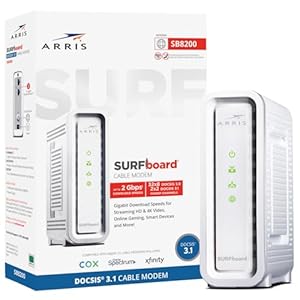
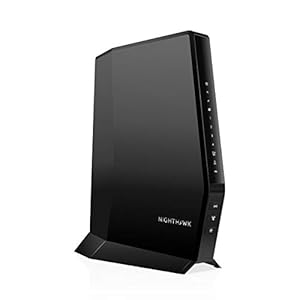
This is a monthly charge for the router, modem, or combined gateway device the provider supplies. It exists because the provider is financing hardware and, in many cases, remotely managing and upgrading it. Ask before signing up: Is a compatible personal router or modem allowed instead of the rental unit, and does using your own hardware actually remove the fee from the bill (some providers still bill a "service" fee even when you supply equipment)? Get a direct answer from the provider before you sign — equipment policies vary widely and rarely make it into the promotional ad.
Installation and activation
A one-time charge for professional setup, a technician visit, or simply activating service on the account. It exists to cover labor and truck-roll costs, particularly for technologies that require running a physical line to the home. Ask: Is self-installation an option, and does choosing it waive or reduce this fee? Is the fee waived for online-only sign-ups or during current promotions? These policies change often enough that the only reliable answer is the one you get directly from the provider at signup.
Data overage charges
On plans with a stated data allowance, usage above that allowance triggers a per-block or automatic-upgrade charge. This exists because some networks, particularly certain cable and fixed wireless architectures, share capacity across a neighborhood segment and providers use overage pricing to manage demand. Ask: Does this plan have a cap at all, what happens automatically at the cap (throttling, an added charge, or a forced upgrade), and can overage billing be disabled in exchange for a speed cap instead? None of these answers are universal across providers, or even across plans from the same provider — ask before you sign, not after the first overage charge shows up.
Promotional price expiration
The advertised price is frequently a promotional rate locked for an introductory period, after which the bill reverts to a standard rate. This exists because acquisition pricing is a customer-acquisition tool, not a permanent rate structure. Ask: What is the exact length of the promotional period, what is the specific standard rate it reverts to (in writing, not verbally), and is that reversion rate itself subject to change without notice? Get the answer in an email or account-portal confirmation, not just from what a sales representative tells you on the phone.
Early termination fees
A charge for ending service before a contract term is complete, sometimes prorated by months remaining. This exists to recover the provider's cost of the promotional pricing, discounted equipment, or waived installation fee it extended at signup. Ask: Is there a term contract at all (some providers now advertise no-contract plans), what is the exact proration formula, and does a move to an address the provider doesn't serve void the fee? Confirm this in writing at signup — see our guide to how internet contracts and promotional pricing generally work for the mechanics behind why these terms exist in the first place.
Regulatory and broadcast surcharges
Government-mandated taxes and fees (911 fees, franchise fees) plus provider-assessed line items such as broadcast TV or regional sports surcharges bundled with video service, and network-cost-recovery fees on some internet plans. These exist partly by law and partly as a way for providers to itemize costs separately from the advertised base rate. Ask: Which line items are legally required taxes versus provider-set surcharges, and do the provider-set ones increase during the contract term? Ask for an itemized breakdown rather than accepting a single bundled "taxes and fees" line.
Cable vs. fiber vs. fixed wireless: where the fee patterns differ
Fee structure isn't random — it tends to track the underlying network technology, though this varies by individual provider and plan, so treat the pattern below as a general tendency rather than a rule.
Cable networks have historically been more likely to include data caps and overage billing on at least some plan tiers, because cable architecture often shares last-mile capacity across a neighborhood node. Equipment rental fees are also common on cable plans, tied to the cable modem or gateway.
Fiber networks are more often billed on simpler, flatter structures — a single monthly rate with fewer usage-based line items — because fiber's dedicated-capacity architecture reduces the network-management rationale for data caps. This doesn't mean fiber plans are free of equipment or installation fees; it means the recurring usage-based charges are less common as a category.
Fixed wireless (including cellular-based home internet) sits in between: pricing is often presented as simpler and more bundled, but the underlying wireless spectrum is a shared, finite resource, so some fixed wireless plans include deprioritization language during network congestion instead of a hard overage charge — functionally similar to a cap, worded differently.
None of this means a specific provider on a specific technology charges a specific amount. Verify actual terms for the exact plan under consideration through our provider directory before assuming any pattern above applies to your address.
The signup-to-renewal timeline
Walk through a hypothetical household to see where these fees actually land in real time, rather than as an abstract list.
Signup. The household picks a plan based on the advertised promotional rate. At this point: confirm in writing whether equipment is rented or owned, whether installation is self-service or professional, and exactly when the promotional rate ends.
Month 1. The first bill arrives and rarely matches the advertised number exactly, because taxes, prorated charges for the partial first billing cycle, and any one-time installation or activation fee typically appear on this bill and this bill only. A bill that's higher in month 1 than in month 2 is often this effect, not an error — but it's worth confirming which one-time items are on it.
The promotional-rate expiration point. At the end of the plan's stated promotional period, the promotional rate ends and the bill reverts to the standard rate. Typical term lengths vary by provider, plan, and market — the number that matters is the one printed on your own order confirmation, not a general industry figure. For many households this is the largest single change on the bill during the plan's life, and it happens automatically — don't count on a warning call from the provider. Set a personal reminder near this date and pull up the current bill for comparison.
The contract-end decision point. If a term contract was signed, its end typically lines up close to (though not always exactly with) the promotional-rate expiration. This is the moment to actively decide: renegotiate, switch, or accept the standard rate. Passivity at this point is what turns a "hidden fee" into a permanent overpayment — the charge isn't hidden anymore once the promotional period has visibly ended, but plenty of households never revisit the decision.
How to read your own bill line by line
Pull the most recent full bill (not the welcome letter, the actual monthly invoice) and go through it in this order:
1. Find the base service charge and compare it to what's currently advertised for a new customer on the same plan tier. A gap here usually means the promotional period has ended. 2. Separate taxes and regulatory fees from provider-assessed surcharges. Taxes are generally non-negotiable; provider surcharges sometimes are. 3. Identify every recurring equipment line item and confirm whether you're still using rented hardware or whether a rental fee is still being billed despite owning your own equipment. 4. Check for a data usage or overage line and confirm your actual usage against the plan's stated allowance, if any. 5. Look for a one-time charge that's recurring by mistake — installation and activation fees should appear once; a repeating version of the same charge is worth a call. 6. Note the contract or promotional end date if it's printed on the bill or account portal, and calendar it.
Anything in categories 2 (provider-set portion) and 3 is worth a negotiation call. Category 1 gaps are often the strongest leverage point.
Negotiation and retention-call tactics that actually work
None of these guarantee an outcome — pricing decisions vary by provider, representative, and market — but they reflect approaches that consistently perform better than simply asking for "a lower bill."
- Call the retention or loyalty department specifically, not general customer service. Ask directly to be transferred if the first representative can't adjust pricing.
- Cite a specific competing offer if one exists in your area, including the provider name and plan tier — representatives with retention authority are typically evaluated on save rates and respond to a concrete competitive threat more than a vague complaint.
- State a clear intention, such as evaluating other providers or planning not to renew, rather than only describing dissatisfaction. Retention pricing is generally reserved for customers who signal they're actually about to leave.
- Ask specifically about "new customer" or "retention" promotions rather than "any discounts," since these are often different offer pools with different approval authority.
- Get any new rate and its duration in writing (email or account portal confirmation), since verbal promises from a call aren't always reflected accurately on the next bill.
- Be willing to end the call and try again another day if the first representative can't help — approval authority and available offers can differ by representative and by day.
When switching providers beats negotiating
Negotiating keeps working until it doesn't. Switching becomes the better move when:
- A retention call has already been attempted and the best offer available doesn't meaningfully close the gap to a genuine alternative.
- A second provider with a materially different network technology (for example, fiber where only cable was previously available) has actually built out to the address — not just to the general area.
- The current provider's fee structure (recurring equipment charges, a data cap that's regularly exceeded, or provider-set surcharges) is structural to that provider's plans, not just this billing cycle's issue.
- The household is near the end of any existing term contract, so an early termination fee isn't part of the calculation.
Before switching, verify with the new provider directly: the exact contract terms and length being offered, the installation timeline (some technologies require a scheduled build or professional install with a multi-week lead time), and whether service will actually overlap during the transition so there's no gap without internet at the address. Also confirm the new provider's own fee list using the same fee-by-fee breakdown above — a switch driven by dissatisfaction with hidden fees that lands on an equally fee-heavy plan elsewhere doesn't solve the underlying problem. Our plan-shopping guide walks through how to size and compare a replacement plan once you've decided to move.
Availability and eligibility caveat
Not every plan, provider, or fee structure described above is available at every address, and offer terms change over time. Any general statement in this article about what's "common" or "typical" for cable, fiber, or fixed wireless reflects broad industry patterns, not a guarantee about a specific address.
Where this article references what's generally available by technology type, that reflects a ZIP-estimate level of confidence — a broad, area-level pattern, not a confirmed offer. Actual availability, plan terms, and current fees at a specific address should be confirmed at the provider-confirmed-address or user-confirmed-orderable level before making a decision — meaning checked directly against the provider's own address-level lookup or an actual order flow, not inferred from general coverage claims. Check your specific address directly with the provider(s) serving your area before assuming any fee structure or plan described here applies to you.
See what's actually billable at your address. Check availability at your address
Methodology and sources
This page's guidance was compiled from categories of publicly available material: provider policy and terms-of-service documents, FCC consumer-facing disclosure materials on broadband labeling and billing practices, and observed patterns across how providers commonly structure equipment, installation, and overage billing. It intentionally does not cite specific dollar figures, because fee amounts change by provider, plan, market, and time, and a specific number printed here would age out of accuracy quickly. Readers should treat the qualitative structure described here (what categories of fees exist, why, and how to question them) as the durable part of this page, and treat any specific number they encounter elsewhere as something to verify against the provider's current published terms before relying on it.
FAQ
Do all providers charge equipment fees? No. Some providers include equipment in the base price, some allow use of a personally owned router or modem to avoid the charge, and some charge it regardless of whose equipment is used. This varies by provider and plan — confirm directly before signing up.
Can I refuse installation fees? Sometimes. Self-installation kits are increasingly offered as an alternative to a professional technician visit and often carry a lower or waived fee. Availability of self-install depends on the technology and the specific address's existing wiring.
Is fiber immune to hidden fees? No. Fiber plans tend to have simpler, flatter billing with fewer usage-based charges as a category, but they can still carry equipment rental, installation, promotional pricing that expires, and contract terms with early termination fees. "Simpler billing" is not the same as "no fees."
Will my bill definitely go up after the promotional period? In most cases where a promotional rate was part of the original offer, yes, the bill reverts to a standard rate unless renegotiated. The size of that increase and its exact timing depend on the specific plan and provider, which is why calendaring the expiration date matters.
Is it worth calling to negotiate if I'm not actually planning to leave? Retention offers are generally reserved for customers who present a credible reason to leave. A call without any actual leverage — a competing offer, a genuine willingness to switch — is less likely to succeed than one where that leverage is real.
What's a common mistake households make with these fees? Not calendaring the promotional-rate expiration date at signup. The fee itself isn't hidden once you know the timeline; the mistake is letting the standard rate take effect silently and not revisiting the decision when it does.
Bottom line
Hidden fees aren't secret — they're just easy to miss when the promotional price is the only number you're looking at. Every category on this page (equipment, installation, overage, promo expiration, early termination, surcharges) is disclosed somewhere in writing; the discipline that actually saves money is asking about all six before you sign, then calendaring the promotional-rate expiration date so the standard rate never arrives as a surprise.