Bottom line: AT&T Fiber wins where available with faster symmetric speeds up to 5 Gbps and better customer satisfaction (71/100 ACSI). Astound Broadband (formerly Grande, RCN, Wave) offers competitive regional cable and fiber service with no data caps, making it a strong local alternative starting at $30/mo.
Key Findings: Astound vs AT&T
- AT&T Fiber reaches 5 Gbps; Astound fiber tops at 1.5 Gbps
- Astound starts at $30/mo (150 Mbps); AT&T starts at $55/mo (300 Mbps fiber)
- Astound has no data caps; AT&T removed caps on fiber but DSL has 1 TB cap
- AT&T has 71/100 ACSI rating; Astound is not rated by ACSI (too small)
- AT&T serves 21 states; Astound covers parts of 6 states (TX, IL, PA, NY, DC, WA, OR)
Plans and Pricing Comparison
Astound Broadband Plans (2026)
| Plan | Speed | Price | Technology | Contract |
|---|---|---|---|---|
| Astound 150 | 150 Mbps | $30/mo | Cable | None |
| Astound 300 | 300 Mbps | $40/mo | Cable | None |
| Astound 600 | 600 Mbps | $55/mo | Cable | None |
| Astound 940 | 940 Mbps | $65/mo | Fiber/Cable | None |
| Astound 1.5 Gig | 1.5 Gbps | $80/mo | Fiber | None |
AT&T Fiber Plans (2026)
| Plan | Speed | Price | Technology | Contract |
|---|---|---|---|---|
| AT&T Fiber 300 | 300 Mbps | $55/mo | Fiber | None |
| AT&T Fiber 500 | 500 Mbps | $65/mo | Fiber | None |
| AT&T Fiber 1 Gig | 1 Gbps | $80/mo | Fiber | None |
| AT&T Fiber 2 Gig | 2 Gbps | $150/mo | Fiber | None |
| AT&T Fiber 5 Gig | 5 Gbps | $180/mo | Fiber | None |
Speed and Technology Breakdown
AT&T Fiber delivers symmetric speeds on all plans — your upload speed matches your download speed. This matters for video conferencing, cloud backups, and live streaming. AT&T's 5 Gbps plan uses XGS-PON technology, the latest in fiber deployment.
Astound Broadband operates a mix of cable (DOCSIS 3.1) and fiber infrastructure. Cable plans deliver asymmetric speeds with uploads around 20-50 Mbps. Astound's fiber plans in select markets provide symmetric speeds up to 1.5 Gbps, competitive for most household needs.
For typical households with 5-10 connected devices, both providers deliver adequate bandwidth. The gap becomes noticeable for power users needing consistent upload performance — AT&T Fiber is the clear winner for remote work and content creation.
Coverage and Availability
AT&T serves 21 states with fiber rapidly expanding to cover 30+ million locations by end of 2026. Key markets include Texas, California, Florida, Georgia, Illinois, and the Carolinas. AT&T's legacy DSL service (internet speeds of 5-75 Mbps) remains available but is being phased out.
Astound Broadband operates in 6 states under legacy brands: Grande (Texas), RCN (Chicago, NYC metro, Philadelphia, DC area), and Wave (Pacific Northwest). Coverage areas are localized within these metro regions — you won't find Astound in rural or suburban areas outside their footprint.
Pricing Value Analysis
At comparable speeds, Astound undercuts AT&T significantly. Astound's 940 Mbps plan costs $65/mo versus AT&T's 1 Gbps at $80/mo — a $180/year savings. For budget-conscious users, Astound's $30/mo entry plan offers 150 Mbps, while AT&T's cheapest fiber is $55/mo.
However, AT&T includes several value-adds: free equipment on some plans, HBO Max credits for bundled customers, and no price increases for 12 months on select plans. Calculate total cost including equipment rental ($10-15/mo) when comparing.
Equipment and Installation
| Feature | Astound | AT&T |
|---|---|---|
| Router Rental | $12/mo | Included with fiber |
| Self-Install | Available | Available (fiber requires pro install) |
| Pro Install | $75-99 | Free |
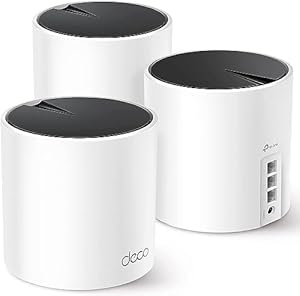
| WiFi Technology | WiFi 6 | WiFi 6E (All-Fi Hub) |
| Mesh Extenders | $5/mo each | $10/mo (Smart Wi-Fi Extender) |
Who Should Choose Each Provider
- Choose AT&T Fiber if: Available at your address and you value speed, symmetric uploads, and included equipment. Best for remote workers, gamers, and multi-device homes
- Choose Astound if: You want lower monthly cost with no data caps. Ideal for budget-minded users in Grande/RCN/Wave coverage areas
- Consider alternatives: AT&T vs Xfinity, Spectrum vs AT&T, or all fiber providers
Related Comparisons
- AT&T vs Xfinity
- Spectrum vs AT&T
- CenturyLink vs AT&T
- AT&T vs Sparklight
- Google Fiber vs AT&T
- Best Internet Providers 2026
- AT&T Internet Review
- How to Choose a Provider
Who Is Astound Broadband?
Astound Broadband is a regional cable and fiber provider formed from the merger of RCN, Grande Communications, and Wave Broadband. If you previously had service from any of these companies, your provider is now Astound. The company serves select markets in:
- Texas: Austin, San Antonio, Dallas-Fort Worth, Waco, Corpus Christi, and surrounding areas (formerly Grande Communications)
- Northeast: New York City, Boston, Philadelphia, Washington D.C., Lehigh Valley PA, and Chicago (formerly RCN)
- Pacific Northwest: Seattle, Portland, Sacramento, and surrounding areas (formerly Wave Broadband)
In several of these markets, Astound directly competes with AT&T, creating a meaningful choice for consumers.
Speed and Technology Comparison
Both providers offer a range of speed tiers, but the underlying technology differs:
- Astound Cable (DOCSIS 3.1): Plans from 100 Mbps to 1.2 Gbps download. Upload speeds are asymmetric, typically 10-50 Mbps depending on the plan. Cable technology means shared bandwidth with neighbors, which can result in slower speeds during peak hours.
- Astound Fiber: Available in select areas, Astound's fiber service offers symmetrical speeds up to 8 Gbps. Astound has been expanding its fiber footprint, particularly in Texas markets where it competes directly with AT&T Fiber.
- AT&T Fiber: Symmetrical speeds from 300 Mbps to 5 Gbps. Consistent performance with speeds typically hitting 95-100% of advertised rates.
- AT&T DSL/IPBB: Where fiber is not available, AT&T offers legacy DSL/IPBB service with speeds up to 100 Mbps. This is significantly slower than Astound's cable service.
Pricing and Value Assessment
Astound and AT&T take different pricing approaches:
- Astound promotional pricing: Competitive introductory rates ($20-$55/month for 12 months) that increase significantly after the promotional period. Astound's post-promotional prices are often $20-$30 higher than the introductory rate.
- AT&T Fiber pricing: Straightforward pricing at $55-$180/month depending on speed tier, with no dramatic price increases after the first year. The autopay discount ($5/month) applies from day one.
- Equipment costs: Astound charges $12-$15/month for router rental; AT&T Fiber includes the gateway equipment in the monthly price. Over 12 months, this difference alone is $144-$180.
- Bundling: Astound offers competitive bundle deals with TV and phone that may appeal to customers who want all three services. AT&T's bundling discounts are more modest but still available for wireless customers.
Making the Decision
The right choice depends on what each provider offers at your specific address:
- If AT&T Fiber vs. Astound Cable: AT&T Fiber wins in almost every category — symmetrical speeds, no data cap, included equipment, and consistent pricing. Unless Astound's cable plan is dramatically cheaper, fiber is the better technology.
- If AT&T Fiber vs. Astound Fiber: Compare plans at the same speed tier. Both deliver excellent fiber performance. Choose based on price, customer service reputation in your market, and any bundling benefits.
- If AT&T DSL vs. Astound Cable: Astound Cable wins decisively over AT&T DSL in speed and reliability. If AT&T Fiber is not available at your address, Astound's cable service is likely the better option.
- If AT&T DSL vs. Astound Fiber: Astound Fiber wins by a wide margin. Choose Astound without hesitation.
For detailed provider information, see our AT&T page or use our address lookup tool to compare available plans.
Frequently Asked Questions
Network Technology and Performance
AT&T has invested over $140 billion in its network since 2019, with a heavy focus on fiber-to-the-home (FTTH) deployments. AT&T Fiber now passes over 28 million locations, with plans to reach 30+ million by end of 2026. AT&T Fiber plans deliver symmetric speeds — meaning uploads match downloads — which is critical for remote workers, video creators, and anyone who regularly uploads large files.
Astound Broadband operates a mix of cable (HFC) and fiber infrastructure inherited from its acquisitions of RCN, Grande Communications, and Wave Broadband. In markets where Astound has deployed fiber, speeds are competitive at up to 1.5 Gbps. However, most Astound customers are still on cable connections, which means upload speeds are typically limited to 20-50 Mbps regardless of the download speed tier.
Latency and Gaming Performance
AT&T Fiber consistently delivers 5-12ms latency in speed tests, placing it among the best ISPs for online gaming and real-time applications. Astound's cable connections typically show 15-30ms latency, which is acceptable for most gaming but noticeably higher than fiber. Astound's fiber connections, where available, match AT&T's low latency performance.
Coverage Comparison
AT&T has the clear advantage in geographic reach, serving 21 states primarily across the South, Midwest, and parts of the West Coast. AT&T also offers fixed wireless (AT&T Internet Air) in select markets, providing 5G home internet as an alternative where fiber isn't available yet.
Astound Broadband has a much smaller footprint across 6 states:
- Texas: Austin, San Antonio, Waco, San Marcos (via Grande)
- Illinois: Chicago metro area (via RCN)
- Pennsylvania/New York: NYC, Philadelphia, Lehigh Valley (via RCN)
- Washington/Oregon: Seattle, Portland, and surrounding areas (via Wave)
- Washington DC: Metro area (via RCN)
In the cities where Astound operates, it's often the primary cable competitor to larger providers like Comcast, AT&T, or Verizon — giving consumers a genuine alternative that often provides better pricing.
Equipment and Fees
| Feature | Astound | AT&T |
|---|---|---|
| Router Rental | $12/mo (WiFi 6 gateway) | $10/mo (BGW320 gateway) |
| Self-Install | Free | Free (fiber: tech required) |
| Pro Install | $75-$99 | Free for fiber |
| Own Router | Yes | Yes (but gateway still required for fiber ONT) |
| Activation Fee | None | None |
AT&T's free professional installation for fiber plans is a notable advantage. Astound charges $75-$99 for professional installation in most markets, though promotional free installation is often available for new customers. Both providers' gateway rental fees are waived if you purchase your own compatible equipment, saving $120-$144 per year.
Bundling and Mobile Options
AT&T offers significant bundle savings through its wireless division. AT&T Fiber + AT&T Wireless customers receive up to $25/mo in combined discounts. AT&T also includes HBO Max with certain fiber plans, adding roughly $16/mo in streaming value.
Astound offers basic TV and phone bundles in some markets but lacks a mobile offering. Where Astound excels is in straightforward internet-only pricing — no bundle pressure, no promotional rates that expire after 12 months, and no-contract flexibility that lets you cancel anytime.
Who Should Choose Which?
Choose AT&T Fiber if you want the fastest symmetric speeds, free installation, and value AT&T wireless bundle discounts. AT&T Fiber is the strongest option for power users and households with 5+ connected devices.
Choose Astound Broadband if you want lower starting prices, no data caps, and prefer a smaller provider that doesn't push aggressive upsells. Astound's $30/mo entry price is $25 less than AT&T's cheapest fiber plan.
If both serve your address, check your ZIP code to compare exact plans and promotional pricing available at your location.
Does Astound Broadband have data caps?
Is Astound the same as RCN, Grande, or Wave?
Yes. Astound Broadband is the unified brand for RCN (Northeast), Grande Communications (Texas), and Wave Broadband (Pacific Northwest). All three were acquired and rebranded under the Astound name. Service quality and plans are largely consistent across regions.
Does AT&T still offer DSL internet?
AT&T is phasing out DSL. As of 2026, AT&T no longer accepts new DSL sign-ups in most markets. Existing DSL customers can keep their service, but AT&T is actively encouraging migration to fiber or fixed wireless (AT&T Internet Air). If fiber isn't available, AT&T Internet Air offers 5G home internet as an alternative.
Which is better for gaming: Astound or AT&T?
AT&T Fiber is better for gaming with lower latency (typically 5-15ms vs Astound's 10-25ms on cable). Both provide sufficient bandwidth for online gaming, but AT&T Fiber's symmetric uploads reduce lag in multiplayer games and streaming on Twitch or YouTube.
Can I use my own router with Astound or AT&T?
Astound allows customer-owned DOCSIS 3.1 cable modems and any WiFi router. AT&T Fiber requires their gateway (BGW320 or equivalent) but you can connect your own router in IP passthrough or bridge mode. Using your own equipment can save $10-15/mo in rental fees with Astound.
Data and methodology details are available on our research methodology page. Speeds, prices, and availability are verified against provider websites and FCC broadband data as of 2026.
Sources
This comparison references data from FCC Broadband Map, AT&T, and the U.S. Census Bureau. Pricing and availability are subject to change.
Market Context
The broadband market concentration in areas served by both Astound Broadband and AT&T varies significantly. According to FCC broadband deployment data, median household income and population density are key factors in determining which provider offers better value. The BEAD (Broadband Equity, Access, and Deployment) program may expand options in underserved areas where neither provider currently has strong coverage.
Ready to choose? Check Astound Broadband availability or check AT&T availability at your address to view plans and pricing.