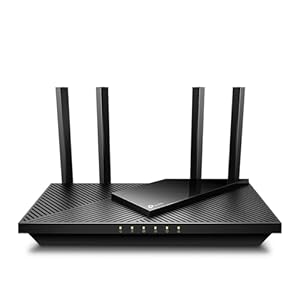
Optimum vs Rise Broadband: Optimum reaches 8 Gbps via cable. Fiber, and Rise Broadband tops out at 100 Mbps using fixed wireless. Overall, Optimum delivers stronger performance for the price.
Optimum vs Rise Broadband: Understanding Your Options
Choosing the right internet service provider can transform your online experience. In this detailed comparison, we analyze Optimum and Rise Broadband across every metric that matters—speed, pricing, reliability, coverage, and customer satisfaction. Whether you're streaming 4K content, working from home, or gaming competitively, understanding the nuances between these providers helps you make an informed decision.
Optimum, established in 1973, operates primarily in the Northeast with a dual approach using both fiber-optic and cable infrastructure. The company delivers speeds up to 8 Gbps with pricing starting at $30/mo, positioning itself as a competitive option for both budget-conscious consumers and bandwidth-hungry households. Their network serves millions across New York, New Jersey, Connecticut, and Pennsylvania.
Rise Broadband, founded in 2005, takes a dramatically different approach with Fixed Wireless technology. Serving select markets with Fixed Wireless connections, Rise Broadband offers speeds reaching 100 Mbps with monthly plans from $25/mo. Their focused coverage area receives dedicated infrastructure investment.
Head-to-Head Comparison Table
| Feature | Optimum | Rise Broadband |
|---|---|---|
| Max Download Speed | 8 Gbps | 100 Mbps |
| Starting Price | $30/mo | $25/mo |
| Technology | Fiber/Cable | Fixed Wireless |
| Data Caps | None | Varies by plan |
| Contract Required | No | No |
| Best For | Northeast users wanting affordable fiber/cable | Rural users with no wired options |
Optimum Overview
Optimum has served the Northeast since 1973, building a reputation on Fiber/Cable infrastructure that reaches dense urban centers and surrounding suburbs. Their headquarters in Long Island City, NY oversees operations across four states, with ongoing fiber expansion projects bringing multi-gigabit capabilities to more neighborhoods each quarter.
Available Plans & Speed Tiers: Optimum structures its offerings around flexibility. Entry-level plans starting at $30/mo deliver sufficient bandwidth for email, web browsing, and standard-definition streaming. Mid-tier options provide 300-500 Mbps for households with multiple concurrent users. Premium fiber tiers reach 8 Gbps, supporting professional content creation, large file transfers, and whole-home smart device ecosystems without congestion.
Key Advantages:
- No data caps
- Fast fiber up to 8 Gbps
- No contracts
- Competitive pricing
Potential Drawbacks:
- Limited to Northeast
- Customer service complaints
- Price increases
Optimum: Check website for local contact
Rise Broadband Overview
Rise Broadband, operating from Englewood, CO, focuses on delivering Fixed Wireless connectivity to underserved communities. Since 2005, the company has built infrastructure in markets often overlooked by larger carriers, bringing broadband to areas with limited competition.
Available Plans & Speed Tiers: Rise Broadband offers tiered plans based on speed requirements. Starting at $25/mo, customers can select from multiple speed options reaching 100 Mbps. Data allowances of Varies by plan apply to most plans.
Key Advantages:
- Available in rural areas
- No contracts on some plans
- Growing fiber
Potential Drawbacks:
- Speed limited by wireless
- Data caps on some plans
- Limited coverage
Rise Broadband: Check website for local contact
Speed Comparison: Performance Under Real-World Conditions
Internet speed encompasses more than advertised maximum throughput. Latency, consistency during peak hours, and upload capabilities all impact daily user experience. Optimum's Fiber/Cable network delivers symmetrical upload and download speeds on fiber connections, critical for video conferencing and cloud backups. Third-party testing shows Optimum customers typically achieve 85-95% of advertised speeds during evening peak usage.
Rise Broadband's Fixed Wireless infrastructure introduces physical distance limitations inherent to wireless technology. Latency averages 15-30ms, suitable for gaming and real-time applications. Speed consistency varies based on network congestion and tower proximity.
For households with four or more simultaneous users, Optimum's gigabit and multi-gigabit tiers eliminate buffering and slowdowns. A family streaming 4K content on two televisions, video calling on a laptop. Gaming on a console requires sustained throughput of 80-100 Mbps—easily handled by Optimum's mid-tier plans. Rise Broadband's 100 Mbps maximum serves small-to-medium households adequately but may struggle with extremely high concurrent demand.
Upload speed differences become critical for remote workers. Optimum fiber subscribers enjoy symmetrical speeds, uploading large files in seconds. Rise Broadband provides upload speeds of 10-20 Mbps on most plans. Video editors, photographers, and software developers benefit substantially from Optimum's superior upload capabilities.
Pricing Breakdown: Monthly Costs and Hidden Fees
Advertised pricing rarely tells the complete financial story. Optimum's $30/mo starting rate applies to promotional periods typically lasting 12-24 months. After promotions expire, monthly costs can increase $10-30 depending on the tier. Equipment rental adds $10-15 monthly unless customers purchase their own compatible modem and router.
Rise Broadband's $25/mo entry point requires additional equipment fees. Installation fees range from $0-99 depending on market and promotions. Standard pricing applies after any promotional periods.
Installation costs differ significantly. Optimum charges $0-79 for professional installation, waived during promotional periods. Self-installation kits arrive free for tech-savvy customers comfortable with basic networking. Rise Broadband ships hardware directly for simple self-installation.
Total first-year costs for comparable mid-tier plans: Optimum averages $720-900 including equipment and fees. Rise Broadband totals $600-840 for standard service. Budget-conscious consumers should calculate total commitment costs rather than focusing solely on monthly rates. Neither provider imposes early termination fees, providing flexibility to switch if needs change.
Coverage & Availability: Where Can You Get Service?
Optimum's infrastructure concentrates in the Northeast corridor, with particularly strong coverage in New York, New Jersey, Connecticut, and Pennsylvania. Approximately 6.5 million households fall within their service footprint. Urban and suburban areas receive comprehensive fiber and cable coverage, while rural communities outside their territory have no access. Address-level availability checks are essential—even within service areas, specific streets may lack infrastructure.
Rise Broadband operates in select markets across multiple states. Coverage maps show availability in both urban cores and surrounding communities. Availability information can be checked online via address lookup.
The coverage gap creates a clear decision framework: customers within Optimum's Northeast territory should seriously consider their fiber and cable options. The superior speeds, lower latency, and competitive pricing outperform alternative providers in most scenarios. Outside the Northeast, Rise Broadband becomes the default choice—often the only choice—for households requiring broadband speeds.
Contract Terms & Fees: Understanding Your Commitment
Optimum operates primarily on month-to-month agreements, allowing customers to cancel anytime without penalties. This flexibility appeals to renters, frequent movers, and households uncertain about long-term internet needs. No contracts mean prices can increase annually, but also provide freedom to switch providers if better options emerge.
Rise Broadband offers no-contract service with month-to-month flexibility. Customers can pause or cancel service anytime without penalty, paying only for active service months. Long-term price stability benefits customers planning to remain at the same address for years.
Equipment return policies matter when switching providers. Optimum requires customers to return rented modems and routers within 30 days of cancellation, or face equipment charges of $150-300. Rise Broadband similarly requires equipment returns to avoid charges. Original packaging simplifies returns—keeping boxes for the first month prevents hassles during potential cancellations.
Choose Optimum If You:
- Live in the Northeast (NY, NJ, CT, PA) with Optimum infrastructure
- Need multi-gigabit speeds for professional work or large households
- Want no data caps for unlimited streaming and downloading
- Prefer month-to-month flexibility without long-term contracts
- Value low latency for gaming and real-time applications
Choose Rise Broadband If You:
- Live in rural or remote areas without cable or fiber access
- Want simple installation and setup
- Value Fixed Wireless reliability
- Can accept lower speeds in exchange for universal availability
- Prioritize no-contract flexibility and pause capabilities
Frequently Asked Questions
Can I use my own router with Optimum and Rise Broadband?
Optimum allows customers to use compatible third-party modems and routers, saving $10-15 monthly in equipment fees. Their website maintains a list of approved DOCSIS 3.1 cable modems and compatible routers. Rise Broadband typically allows third-party equipment with compatible specifications. Using your own equipment provides better performance, enhanced security features, and long-term cost savings.
How do speeds compare during peak evening hours?
Optimum experiences typical cable network congestion during 7-11 PM when neighborhood usage peaks. Speed tests show 10-20% slowdowns during these hours on cable infrastructure, while fiber connections maintain consistent performance. Rise Broadband speed degrades during peak hours in congested cells, with some users reporting 50% reductions from advertised maximums. Bandwidth-intensive activities like large downloads should be scheduled during off-peak hours for optimal performance.
What happens if I exceed data caps?
Optimum imposes None on their plans, meaning unlimited usage without overage fees or throttling. Rise Broadband enforces Varies by plan, which can result in overage fees or speed reductions. Heavy users streaming 4K content, downloading games, or working with large files should prioritize unlimited plans.
Which provider offers better customer service?
Customer service quality varies significantly between providers and regions. Optimum receives mixed reviews, with common complaints about hold times and issue resolution. Their online support portal and mobile app provide self-service options for billing and basic troubleshooting. Rise Broadband maintains regional service centers with local technicians. Both providers offer 24/7 technical support, though response times and first- resolution rates differ considerably.
Can I bundle internet with TV or phone service?
Optimum offers comprehensive bundle packages combining internet, cable television, and home phone service. Multi-service bundles typically save $10-30 monthly compared to standalone services. Rise Broadband focuses exclusively on internet connectivity without TV or phone bundling options. Cord-cutters streaming all content may prefer standalone internet plans, while traditional TV viewers benefit from bundled savings.
How long does installation take?
Optimum typically schedules professional installations within 3-7 days of ordering, with appointments lasting 1-2 hours. Self-installation kits arrive within 5-7 business days and take 30-60 minutes for customers with basic technical skills. Rise Broadband schedules installations within 5-10 days in most markets. Standard installations rarely encounter significant delays.
What are the upload speeds for each provider?
Upload speeds matter for video conferencing, cloud backups, and content creation. Optimum provides symmetrical upload and download speeds on fiber connections, with cable tiers offering 10-35 Mbps uploads. Rise Broadband delivers upload speeds of 10-20 Mbps on most plans. Remote workers frequently uploading large files should prioritize providers with symmetrical or high upload capabilities.
Ready to get connected? now for exclusive deals:
Optimum vs Rise Broadband: Frequently Asked Questions
Can I switch from Optimum to Rise Broadband?
Switching providers is generally straightforward. Check if you have any remaining contract obligations with your current provider that might incur early termination fees. Schedule your new installation before canceling existing service to avoid a gap in connectivity. Many providers offer to buy out your existing contract as a promotional incentive.
Which is faster, Optimum or Rise Broadband?
Maximum speeds depend on the technology each provider uses at your address. Fiber connections from either provider can reach 1-5 Gbps, while cable typically maxes out at 1-1.2 Gbps. Compare the specific plans available at your address, as speeds vary by location. For the most accurate comparison, check what technology each provider offers at your specific address.
Which is better for gaming, Optimum or Rise Broadband?
For gaming, low latency (ping) matters more than raw download speed. Fiber connections from either provider typically deliver the lowest latency (5-15ms). Cable internet provides acceptable gaming performance (15-30ms latency). Satellite and fixed wireless connections generally have higher latency that can affect competitive gaming. Choose the provider that offers fiber or cable at your address.
Do Optimum and Rise Broadband both offer no-contract plans?
Many current plans from both Optimum and Rise Broadband are available without annual contracts. However, some promotional pricing may require a commitment period. No-contract plans offer flexibility to switch or cancel anytime, though monthly rates may be slightly higher than contract plans. Verify contract terms for the specific plan you're considering.
Is Optimum or Rise Broadband cheaper?
Pricing varies significantly by plan tier and location. Entry-level plans from both Optimum and Rise Broadband typically start between $30-55/month. Compare the total cost including equipment fees, installation charges, and post-promotional pricing. The cheapest option depends on the speed tier you need — one provider may be cheaper for basic plans. While the other offers better value at higher speeds.
Which provider has better customer service, Optimum or Rise Broadband?
Customer service quality can vary by region and changes over time. Check recent customer satisfaction surveys from J.D. Power and the American Customer Satisfaction Index for current ratings. Online reviews for your specific area can also provide insight into local service quality. Both providers offer phone, chat, and online support channels.
Disclosure: InternetProviders.ai maintains relationships with internet service providers featured in our comparisons. When you the phone numbers listed or click certain links, we may receive compensation. This compensation does not influence our editorial content, analysis, or recommendations. Our comparison methodology evaluates providers based on speed, pricing, coverage, contract terms, and customer satisfaction data from independent third-party sources. We are committed to providing accurate, unbiased information to help you make informed decisions about your internet service. Last updated: February 2026.