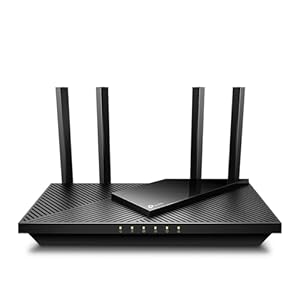
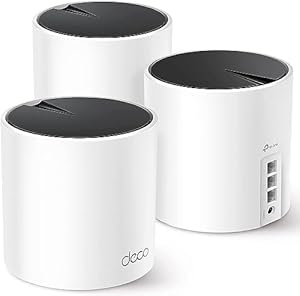
Quick Answer: Optimum vs Starlink
Optimum is the better choice for households in the Northeast where its fiber and cable network reaches your address. Optimum offers internet plans starting at $40 per month for 300 Mbps, scaling up to 8 Gbps on its newest fiber infrastructure, while Starlink charges $120 per month for typical speeds of 25 to 100 Mbps. With Optimum, you get lower latency of 5 to 15 milliseconds versus Starlink's 25 to 60 milliseconds, more consistent speeds, and dramatically lower monthly costs. Starlink only makes sense if you live in a rural area of the Northeast where neither Optimum nor any other wired provider reaches your home.
Optimum has undergone a significant transformation since Altice USA began upgrading its network infrastructure. The company now offers fiber-to-the-home service in many areas alongside its legacy coaxial cable network, with fiber plans delivering symmetrical speeds up to 8 Gbps. This fiber deployment puts Optimum among the fastest residential internet providers in the country and makes the comparison with Starlink's satellite service particularly lopsided in areas where Optimum Fiber is available.
Key Findings
- Optimum costs $80 per month less than Starlink at the base tier while delivering 3x to 6x faster and more consistent speeds
- Optimum Fiber delivers symmetrical speeds: Up to 8 Gbps upload and download versus Starlink's 5 to 15 Mbps upload cap
- Latency is 2 to 10 times lower on Optimum: 5 to 15 milliseconds on cable or 2 to 5 milliseconds on fiber versus 25 to 60 milliseconds on Starlink
- No equipment purchase required: Optimum provides a WiFi router while Starlink requires a $599 satellite dish
- Two-year cost difference exceeds $2,500: Optimum's base plan totals $960 over 24 months versus Starlink's $3,479 including equipment
Optimum vs Starlink: Plan Comparison March 2026
| Feature | Optimum | Starlink |
|---|---|---|
| Starting Price | $40 per month | $120 per month |
| Max Speed | 8 Gbps on fiber | 220 Mbps on Priority |
| Speed Range | 300 Mbps to 8 Gbps | 25 to 100 Mbps typical |
| Upload Speed | 20 Mbps cable or symmetrical on fiber | 5 to 15 Mbps |
| Data Cap | None | 1 TB priority on Standard |
| Contract | No contract required | No contract |
| Equipment | WiFi router included | $599 dish or $15 per month rental |
| Technology | DOCSIS 3.1 cable and GPON/XGS-PON fiber | LEO satellite |
| Latency | 5 to 15ms cable or 2 to 5ms fiber | 25 to 60ms |
| Coverage | NY, NJ, CT, PA and parts of other NE states | Nearly everywhere |
Optimum Internet Plans March 2026
Optimum has expanded its plan lineup significantly since beginning its fiber rollout. Plans vary by whether your address has fiber or cable infrastructure, with fiber delivering symmetrical speeds and cable delivering higher download than upload speeds.
| Plan | Download | Upload | Price | Technology |
|---|---|---|---|---|
| Optimum 300 | 300 Mbps | 20 Mbps cable or 300 Mbps fiber | $40/mo | Cable or Fiber |
| Optimum 500 | 500 Mbps | 20 Mbps cable or 500 Mbps fiber | $60/mo | Cable or Fiber |
| Optimum 1 Gig | 1 Gbps | 50 Mbps cable or 1 Gbps fiber | $80/mo | Cable or Fiber |
| Optimum 2 Gig | 2 Gbps | 2 Gbps | $120/mo | Fiber only |
| Optimum 5 Gig | 5 Gbps | 5 Gbps | $180/mo | Fiber only |
| Optimum 8 Gig | 8 Gbps | 8 Gbps | $300/mo | Fiber only |
Even Optimum's cheapest plan at $40 per month delivers faster, more reliable speeds than Starlink's $120 per month Standard plan. At the same $120 price point as Starlink Standard, Optimum offers 2 Gbps symmetrical fiber, approximately 20 to 30 times faster than what Starlink typically delivers.
The Northeast Internet Landscape and Why It Matters
The northeastern United States has some of the most competitive internet markets in the country. Residents in New York, New Jersey, and Connecticut often have access to Optimum, Verizon Fios, and sometimes additional providers like Spectrum or local fiber cooperatives. This competition has driven Optimum to improve its network, lower prices, and accelerate fiber deployment in ways that benefit consumers.
For northeastern residents, choosing between Optimum and Starlink is not a close decision. Even if Optimum Fiber has not yet reached your specific address and you are limited to Optimum's cable service, the 300 Mbps download at $40 per month with 5 to 15 millisecond latency dramatically outperforms Starlink's satellite service. The only northeastern residents who should seriously consider Starlink are those in genuinely rural areas, such as parts of upstate New York, rural Connecticut, or the Pine Barrens region of New Jersey, where cable infrastructure was never deployed.
Optimum's Fiber Transformation
Altice USA, Optimum's parent company, has invested over $3 billion in its fiber-to-the-home deployment program, one of the largest private broadband infrastructure projects in the northeastern United States. The fiber build replaces Optimum's legacy coaxial cable plant with new underground and aerial fiber optic cables capable of multi-gigabit symmetrical speeds. As of early 2026, Optimum Fiber has reached approximately 2.5 million homes with plans to complete the rollout to its entire service area within the next several years.
This fiber transformation is particularly relevant for customers making a long-term internet decision. Even if your address currently receives Optimum cable service, the fiber upgrade may reach your neighborhood within 12 to 24 months, unlocking symmetrical multi-gigabit speeds at prices that make Starlink's satellite service look absurdly expensive by comparison. If you are weighing a $599 Starlink dish purchase against waiting for Optimum Fiber, patience may be the financially smarter strategy.
Real-World Speed and Reliability Comparison
According to Ookla Speedtest Intelligence data for the northeastern United States in Q4 2025, Optimum cable customers see median download speeds of 310 Mbps on the 300 Mbps plan, exceeding the advertised speed. Optimum Fiber customers report even more consistent results with speeds consistently at 95 to 100 percent of advertised levels. Peak hour slowdowns on Optimum's cable network are minimal at 5 to 10 percent during the 7 to 11 PM congestion window.
Starlink's performance in the northeast has been affected by population density. The northeastern corridor from Boston to Washington DC has some of the highest Starlink subscriber density in the country, which contributes to congestion and speed reductions during peak hours. Northeastern Starlink users frequently report speeds below the national median of 65 Mbps during evening hours, particularly in suburban areas surrounding major cities where many subscribers share the same satellite cells.
Two-Year Cost Analysis
| Cost Category | Optimum 300 | Starlink Standard |
|---|---|---|
| Monthly fees for 24 months | $40 times 24 equals $960 | $120 times 24 equals $2,880 |
| Equipment | $0 router included | $599 dish |
| Two-year total | $960 | $3,479 |
Optimum saves $2,519 over two years while delivering 3x to 6x faster speeds, 2x to 10x lower latency, and no weather-related disruptions. For the same $120 per month that Starlink charges, you could have Optimum's 2 Gbps fiber plan delivering 20 to 30 times faster speeds.
Who Should Choose Optimum
- Any household in Optimum's coverage area in New York, New Jersey, Connecticut, and Pennsylvania
- Gamers: Low latency on cable or fiber gives a competitive advantage over satellite
- Remote workers: Especially on fiber plans where symmetrical upload speeds support flawless video conferencing
- Multi-device families: Optimum's speed tiers support 20 to 50 plus simultaneous connected devices
- Budget-conscious customers: At $40 per month, Optimum is one of the most affordable major internet providers
Who Should Choose Starlink
- Rural northeastern residents outside cable and fiber coverage areas
- Upstate New York and rural New England residents with no wired broadband alternatives
- Vacation property owners in areas like the Catskills, Berkshires, or Green Mountains
- Travelers and RV users who need internet on the move
Frequently Asked Questions
Is Optimum faster than Starlink?
Yes, significantly. Optimum's cable service delivers 300 Mbps to 1 Gbps consistently, while its fiber service reaches up to 8 Gbps symmetrical. Starlink typically delivers 25 to 100 Mbps with considerable variability. Even Optimum's cheapest plan outperforms Starlink.
Does Optimum have data caps?
No. Optimum has no data caps on any plan whether cable or fiber. You can use unlimited data without throttling or overage charges.
Where is Optimum available?
Optimum serves approximately 5 million homes across New York, New Jersey, Connecticut, Pennsylvania, and small parts of other northeastern states. Coverage is concentrated in the greater New York City metropolitan area and surrounding suburbs.
Is Optimum Fiber the same as regular Optimum?
Both services come from Altice USA under the Optimum brand. The difference is the underlying infrastructure. Optimum Fiber uses new fiber optic cables for symmetrical multi-gigabit speeds, while legacy Optimum uses coaxial cable with asymmetric speeds. Fiber is available at a growing number of addresses as the company continues its deployment.
Should I wait for Optimum Fiber or get Starlink now?
If you already have Optimum cable service, keep it. Even cable outperforms Starlink. If you have no wired internet and Optimum Fiber is coming to your area soon, the $599 Starlink dish investment may not be worth it for 6 to 12 months of use. Check with Optimum about their fiber deployment timeline for your address.
Researched by Pablo Mendoza, senior telecom analyst at InternetProviders.ai. Data from FCC Broadband Data Collection, Ookla Speedtest Intelligence, and provider websites. Pricing verified March 2026. Full methodology.
Optimum's Fiber Deployment and What It Means for Subscribers
Altice USA has committed over three billion dollars to replacing its legacy coaxial cable network with fiber optic infrastructure across its entire northeastern footprint. This fiber-to-the-home deployment is one of the largest broadband infrastructure projects currently underway in the United States, and it directly affects the Optimum versus Starlink comparison for millions of potential customers in New York, New Jersey, and Connecticut.
As of early 2026, Optimum Fiber has reached approximately 2.5 million homes, with the company adding roughly 100,000 new fiber-eligible homes each quarter. For residents currently considering Starlink, this deployment timeline is important context. Even if your address currently only qualifies for Optimum's cable service, the fiber upgrade may arrive within 12 to 24 months, bringing symmetrical multi-gigabit speeds at no additional cost beyond your existing monthly fee. Investing $599 in a Starlink dish when superior fiber service is months away may not be the wisest financial decision.
The fiber upgrade is happening transparently for existing Optimum customers. When fiber reaches your address, Optimum sends notification and schedules a free installation of the new fiber terminal. Your existing plan automatically upgrades to fiber speeds, meaning a customer paying $40 per month for 300 Mbps on cable will get 300 Mbps symmetrical on fiber at the same price. This seamless upgrade path gives current Optimum cable customers a built-in reason to stay rather than switching to Starlink or any other alternative.
Understanding the Real Cost of Starlink in the Northeast
Starlink's pricing structure deserves particular scrutiny in the northeastern United States market. At $120 per month for the Standard plan plus a $599 equipment purchase, Starlink positions itself as a premium service. In rural areas where it may be the only broadband option, this pricing can be justified by the absence of alternatives. In the densely populated Northeast where Optimum, Verizon Fios, and other providers compete aggressively, Starlink's value proposition collapses entirely.
Consider the math for a northeastern household over three years. Optimum at $40 per month costs $1,440 over 36 months with no equipment purchase. Starlink costs $120 times 36 months plus $599 for the dish, totaling $4,919 over three years. The difference of $3,479 is enough to pay for three years of Optimum's one-gigabit fiber plan at $80 per month and still have money left over. Speed-adjusted, Optimum delivers approximately $0.13 per megabit per second per month on its base plan while Starlink costs approximately $1.85 per megabit per second per month based on its national median speed of 65 Mbps.
Starlink has also introduced priority data tiers that affect performance during peak usage periods. On the Standard plan, once you exceed one terabyte of data in a billing cycle, your traffic gets deprioritized behind other subscribers. In the densely populated Northeast with high subscriber concentration, this deprioritization can be particularly punishing, dropping speeds below 10 Mbps during evening peak hours. Optimum has no data caps on any plan, cable or fiber, so this concern simply does not exist.
Practical Scenarios Where Each Provider Excels
Family of Four Streaming and Gaming
A typical family of four in the New York suburbs might have two adults working from home, a teenager gaming online, and a child streaming educational content. This household needs approximately 100 Mbps of sustained bandwidth during daytime hours and 50 to 80 Mbps during evening entertainment hours. Optimum's 300 Mbps plan handles this with massive headroom at $40 per month. Starlink's typical 25 to 100 Mbps with variable performance would leave this family frustrated during peak usage, particularly when the teenager's gaming latency spikes to 100 milliseconds during satellite handoffs. Cost difference: $80 per month or $960 per year, not counting the $599 dish.
Vacation Home in Rural New England
A Connecticut or New York resident with a vacation property in the Vermont mountains or Maine coast faces a different calculation. If the property has no cable or fiber infrastructure, which is common in rural New England, Starlink may genuinely be the best option. The $120 per month and $599 equipment cost provides 25 to 100 Mbps at a property that might otherwise be limited to spotty cellular data or no internet at all. In this specific scenario, Starlink delivers real value that no wired provider can match.
Sources
This comparison references data from FCC Broadband Map, Optimum, Starlink, and the U.S. Census Bureau. Pricing and availability are subject to change.