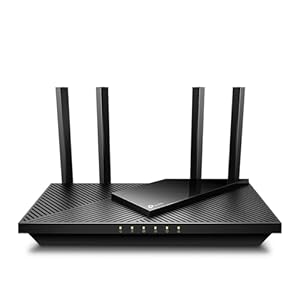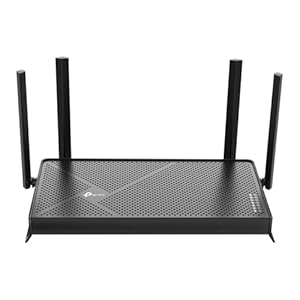
Snapshot / Key Takeaways
Allo Communications is a fiber-to-the-home (FTTH) internet provider that builds its own fiber network into communities rather than reselling someone else's infrastructure — often described as an "overbuilder" because it typically enters markets that already have an incumbent cable or telecom provider and lays new fiber lines alongside or in competition with them. Allo's network is anchored in Nebraska, with expansion markets in Colorado and Arizona; the complete, current market list changes as Allo continues building, so check Allo's own coverage map for the up-to-date footprint rather than treating any state-level summary as final. The provider is generally positioned around symmetric speed tiers (upload speeds that match download speeds) and a no-long-term-contract posture, though shoppers should confirm both of those details at order time since terms can vary by market and have changed over time.
- What it is: a regional fiber-to-the-home provider, not a national carrier.
- Where it operates: a multi-state footprint anchored in Nebraska, with expansion markets in Colorado and Arizona — availability is address-specific within those markets, not statewide, so confirm your exact address on Allo's own site rather than assuming a state-level "yes" applies to you.
- What it's known for: symmetric upload/download speed tiers and a community-fiber deployment approach.
- Contract posture: commonly marketed as no-contract, but shoppers should verify this for their specific address and plan at the time of ordering.
- Best use case: households and small businesses inside an active Allo fiber footprint who want fiber-grade upload performance.
Plans & Pricing Overview
Allo generally structures its residential lineup around a small number of speed tiers rather than a single one-size-fits-all plan — commonly an entry-level tier for light use, a mid-range tier aimed at typical multi-device households, and a top-end tier for heavier bandwidth needs like large uploads or many simultaneous 4K streams. Because a provider's tier names, prices, and headline speeds change over time and can vary by market, we do not publish specific numbers on this page. Every figure a shopper needs to make a decision — monthly price, advertised download and upload speeds, data allowances, and any promotional rate — should be confirmed directly with Allo or in Allo's own published rate card for the exact serviceable address.
- Entry tier: typically the lowest-speed residential option, aimed at light browsing and streaming — confirm the current speed and price for your address directly with Allo.
- Mid tier: typically sized for a multi-device household running several streams or video calls at once — confirm current speed and price with Allo.
- Top tier: typically the highest residential speed Allo offers in a given market, aimed at heavy simultaneous use or large uploads — confirm current speed and price with Allo.
- Business plans: whether Allo offers a separate business lineup, and how it differs from residential, varies by market — ask Allo directly for your address.
- Promotional pricing: any introductory rate and what it reverts to afterward should be confirmed at the time of ordering, since promotional structures change without much public notice.
Because fiber pricing structures can shift with local competition, treat any number you see elsewhere on the internet — including on this site if it hasn't been refreshed — as a starting point to verify, not a final answer.
Who Allo Is Actually Right For
Allo tends to make the most sense for a specific set of shoppers, and it's a poor fit for others. Being direct about both sides is more useful than a generic "great for everyone" pitch.
Good fit:
- Households with multiple people who work from home, take video calls, or upload large files regularly and want upload speeds that don't lag behind download speeds.
- Multi-device homes (streaming, gaming, smart-home devices, remote work) that need consistent performance rather than a connection that degrades under simultaneous use.
- Shoppers in Allo's overbuild markets who are price- or contract-sensitive and want to compare a no-long-term-commitment option against an incumbent cable or telecom provider.
- Anyone who has hit upload bottlenecks with cable internet (which is typically asymmetric — much faster downloads than uploads) and wants to see if fiber solves that specific problem.
Not a good fit:
- Anyone outside Allo's actual buildout markets — this is not a nationwide provider, and it is not statewide even in the states where it operates.
- Shoppers who need a single account that works consistently across multiple states or who travel and need national roaming-style support from one carrier.
- Renters or homeowners in a building where the property doesn't already have fiber access installed or available for hookup, since FTTH requires a physical fiber line to the unit.
Availability & Coverage Reality Check
Availability is the single most important thing to verify before getting attached to any specific Allo plan, and it should never be treated as a blanket yes/no across an entire state. Allo's fiber network is built city by city and neighborhood by neighborhood, so being in a state Allo serves does not mean fiber is live at a specific address.
When this page states availability, it does so at one of five distinct confidence levels, and shoppers should know the difference:
- ZIP-estimate: availability inferred from ZIP-code-level data, which can include addresses both inside and outside the actual buildout.
- FCC-reported: availability drawn from FCC broadband deployment filings, which are provider-reported and can lag real-world buildout by months.
- Provider-coverage: availability as stated on Allo's own coverage or expansion pages, generally more current than FCC filings but still not address-specific.
- Provider-confirmed-address: availability checked against a specific street address using Allo's own lookup tool.
- User-confirmed-orderable: the strongest signal — a shopper has actually completed an order flow to the point where Allo confirms service is installable at that address.
Market and expansion-area detail for Allo changes as new fiber goes live, so treat any summary of "where Allo operates" — including this page's — as provider-coverage-level at best. The only way to know with certainty whether Allo is buildable at your specific address is to run an address-level check directly with Allo — a ZIP-level "yes" is not the same thing as an installable line at your door.
How the Fiber Network Actually Works
Allo's network uses fiber-to-the-home (FTTH) technology, which means a fiber-optic cable runs from Allo's network all the way to the equipment inside or on the outside of the customer's home, rather than fiber ending at a neighborhood cabinet and finishing the last stretch over older copper or coaxial cable (as some "fiber" marketing from cable and phone companies actually does). This end-to-end fiber connection is what makes symmetric speeds possible: the same physical medium can carry data upstream and downstream at comparable rates, unlike cable internet, which is built around asymmetric performance — fast downloads, much slower uploads — because of how that older infrastructure was originally designed for one-way video delivery.
In practical, day-to-day terms, symmetric fiber tends to show up in a few concrete ways:
- Uploading large files (photos, video footage, backups to cloud storage) completes closer to the same speed as downloading, rather than crawling.
- Video calls hold up better when someone else in the house is also streaming or gaming, since upload bandwidth isn't being starved by other traffic.
- Multiple simultaneous heavy users — several people streaming, gaming, or on video calls at once — are less likely to compete for a thin upload lane.
- Latency on fiber connections is generally lower and more consistent than on cable or fixed wireless, which matters for gaming and real-time video more than for basic browsing.
None of this changes the fact that actual real-world speeds still depend on the specific plan tier purchased, home Wi-Fi equipment, and how many devices are active at once — fiber removes one bottleneck, not all of them.
Signing Up, Installation & First 30 Days
Most of what a shopper actually experiences with a provider happens after they click "order," and that stretch gets skipped by most comparison sites. Here is what typically happens, in general sequence, though exact steps and timing should be confirmed with Allo for a specific address:
1. Order confirmation. After placing an order online or by phone, expect a confirmation of the plan selected, the confirmed serviceable address, and an initial installation window. 2. Scheduling. Allo (like most fiber providers) schedules a technician appointment; because fiber sometimes requires a new physical drop to the home, first-time installs at a given address can take longer to schedule than a simple modem swap would. 3. Self-install vs. professional install. Some fiber providers offer a self-install kit when the fiber line to the home already exists; when a new fiber drop has to be run to the property, a professional technician visit is typically required. Which applies depends on whether Allo's network already terminates at that address — confirm this when ordering. 4. Equipment setup. A technician or self-install kit will typically involve an Optical Network Terminal (ONT) that converts the fiber signal, plus a router/gateway — whether the router is owned, rented, or customer-supplied is a detail to confirm rather than assume. 5. First billing cycle. Watch the first bill closely: this is where one-time installation fees, equipment charges, prorated partial-month charges, and the transition off any promotional rate typically first appear. A bill that looks different from the advertised monthly price in month one is common and usually explainable — but it should be explainable, and the shopper should ask if it isn't.
If anything in the order process feels unclear — installation timing, whether a technician visit is required, or what the first bill will actually include — that is a normal and reasonable thing to ask Allo directly before the appointment, not after.
Fees, Contract Terms & Fine Print
Because exact fees change by market and over time, this page describes the categories of charges a shopper should ask about rather than dollar figures. Specific dollar amounts vary by plan and address and should be confirmed directly with Allo before you order.
- Installation fees: whether a standard installation charge applies, whether it's waived under current promotions, and whether a professional-install fee differs from a self-install fee.
- Equipment fees: whether the router/ONT is included, rented for a monthly fee, or must be purchased.
- Contract terms: whether the plan is month-to-month or requires a term commitment, and what an early termination fee looks like if a term plan is involved.
- Deposits: whether a deposit applies for certain credit profiles or business accounts.
- Rate changes after a promotional period: what the plan reverts to once an introductory rate ends, and how much advance notice is given.
- Taxes and regulatory fees: these are typically separate from the advertised plan price and vary by locality.
Because Allo operates across multiple states with different local tax and regulatory environments, fine print that applies in one market may not exactly match another. Always confirm fee details for the specific address being ordered, not a general statement seen elsewhere.
Allo vs. the Alternatives in Its Markets
A shopper comparing Allo is usually choosing between a small number of technology types available at their address, not between an unlimited list of providers. For a broader look at how fiber overbuilders like Allo stack up nationally, see our best fiber internet providers roundup. Here's how these categories typically trade off against each other, without naming specific competitor pricing:
| Comparison basis | Allo (fiber overbuilder) | Cable incumbent | Fixed wireless | |---|---|---|---| | Upload speed | Symmetric — upload generally matches download | Typically asymmetric — upload well below download | Varies by signal quality; generally more variable than fiber | | Contract flexibility | Commonly marketed no-contract, verify per market | Often offers both contract and no-contract tiers | Frequently no-contract | | Footprint size | Narrow — specific cities/neighborhoods only | Usually broad within its cable plant area | Can extend into areas fiber and cable don't reach | | Installation complexity | Can require a new fiber drop for first-time buildout | Often simpler if existing cable line is already at the home | Typically simplest — outdoor/indoor receiver, no buried line | | Reliability in bad weather | Generally stable — unaffected by most weather | Generally stable | Can be more sensitive to weather and line-of-sight obstructions |
The right choice depends on which of these tradeoffs matters most at a given address — someone who never uploads large files and already has reliable cable may see little practical benefit from switching, while someone doing frequent video calls, large uploads, or hosting multiple heavy users at once is the profile most likely to notice the difference fiber makes.
Customer Service & Support Channels
Support channel details — phone hours, live chat availability, self-service account management, and typical response times — vary by market and change over time, so confirm them directly with Allo rather than relying on a general summary. Rather than repeating generic assurances, here is what is actually worth checking before signing up, because these are the support facts that matter most in the first year of service:
- How outages are communicated: whether Allo maintains a status page or sends proactive outage notices for your market, or whether you only find out by calling in.
- Who answers the phone: whether support for your market is handled locally or centrally, and during what hours — this matters most while an installation issue is being worked out.
- Self-service scope: what the online account portal actually lets you do (change plans, reschedule technician visits, check outage status) versus what requires a phone call.
- Escalation path for installation problems: first-time fiber drops occasionally hit construction or permitting delays; ask up front who to contact if an install date slips, before it slips.
Verify these details for the specific market being ordered in, since support structure and hours can differ between Allo's markets. If Allo isn't in your area at all, browse all providers we cover to see what else is available at your address.
How We Vet This Page (Methodology & Freshness)
We built this page to be a working reference, not a one-time listing, and we hold it to a specific standard for how information gets checked and updated. Here's what that means concretely:
We cross-reference three categories of source material for any provider profile on this site: FCC broadband deployment data (which tells us where a provider has reported serviceable infrastructure, understanding that these filings can lag real-world buildout), the provider's own published rate card and plan pages (which is the most current source for plan names, tier structure, and stated terms), and, where available, direct outreach to the provider to confirm details that aren't clearly published, such as installation timelines or current promotional terms. We do not publish specific prices, speeds, or contract terms without being able to trace them to one of these sources — where a figure can't currently be traced to a dated source, this page describes the category of information a shopper should ask about instead of guessing at a number.
This page is scheduled for periodic re-verification rather than a one-time write-and-forget publish. When a claim on this page was last checked matters — a coverage claim or price that was accurate six months ago may not be accurate today, particularly for a growing fiber overbuilder that is actively expanding its footprint. Where this page displays a "last verified" date, that date reflects when the underlying claims were most recently checked against the sources above, not simply when the page copy was last edited.
Check Availability at Your Address
None of the general market and plan information above tells you what's actually available at your specific address, at what price. Check availability at your address to get a real, address-level read before you decide anything.
Frequently Asked Questions
Does Allo require a long-term contract? Allo has generally been marketed with a no-long-term-contract posture, but contract terms can vary by market and by plan. Confirm the specific contract terms for your address and plan at the time of ordering rather than assuming a blanket policy applies everywhere Allo operates.
Do I own or rent the equipment? Whether the router and ONT (the device that connects fiber to your home network) are included, rented, or purchased depends on the plan and market — ask directly when ordering rather than assuming one arrangement applies everywhere.
What happens when my promotional rate ends? Most fiber providers, including overbuilders like Allo, offer an introductory or promotional rate for a limited period before the plan reverts to a standard rate. The specific promotional period and the standard rate it reverts to vary by market and change over time, so confirm both before signing up so there are no surprises on a later bill.
Can I take my Allo service with me if I move? Because Allo's network is built city by city, moving to a new address only keeps your service if the new address is also within an active Allo fiber footprint. Moving outside Allo's coverage footprint, or even to a different neighborhood within the same city that hasn't been built out yet, would end eligibility for continued service at the new address.
Is Allo available everywhere in the states it serves? No. Allo's footprint is specific to the cities and neighborhoods it has actually built fiber into, not any entire state or metro area. Treat any general "Allo serves this state" statement as a starting point — a provider-coverage-level signal at best — and confirm availability at your specific address before assuming service is available.
How is Allo different from my current cable provider? The most consistent structural difference is symmetric speed — Allo's fiber network is generally built to deliver upload speeds comparable to download speeds, while cable networks are typically built with much slower upload than download. Whether that difference matters to a given household depends on how much uploading, video calling, or simultaneous heavy use that household does.
Bottom line
Allo is a reasonable option worth comparing seriously if you live inside its actual fiber footprint and your household does the kind of things symmetric upload speed actually helps with — frequent video calls, large file uploads, or several people using bandwidth-heavy applications at the same time. Its no-long-term-contract posture (once confirmed for your specific market) also makes it a lower-commitment way to try fiber against an incumbent cable provider.
It's not the right pick — or simply not an option — if you're outside its buildout markets, if your address hasn't actually been built out despite being in a city Allo technically serves, or if your usage pattern doesn't stress upload bandwidth in the first place, in which case a less expensive existing connection may already be doing the job.
Before ordering, double-check three things directly with Allo: that your specific address is confirmed serviceable (not just ZIP- or city-level), what the plan actually costs after any promotional period ends, and what installation will involve at your address — self-install or a technician visit. Those three checks are where most of the surprises with any provider, fiber or otherwise, tend to show up.