Read our comprehensive review of Buckeye Cable. Compare plans, pricing, speeds, coverage, and customer satisfaction ratings.
Key Takeaways
- Technology: Cable, Fiber
- Max Speed: Up to 1 Gbps
- Starting Price: $55/month
- Contract: Options for both contract and month-to-month
- Best For: Households needing reliable internet service
Buckeye Broadband Plans & Pricing
Here are the current Buckeye Broadband internet plans available:
| Plan | Speed | Price | Data Cap |
|---|---|---|---|
| Basic | 100 Mbps | $55/mo | None |
| Standard | 300 Mbps | $75/mo | None |
| Premium | 500 Mbps | $90/mo | None |
| Gigabit | 1 Gbps | $105/mo | None |
Pros
- Fast speeds up to 1 Gbps
- Competitive pricing from $55/mo
- Wide availability across service areas
- Reliable network performance
Cons
- Availability varies by address
- Equipment fees may apply
- Promotional prices may increase after 12 months
- Customer service wait times can be long
Decision Engine: Is Buckeye Broadband Right for You?
Choose Buckeye Broadband if: You need reliable cable, fiber internet with good speeds and competitive pricing in your area.
Avoid Buckeye Broadband if: You need the absolute fastest speeds available or Buckeye Broadband isn't available at your address.
Consider instead: Compare with similar providers like AT&T, Xfinity, or Spectrum to find the best deal in your area.
Equipment and Installation Options
When signing up for Buckeye Cable, you can choose between professional installation and self-installation depending on your connection type. Professional installation typically costs $50-100 and includes equipment setup, line testing, and WiFi optimization for your home layout. Self-installation kits are available for most plans and include step-by-step instructions, all necessary cables, and a preconfigured modem or gateway device.
Self-installation takes approximately 30-60 minutes and saves on setup costs.
For equipment, Buckeye Cable offers the option to rent a modem and WiFi router for a monthly fee or use your own compatible equipment. Purchasing your own modem and router costs $140-250 upfront but saves $10-15 per month in rental fees, paying for itself within 12-18 months. If you choose to rent, the provider handles all firmware updates and equipment replacements at no additional charge.
Customer Support and Service Experience
Buckeye Cable provides customer support through multiple channels including phone, live chat, and an online help center. Phone support is available for technical issues, billing questions, and service changes. Many common tasks such as paying bills, upgrading plans, and scheduling appointments can be handled through the provider's website or mobile app without waiting on hold.
For technical troubleshooting, Buckeye Cable support agents can run remote diagnostics on your connection to identify issues before scheduling a technician visit. If an on-site visit is required, the provider typically offers appointment windows and will credit your account for verified service outages exceeding 24 hours.
How to Choose the Right Buckeye Cable Plan
Selecting the best plan depends on your household's internet usage patterns. For 1-2 people doing basic browsing, email, and occasional streaming, the lowest available tier provides adequate performance. Households with 3-5 members who stream video, work remotely, and game online should consider mid-tier plans offering 300-500 Mbps.
Power users with many connected devices or who upload large files benefit from gigabit-level plans.
Consider your upload speed needs as well. Remote workers participating in frequent video conferences require at least 10 Mbps upload for reliable HD video quality. Content creators and live streamers need 25-50 Mbps or more for consistent output quality.
Compare upload speeds across available plans, as they vary significantly by technology type and plan tier.
How Buckeye Cable Compares to Other Providers
When evaluating Buckeye Cable against competing providers in your area, compare these key factors: actual download and upload speeds (not just advertised maximums), monthly pricing after promotional periods end, contract requirements and early termination fees, data caps or usage limits, equipment rental costs versus purchasing your own, and customer service ratings from independent review sites. The best provider for your household depends on which combination of these factors aligns with your priorities and budget.
Speed test data from independent sources shows that actual speeds can vary from 60-95% of advertised maximums depending on network congestion, time of day, and distance from network infrastructure. Testing during both peak hours (7-11 PM) and off-peak times gives the most accurate picture of real-world performance. Many providers also offer speed guarantees or credits if performance consistently falls below a specified threshold.
Understanding Your Buckeye Cable Bill
Your monthly Buckeye Cable bill may include several line items beyond the base internet plan price. Common additional charges include equipment rental fees for modems and routers ($10-15/month), WiFi management fees ($5-10/month), broadcast TV surcharges if bundled with television, and regulatory recovery fees. Understanding each charge helps you identify opportunities to reduce your bill, such as purchasing your own compatible equipment to eliminate rental fees.
Review your bill regularly for rate increases, especially after promotional periods expire. Many customers do not notice gradual price increases that accumulate over time. If your rate has increased significantly from when you first signed up, contact the retention department to negotiate a better rate.
Having competitor pricing information available when you gives you leverage to secure discounts of $10-30 per month in many cases.
Troubleshooting Common Buckeye Cable Issues
If you experience connectivity problems with Buckeye Cable, start with the basics: power cycle your modem and router by unplugging both for 30 seconds, then reconnecting the modem first and waiting for all lights to stabilize before plugging in the router. This simple step resolves the majority of intermittent connection issues by clearing temporary memory problems and refreshing your network connection.
For persistent speed issues, test your connection using a wired Ethernet connection directly to the modem to rule out WiFi problems. If wired speeds are normal but WiFi is slow, the issue is with your wireless network configuration or equipment rather than the internet service itself. Check for firmware updates on your router, reduce interference by moving the router away from other electronics, and consider upgrading to a WiFi 6 router if yours is more than 3-4 years old.
Buckeye Cable Network Upgrades and Future Plans
Internet providers are continuously investing in network infrastructure to meet growing demand for bandwidth. Average household data consumption has roughly doubled every three years, driven by increasing resolution of streaming content, proliferation of smart home devices, cloud-based applications, and the permanent shift toward remote and hybrid work arrangements. These trends ensure that network upgrades remain a priority for all major providers.
When choosing a plan today, consider how your internet needs might evolve over the next two to three years. The number of connected devices in the average American home is projected to exceed 25 by 2028, each competing for bandwidth. Selecting a plan with some headroom above your current needs ensures a smooth experience as your household's internet usage grows naturally over time without requiring a premature plan upgrade.
Ready to get connected? now for exclusive deals:
Frequently Asked Questions
Can I stream 4K video with Buckeye Cable?
Most of Buckeye Cable's mid-tier and higher plans provide sufficient speeds for 4K streaming, typically requiring 25+ Mbps.
Does Buckeye Cable offer student or senior discounts?
Discount programs vary. Contact Buckeye Cable directly or check their website for current promotional offers and eligibility.
What is Buckeye Cable's cancellation policy?
Cancellation policies vary by contract type. Check Buckeye Cable's terms of service or contact customer service for details.
What areas does Buckeye Cable serve?
Buckeye Cable serves multiple states and regions across the country. Check their coverage map for availability in your specific location.
How reliable is Buckeye Cable's service?
Reliability varies by location and infrastructure. Check customer reviews and J.D. Power ratings for insights into service quality.
Disclosure: Some of the links and phone numbers on this page are affiliate links, meaning we may earn a commission if you make a purchase or sign up for a service. Our recommendations are based on independent research and testing, and our editorial content is not influenced by advertisers or affiliate partnerships. Learn more about our editorial process.
Making the Right Choice
Selecting the right internet provider is a decision that impacts your daily digital life for months or even years to come. When evaluating Buckeye Broadband alongside other options in your area, consider not just the advertised speed and price, but the total value proposition including reliability, customer support quality, equipment costs, and contract flexibility. Read recent customer reviews from users in your specific area, as service quality can vary between regions.
Take advantage of any trial periods or money-back guarantees to test the service before making a long-term commitment. Remember that the cheapest plan is not always the best value when you factor in hidden fees, data caps, and potential speed throttling during peak hours. Investing a little more each month for a reliable, high-speed connection often pays dividends in productivity, entertainment quality, and overall household satisfaction with your internet service.
Buckeye Broadband: A Deeper Look at Company History
Buckeye Broadband (originally Buckeye CableSystem) was founded in 1966 in Toledo, Ohio by Block Communications, the local media company that also owns The Blade newspaper. For nearly 60 years, Buckeye has been northwest Ohio's primary cable television and internet provider, serving the Toledo metropolitan area and surrounding communities with a commitment to local service that national chains cannot match.
The company invested heavily in network upgrades throughout the 2000s and 2010s, transitioning from analog cable to digital and deploying DOCSIS 3.1 technology for gigabit internet speeds. In recent years, Buckeye has begun expanding fiber-to-the-home service in select Toledo neighborhoods and new housing developments, bringing symmetric gigabit speeds to customers who previously relied on cable infrastructure.
As a locally owned company (Block Communications remains the parent), Buckeye Broadband reinvests in the northwest Ohio community. The company sponsors local events, supports community organizations, and maintains a local center in Toledo rather than outsourcing customer service to distant locations. This local focus means customers interact with representatives who understand the specific needs and challenges of northwest Ohio communities.
Buckeye serves approximately 150,000 customers across Toledo, Sandusky, Defiance, Bucyrus, Erie County, Ottawa County, and other northwest Ohio communities. The company offers internet, cable TV, and phone services, making it one of the few remaining independent cable operators in the United States.
How Buckeye Broadband Technology Works
Buckeye operates a hybrid fiber-coaxial (HFC) network using DOCSIS 3.1 technology for most of its coverage area. The cable infrastructure delivers download speeds up to 1 Gbps and upload speeds up to 50 Mbps. In newer deployments, Buckeye is building fiber-to-the-home (FTTH) infrastructure for symmetric gigabit speeds.
DOCSIS 3.1 technology uses the existing coaxial cable infrastructure but supports significantly higher speeds than older standards. Data travels from Buckeye's headend facility via fiber to neighborhood nodes, then via coaxial cable to your home. This hybrid approach keeps costs down while delivering competitive speeds.
The main limitation of cable technology compared to fiber is asymmetric speeds — upload speeds (10-50 Mbps) are much slower than downloads (100 Mbps-1 Gbps). For households that primarily stream video and browse, this imbalance rarely matters. But for remote workers, content creators, and gamers who stream, upload speed matters, and fiber is the better option where available.
Equipment, Installation and Setup Guide
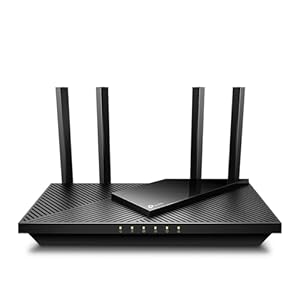
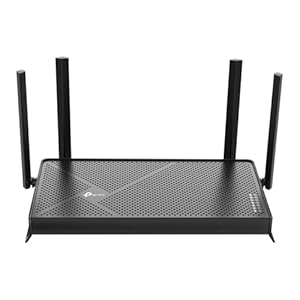
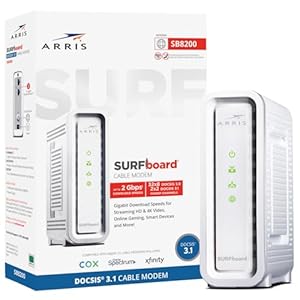
Buckeye includes a WiFi modem on all plans. The modem supports DOCSIS 3.1 and WiFi 6. For the 1 Gig plan, a WiFi 6 router upgrade is included.
Professional installation is required for new customers ($60, frequently waived). Self-install kits are available at existing cable locations. Mesh WiFi extenders cost $5/month per node.
Equipment return required within 10 days of cancellation.
Installation Tips
- Schedule during a time when you can be home for the full 2-3 hour appointment window
- Clear the area around your desired modem/router location
- Test WiFi in all rooms after installation and request mesh extenders for dead zones
- Save your account number and WiFi password in a safe place
Fees, Contracts and Hidden Costs
Buckeye Broadband has no contracts — all plans are month-to-month. Professional installation is $60 (often waived). No activation fee for online orders.
Data caps apply on lower-tier plans: 500 GB (Starter), 1 TB (Plus), 1.5 TB (Premier). The 1 Gig Xtreme plan includes unlimited data. Data overage charges: $10 per 50 GB block.
Late payment fee: $10 after 30 days. Equipment non-return fee: $150-$200.
How Buckeye Broadband Compares to Competitors
| Provider | Starting Price | Max Speed | Data Caps |
|---|---|---|---|
| Buckeye Broadband | $55/mo | 1 Gbps | Yes (except 1 Gig) |
| Spectrum | $50/mo | 1 Gbps | No |
| AT&T | $55/mo | 5 Gbps | No |
| T-Mobile Home Internet | $50/mo | 245 Mbps | No |
Buckeye's advantages are local ownership, community investment, and TV/internet bundle options. The trade-offs are data caps on lower plans and higher pricing than some national competitors. For northwest Ohio residents who value local service, Buckeye remains a strong choice.
Our Verdict on Buckeye Broadband
Buckeye Broadband is a solid choice for northwest Ohio residents who value local ownership and community investment. While pricing is slightly higher than national competitors and data caps apply on lower plans, the local service quality, TV bundle options, and community commitment make Buckeye a worthy consideration for Toledo-area households.