Frontier Fiber Equipment Overview
Frontier's approach to home networking equipment has evolved significantly in recent years. The company's partnership with eero (an Amazon-owned mesh networking company) means Frontier customers receive premium Wi-Fi hardware that would cost $200-400 to purchase independently. Understanding the equipment included with your Frontier Fiber service helps you get the most out of your connection.
Every Frontier Fiber installation involves two key pieces of hardware: the ONT (Optical Network Terminal) that connects to the fiber network, and the eero router that distributes your Wi-Fi signal throughout your home. Let's examine each component in detail.
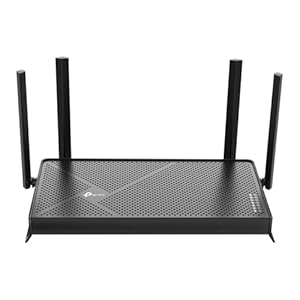
The eero Wi-Fi 6E Router
Key Specifications
- Wi-Fi Standard: Wi-Fi 6E (802.11ax) with tri-band support (2.4 GHz, 5 GHz, 6 GHz)
- Coverage: Up to 2,000 square feet per unit
- Maximum Device Support: 100+ connected devices
- Ethernet Ports: 2 Gigabit Ethernet ports per unit
- Processor: Qualcomm quad-core 1.0 GHz
- Security: WPA3 encryption, automatic threat detection
- Setup: Via the eero mobile app (iOS and Android)
Wi-Fi 6E Advantages
The eero Wi-Fi 6E router represents a significant upgrade over previous-generation equipment. Wi-Fi 6E introduces the 6 GHz frequency band, which provides several benefits:
- Less interference — The 6 GHz band is relatively uncrowded compared to 2.4 GHz and 5 GHz, meaning fewer neighboring networks competing for bandwidth.
- Higher throughput — Wider channel widths on the 6 GHz band enable faster data transfer rates, critical for getting the most out of gigabit and multi-gig fiber plans.
- Lower latency — Reduced congestion translates to more responsive connections, benefiting gamers, video callers, and smart home devices.
To take full advantage of Wi-Fi 6E, your devices need to support the standard. Most smartphones, laptops, and tablets released since 2022 include Wi-Fi 6E compatibility. Older devices will still connect using Wi-Fi 5 or Wi-Fi 6, which the eero supports simultaneously.
Whole-Home Mesh Coverage
If a single eero unit doesn't provide sufficient coverage for your home, Frontier may offer additional eero mesh extenders. These extenders create a seamless mesh network throughout your home, automatically routing your devices to the strongest access point as you move between rooms. There's no need to switch between network names since the mesh operates under a single SSID.
For larger homes (over 2,500 square feet), adding one or two mesh extenders can eliminate dead zones in far rooms, basements, or outdoor areas. Contact Frontier at to discuss mesh options for your home.
The ONT (Optical Network Terminal)
What Is an ONT?
The Optical Network Terminal is the device that serves as the demarcation point between Frontier's fiber optic network and your home network. It receives the fiber optic light signal traveling through the glass strand and converts it into an electrical Ethernet signal that your router can process. Think of it as a translator between the fiber world and the traditional networking world.
ONT Specifications
- Mounting: Wall-mounted, typically near the fiber entry point (exterior wall, garage, or utility closet)
- Power: Requires standard 120V outlet; includes battery backup option
- Ports: Fiber input, Ethernet output (1 Gbps or 10 Gbps depending on model), phone port (for VoIP service)
- Size: Approximately 9" x 6" x 2" (varies by model)
- LED Indicators: Power, fiber link, Ethernet, alarm
ONT Placement Considerations
The ONT is installed where the fiber cable enters your home. While its location is somewhat constrained by the fiber path, you can discuss preferred placement with the technician during your installation appointment. Common locations include the garage, basement utility area, or an exterior wall near where the fiber strand connects.
The ONT needs to be within Ethernet cable reach of your router. Standard Ethernet cables support up to 328 feet (100 meters), so in most homes there's flexibility in where the router is placed relative to the ONT.
Using Your Own Router (Bridge Mode)
Advanced users who prefer their own networking equipment can use Frontier's ONT with a third-party router. This is accomplished by putting the eero in bridge mode or connecting your router directly to the ONT's Ethernet output. Here's how:
- Connect your router to the ONT — Use an Ethernet cable from the ONT's Ethernet port to your router's WAN port.
- Configure your router — Set your router to use DHCP on the WAN interface. Frontier's network will assign your router a public IP address automatically.
- Disable the eero (optional) — If you want to fully replace the eero, you can disconnect it. However, some Frontier support features rely on the eero being connected, so you may want to keep it powered on but unused.
Note that using your own router means Frontier's technical support may have limited ability to help troubleshoot Wi-Fi-specific issues, as they can only support their provided equipment. The ONT and fiber connection will still be fully supported regardless of what router you use.
Recommended Third-Party Routers
If you choose to use your own equipment, look for routers that support:
- Wi-Fi 6E or Wi-Fi 7 for maximum throughput
- 2.5 Gbps or 10 Gbps WAN port for multi-gig plans
- QoS (Quality of Service) settings for traffic prioritization
- Regular firmware updates for security patches
Equipment Fees and Costs
Frontier's current equipment policy includes the eero router at no additional monthly charge with most fiber plans. This is a significant value compared to competitors who charge $10-15/month for router rental. Key cost details:
- eero router: Included at no extra monthly cost with most Frontier Fiber plans
- ONT: Provided and installed by Frontier at no separate charge
- Additional mesh extenders: May incur a small monthly fee or one-time charge depending on your plan
- Equipment return: If you cancel service, Frontier may require return of the eero router
For a complete breakdown of all costs associated with Frontier Fiber, visit our fees and costs guide.
Troubleshooting Equipment Issues
eero Router
- Slow Wi-Fi speeds: Try moving the eero to a more central location, away from walls, metal objects, and other electronics. Run a speed test using the eero app to compare wired vs. wireless speeds.
- Intermittent connection: Restart the eero by unplugging it for 30 seconds, then plugging it back in. Check the eero app for firmware updates.
- Devices not connecting: Ensure your device supports the Wi-Fi band being used. Try forgetting and reconnecting to the network.
ONT
- No light on fiber indicator: This suggests a fiber signal issue. Check that the fiber cable is securely connected to the ONT. If the issue persists, contact Frontier support as the issue is likely on their network side.
- Flashing alarm LED: An alarm indicator typically means the ONT has lost its connection to Frontier's network. Check for outages in your area before calling support.
- No power: Verify the ONT is plugged in and the outlet is working. If using battery backup, the battery may need replacement (batteries typically last 4-8 hours during outages and have a 3-5 year lifespan).
For persistent issues, contact Frontier's technical support or .
Equipment FAQs
Is the eero router free with Frontier Fiber?
Yes, Frontier includes the eero Wi-Fi 6E router at no extra monthly cost with most fiber plans. This saves you $10-15/month compared to providers that charge for equipment rental, and the eero is a premium mesh router that retails for $200+ when purchased separately.
Can I use my own router with Frontier Fiber?
Yes, you can connect your own router directly to the ONT's Ethernet port. Advanced users often prefer this for features like custom DNS, VPN integration, or advanced QoS settings. Frontier's technical support may be limited to the ONT and fiber connection when using third-party equipment.
What is the ONT and where is it installed?
The ONT (Optical Network Terminal) converts the fiber optic signal into an Ethernet signal for your home network. It's wall-mounted near where the fiber cable enters your home, typically in a garage, basement, or exterior wall. It requires a power outlet and connects to your router via Ethernet cable.
Does the ONT have battery backup?
Some Frontier ONT models include a battery backup slot that can keep the ONT powered during outages for 4-8 hours. However, your router also needs power to maintain internet access. A UPS (uninterruptible power supply) for both devices provides the most reliable backup during power outages.
Do I need to return equipment if I cancel Frontier?
Yes, Frontier typically requires you to return the eero router within 30 days of cancellation. The ONT remains mounted on your home but becomes inactive. Frontier provides a prepaid shipping label for equipment returns. Failure to return equipment may result in an unreturned equipment fee.
Does Frontier charge for the router?
No, Frontier includes a Wi-Fi 6 eero router at no additional monthly cost with all fiber plans. This saves approximately $10-15/month compared to competitors who charge equipment rental fees.
Can I use my own router with Frontier Fiber?
Yes, you can use your own router with Frontier Fiber. The ONT (Optical Network Terminal) has an Ethernet port that connects to any compatible router. Many customers use their own mesh systems for extended coverage.