Frontier Fiber Internet in Minneapolis, MN
Frontier Fiber offers symmetrical fiber-optic internet service to residents across much of Minneapolis, Minnesota, with plans starting at $49.99 per month for 500 Mbps speeds. As a city known for its tech-forward culture and high broadband adoption rates, Minneapolis residents can take advantage of Frontier's pure fiber network that delivers equal upload and download speeds. To check availability at your address or sign up, .
Frontier Fiber Plans Available in Minneapolis
Frontier has simplified its internet lineup in the Minneapolis market, offering three straightforward fiber plans with no annual contracts and no data caps. Each plan includes a free Wi-Fi 6 router, which is a significant advantage over competitors that often charge monthly equipment rental fees. Here is a breakdown of Frontier Fiber plans currently available to Minneapolis households:
| Plan | Download Speed | Upload Speed | Monthly Price | Contract | Data Cap |
|---|---|---|---|---|---|
| Fiber 500 | 500 Mbps | 500 Mbps | $49.99/mo | None | Unlimited |
| Fiber 1 Gig | 1,000 Mbps | 1,000 Mbps | $74.99/mo | None | Unlimited |
| Fiber 2 Gig | 2,000 Mbps | 2,000 Mbps | $149.99/mo | None | Unlimited |
For most Minneapolis households, the Fiber 500 plan at $49.99 per month provides more than enough bandwidth for streaming, remote work, and everyday browsing. Families with multiple heavy users or those who frequently upload large files to cloud storage may find the Fiber 1 Gig plan worth the upgrade. The Fiber 2 Gig tier is best suited for power users, content creators, and small businesses operating from home. To learn more about each plan's features, visit the Frontier Fiber plans page.
Frontier Fiber Coverage in Minneapolis
Frontier has been expanding its fiber footprint across Minneapolis as part of a broader initiative to bring next-generation broadband to major metropolitan areas in Minnesota. The Twin Cities region represents one of Frontier's key growth markets, and the company has invested significantly in building out fiber infrastructure throughout the city.
Frontier Fiber coverage in Minneapolis tends to be concentrated in several key areas. Neighborhoods in south Minneapolis including Linden Hills, Lynnhurst, and Tangletown have seen notable fiber buildout activity. Parts of northeast Minneapolis, including the areas around St. Anthony Main and Nordeast, may also have access to Frontier's fiber network. Downtown Minneapolis and the surrounding Elliot Park, Loring Park, and North Loop neighborhoods are among the areas where Frontier has focused residential fiber deployment.
However, coverage is not universal across all Minneapolis neighborhoods. Some areas, particularly in north Minneapolis and certain pockets of the western suburbs adjacent to the city, may still rely on Frontier's legacy DSL infrastructure or may not have Frontier service at all. The best way to confirm whether Frontier Fiber is available at your specific address is to and speak with a representative who can check real-time availability.
Frontier continues to expand its fiber network in Minneapolis and across Minnesota. For a broader view of Frontier's presence in the state, see our Frontier Fiber Minnesota coverage page.
How Frontier Fiber Compares to Other Minneapolis Providers
Minneapolis has a relatively competitive broadband market, giving residents several options beyond Frontier Fiber. Understanding how Frontier stacks up against local alternatives is essential for making an informed decision.
Frontier Fiber vs. Xfinity: Xfinity by Comcast is the dominant cable internet provider in Minneapolis, offering speeds ranging from 75 Mbps to 2 Gbps. While Xfinity's top-tier speeds are impressive, its plans come with data caps on most tiers (1.2 TB per month) and upload speeds that lag far behind Frontier's symmetrical connections. For example, Xfinity's gigabit plan may deliver 1,000 Mbps down but only 35 Mbps up, while Frontier's Fiber 1 Gig delivers a full 1,000 Mbps in both directions. Frontier also avoids the promotional pricing rollercoaster that Xfinity is known for. For a detailed side-by-side analysis, see our Frontier Fiber vs. Xfinity comparison.
Frontier Fiber vs. CenturyLink (Quantum Fiber): CenturyLink, now operating its fiber service under the Quantum Fiber brand, also provides fiber-to-the-home service in parts of Minneapolis. Where both providers are available, pricing and speeds are competitive. CenturyLink's fiber offerings tend to be similarly priced, making the choice come down to specific availability at your address and customer service reputation. CenturyLink also has a significant DSL footprint that may be the only wired option in some Minneapolis neighborhoods where fiber has not yet arrived.
Frontier Fiber vs. T-Mobile 5G Home Internet: T-Mobile's 5G Home Internet has gained traction in Minneapolis thanks to the city's robust 5G coverage. At around $50 per month for typical speeds of 72 to 245 Mbps, T-Mobile offers a budget-friendly alternative. However, wireless home internet is subject to network congestion and cannot match the consistent low-latency performance of Frontier's fiber connection, making it less ideal for gaming, video conferencing, and large file transfers.
Frontier Fiber vs. US Internet: US Internet is a local Minneapolis fiber provider with a loyal following. Their service covers select neighborhoods throughout the city and offers competitive gigabit pricing. US Internet's hyper-local approach means excellent customer service for those in their footprint, but their coverage area is more limited than Frontier's expanding network. Where both are available, comparing specific pricing and installation timelines is worthwhile.
For a comprehensive look at all available internet options, visit the Frontier Fiber provider hub.
Frontier Fiber Installation in Minneapolis
Getting Frontier Fiber installed at your Minneapolis home is a straightforward process, though the specifics can vary depending on whether your residence already has fiber infrastructure in place. Here is what to expect during the installation journey.
When you sign up for Frontier Fiber, a professional installation appointment will be scheduled, typically within 5 to 10 business days of your order. In Minneapolis, technician availability tends to be good given the density of the metro area, and many customers report being able to schedule appointments within the first week. Installation itself usually takes 2 to 4 hours, depending on the complexity of running fiber to your home.
For homes that have never had fiber service, the technician will need to run a fiber line from the nearest distribution point to your residence. In Minneapolis, this typically involves routing the fiber through existing conduit or along the exterior of your home to an optical network terminal (ONT) installed inside or outside the building. For apartments and condominiums in areas like the North Loop or downtown, installation may require coordination with building management.
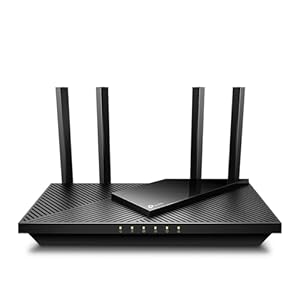
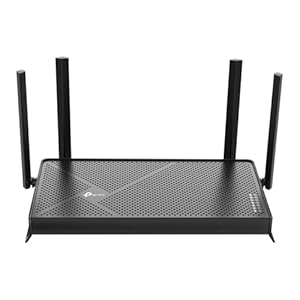
Frontier includes a Wi-Fi 6 router at no additional charge with all fiber plans. The technician will set up the router, verify your connection speeds, and help you configure your wireless network. If your Minneapolis home is larger or has multiple floors, you may want to discuss Frontier's whole-home Wi-Fi mesh extender options during installation to ensure consistent coverage throughout your space.
Minneapolis residents in older homes, particularly those in heritage neighborhoods like Lowry Hill or Kenwood, should note that running fiber may require some additional exterior work. Frontier technicians are experienced with the varied housing stock in the Twin Cities and will work to minimize any aesthetic impact on your property.
Is Frontier Fiber Worth It in Minneapolis?
For Minneapolis residents who have access to Frontier Fiber, the service represents one of the strongest broadband values available in the Twin Cities market. The combination of symmetrical speeds, no data caps, no annual contracts, and a free Wi-Fi 6 router creates a compelling package that stands up well against both national and local competitors.
The value proposition is especially strong for remote workers, which is a significant demographic in Minneapolis given the city's concentration of corporate headquarters including Target, US Bancorp, and Xcel Energy, many of which support hybrid work arrangements. Symmetrical upload speeds mean smoother video conferencing, faster cloud file synchronization, and more reliable VPN connections compared to cable internet alternatives.
Minneapolis is also a city with a thriving creative and tech community. Neighborhoods like the North Loop and Northeast have become hubs for freelancers, content creators, and small tech startups. For these users, Frontier Fiber's upload speeds and low latency deliver tangible productivity benefits that cable and wireless alternatives simply cannot match.
From a pricing perspective, Frontier's $49.99 entry point for 500/500 Mbps compares favorably to Xfinity's promotional pricing, which typically starts lower but increases significantly after 12 or 24 months. Frontier's straightforward pricing with no hidden fees and no contract lock-in means you know exactly what you are paying month after month, which many Minneapolis consumers appreciate.
The main consideration is availability. If Frontier Fiber is offered at your address, it is generally an excellent choice. If it is not yet available in your Minneapolis neighborhood, it may be worth checking back periodically as Frontier continues its fiber expansion across the metro area.
Check Frontier Fiber Availability in Minneapolis
Frequently Asked Questions
Is Frontier Fiber available in all Minneapolis neighborhoods?
Frontier Fiber is not yet available in every Minneapolis neighborhood. Coverage has been expanding steadily, with strong availability in south Minneapolis, parts of northeast, and downtown areas. The most reliable way to check availability at your specific address is to or use Frontier's online address checker.
Does Frontier Fiber have data caps in Minneapolis?
No. All Frontier Fiber plans in Minneapolis come with truly unlimited data. There are no monthly data caps, no throttling after a certain usage threshold, and no overage charges. This is a significant advantage over Xfinity, which imposes a 1.2 TB monthly data cap on most plans in the Minneapolis market.
How fast is Frontier Fiber compared to Xfinity in Minneapolis?
Frontier Fiber and Xfinity offer comparable maximum download speeds, but Frontier has a significant advantage in upload speeds. Frontier's Fiber 1 Gig plan provides 1,000 Mbps both down and up, while Xfinity's comparable gigabit plan typically offers only 35 Mbps upload. For video conferencing, cloud backups, and content creation, this difference is substantial.
Can I get Frontier Fiber in my Minneapolis apartment or condo?
Frontier Fiber is available in many Minneapolis apartment buildings and condominiums, particularly newer construction and buildings where fiber infrastructure has been installed. However, availability varies by building. Some properties may have exclusive agreements with other providers. Contact your building management and Frontier directly to confirm availability for your specific unit.
Does Frontier require a contract for fiber service in Minneapolis?
No. All Frontier Fiber plans in Minneapolis are offered on a month-to-month basis with no annual contracts. You can cancel at any time without paying an early termination fee. This no-contract approach applies to all three tiers: Fiber 500, Fiber 1 Gig, and Fiber 2 Gig.
What equipment does Frontier provide with fiber installation?
Frontier includes a Wi-Fi 6 router at no extra cost with all fiber plans. The installation technician will also set up an optical network terminal (ONT) at your Minneapolis home, which converts the fiber-optic signal into an ethernet connection. There are no monthly equipment rental fees for the included router.
How long does Frontier Fiber installation take in Minneapolis?
A typical Frontier Fiber installation in Minneapolis takes between 2 and 4 hours. New fiber installations that require running cable to the home tend to take longer than installations at addresses where fiber infrastructure is already in place. Appointments can usually be scheduled within 5 to 10 business days of placing your order.
Check Frontier Fiber Availability in Minneapolis
Disclosure: Some of the links and phone numbers on this page are from our advertising partners who compensate us when you click or . This does not influence our editorial assessments. Pricing current as of early 2026.
Fiber Technology Behind Frontier's Minneapolis Network
Frontier's fiber network in Minneapolis uses XGS-PON (10-Gigabit Symmetric Passive Optical Network) technology, representing the latest standard in residential fiber infrastructure. Unlike older GPON systems that max out at 2.4 Gbps downstream, XGS-PON supports symmetrical 10 Gbps capacity on a single fiber strand — giving Frontier substantial headroom to increase plan speeds in future years without replacing the physical network already installed in Minneapolis.
Each Frontier Fiber installation connects your home to a dedicated fiber strand running to an Optical Network Terminal (ONT) mounted on the exterior or interior of your home. The ONT converts light signals into electrical Ethernet signals, which then connect to your router. Because fiber uses light pulses through glass rather than electrical signals through copper, the connection is immune to electromagnetic interference, weather-related degradation, and the distance-based signal loss that affects DSL and older cable infrastructure. For Minneapolis residents, this translates to consistent speeds regardless of how far your home sits from Frontier's nearest distribution point.
Frontier has invested heavily in replacing legacy copper infrastructure across Minnesota with new fiber lines. The company's fiber footprint now covers over 7 million locations nationwide, and Minneapolis sits within one of Frontier's priority deployment zones. Fiber construction in Minneapolis involves burying micro-conduit along existing utility corridors, minimizing disruption to neighborhoods while ensuring long-term network reliability. The buried fiber plant is rated for 25+ years of service life with virtually zero maintenance required on the passive optical components between the central office and your home.
Installation Process for Minneapolis Residents
Frontier Fiber installation in Minneapolis typically takes 2 to 4 hours and is performed by a certified Frontier technician at no additional cost. The process involves three main steps: running the fiber drop from the nearest distribution point to your home, mounting and connecting the Optical Network Terminal (ONT), and configuring your Wi-Fi router and verifying speeds at every connected device.
The technician will first identify the optimal entry point for the fiber cable, usually near your existing utility connections. For homes in Minneapolis where underground conduit is available, the fiber drop runs through the conduit directly. Otherwise, the technician may run an aerial drop from a nearby utility pole. The ONT is typically mounted on an exterior wall near the entry point, though interior placement is available upon request.
After the physical installation, the technician connects the included Wi-Fi 6E router (or Wi-Fi 6 on the Fiber 500 plan) to the ONT via Ethernet cable, configures your wireless network name and password, and runs speed tests to confirm you are receiving the full speeds of your selected plan. Frontier's installation is free on all plans — there is no activation fee, no installation charge, and no equipment deposit. The entire process is covered under Frontier's 30-day satisfaction guarantee, so if the installation does not meet your expectations, you can cancel within the first month for a full refund.
Cost per Mbps: How Frontier Fiber Compares
One of the most effective ways to evaluate internet value is cost per megabit per second (Mbps). This metric normalizes pricing across different speed tiers, making it straightforward to compare plans. Here is how Frontier Fiber's Minneapolis plans break down:
| Plan | Speed | Monthly Price | Cost per Mbps | Best For |
|---|---|---|---|---|
| Fiber 500 | 500/500 Mbps | $50/mo | $0.10 | 1-3 person households, streaming, browsing |
| Fiber 1 Gig | 1,000/1,000 Mbps | $60/mo | $0.06 | 4-6 person households, remote work, gaming |
| Fiber 2 Gig | 2,000/2,000 Mbps | $80/mo | $0.04 | Power users, content creators, smart homes |
| Fiber 5 Gig | 5,000/5,000 Mbps | $100/mo | $0.02 | Home offices, multi-device heavy usage |
At $0.10 per Mbps on the entry-level plan and just $0.02 per Mbps on the top tier, Frontier Fiber delivers strong value across the board. Cable providers in Minneapolis typically charge $0.08-$0.15 per Mbps for download speeds alone, with upload speeds a fraction of what Frontier offers. When you factor in Frontier's symmetrical speeds — where upload matches download — the effective value roughly doubles compared to cable, since cable upload speeds are typically 10-20x slower than downloads.
Remote Work and Home Office Performance in Minneapolis
For the growing number of Minneapolis residents working from home, internet reliability is not optional — it directly impacts productivity and income. Frontier Fiber's symmetrical upload speeds are a critical advantage for remote workers because most work-from-home activities are upload-intensive: video conferencing (Zoom, Teams, Google Meet), cloud file syncing (Google Drive, Dropbox, OneDrive), VPN connections, and real-time collaboration tools all depend heavily on upload bandwidth.
With Frontier's Fiber 500 plan delivering 500 Mbps upload speeds, a household can simultaneously support multiple HD video conferences, large file uploads, and cloud backup processes without any of them degrading. This stands in sharp contrast to cable internet, where upload speeds of 10-20 Mbps create bottlenecks during peak household usage. If two people in a Minneapolis home are both on video calls while a third streams content, a cable connection's upload bandwidth can become saturated — resulting in frozen video, dropped audio, and failed screen shares.
Frontier Fiber also delivers consistently low latency, typically 5-12 milliseconds, which is essential for real-time applications like VoIP phone calls, video conferencing, and remote desktop connections. Cable and DSL connections in Minneapolis typically show latency of 15-40 milliseconds with periodic spikes during peak evening hours when neighborhood bandwidth is shared. Frontier's dedicated fiber connection eliminates this congestion entirely — each home has its own fiber strand, so your speeds remain constant regardless of how many neighbors are online simultaneously.
For Minneapolis professionals who depend on VPN connections to corporate networks, Frontier Fiber's low jitter (variation in latency) ensures stable, responsive remote desktop sessions and uninterrupted file transfers. IT departments increasingly recommend fiber connections for remote employees specifically because of the predictable performance characteristics that fiber delivers.
Frequently Asked Questions About Frontier Fiber in Minneapolis, MN
- What speeds does Frontier Fiber offer in Minneapolis?
- Frontier Fiber offers four symmetrical speed tiers in Minneapolis: 500 Mbps ($50/mo), 1 Gig ($60/mo), 2 Gig ($80/mo), and 5 Gig ($100/mo). All plans include matching upload speeds, unlimited data, no contracts, and a free Wi-Fi router. The symmetrical speeds mean your upload speed equals your download speed on every plan.
- Is there a data cap on Frontier Fiber in Minneapolis?
- No. Frontier Fiber has no data caps on any plan. You can use as much data as you need each month without throttling, overage charges, or speed reductions. This applies to all four speed tiers available in Minneapolis and is part of Frontier's standard terms — not a promotional offer that could change.
- How long does Frontier Fiber installation take in Minneapolis?
- Frontier Fiber installation in Minneapolis typically takes 2 to 4 hours. A certified technician handles the entire process: running the fiber drop to your home, mounting the ONT (Optical Network Terminal), connecting and configuring your Wi-Fi router, and verifying speeds. Installation is free on all plans with no activation fee or equipment deposit required.
- Can I cancel Frontier Fiber without a penalty?
- Yes. Frontier Fiber operates on a month-to-month basis with no annual contracts and no early termination fees. You can cancel at any time without penalty. Also, Frontier offers a 30-day money-back guarantee on new installations — if you are not satisfied within the first 30 days, you receive a full refund of all charges paid.
Data and methodology details are available on our research methodology page. Speeds, prices, and availability are verified against provider websites and FCC broadband data as of 2026.
Sources
This content references data from FCC Broadband Map, U.S. Census Bureau, Frontier Fiber. Pricing and availability are subject to change.
Market Context
The broadband market concentration in Minneapolis, Minnesota served by providers like Frontier Fiber varies based on population density and infrastructure investment. According to FCC broadband deployment data, median household income and population density are key factors in service availability and pricing. The BEAD (Broadband Equity, Access, and Deployment) program may expand options in underserved areas of Minneapolis, Minnesota.