Frontier Fiber and the Verizon Acquisition: What Customers Need to Know
Verizon completed its acquisition of Frontier Communications in late 2026, creating one of the largest fiber-optic networks in the United States. If you are a current Frontier Fiber customer, your service remains unchanged for now, and no immediate action is required on your part. For questions about your account or to explore current Frontier Fiber plans, .
Verizon's Acquisition of Frontier: The Full Story
In September 2024, Verizon Communications announced its intent to acquire Frontier Communications in an all-cash deal valued at approximately $20 billion. The acquisition closed in late 2026 after receiving regulatory approval from the Federal Communications Commission (FCC), the Department of Justice, and various state-level public utility commissions. This deal represents one of the largest telecom mergers in recent history, and it fundamentally reshapes the competitive landscape of fiber broadband in the United States.
Frontier Communications had spent the preceding years investing heavily in fiber-optic infrastructure, converting millions of legacy DSL connections to modern fiber-to-the-home (FTTH) service. By the time of the acquisition, Frontier served approximately 2.2 million fiber subscribers across 25 states, with an aggressive buildout plan targeting millions of additional homes. Verizon saw an opportunity to dramatically expand its Fios fiber footprint, which had been largely concentrated in the northeastern United States, by combining it with Frontier's broader geographic reach.
The strategic rationale for Verizon was straightforward: rather than spend years and billions of dollars building new fiber infrastructure from scratch, acquiring Frontier provided an immediate, large-scale expansion of Verizon's wireline broadband business. For Frontier customers, the acquisition brings the resources and financial stability of one of the world's largest telecommunications companies.
Why Did Verizon Buy Frontier?
Verizon's decision to acquire Frontier was driven by several converging factors in the broadband industry:
Fiber Is the Future of Broadband
Fiber-optic internet delivers symmetrical upload and download speeds, lower latency, and greater long-term capacity than any competing technology. As remote work, cloud computing, video streaming, and smart home devices continue to proliferate, consumer demand for fiber connections has surged. Verizon recognized that owning more fiber infrastructure was critical to its long-term competitiveness. The Frontier Fiber network provided exactly that opportunity.
Geographic Expansion
Verizon's Fios service had been limited to parts of the Northeast and Mid-Atlantic, primarily in states like New York, New Jersey, Pennsylvania, Connecticut, Massachusetts, and Virginia. Frontier's fiber network spans states across the South, Midwest, and West, including Texas, California, Florida, Ohio, Indiana, and many others. This acquisition effectively doubles Verizon's fiber-served footprint and gives it a truly national wireline presence.
Subscriber Growth Potential
Frontier had been on a strong growth trajectory with its fiber services, adding hundreds of thousands of new subscribers per year. With Verizon's brand recognition, marketing budget, and customer service infrastructure, there is potential to accelerate that growth even further. The combined entity can compete more effectively against cable giants like Comcast and Charter, as well as newer entrants like T-Mobile's fixed wireless service.
Economies of Scale
Combining two fiber networks under one corporate umbrella creates significant cost efficiencies. Shared technology platforms, consolidated customer service operations, joint equipment purchasing, and unified network management can reduce per-subscriber costs and improve margins. These savings could potentially be passed along to customers through more competitive pricing or reinvested into further network expansion.
What This Means for Current Frontier Fiber Customers
If you are currently a Frontier Fiber customer, the most important thing to understand is this: your service is not changing right now. Here is what you need to know about the near-term and potential longer-term implications.
Your Current Plan Remains in Effect
All existing Frontier Fiber plans, including Fiber 500, Fiber 1 Gig, and Fiber 2 Gig, continue to be available and honored at their current pricing. Your monthly rate, speed tier, and contract terms (or lack thereof, since Frontier Fiber has no annual contracts) remain exactly as they were before the acquisition. You do not need to sign a new agreement or change anything about your account.
No Immediate Action Required
You do not need to Frontier, update your billing information, swap out equipment, or take any other steps as a result of the acquisition. Your router, ONT (Optical Network Terminal), login credentials, and payment methods all remain the same. If you have questions about your specific account, you can reach Frontier customer service at .
Service Quality Should Remain Stable or Improve
Verizon has committed to maintaining and investing in the Frontier fiber network. With Verizon's deeper financial resources, customers may see continued network improvements, expanded coverage areas, and potentially enhanced customer service over time. Verizon has decades of experience operating its Fios fiber network, which consistently ranks among the top-rated broadband services in customer satisfaction surveys.
Equipment and Technology
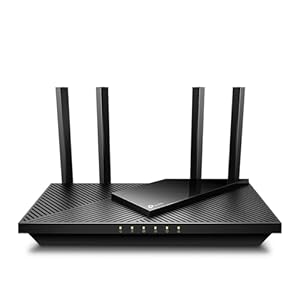
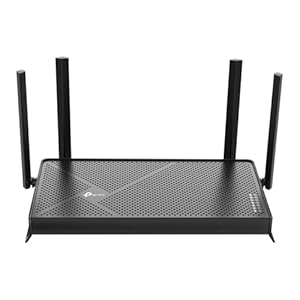
Your existing Frontier-provided equipment, including your Wi-Fi router and fiber ONT, will continue to function normally. Over time, Verizon may introduce updated equipment or technology enhancements, but any such changes would be communicated well in advance and likely offered as upgrades rather than mandatory swaps. For current details on Frontier equipment, see our Frontier Fiber equipment guide.
Potential Future Changes Under Verizon Ownership
While the immediate impact on customers is minimal, the acquisition will likely bring changes over the medium to long term. It is important to note that the specifics of these changes have not been fully announced, so the following should be understood as informed speculation based on industry patterns and Verizon's public statements.
Branding Changes
It is widely expected that Verizon will eventually rebrand Frontier Fiber service under the Verizon Fios name or a similar Verizon-branded identity. This kind of brand consolidation is standard practice after major acquisitions. The timeline for any rebranding has not been publicly confirmed, but transitions like this typically unfold over 12 to 24 months following deal closure. A name change alone would not affect the underlying service quality or pricing.
Pricing and Plan Structure
Verizon may eventually align Frontier's plan offerings with its existing Fios plan structure. This could mean changes to available speed tiers, pricing, or bundling options. Whether prices go up, down, or stay the same will depend on competitive dynamics in each market. Verizon has generally positioned Fios as a premium product, but competitive pressure from cable providers and fixed wireless services helps keep pricing in check. Current Frontier Fiber pricing starts at $49.99 per month for the 500 Mbps tier.
Network Investment and Expansion
One of the most positive potential outcomes of the acquisition is accelerated fiber buildout. Frontier had ambitious plans to expand its fiber network to millions of additional homes, and Verizon's financial resources could help achieve or exceed those targets. Rural and underserved areas that were on Frontier's buildout roadmap may see fiber arrive sooner with Verizon's backing. This is particularly relevant given the billions of dollars in federal broadband funding being distributed through programs like BEAD (Broadband Equity, Access, and Deployment).
Customer Service Changes
Customer service operations may be consolidated or restructured over time. Verizon operates large-scale customer support operations and may integrate Frontier's support teams into its existing infrastructure. The goal would be to provide a more consistent and potentially improved customer experience, though transitions like this can sometimes cause short-term disruptions. If you encounter any service issues during the transition period, for assistance.
Bundling Opportunities
Verizon offers a wide array of services beyond fiber internet, including wireless phone service, streaming TV (through partnerships and its own platforms), and smart home products. Current Frontier Fiber customers may eventually gain access to bundling discounts that combine fiber internet with Verizon wireless plans or other Verizon services. Verizon's existing "myPlan" and autopay discounts on Fios could serve as a model for future offers available to former Frontier customers.
How the Acquisition Affects Different Customer Scenarios
If You Are a Current Frontier Fiber Customer
Continue enjoying your service as usual. Monitor communications from Frontier (and eventually Verizon) for any updates about account transitions, branding changes, or new plan offers. There is no urgency to make any changes to your account.
If You Are Considering Signing Up for Frontier Fiber
Frontier Fiber remains an excellent choice for broadband service. The acquisition by Verizon adds financial stability and long-term investment commitment to an already strong fiber product. Current Frontier Fiber plans offer no annual contracts, no data caps, symmetrical speeds, and competitive pricing. You can check availability and current offers at your address.
Check Frontier Fiber Availability at Your AddressIf You Are a Legacy Frontier DSL Customer
The acquisition may actually benefit DSL customers the most. Verizon's investment in fiber buildout could accelerate the timeline for upgrading legacy DSL areas to fiber service. If fiber is not yet available at your address, it may become available sooner under Verizon's ownership. In the meantime, your DSL service continues without changes.
If You Are a Verizon Fios Customer
Existing Fios customers are unlikely to see significant near-term changes. Over time, you may benefit from Verizon's expanded network footprint if you move to an area previously served only by Frontier. The combined network gives Verizon more flexibility to offer consistent service across a wider geographic area.
Regulatory Conditions and Consumer Protections
The acquisition was subject to review by federal and state regulators, who imposed various conditions to protect consumer interests. While the specific conditions vary by state, common regulatory requirements in telecom mergers of this scale include:
- Service continuity guarantees: Requirements that existing customers continue receiving service at current or better levels for a specified period.
- Buildout commitments: Obligations to extend fiber service to a certain number of additional homes, often with emphasis on underserved or rural areas.
- Price protection periods: Restrictions on price increases for existing customers for a defined period following the merger.
- Workforce commitments: Requirements related to maintaining employment levels or center operations in certain states.
- Network investment minimums: Commitments to invest specified amounts in network maintenance and upgrades.
These regulatory conditions provide an important layer of consumer protection during the transition period. If you believe your service has been negatively affected by the acquisition, you can file complaints with your state's public utility commission or the FCC.
Timeline of Key Events
| Date | Event |
|---|---|
| September 2024 | Verizon announces intent to acquire Frontier for approximately $20 billion |
| Late 2024 - Mid 2026 | Regulatory review period (FCC, DOJ, state commissions) |
| 2026 | Acquisition receives final regulatory approvals and closes |
| Late 2026 - 2026 | Integration planning and early execution phase |
| 2026 - 2027 (expected) | Gradual brand transition and system integration |
Frontier Fiber vs. Verizon Fios: How They Compare
With both services now under the same corporate umbrella, here is how Frontier Fiber and Verizon Fios currently compare on key metrics:
| Feature | Frontier Fiber | Verizon Fios |
|---|---|---|
| Starting Price | $49.99/mo (500 Mbps) | $49.99/mo (300 Mbps) |
| Max Speed | 2 Gbps (symmetrical) | 2 Gbps (symmetrical) |
| Contracts | No annual contracts | No annual contracts |
| Data Caps | None | None |
| Symmetrical Speeds | Yes, all tiers | Yes, all tiers |
| Free Router | Yes, included | Yes, included |
| Coverage | 25 states (primarily South, Midwest, West) | 9 states (primarily Northeast) |
| ACSI Score | 73/100 | 73/100 |
The similarities between the two services are notable and suggest that integration may be relatively smooth from a product standpoint. Both offer no-contract, no-cap fiber service with symmetrical speeds and included equipment. The primary difference has always been geographic coverage, which the acquisition now resolves.
What Industry Analysts Are Saying
Telecom industry analysts have generally viewed the Verizon-Frontier acquisition favorably for consumers. The consensus view is that Verizon's financial resources and operational expertise will benefit Frontier's existing customers through improved service reliability, faster network expansion, and potentially more competitive pricing driven by economies of scale. Some analysts have noted that the deal strengthens the overall fiber broadband market by creating a stronger competitor to cable providers, which could benefit consumers across the industry through increased competition.
However, some consumer advocates have cautioned that consolidation in the telecom industry can sometimes lead to reduced competition and higher prices in the long run. This concern is partially mitigated by the regulatory conditions imposed on the deal and by the increasingly competitive broadband market, which includes cable, fixed wireless, and satellite alternatives in most areas.
Frequently Asked Questions
Is Frontier Fiber owned by Verizon?
Yes. Verizon completed its acquisition of Frontier Communications in 2026. Frontier is now a wholly owned subsidiary of Verizon Communications. However, Frontier Fiber service continues to operate under the Frontier brand for the time being, and existing plans and pricing remain unchanged.
Why is Frontier merging with Verizon?
Verizon acquired Frontier to significantly expand its fiber-optic broadband footprint. Frontier's fiber network covers 25 states, complementing Verizon Fios's existing coverage in 9 northeastern states. The combined network creates one of the largest fiber providers in the country, giving Verizon a stronger competitive position against cable providers and other broadband alternatives.
Will my Frontier Fiber bill change because of the Verizon acquisition?
Not immediately. Your current plan pricing and terms remain in effect. Regulatory conditions typically include price protection periods following major acquisitions. Over the longer term, pricing could change as Verizon integrates its plan structures, but any changes would be communicated in advance. Competitive market pressure also helps keep prices in check.
Do I need to return my Frontier equipment or get new equipment?
No. Your existing Frontier router, ONT, and any other equipment continue to work normally. There are no equipment swaps required as a result of the acquisition. If Verizon introduces new equipment options in the future, any transition would be communicated clearly and likely offered as an optional upgrade.
Will Frontier Fiber be renamed to Verizon Fios?
This has not been officially confirmed, but industry observers widely expect some form of brand consolidation over the next one to two years. Rebranding to Verizon Fios or a similar Verizon-branded name would be consistent with standard practice in major acquisitions. A name change alone would not affect your service quality or pricing.
Can I still sign up for Frontier Fiber?
Yes. Frontier Fiber continues to accept new customers and all current plans remain available. You can check availability at your address and sign up through the normal process. or check online to get started.
Will Frontier Fiber expand to new areas under Verizon?
This is one of the most anticipated benefits of the acquisition. Verizon has committed to continued fiber buildout, and its greater financial resources could accelerate expansion into areas where Frontier had planned but not yet deployed fiber. Combined with federal broadband funding programs, the Verizon-Frontier network is expected to reach millions of additional homes in the coming years.
Disclosure: Some of the links and phone numbers on this page are from our advertising partners. Pricing current as of early 2026. The acquisition details discussed in this article are based on publicly available information. Future changes to Frontier Fiber service under Verizon ownership are speculative and subject to change.
Data and methodology details are available on our research methodology page. Speeds, prices, and availability are verified against provider websites and FCC broadband data as of 2026.
Sources
This content references data from FCC Broadband Map, U.S. Census Bureau. Pricing and availability are subject to change.