Google Fiber Internet in Texas at a Glance
Google Fiber provides 100% fiber-optic internet across Major metros across Texas, serving residents in Austin, San Antonio, Houston, Dallas-Fort Worth, and their surrounding suburbs. Plans range from 1 Gig at $70/mo to an industry-leading 8 Gig at $150/mo, all with symmetrical or near-symmetrical speeds and no data caps. Google Fiber competes with AT&T Fiber, Spectrum, Frontier, Grande/Astound, and T-Mobile 5G Home in the Texas market.
About Google Fiber in Texas
Google Fiber, a subsidiary of Alphabet Inc., is a premium fiber-only internet service provider that has reshaped broadband competition in every market it enters. Since its founding in 2010. Its first residential service in Kansas City in 2012, Google Fiber has expanded to serve portions of more than a dozen states. In Texas, Google Fiber offers residents access to symmetrical multi-gigabit speeds that far exceed what most cable and DSL providers can deliver.
Texas is Google Fiber's largest state by geography and subscriber potential. Austin was one of the first expansion cities after Kansas City. The provider has since grown into San Antonio, Houston, and the Dallas-Fort Worth metroplex. Texas's business-friendly regulatory environment, explosive population growth, and land-rich suburban construction patterns have made it a cornerstone of Google Fiber's national strategy.
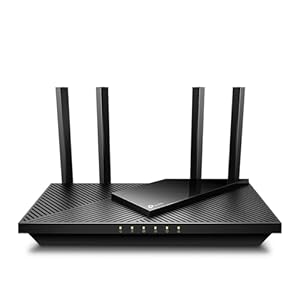
Texas represents Google Fiber's biggest single-state opportunity, with four major metros either live or under active construction. Google Fiber distinguishes itself in Texas with no data caps, no annual contracts, and straightforward pricing that does not increase after a promotional period. The provider includes a Wi-Fi 6 router with every plan and offers professional installation at no additional charge. For Texas households that work from home, game online, or stream 4K. 8K content, Google Fiber's symmetrical upload speeds are a particularly compelling advantage over cable-based competitors.
Google Fiber Plans Available in Texas
| Plan Name | Price | Download Speed | Upload Speed | Technology |
|---|---|---|---|---|
| Google Fiber 1 Gig | $70/mo | 1,000 Mbps | 1,000 Mbps | Fiber |
| Google Fiber 2 Gig | $100/mo | 2,000 Mbps | 1,000 Mbps | Fiber |
| Google Fiber 5 Gig | $125/mo | 5,000 Mbps | 5,000 Mbps | Fiber |
| Google Fiber 8 Gig | $150/mo | 8,000 Mbps | 8,000 Mbps | Fiber |
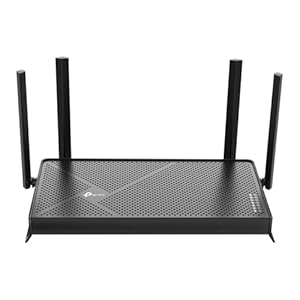
All Google Fiber plans in Texas include no data caps, no annual contracts, and a Wi-Fi 6 router. Prices are flat monthly rates with no introductory discounts that expire. The 5 Gig and 8 Gig plans require a compatible Wi-Fi 6E or Wi-Fi 7 router to realize maximum wireless speeds. Wired Ethernet connections can achieve full advertised throughput on all tiers.
Google Fiber Coverage in Texas
Google Fiber's Texas footprint spans four major metros. Austin and its suburbs (Round Rock, Cedar Park, Pflugerville) have the most mature coverage. San Antonio, parts of Houston, and select Dallas-Fort Worth communities (including Arlington and Denton) are in various stages of buildout and expansion.
Google Fiber's Texas network is built entirely on fiber-optic infrastructure running directly to each home or apartment unit. Coverage continues to expand as construction crews build out new neighborhoods. To check whether Google Fiber is available at your Texas address, visit the Google Fiber website and enter your street address. If service is not yet available, you can sign up for notifications and may receive a construction timeline for your area.
Frequently Asked Questions About Google Fiber in Texas
What internet speeds does Google Fiber offer in Austin, San Antonio, Houston, and Dallas-Fort Worth?
Google Fiber offers four speed tiers in Texas: 1 Gig ($70/mo) with symmetrical 1,000 Mbps speeds, 2 Gig ($100/mo) with 2,000/1,000 Mbps, 5 Gig ($125/mo) with symmetrical 5,000 Mbps. 8 Gig ($150/mo) with symmetrical 8,000 Mbps. All tiers are delivered over fiber-optic infrastructure with no data caps. The 1 Gig plan is the most popular choice for Texas households.
Does Google Fiber have data caps or contracts in Texas?
No. Google Fiber does not impose data caps or require annual contracts on any of its plans in Texas. You can use as much data as you need each month without overage fees. You are free to cancel at any time without early termination penalties. This sets Google Fiber apart from many competitors in Austin, San Antonio, Houston, and Dallas-Fort Worth that enforce data limits or lock-in periods.
How does Google Fiber compare to AT&T Fiber in Texas?
Google Fiber generally offers faster symmetrical speeds than AT&T Fiber in Texas, particularly on upload, which matters for video calls, cloud backups, and content creation. Google Fiber's no-cap, no-contract policy is also simpler. However, AT&T Fiber may serve a wider geographic area in Texas. Where both are available, Google Fiber's 1 Gig plan at $70/mo is highly competitive on both speed and value.
Is Google Fiber expanding to more areas in Texas?
Yes. Google Fiber is actively expanding its fiber network in Austin, San Antonio, Houston, and Dallas-Fort Worth. Construction crews are building out new neighborhoods regularly. The provider has announced plans to extend service to additional communities in Texas through 2026 and beyond. You can check the Google Fiber website for an up-to-date coverage map and sign up to be notified when construction reaches your street.
What equipment does Google Fiber provide in Texas?
Every Google Fiber plan in Texas includes a fiber network box (ONT) installed at your home and a Google Fiber Wi-Fi 6 router at no additional monthly cost. For the 5 Gig. 8 Gig tiers, Google Fiber provides a Wi-Fi 6E capable router to support the higher wireless throughput. Professional installation, including running fiber to your home if needed, is included at no charge for Texas customers.
What speeds does Google Fiber offer in Texas?
Google Fiber offers internet speeds in Texas ranging from basic tiers around 100 Mbps up to gigabit speeds of 1,000 Mbps or higher on fiber connections. In areas served by fiber-optic infrastructure, customers can often choose symmetrical upload and download plans for optimal performance. DSL areas may be limited to lower speed tiers. The specific plans available depend on your Texas address and the infrastructure type serving your neighborhood.
Does Google Fiber require a contract in Texas?
Contract requirements for Google Fiber in Texas vary by plan. Many current plans are offered on a no-contract, month-to-month basis, though some promotional pricing may require a one or two-year agreement. Customers who sign up during a promotional period should review the terms to understand any early termination fees. Google Fiber customer service can clarify which Texas plans include contract obligations and which offer full month-to-month flexibility.
How do I check Google Fiber availability at my address?
To check Google Fiber availability at your Texas address, visit the official Google Fiber website and use their online address lookup tool. Enter your full street address and ZIP code to see which plans, speeds, and pricing options are available at your specific location. You can also Google Fiber customer service directly for assistance. Representatives can confirm service availability, explain current promotions, and help schedule installation if service is available in your area of Texas.
Google Fiber Network Performance and Smart Features
Google Fiber delivers internet over a purpose-built fiber optic network with all plans offering symmetrical speeds and no data caps. The standard 1 Gbps plan provides exceptional performance for households of any size, while the 2 Gbps. 5 Gbps tiers serve power users, content creators, and smart home enthusiasts who demand peak performance from every connected device. Google Fiber consistently ranks at or near the top in independent speed test analyses and customer satisfaction surveys.
Google Fiber includes a WiFi 6 mesh router system with enough nodes to cover your home, intelligent network management through the Google Fiber app. Built-in network security features. The app provides real-time speed monitoring, device management, parental controls, and guest network configuration. No equipment rental fees apply, as all hardware is included with the service plan. Google Fiber is expanding into new metropolitan areas with plans to reach millions of additional households through 2027.
Tips for Getting the Best Internet Experience
Optimizing your home network starts with proper router placement. Position your WiFi router in a central, elevated location away from walls, metal objects, and electronic devices that create interference. A router placed in an open area on a shelf or mounted on a wall can improve WiFi coverage by 30-50% compared to one hidden in a closet or behind furniture. For homes larger than 2,000 square feet or with multiple floors, consider a mesh WiFi system with satellite nodes placed in each area where you need strong coverage.
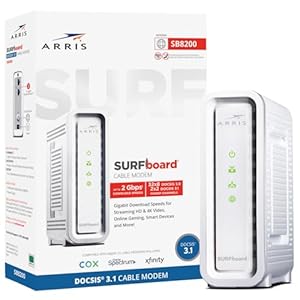
Regular maintenance keeps your connection performing at its best. Restart your modem and router monthly to clear cached data and refresh your connection. Check for and install firmware updates quarterly, as these often include performance improvements and security patches. Monitor your actual speeds using periodic speed tests. Contact your provider if wired connection speeds consistently fall below 70% of your plan speed during off-peak hours. Most providers will troubleshoot remotely first and schedule a technician visit if the issue requires on-site diagnosis.
Ready to get connected? now for exclusive deals:
Service Coverage Details for Google Fiber in Texas
Google Fiber operates a fiber network across Texas, with fiber-optic service available in select urban. Suburban communities where the company has invested in next-generation infrastructure. Fiber neighborhoods typically enjoy symmetrical upload and download speeds, lower latency, and greater reliability compared to older copper-based connections. In areas of Texas where fiber has not yet been deployed, Google Fiber may offer DSL or cable service as an alternative, though speeds on legacy infrastructure tend to be lower than fiber.
Coverage patterns in Texas reflect ongoing network expansion, with Google Fiber prioritizing densely populated metros and gradually extending service into adjacent suburban zones. Rural communities in Texas may have limited access to Google Fiber's highest-speed tiers until additional fiber buildout reaches those areas. To determine exactly which services. Speeds are available at your Texas address, use the Google Fiber online availability checker or contact their sales team directly. Entering your street address and ZIP code provides the most accurate results for plan options and pricing in your area.
Ready to Order? or Click Below
Alternatives to Tx in Google Fiber
While Tx serves many areas across Google Fiber, comparing options ensures you're getting the best value. Major alternatives include cable providers, fiber optic services, 5G home internet from T-Mobile and Verizon, and satellite options for rural locations.
When evaluating alternatives, consider not just the monthly price. Total cost of ownership including equipment fees, installation charges, and price increases after promotional periods end. Some competitors may offer lower introductory rates but become more expensive over time.
If Tx is your only wired broadband option, fixed wireless 5G services have become increasingly competitive. These wireless alternatives require no physical installation and often operate without contracts, making them worth exploring even in areas with limited traditional broadband choices.
Tips for Choosing Google Fiber in Texas
Selecting the right internet plan takes more than comparing prices. Here are practical tips for Texas residents considering Google Fiber:
- Verify address-level availability. Google Fiber fiber coverage in Texas can vary block by block. Even if your neighborhood is listed as covered, enter your exact address on Google Fiber's website to confirm service before canceling another provider.
- Choose the right speed tier. Fiber plans often range from 300 Mbps to multi-gigabit speeds. A household with 1-3 people streaming in HD typically needs 300-500 Mbps, while remote workers with large file transfers or households with 5+ devices benefit from gigabit service.
- Ask about installation timelines. Fiber installation in Texas may require running new lines to your home, which can take several weeks depending on your area. Schedule early and ask whether any construction or permit work is needed for your address.
- Lock in promotional pricing. Many Google Fiber fiber plans in Texas include introductory rates. Note when the promotion ends and what the standard rate will be, so you can budget accordingly or negotiate when the time comes.
Disclosure: InternetProviders.ai may earn a commission when you sign up for an internet plan through our links. This does not affect our editorial independence or the accuracy of our reviews. All plan details, prices, and coverage information are verified against provider websites and public sources.
Frontier Fiber Internet Available Here
Frontier Fiber offers 100% fiber-optic internet with speeds up to 5 Gbps, no contracts, and no data caps. Plans start at $49.99/mo.
to check availability:
Sources & Methodology
Coverage data, plan details, and pricing are compiled from FCC Broadband Data Collection filings, provider-published broadband nutrition labels, and U.S. Census Bureau demographic data including population and median household income figures from the American Community Survey. Pricing, speeds, and availability are verified against provider broadband nutrition labels and may vary by location. For a detailed explanation of our data collection and scoring process, see our methodology page.
Data Sources
- FCC Broadband Data Collection
- U.S. Census Bureau American Community Survey
- USAC Universal Service Fund
- NTIA Internet Use Survey
Last verified: March 2026. InternetProviders.ai is an independent resource. We may earn commissions from partner links — this does not affect our editorial recommendations. See our methodology for details.