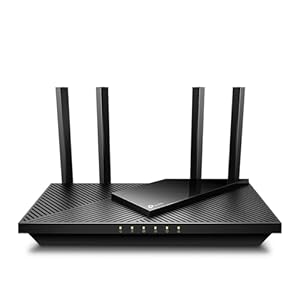
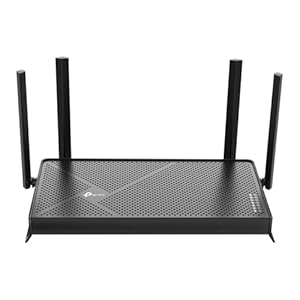
Grande Communications in Texas at a Glance
Grande Communications is a Texas-only cable and fiber internet provider now operating as part of the Astound Broadband family. Plans start at $35/mo for 300 Mbps and go up to $65/mo for 1 Gig. Grande serves communities across Central and South-Central Texas including Austin, San Antonio, and the Dallas area.
About Grande Communications in Texas
Grande Communications is a Texas-only internet provider now operating under the Astound Broadband family. Grande serves communities in Austin, San Antonio, Dallas, and other Texas cities, offering cable and fiber broadband with competitive pricing. Grande Communications has deep roots in Texas, having served the state's communities for over two decades before joining the Astound Broadband family. Texas's rapid suburban growth, particularly along the I-35 corridor between Austin and San Antonio, has fueled demand for Grande's cable and fiber services. Unlike national providers that serve Texas as one market among many, Grande's exclusive focus on the Lone Star State means its network investments, customer service. Plan designs are tailored specifically for Texas communities.
Texas's massive population and booming tech scene in Austin, Dallas. Houston create fierce competition among internet providers, benefiting consumers with more choices and competitive pricing. Grande's entry-level 300 Mbps plan at $35/mo is one of the most affordable options in Texas's competitive broadband market, undercutting both Spectrum. AT&T's comparable tiers. The 1 Gig plan at $65/mo offers strong value for Texas households that need top-tier download speeds for streaming, gaming, and large file transfers.
Grande Communications became part of Astound Broadband in 2021, joining RCN and Wave under a single parent company. While the Grande brand continues to operate independently in Texas, the Astound relationship brings additional resources for network upgrades and fiber expansion. Texas customers may see increased fiber availability in areas where Grande has historically relied on cable (DOCSIS) technology, as Astound invests in next-generation infrastructure across all its regional brands.
Grande Communications Plans in Texas
| Plan | Price | Download | Upload | Type | Contract |
|---|---|---|---|---|---|
| Grande 300 | $35/mo | 300 Mbps | 20 Mbps | Cable | None |
| Grande 600 | $55/mo | 600 Mbps | 20 Mbps | Cable | None |
| Grande 1 Gig | $65/mo | 1,000 Mbps | 50 Mbps | Cable/Fiber | None |
Ready to get connected? now for exclusive deals:
Frequently Asked Questions
Does this provider offer fiber internet in your state?
this provider's fiber availability in your state depends on your specific area. Check their coverage map for the most accurate information.
How do I sign up for this provider in your state?
You can sign up for this provider service in your state through their website, by phone, or at local retail locations.
What internet speeds does this provider offer in your state?
this provider's speed offerings in your state range from basic plans to gigabit service, depending on your location and infrastructure.
What is this provider's customer service like in your state?
this provider's customer service experience can vary. We recommend reading recent customer reviews and checking their J.D. Power ratings.
What equipment does this provider provide in your state?
this provider typically provides modems and routers, though you may also be able to use your own compatible equipment.
What speeds does Grande offer in Texas?
Grande offers internet speeds in Texas that typically range from basic plans around 50 to 100 Mbps up to higher-tier options reaching 500 Mbps to 1 Gbps in select areas. Actual speed availability depends on the infrastructure at your specific Texas address and the plan you choose. Faster speeds may be available in areas with upgraded network equipment. Check online or to verify which speed tiers are offered at your location.
Does Grande require a contract in Texas?
Contract requirements for Grande in Texas vary by plan. Many current plans are offered on a no-contract, month-to-month basis, though some promotional pricing may require a one or two-year agreement. Customers who sign up during a promotional period should review the terms to understand any early termination fees. Grande customer service can clarify which Texas plans include contract obligations and which offer full month-to-month flexibility.
How do I check Grande availability at my address?
To check Grande availability at your Texas address, visit the official Grande website and use their online address lookup tool. Enter your full street address and ZIP code to see which plans, speeds, and pricing options are available at your specific location. You can also Grande customer service directly for assistance. Representatives can confirm service availability, explain current promotions, and help schedule installation if service is available in your area of Texas.
Prices as of February 2026. Grande plans use cable (DOCSIS) or fiber infrastructure depending on your Texas address. Upload speeds on cable plans are lower than download speeds. Equipment rental fees may apply.
Grande Communications Coverage in Texas
Grande Communications serves communities in Central and South-Central Texas including Austin, San Antonio, Dallas, Waco, Corpus Christi, and Midland-Odessa. The company's Texas footprint is concentrated in urban. Suburban areas along the I-35 corridor, the I-10 corridor near San Antonio, and select communities in the Dallas-Fort Worth metro. Coverage does not extend to rural Texas or the Houston metro, where other providers dominate.
Texas is Grande's only market, which means 100% of the company's network investment goes into serving Lone Star State communities. Coverage is address-specific—even within served cities, availability depends on whether Grande's cable or fiber infrastructure has been built to your street. Enter your Texas address on Grande's website or the Astound Broadband website to check availability.
Grande Communications Texas FAQ
Is Grande Communications the same as Astound Broadband in Texas?
Grande Communications is now part of the Astound Broadband family, but continues to operate under its own brand in Texas. The merger with Astound (which also includes RCN and Wave) happened in 2021. Texas customers still sign up through Grande, receive Grande-branded service, and contact Grande for customer support. Over time, you may see increased Astound branding alongside the Grande name.
What cities does Grande Communications serve in Texas?
Grande serves communities in Austin, San Antonio, Dallas, Waco, Corpus Christi, Midland-Odessa, and surrounding Texas suburbs. Coverage is concentrated along the I-35 and I-10 corridors. Not all addresses within these cities are served—availability depends on whether Grande's cable or fiber network has been built to your specific location.
Does Grande Communications have data caps in Texas?
Grande's data cap policies have varied over time. Check the current terms on Grande's website or the FCC Broadband Label for your specific plan. Texas consumers should review the fine print when signing up, as data policies can differ by plan tier. If unlimited data is important to you, confirm the policy for your chosen speed tier before subscribing.
Is Grande fiber or cable in Texas?
Grande uses both cable (DOCSIS) and fiber-optic technology in Texas, depending on your address. Most existing Grande connections use cable infrastructure, which delivers fast download speeds but slower upload speeds. Fiber is available in select areas with symmetrical speeds. When checking availability, Grande's website will indicate whether your Texas address qualifies for cable or fiber service.
How does Grande compare to Spectrum and AT&T in Texas?
Grande's $35/mo entry price for 300 Mbps undercuts Spectrum's comparable plan in most Texas markets. AT&T Fiber offers symmetrical speeds that Grande's cable plans cannot match on upload, but AT&T's pricing is typically higher. Grande's advantage is competitive pricing and a Texas-focused operation. The trade-off is a smaller coverage footprint compared to the statewide reach of Spectrum and AT&T.
Understanding Your Internet Service Options
Choosing the right internet plan involves evaluating several factors beyond advertised speed. Consider your household's typical online activities during peak usage hours, including simultaneous streaming, gaming, video conferencing, and connected smart home devices. A household with 3-5 moderate users typically needs 200-400 Mbps, while families with heavy users benefit from 500 Mbps or higher. Upload speed is equally important for remote workers and content creators, with fiber plans offering the best symmetrical performance.
Contract terms, equipment fees, and promotional pricing all affect the true cost of service. Compare the total annual cost including post-promotional rates before committing to a plan. Many providers offer price-lock guarantees or no-contract options that provide flexibility without early termination fees. Purchasing your own compatible modem and router can save $120-180 annually compared to renting equipment. Check your provider's approved equipment list and verify compatibility with your specific plan speed before purchasing.
Tips for Getting the Best Internet Experience
Optimizing your home network starts with proper router placement. Position your WiFi router in a central, elevated location away from walls, metal objects, and electronic devices that create interference. A router placed in an open area on a shelf or mounted on a wall can improve WiFi coverage by 30-50% compared to one hidden in a closet or behind furniture. For homes larger than 2,000 square feet or with multiple floors, consider a mesh WiFi system with satellite nodes placed in each area where you need strong coverage.
Regular maintenance keeps your connection performing at its best. Restart your modem and router monthly to clear cached data and refresh your connection. Check for and install firmware updates quarterly, as these often include performance improvements and security patches. Monitor your actual speeds using periodic speed tests. Contact your provider if wired connection speeds consistently fall below 70% of your plan speed during off-peak hours. Most providers will troubleshoot remotely first and schedule a technician visit if the issue requires on-site diagnosis.
Getting Started with Tx in Grande
Setting up Tx service in Grande typically follows a straightforward process. After confirming availability at your address, you can order online or by phone. Most installations are completed within 3-7 business days, depending on the technology type and local demand.
For cable and fiber installations, a technician visit is usually required for the initial setup. The technician will install any necessary equipment, test your connection speed, and ensure everything is working properly. DSL and fixed wireless setups may be self-install eligible, saving you the installation fee.
Before your installation appointment, ensure clear access to where the service line enters your home. Having your modem and router location planned in advance helps the technician complete the setup efficiently. If you're using your own equipment, verify compatibility with Tx's network before the appointment.
Alternatives to Tx in Grande
While Tx serves many areas across Grande, comparing options ensures you're getting the best value. Major alternatives include cable providers, fiber optic services, 5G home internet from T-Mobile and Verizon, and satellite options for rural locations.
When evaluating alternatives, consider not just the monthly price. Total cost of ownership including equipment fees, installation charges, and price increases after promotional periods end. Some competitors may offer lower introductory rates but become more expensive over time.
If Tx is your only wired broadband option, fixed wireless 5G services have become increasingly competitive. These wireless alternatives require no physical installation and often operate without contracts, making them worth exploring even in areas with limited traditional broadband choices.
InternetProviders.ai may earn compensation through affiliate links. All information is believed accurate as of February 2026.
Service Coverage Details for Grande in Texas
Grande provides broadband internet service throughout Texas, with availability concentrated in urban and suburban areas where the company has established network infrastructure. Coverage extends along major population corridors, serving both large metropolitan areas and smaller communities connected to the existing network backbone. The company continues to upgrade its Texas network with faster DOCSIS technology and infrastructure improvements designed to increase speeds and reliability for existing subscribers.
In rural parts of Texas, Grande coverage may be limited compared to urban centers, as extending cable infrastructure to low-density areas requires significant capital investment. Residents in those areas may need to consider satellite or fixed wireless alternatives. For the most accurate availability information at your specific Texas address, use the Grande online address checker or their customer service line. Providing your exact street address and ZIP code ensures you receive correct plan options, pricing. Any promotional offers currently available in your part of Texas.
Ready to Order? or Click Below
Tips for Choosing Grande Communications in Texas
Selecting the right internet plan takes more than comparing prices. Here are practical tips for Texas residents considering Grande Communications:
- Match your plan to your usage. Grande Communications offers multiple speed tiers in Texas. If your household primarily browses the web and streams on 1-2 devices, a mid-tier plan is usually sufficient. Families with 4+ simultaneous streamers or gamers should look at plans offering 500 Mbps or more.
- Watch for promotional pricing. Many Grande Communications plans in Texas advertise introductory rates that increase after 12-24 months. Note the post-promotion price before signing up so you're not surprised by a higher bill later. You can often negotiate a new rate when the promotion expires.
- Use your own equipment. Renting a modem and router from Grande Communications typically costs $10-15/month. Purchasing a compatible modem and router can save you $120-180 per year in Texas. Check Grande Communications's approved device list before buying.
- Test speeds after installation. Once your Grande Communications service is active in Texas, run speed tests at different times of day using a wired ethernet connection. If speeds consistently fall below what your plan promises, contact support to troubleshoot or request a technician visit.
Sources & Methodology
Coverage data, plan details, and pricing are compiled from FCC Broadband Data Collection filings, provider-published broadband nutrition labels, and U.S. Census Bureau demographic data including population and median household income figures from the American Community Survey. Pricing, speeds, and availability are verified against provider broadband nutrition labels and may vary by location. For a detailed explanation of our data collection and scoring process, see our methodology page.
Data Sources
- FCC Broadband Data Collection
- U.S. Census Bureau American Community Survey
- USAC Universal Service Fund
- NTIA Internet Use Survey
Last verified: March 2026. InternetProviders.ai is an independent resource. We may earn commissions from partner links — this does not affect our editorial recommendations. See our methodology for details.