HughesNet Internet in West Virginia at a Glance
HughesNet delivers satellite internet across 100% of West Virginia, offering plans from 25 Mbps to 200 Mbps starting at $49.99 per month. As a satellite provider, HughesNet is especially valuable in West Virginia's rural and underserved communities where cable. Fiber infrastructure has not been built, providing reliable broadband via its orbiting Jupiter satellite system.
About HughesNet Satellite Internet in West Virginia
HughesNet is one of the nation's leading satellite internet providers, delivering broadband service to customers across West Virginia using its advanced Jupiter satellite system in geostationary orbit. Unlike cable or fiber, HughesNet does not require ground-based infrastructure to reach your home. A small satellite dish installed on your property communicates directly with a satellite 22,000 miles above the equator, meaning service is available anywhere in West Virginia with a clear view of the southern sky, from Charleston, Huntington. Morgantown to the most remote corners of the state.
West Virginia is one of the most rural and mountainous states in the country, with pervasive broadband deserts throughout its Appalachian terrain. For these communities, HughesNet provides a modern broadband connection that simply cannot be matched by the limited or nonexistent wired options available. West Virginia features entirely within the Appalachian Mountains, with rugged ridges, narrow valleys, the New River Gorge, and the Monongahela National Forest. HughesNet's satellite technology overcomes these geographic barriers by beaming internet directly to your home regardless of terrain or distance from urban infrastructure.
West Virginia is often cited as the poster child for America's rural broadband crisis. The Mountain State's extreme terrain of narrow hollows, steep ridges, and winding valleys makes cable and fiber installation extraordinarily expensive. Counties like McDowell, Webster, and Pocahontas have among the worst broadband access in the nation, and HughesNet satellite is often the only viable broadband option.
HughesNet Plans Available in West Virginia
| Plan | Price | Download | Upload | Data | Contract |
|---|---|---|---|---|---|
| HughesNet Select | $49.99/mo | 50 Mbps | 5 Mbps | 100 GB | No contract |
| HughesNet Elite | $74.99/mo | 100 Mbps | 5 Mbps | 200 GB | No contract |
| HughesNet Fusion 100 | $94.99/mo | 100 Mbps | 5 Mbps | 200 GB | No contract |
| HughesNet Fusion 200 | $174.99/mo | 200 Mbps | 25 Mbps | Unlimited | No contract |
| HughesNet Select 15GB | $49.99/mo | 25 Mbps | 3 Mbps | 15 GB | No contract |
| HughesNet Fusion 50 | $74.99/mo | 50 Mbps | 5 Mbps | 100 GB | No contract |
HughesNet offers six plans in West Virginia, ranging from the budget-friendly Select 15GB plan at $49.99 per month with 25 Mbps downloads to the premium Fusion 200 plan at $174.99 per month with 200 Mbps downloads and unlimited data. The Fusion plans combine satellite connectivity with a cellular network component to significantly reduce latency compared to standard satellite service. Which typically has latency around 600 milliseconds. This hybrid approach makes Fusion plans better suited for video conferencing, online gaming, and other latency-sensitive applications.
All HughesNet plans in West Virginia are available without a contract, giving you the flexibility to change or cancel service without early termination fees. The standard satellite plans (Select, Elite) provide solid download speeds of 50-100 Mbps with data allowances of 100-200 GB per month. While the Fusion lineup offers the same speeds with the added benefit of lower latency through cellular bonding technology.
What are the data caps for this provider in your state?
Data cap policies vary by plan and location. Review this provider's terms of service or contact them for specific information about your area.
Can I bundle services with this provider in your state?
this provider often offers bundle options combining internet, TV, and phone services in your state, which can provide cost savings.
Does this provider offer fiber internet in your state?
this provider's fiber availability in your state depends on your specific area. Check their coverage map for the most accurate information.
How do I sign up for this provider in your state?
You can sign up for this provider service in your state through their website, by phone, or at local retail locations.
Prices as shown on FCC Broadband Labels as of February 2026. Equipment lease fees, taxes, and installation charges may apply. Actual speeds may vary based on network conditions, satellite congestion, and weather.
HughesNet Availability in West Virginia
HughesNet satellite internet is available to virtually 100% of West Virginia residents and businesses. Because the service relies on a satellite dish communicating with an orbiting spacecraft rather than cables in the ground, there are no coverage gaps based on distance from a central office or cable head-end. West Virginia's 1.8 million residents live across 24,230 square miles of almost entirely mountainous terrain, making it one of the most challenging states for broadband infrastructure deployment.
West Virginia's deep mountain valleys present the greatest satellite reception challenges of any eastern state. South-facing dish placement on ridgetops or elevated locations is essential in many hollows to maintain a clear view of the southern sky. Professional installation ensures your dish is optimally positioned for the best possible signal quality at your specific location in West Virginia.
To verify availability and check which plans are offered at your West Virginia address, you can visit the HughesNet website and enter your location. In nearly all cases, all six plans listed above will be available regardless of where you live in the state.
Is HughesNet Right for Your West Virginia Home?
HughesNet is an excellent choice for West Virginia residents in areas where cable, fiber, or fixed wireless broadband is unavailable or unreliable. If you live in a rural area. Your current internet options are limited to slow DSL or mobile hotspots, HughesNet's speeds of 25 to 200 Mbps represent a significant upgrade. The service is also a solid backup internet option for homes that experience frequent outages on their primary wired connection.
However, if you have access to cable or fiber internet in your area of West Virginia, those technologies typically offer lower latency. May provide better value for heavy internet usage like competitive online gaming or frequent large file uploads. HughesNet's standard satellite plans have latency around 600ms, which is noticeable for real-time applications. Perfectly adequate for web browsing, email, streaming video, and social media. The Fusion plans reduce this latency substantially by incorporating a cellular network component.
West Virginia residents in mountain hollows streaming Mountaineers games or staying connected for telehealth appointments find HughesNet provides broadband where the terrain defeats every other technology. For most household internet activities including streaming HD video, browsing the web, working from home on most applications. Video calling on platforms that buffer well, HughesNet delivers reliable performance across West Virginia.
HughesNet West Virginia FAQ
Is HughesNet available everywhere in West Virginia?
Yes. HughesNet satellite internet covers virtually 100% of West Virginia, including the most rural and remote areas of the state. As long as your property has a clear view of the southern sky for dish installation, HughesNet can provide service. This makes it one of the most widely available internet options in West Virginia, reaching communities that cable, fiber. Fixed wireless providers do not serve.
What is the fastest HughesNet plan available in West Virginia?
The fastest HughesNet plan available in West Virginia is the Fusion 200. Which delivers download speeds up to 200 Mbps and upload speeds up to 25 Mbps for $174.99 per month. This plan includes unlimited data and uses HughesNet's Fusion technology, which combines satellite and cellular connectivity to provide lower latency than standard satellite plans. It is HughesNet's premium tier and is suitable for households with multiple users and devices.
Does HughesNet have data caps in West Virginia?
Most HughesNet plans include monthly data allowances rather than hard caps. The Select 15GB plan includes 15 GB, the Select and Fusion 50 plans include 100 GB. The Elite and Fusion 100 plans include 200 GB. When you exceed your data allowance, your speeds are reduced but service is not cut off. The Fusion 200 plan offers unlimited data with no throttling. Data usage resets at the beginning of each billing cycle.
What is HughesNet's latency like in West Virginia?
Standard HughesNet satellite plans have latency of approximately 600 milliseconds (0.6 seconds) due to the distance the signal must travel to the satellite and back. This is inherent to geostationary satellite technology and affects all satellite internet providers similarly. HughesNet's Fusion plans (Fusion 50, Fusion 100. Fusion 200) significantly reduce latency by incorporating a cellular network component for time-sensitive data, making them a better choice for video conferencing, VoIP calls, and other real-time applications.
Is HughesNet good for streaming in West Virginia?
Yes, HughesNet is capable of streaming video in West Virginia. Plans with 50 Mbps or higher download speeds can handle HD streaming on platforms like Netflix, YouTube, and Disney+. The Elite and Fusion plans at 100 Mbps can support multiple simultaneous streams. While the latency may cause a brief delay when starting a video, once buffering begins, streaming quality is generally smooth and consistent. For households that primarily use the internet for streaming entertainment, the 200 GB data allowance on the Elite plan typically supports 80-100 hours of HD streaming per month.
Ready to sign up for HughesNet?
now to check availability and get the best deal:
How HughesNet Technology Works in West Virginia
HughesNet uses geostationary satellite technology to deliver internet service across West Virginia. Understanding how this technology works helps set expectations for performance and reliability in your area.
Satellite Internet Technology Explained
Satellite internet works by transmitting data between a small dish installed at your home and a satellite orbiting Earth. For West Virginia residents, this means internet access is available regardless of ground-based infrastructure. The signal travels approximately 22,000 miles to a geostationary satellite and back, which introduces some latency compared to wired connections but provides reliable broadband speeds.
The key advantage for West Virginia households is universal availability. Whether you live in Charleston, Weirton, or anywhere in the Appalachian Mountains region, HughesNet can deliver broadband service. There are no cables to run, no fiber to lay, and no dependency on local utility infrastructure. The only requirement is a clear view of the southern sky for the satellite dish.
Performance Expectations in West Virginia
HughesNet plans deliver download speeds up to 100 Mbps. Real-world performance in West Virginia can vary based on weather conditions, network congestion during peak hours (typically 7-11 PM local time), and the positioning of your satellite dish. Rain, heavy snow, and dense cloud cover can temporarily reduce signal quality, which is worth considering in West Virginia's climate.
Latency on satellite connections typically ranges from 500-700 milliseconds. This is noticeable for video calls and real-time gaming but works well for web browsing, streaming video (which buffers ahead), email, and file downloads. The Fusion plans combine satellite with a terrestrial wireless connection to reduce latency for supported applications.
Detailed HughesNet Plan Analysis for West Virginia Residents
Choosing the right HughesNet plan depends on your household size, usage habits, and budget. Here is a detailed breakdown of each plan and who it suits best in West Virginia.
| Plan | Price | Speed | Key Features |
|---|---|---|---|
| Select | $50/mo | 50 Mbps | 100 GB data, Built-in Wi-Fi, 2-year contract |
| Elite | $75/mo | 100 Mbps | 200 GB data, Built-in Wi-Fi, 2-year contract, Priority repairs |
| Fusion | $95/mo | 100 Mbps | 200 GB data, Low-latency technology, Built-in Wi-Fi, 2-year contract |
Select Plan — Best for Budget-Conscious Households
At $50/mo, the Select plan is HughesNet's entry-level option in West Virginia. This plan delivers 50 Mbps and is suitable for 1-2 person households that primarily browse the web, check email, and stream on one device at a time. For West Virginia residents in Appalachian Mountains areas who need basic broadband connectivity, this plan provides reliable service at the lowest monthly cost.
Elite Plan — Best for Growing Households
The Elite plan at $75/mo offers a balanced combination of speed (100 Mbps) and value. This mid-tier option works well for West Virginia households with 3-5 people who stream regularly, work from home occasionally, and use multiple connected devices. It provides a meaningful upgrade over the base plan without reaching the premium price point.
Fusion Plan — Best for Power Users and Large Households
The Fusion plan at $95/mo is HughesNet's premium tier in West Virginia. With speeds of 100 Mbps, this plan supports multiple simultaneous users streaming 4K content, gaming, working from home, and running smart home devices. For families in Charleston or Huntington with heavy internet usage, this plan provides the headroom needed to keep everyone connected without slowdowns.
HughesNet Coverage Across West Virginia
HughesNet is available statewide in West Virginia, with 100% coverage via satellite dish. Here are the major West Virginia cities where HughesNet serves customers:
- Charleston — HughesNet in Charleston
- Huntington — HughesNet in Huntington
- Morgantown — HughesNet in Morgantown
- Parkersburg — HughesNet in Parkersburg
- Wheeling — HughesNet in Wheeling
- Weirton — HughesNet in Weirton
West Virginia's mountainous terrain creates significant broadband infrastructure challenges, making satellite internet a critical option across much of the state.
Rural West Virginia Coverage
Beyond the major metros, HughesNet reaches every address in West Virginia's rural areas. The Appalachian Mountains and Monongahela National Forest regions are fully covered by HughesNet service. Because satellite internet does not depend on ground infrastructure, even the most remote addresses can connect.
HughesNet vs. Other Internet Providers in West Virginia
When shopping for internet in West Virginia, comparing HughesNet against the alternatives helps ensure you get the best value. Here is how HughesNet stacks up against the major competitors available in West Virginia.
| Provider | Starting Price | Max Speed | Availability |
|---|---|---|---|
| HughesNet | $50/mo | 100 Mbps | Statewide |
| Frontier | Varies by location | Varies | Check availability |
| Xfinity | Varies by location | Varies | Check availability |
| Suddenlink | Varies by location | Varies | Check availability |
| Starlink | Varies by location | Varies | Check availability |
When HughesNet Is the Right Choice in West Virginia
HughesNet makes the most sense for West Virginia residents who live in rural areas where cable and fiber are not available. In metro areas like Charleston where wired options are plentiful, satellite is typically not the primary choice. But for the Appalachian Mountains and Monongahela National Forest regions, HughesNet may be the only broadband option available.
When to Consider Alternatives
If you live in Charleston or Huntington and have access to fiber or cable internet, those technologies generally provide faster speeds and lower latency than HughesNet. Frontier and Xfinity are worth checking for availability at your address. However, if those providers do not serve your location, HughesNet provides a reliable broadband alternative with consistent performance across all weather conditions.
Installation and Equipment for HughesNet in West Virginia
Getting started with HughesNet in West Virginia involves the following setup process. Here is what to expect from ordering to your first connection.
Installation Process
Professional installation required ($199-$399, often discounted with promotions). Technician mounts satellite dish, runs cable, and configures modem (2-3 hours). Appointments within 3-7 business days.
Equipment Details
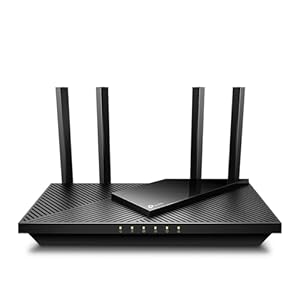
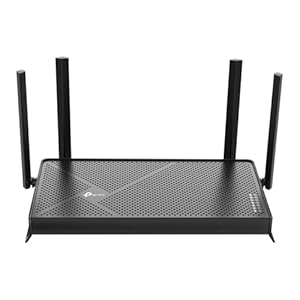
The HughesNet system includes a satellite dish (mounted on your roof or a pole) and an indoor modem with built-in WiFi. The dish must have a clear southern sky view. Trees, buildings, or other obstructions can degrade the signal.
Tips for West Virginia Customers
- Clear snow and ice from your satellite dish during winter storms to maintain signal quality
- Consider a roof mount (vs. pole mount) for the dish if possible, as it typically provides a clearer sky view
- Save HughesNet's customer service number and your account number in case you need technical support: Mon-Fri 8AM-1AM ET, Sat-Sun 9AM-10PM ET; 24/7 technical support
HughesNet Cost Breakdown for West Virginia Households
Understanding the total cost of HughesNet service in West Virginia goes beyond the advertised monthly price. Here is what to factor into your budget.
Monthly Costs
HughesNet plans in West Virginia range from $50/mo to $95/mo per month. Additional fees may apply including equipment rental, taxes, and surcharges that vary by your West Virginia locality.
One-Time Costs
Installation fees range from $199-$399, though promotions frequently reduce or waive this cost. The satellite dish and modem are provided as part of your lease.
Long-Term Value Assessment
Over 24 months, the total cost of the Select plan at $50/mo would be approximately $1,200, plus any one-time installation fees. For West Virginia residents comparing options, calculate the total cost over your expected service period rather than focusing solely on the monthly rate.
InternetProviders.ai may earn compensation through affiliate links. This does not influence our rankings or recommendations. All plan details are verified against provider broadband labels.
Ready to Order? or Click Below
Sources & Methodology
Coverage data, plan details, and pricing are compiled from FCC Broadband Data Collection filings, provider-published broadband nutrition labels, and U.S. Census Bureau demographic data including population and median household income figures from the American Community Survey. Pricing, speeds, and availability are verified against provider broadband nutrition labels and may vary by location. For a detailed explanation of our data collection and scoring process, see our methodology page.
Data Sources
- FCC Broadband Data Collection
- U.S. Census Bureau American Community Survey
- USAC Universal Service Fund
- NTIA Internet Use Survey
Last verified: March 2026. InternetProviders.ai is an independent resource. We may earn commissions from partner links — this does not affect our editorial recommendations. See our methodology for details.