Metronet in Texas at a Glance
Metronet delivers 100% fiber-optic internet across Texas with symmetrical speeds from 100 Mbps to 5 Gbps. No contracts, no data caps. Plans start at $49.95/mo. Service available in Austin suburbs, San Antonio suburbs, and Waco. to check availability at your Texas address.
About Metronet in Texas
Metronet is expanding fiber-optic internet into Texas, targeting fast-growing communities in one of the nation's most competitive broadband markets. Texas's explosive population growth, particularly in suburban areas around Austin and San Antonio, has created demand for high-speed fiber that traditional cable providers have been slow to meet.
Texas residents on Metronet enjoy symmetrical fiber speeds that serve the state's massive remote workforce, thriving gaming community, and multi-generational households with heavy bandwidth demands. The no-contract policy is particularly valued in Texas, where frequent relocations driven by the state's dynamic job market make long-term commitments impractical for many subscribers.
Metronet was founded in Evansville, Indiana, and has grown into one of the largest independently owned fiber-optic providers in the United States. The company builds its own fiber network from scratch in each community it enters, ensuring that every connection runs on modern infrastructure designed for today's bandwidth demands. In Texas, Metronet's all-fiber approach means customers never share bandwidth with neighbors the way cable internet subscribers do, resulting in more consistent speeds during peak usage hours.
Metronet Plans in Texas
| Plan | Price | Download | Upload | Type | Contract |
|---|---|---|---|---|---|
| Metronet 100 | $49.95/mo | 100 Mbps | 100 Mbps | Fiber | None |
| Metronet 200 | $59.95/mo | 200 Mbps | 200 Mbps | Fiber | None |
| Metronet 500 | $69.95/mo | 500 Mbps | 500 Mbps | Fiber | None |
| Metronet 1 Gig | $79.95/mo | 1 Gbps | 1 Gbps | Fiber | None |
| Metronet 2 Gig | $99.95/mo | 2 Gbps | 2 Gbps | Fiber | None |
| Metronet 5 Gig | $149.95/mo | 5 Gbps | 5 Gbps | Fiber | None |
All Metronet plans in Texas include symmetrical speeds, meaning your upload speed matches your download speed. This is a significant advantage over cable providers like Spectrum and Xfinity, which typically offer upload speeds 10-20x slower than download speeds. No data caps apply to any Metronet plan, and there are no annual contracts or early termination fees.
Plan Recommendations by Household Size
For single users or couples in apartments near Austin's tech corridor or San Antonio's medical center, the Metronet 100 ($49.95/mo) plan provides ample bandwidth for streaming, browsing, and video conferencing. The symmetrical 100 Mbps upload speed already exceeds what most cable providers offer on their top-tier plans.
Families of 3-5 with multiple devices, simultaneous 4K streaming, and remote work demands should consider Metronet 500 ($69.95/mo). At $10/mo less than Spectrum's comparable 500 Mbps plan in Texas, Metronet delivers 10x the upload speed with no data cap. This tier handles 15-20 simultaneously connected devices without noticeable slowdown.
Power users, content creators, and home-based businesses in Texas benefit most from the 1 Gig ($79.95/mo) or 2 Gig ($99.95/mo) plans. The symmetrical gigabit upload enables real-time cloud backup of video projects, seamless multi-participant video production, and hosting local game or media servers. The 5 Gig tier ($149.95/mo) targets future-proofing for households that expect bandwidth demands to increase significantly over the next 3-5 years.
Metronet Coverage in Texas
Metronet's Texas footprint is expanding rapidly but remains concentrated in specific suburban markets. Current service areas include communities in Williamson County (Round Rock, Georgetown, Cedar Park), Hays County (Kyle, San Marcos), and McLennan County (Waco). The company is actively constructing fiber networks in additional Texas communities, with new neighborhoods being connected each quarter.
Unlike cable providers that can leverage existing coaxial infrastructure, Metronet builds fiber-to-the-home (FTTH) networks from scratch in each community. This greenfield approach means service becomes available neighborhood by neighborhood as construction progresses. Texas communities that have been announced for Metronet expansion may see 6-18 months between announcement and service availability depending on permitting, construction timelines, and weather conditions.
To check whether Metronet has completed fiber construction at your specific Texas address, use our address lookup tool. If Metronet is not yet available, you can sign up for construction notifications to be alerted when fiber reaches your neighborhood.
Metronet Speed Performance in Texas
Metronet's all-fiber network in Texas delivers performance characteristics that fundamentally differ from cable internet. Fiber-optic connections transmit data as pulses of light through glass strands, providing several advantages over the copper-based coaxial cables used by providers like Spectrum and Xfinity.
Latency on Metronet's Texas fiber network typically ranges from 2-6 ms, compared to 15-30 ms on cable networks. This difference is imperceptible for web browsing but meaningful for real-time applications: competitive online gaming, video conferencing, VoIP phone calls, and remote desktop sessions all benefit from lower latency. Jitter (variation in latency) is also significantly lower on fiber, reducing the audio and video glitches that cable subscribers sometimes experience during video calls.
Speed consistency is another fiber advantage. Cable internet speeds degrade during peak usage hours (7-11 PM) because subscribers in the same neighborhood share bandwidth on the coaxial network. Metronet's fiber connections are dedicated to each home, meaning your speed does not decrease when your neighbors are also online. Speed tests on Metronet's Texas network consistently show 95-100% of the advertised speed regardless of time of day.
Texas heat is a consideration for all internet infrastructure, but fiber optics are less affected by temperature extremes than copper cables. Metronet's buried fiber lines maintain consistent performance even during Texas summers when ambient temperatures exceed 100 degrees Fahrenheit, whereas above-ground copper infrastructure can experience measurable signal degradation at extreme temperatures.
Metronet Installation and Equipment in Texas
Metronet's installation process in Texas is a professional, full-service experience. A technician installs the fiber-optic cable from the street to your home, terminates it at an Optical Network Terminal (ONT) mounted inside or outside the residence, and connects the WiFi router. The standard installation takes 2-4 hours and is typically included at no charge for new subscribers during promotional periods.
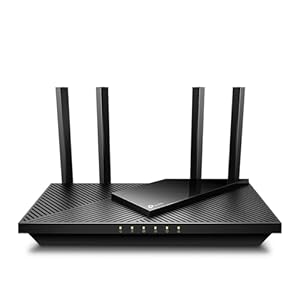
Metronet provides a WiFi 6 router (eero or equivalent) as part of the service. The company includes whole-home WiFi coverage as a standard feature, adding mesh WiFi nodes if the initial speed test reveals dead zones in your home. Additional eero nodes can be added for $5/month each if needed. Texas homes larger than 2,500 square feet or those with thick stucco or stone walls commonly found in Hill Country construction may require 2-3 nodes for full coverage.
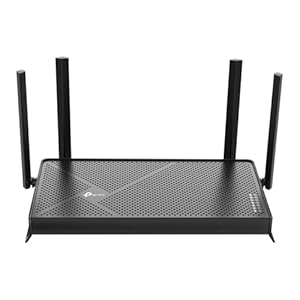
Metronet supports bring-your-own-router setups for subscribers who prefer to use their own networking equipment. The ONT provides an Ethernet handoff, allowing connection to any third-party router. This is popular with tech-savvy Texas subscribers who use enterprise-grade equipment like Ubiquiti UniFi or TP-Link Omada systems for advanced network management.
Metronet vs Cable Providers in Texas
Texas is one of the most competitive broadband markets in the country, with Spectrum, Xfinity, AT&T, and numerous regional providers competing for subscribers. Metronet's fiber service distinguishes itself in several key areas.
| Feature | Metronet Fiber | Spectrum Cable | Xfinity Cable |
|---|---|---|---|
| Upload Speed (1 Gbps plan) | 1 Gbps | 35 Mbps | 35 Mbps |
| Data Cap | None | None | 1.2 TB |
| Contract Required | No | No | No (but 1-2 yr terms available) |
| Typical Latency | 2-6 ms | 15-30 ms | 15-30 ms |
| 1 Gbps Price | $79.95/mo | $89.99/mo | $80/mo |
The most significant advantage Metronet holds over Texas cable providers is upload speed. Metronet's symmetrical fiber delivers 1 Gbps upload on the gigabit plan, while Spectrum and Xfinity cap upload speeds at 35 Mbps on comparable tiers. For households with remote workers, content creators, or anyone regularly uploading large files, this 28x upload speed advantage is transformative.
Xfinity's 1.2 TB data cap is another differentiator. Heavy-usage Texas households that stream 4K content across multiple TVs, download large games, and run smart home devices can approach the 1.2 TB limit. Metronet's unlimited data removes this concern entirely. Spectrum also offers unlimited data, but its upload speed limitation remains a significant disadvantage compared to fiber.
Best Uses for Metronet Fiber in Texas
Remote Work and Telecommuting
Texas ranks among the top states for remote work adoption, with Austin's tech sector and San Antonio's cybersecurity industry driving demand for business-grade home internet. Metronet's symmetrical speeds support VPN connections to corporate networks, large file uploads to cloud services like Google Drive and Dropbox, and multi-participant video conferences on Zoom or Teams without the upload bottleneck that plagues cable subscribers.
Gaming and Streaming
The low latency and consistent speeds on Metronet's fiber network make it ideal for competitive online gaming. Texas hosts a growing esports community, and players on Metronet's network report significantly fewer lag spikes and disconnections compared to cable. For content creators streaming to Twitch or YouTube, the high upload speed allows streaming at 1080p60 or even 4K while maintaining gameplay quality.
Smart Home and IoT
Modern Texas homes increasingly feature dozens of connected devices: security cameras, smart thermostats, voice assistants, smart TVs, connected appliances, and robotic vacuums. Each device consumes bandwidth, and security cameras in particular require sustained upload bandwidth for cloud recording. Metronet's fiber handles 50+ connected devices without the congestion issues common on cable networks.
Alternatives to Metronet in Texas
If Metronet is not available at your Texas address, consider these alternatives:
- AT&T Fiber: The most widely available fiber option in Texas, serving major metros including Dallas, Houston, Austin, and San Antonio. Symmetrical speeds up to 5 Gbps, no data caps, plans from $55/mo. AT&T Fiber covers significantly more Texas addresses than Metronet.
- Spectrum: Cable internet available across most of Texas with speeds up to 1 Gbps. No data caps, no contracts, plans from $49.99/mo. Upload speeds max at 35 Mbps, which is Spectrum's primary limitation versus fiber.
- Xfinity: Comcast's cable service in Texas offers speeds up to 2 Gbps with plans from $35/mo. The 1.2 TB data cap applies to most plans, and upload speeds are limited. Xfinity's extensive network covers urban and suburban areas statewide.
- Google Fiber: Available in Austin, San Antonio, and surrounding communities. Symmetrical speeds up to 8 Gbps, no data caps. Google Fiber's coverage is limited to specific neighborhoods but offers excellent value where available.
- T-Mobile Home Internet ($50/mo): Fixed wireless option available where T-Mobile has 5G/LTE capacity. No data cap, no contract. Speeds vary by location (72-245 Mbps). A good option for Texas addresses without wired broadband alternatives.
Check all available providers at your specific Texas address using our address lookup tool.
Frequently Asked Questions About Metronet in Texas
Does Metronet have data caps in Texas?
No. Metronet does not impose data caps on any of its fiber internet plans in Texas. You can use as much data as you want each month without overage charges or throttling. This applies to all tiers from the 100 Mbps plan through the 5 Gbps plan.
Is Metronet available in Houston or Dallas?
As of 2026, Metronet does not serve Houston or Dallas. The company's Texas footprint focuses on suburban communities around Austin, San Antonio, and Waco. For fiber internet in Houston or Dallas, consider AT&T Fiber or Google Fiber (Austin/San Antonio only). Check our address lookup tool for providers at your specific address.
Does Metronet require a contract in Texas?
No. All Metronet plans in Texas are month-to-month with no annual contracts and no early termination fees. You can cancel service at any time without penalty. This flexibility is standard across all Metronet service areas nationwide.
How long does Metronet installation take in Texas?
Professional installation typically takes 2-4 hours. A Metronet technician runs fiber-optic cable from the street to your home, installs the Optical Network Terminal, sets up the WiFi router, and verifies speeds throughout your home. Installation is generally scheduled within 1-2 weeks of order placement, depending on technician availability in your area.
Can I use my own router with Metronet in Texas?
Yes. Metronet's Optical Network Terminal provides a standard Ethernet connection that works with any third-party router. You can use your own WiFi 6 or WiFi 6E router instead of Metronet's provided equipment. If you use your own router, Metronet's technical support may be limited to troubleshooting the connection up to the ONT.
What makes Metronet different from cable internet in Texas?
Metronet's fiber-optic network provides three primary advantages over cable: symmetrical upload and download speeds (cable upload is typically 20-35x slower), dedicated bandwidth per home (cable is shared among neighbors), and lower latency (2-6 ms vs. 15-30 ms on cable). These differences are most noticeable during video conferencing, online gaming, and large file uploads.
Metronet Pricing Breakdown and Hidden Costs in Texas
Metronet's pricing in Texas is straightforward compared to cable providers that layer on equipment fees, broadcast surcharges, and regional sports network charges. The advertised monthly price for each plan is the amount billed — there are no additional infrastructure fees, network enhancement charges, or technology fees added to the bill. This transparency makes budgeting predictable, a contrast to Spectrum and Xfinity subscribers who often see monthly bills $10-20 higher than the advertised plan price due to add-on charges.
The WiFi router is included with all Metronet plans at no additional monthly charge. Additional mesh WiFi nodes cost $5/month each, but most Texas homes under 2,500 square feet do not require them. Installation fees vary: new subscribers often receive free professional installation during promotional periods, while the standard installation fee outside promotions is $99. Late payment fees are $10, and reconnection after a voluntary disconnection may incur a $49 activation charge.
One cost advantage Metronet holds over cable providers in Texas is the absence of long-term price increases. While Cox and Xfinity typically raise rates $10-15/month after promotional periods end, Metronet's published pricing tends to remain stable for existing subscribers. The company has historically introduced new plan tiers at different price points rather than raising rates on existing plans, though this is not contractually guaranteed.
Metronet Network Reliability in Texas
Fiber-optic infrastructure provides inherent reliability advantages that matter in Texas. Glass fiber strands are immune to electromagnetic interference from power lines, lightning strikes, and the electrical noise generated by industrial equipment — all common sources of signal degradation on copper-based cable and DSL networks. During Texas thunderstorm season (April through October), Metronet's fiber subscribers experience fewer connectivity interruptions than cable subscribers in the same neighborhoods.
Metronet buries its fiber lines underground in Texas, protecting them from wind damage, falling tree limbs, and vehicle strikes that can knock out aerial cable infrastructure. Underground installation also shields the network from Texas's extreme summer heat, which can cause above-ground copper cables to expand and degrade signal quality. The buried fiber approach does increase installation time and cost for Metronet, but the long-term reliability benefit is substantial.
Power outages remain the primary connectivity risk for all wired internet providers in Texas, as both the ONT and router require electricity. Metronet's ONT includes a battery backup that provides approximately 8 hours of internet connectivity during power outages. Subscribers who work from home in Texas — where the ERCOT grid has experienced well-publicized reliability challenges — may want to invest in a UPS (uninterruptible power supply) for their router and ONT to extend uptime beyond the built-in battery life.
The Texas Broadband Market Landscape
Texas ranks among the most competitive broadband markets in the United States, with over 15 major providers competing for residential subscribers. The state's rapid population growth — adding roughly 1,000 new residents per day — fuels continuous network expansion from both established providers and new entrants like Metronet. This competition benefits Texas consumers through lower prices, higher speeds, and better service compared to less competitive markets.
The Texas Public Utility Commission does not regulate broadband pricing, meaning providers set rates based on market competition rather than regulatory caps. In markets where Metronet's fiber competes directly with AT&T Fiber, Google Fiber, or Grande Communications, prices tend to be 10-20% lower than in areas served by a single cable provider. Texas consumers benefit from comparing all available options at their address before committing to a provider, as pricing and availability can vary significantly even within the same city.
Federal BEAD (Broadband Equity, Access, and Deployment) funding is accelerating fiber construction in Texas, with the state receiving $3.3 billion to expand broadband to underserved communities. While BEAD primarily targets rural areas, the broader fiber investment ecosystem raises consumer expectations and increases competitive pressure on cable providers to improve upload speeds, eliminate data caps, and modernize aging infrastructure. Metronet's Texas expansion aligns with this broader fiber buildout trend, positioning the company to capture subscribers in newly connected communities.
Metronet Customer Experience in Texas
Metronet's customer satisfaction ratings consistently rank above the industry average for internet service providers. The company's Texas subscribers frequently cite the symmetrical speeds, transparent pricing, and responsive local customer support as differentiators from larger providers. Metronet maintains local support teams in its Texas service areas rather than routing all calls to centralized national centers, which results in shorter hold times and technicians familiar with local network conditions.
New subscriber onboarding includes a post-installation speed verification, where the technician confirms that WiFi speeds meet expectations in every room of the home. If speeds fall below the plan tier in any area, additional mesh nodes are deployed during the same visit at no extra charge during the initial setup. This proactive approach to whole-home coverage reduces the most common source of internet dissatisfaction: poor WiFi performance in distant rooms that subscribers blame on the ISP rather than their home's construction or router placement.
Sources & Methodology
Coverage data, plan details, and pricing are compiled from FCC Broadband Data Collection filings, provider-published broadband nutrition labels, and U.S. Census Bureau demographic data including population and median household income figures from the American Community Survey. Pricing, speeds, and availability are verified against provider broadband nutrition labels and may vary by location. For a detailed explanation of our data collection and scoring process, see our methodology page.
Data Sources
- FCC Broadband Data Collection
- U.S. Census Bureau American Community Survey
- USAC Universal Service Fund
- NTIA Internet Use Survey
Last verified: March 2026. InternetProviders.ai is an independent resource. We may earn commissions from partner links — this does not affect our editorial recommendations. See our methodology for details.