Last updated: March 22, 2026 | Fiber (FTTH), DSL provider in CA (San Francisco Bay Area, Sacramento, Santa Rosa, Los Angeles metro)
Short answer: Sonic delivers fiber (ftth), dsl service with speeds up to 10 Gbps starting at $40/mo. No contract required and unlimited data on all plans. Best for: San Francisco Bay Area residents who want the cheapest gigabit fiber ($40/mo) from a privacy-focused, employee-owned company.
Key Takeaways
- Incredibly affordable fiber ($40/mo for 1 Gig)
- 10 Gbps symmetric speeds
- No contracts or data caps
- Strong privacy stance — no data selling
- Employee-owned company
Sonic Plans & Pricing
Sonic offers a straightforward lineup of plans designed to fit different household needs and budgets. Pricing shown reflects the standard monthly rate as of March 2026. All plans include unlimited data — no data caps to worry about. No contracts are required on any plan, so you can cancel or change plans anytime.
| Plan Name | Download Speed | Upload Speed | Monthly Price | Data Cap | Contract |
|---|---|---|---|---|---|
| Fiber 1 Gig | 1 Gbps | 1 Gbps | $40/mo | Unlimited | None |
| Fiber 2 Gig | 2 Gbps | 2 Gbps | $60/mo | Unlimited | None |
| Fiber 10 Gig | 10 Gbps | 10 Gbps | $100/mo | Unlimited | None |
The most affordable option is the Fiber 1 Gig plan at $40/mo with 1 Gbps speeds — suitable for light browsing, email, and streaming on 1-3 devices. For power users, the Fiber 10 Gig plan at $100/mo delivers 10 Gbps speeds, supporting 10+ simultaneous devices, 4K streaming on multiple screens, large file transfers, and online gaming without compromise. Most households find the mid-range plans offer the best balance of speed and value.
Sonic: Company Overview & History
Sonic was founded in 1994 by Dane Jasper in Santa Rosa, California as a dial-up internet service provider. The company grew steadily by focusing on customer service and privacy in an industry known for neither. Sonic began deploying fiber-to-the-home in 2012, starting in Sebastopol, California. The company expanded fiber to San Francisco, Oakland, Berkeley, and other Bay Area communities throughout the 2010s. Sonic is notable for being employee-owned through an Employee Stock Ownership Plan (ESOP), which aligns the company's interests with its customers rather than Wall Street shareholders. Sonic has consistently refused to sell customer data or cooperate with government surveillance beyond legal requirements, earning praise from the Electronic Frontier Foundation. As of 2026, Sonic serves over 100,000 subscribers and continues expanding fiber in California.
Company Facts at a Glance
- Legal name: Sonic Telecom, LLC
- Founded: 1994
- Headquarters: Santa Rosa, California
- Website: sonic.com
- Coverage type: Regional (1 state)
- Technologies: Fiber (FTTH), DSL
Technology & How Sonic Works
Sonic's fiber network uses GPON, XGS-PON, and 25G-PON technology for fiber-to-the-home connections. The 1 Gbps and 2 Gbps plans use XGS-PON, while the 10 Gbps plan uses 25G-PON technology with specialized ONTs. All fiber connections are symmetric — upload speed matches download. In areas where fiber hasn't yet been deployed, Sonic offers DSL service using AT&T's copper lines through a wholesale agreement, with speeds ranging from 3-100 Mbps depending on distance from the central office. The fiber network provides ultra-low latency (1-3ms) and near-perfect reliability.
Tip: When signing up for Sonic, always check if fiber is available at your address first. Fiber provides significantly better performance (symmetric speeds, lower latency, higher reliability) compared to DSL or cable. If fiber isn't available yet, ask about the fiber expansion timeline for your area.
Sonic Coverage & Availability
Sonic operates as a regional provider serving CA (San Francisco Bay Area, Sacramento, Santa Rosa, Los Angeles metro). Coverage is concentrated in specific metro areas and communities within these states rather than offering statewide service in each one. To verify whether Sonic is available at your specific address, visit sonic.com and enter your street address. Availability can vary block-by-block, especially for fiber service where the network is still being expanded.
Equipment & Installation
Equipment Details
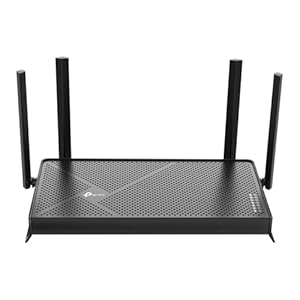
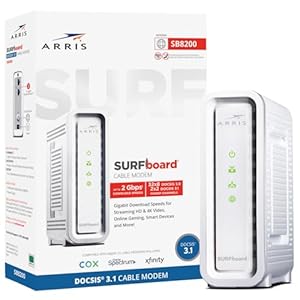
Sonic includes a WiFi 6 router with fiber plans at no extra charge. The fiber ONT is installed free. For 10 Gig plans, a WiFi 7 router is provided. DSL plans include a free modem. Mesh WiFi extenders available for $5/month per node. You can use your own router on any plan.
Installation Process
Free professional installation for fiber (2-3 hours). DSL self-install available. Check fiber availability at sonic.com.
Installation Tips
- Schedule installation during a time when you can be home for the full appointment window
- Clear the area around your modem/router location and ensure a power outlet is nearby
- If self-installing, follow the setup guide step-by-step and run a speed test immediately after activation
- Test WiFi coverage in all rooms and request mesh extenders if you have dead zones
- Save your account number, WiFi password, and support contact information in a safe place
Fees, Contracts & Fine Print
No installation fees for fiber. No activation fees. No early termination fees. No equipment fees for standard router. DSL self-install kit is free. Late payment fee: $10 after 30 days. The only potential extra is mesh WiFi extenders ($5/month per node).
| Fee Type | Amount |
|---|---|
| Contract requirement | None |
| Data caps | None |
| Early termination fee | None |
| Starting monthly price | $40/mo |
Sonic: Pros and Cons
Pros
- $40/mo for 1 Gbps fiber — among cheapest in the country
- 10 Gbps symmetric speeds available
- Strong privacy commitment — does not sell customer data
- Employee-owned with community focus
- No contracts, no data caps, no hidden fees
Cons
- Only available in California
- Fiber coverage limited to select Bay Area and Sacramento neighborhoods
- DSL service in non-fiber areas is very slow
- Limited customer service hours compared to 24/7 providers
- No TV or phone bundle option
Data and methodology details are available on our research methodology page. Speeds, prices, and availability are verified against provider websites and FCC broadband data as of 2026.
How Sonic Compares to Competitors
Sonic competes primarily with AT&T Fiber, Xfinity, and Google Fiber in its service areas. When comparing, consider these factors: (1) actual availability at your address — not all providers serve every street; (2) the speeds you genuinely need — most households do fine with 300-500 Mbps; (3) total monthly cost including equipment and fees; (4) contract requirements and flexibility to cancel; and (5) upload speeds if you work from home, video conference, or create content. Sonic differentiates itself with incredibly affordable fiber ($40/mo for 1 gig) and 10 gbps symmetric speeds.
For a comprehensive side-by-side analysis, visit our provider comparison guide.
Sonic Customer Service
Sonic customer service is available during the following hours: Mon-Fri 8AM-8PM PT, Sat 9AM-5PM PT; Santa Rosa-based support team; phone and online chat. When contacting support, have your account number ready and be prepared to describe any issues in detail. For billing questions, the online account portal or mobile app is usually the fastest option. For technical issues like slow speeds or connectivity problems, try restarting your equipment first — this resolves the majority of common issues. If problems persist, technical support can run remote diagnostics on your connection and schedule a technician visit if needed.
Sonic by State
Explore Sonic availability, plans, and pricing in specific states:
Sonic: A Deeper Look at Company History
Sonic was founded in 1994 and is headquartered in Santa Rosa, California. The company has grown from its origins to serve customers across CA (San Francisco Bay Area, Sacramento, Santa Rosa, Los Angeles metro), establishing itself as a trusted local provider in the internet market.
Sonic operates fiber (ftth) and dsl infrastructure, delivering download speeds up to 10 Gbps in select areas. The company has invested significantly in network upgrades to keep pace with growing household bandwidth demands driven by remote work, 4K streaming, cloud gaming, and smart home devices. As an independent company, it has the agility to make fast decisions and prioritize customer needs over shareholder demands.
Over the past several years, Sonic has focused on expanding its service footprint and upgrading existing infrastructure. The company's fiber-to-the-home deployments have brought symmetric gigabit speeds to communities that previously relied on slower DSL or cable connections. These investments position Sonic to compete effectively against national ISPs that are expanding into its traditional markets.
Looking ahead, Sonic is well-positioned to benefit from federal broadband funding programs like BEAD (Broadband Equity, Access, and Deployment), which allocates billions of dollars to expand internet access in underserved areas. For customers in Sonic's service territory, this means continued improvements in speed, reliability, and potentially lower costs as competition intensifies.
How Sonic Technology Works
Sonic operates a multi-technology network that includes both modern fiber-optic infrastructure and legacy DSL copper connections. Understanding which technology serves your address is critical because it dramatically affects the speeds, reliability, and overall experience you'll receive.
Fiber-to-the-Home (FTTH): Where available, fiber delivers the best possible internet experience. Fiber-optic cables transmit data as pulses of light through thin glass strands, achieving speeds up to 10 Gbps with symmetric upload and download. Fiber connections are immune to electromagnetic interference, unaffected by distance from the central office, and deliver ultra-low latency (typically 1-5ms). This makes fiber ideal for gaming, video conferencing, large file transfers, and real-time applications.
DSL (Digital Subscriber Line): DSL uses existing copper telephone lines to deliver internet service. Performance degrades with distance from the central office — customers closer to the facility may get 100+ Mbps, while those farther away might only receive 10-25 Mbps. DSL upload speeds are typically much slower than downloads.
Which technology will I get? The technology available at your address depends on Sonic's infrastructure in your specific neighborhood. Fiber is generally available in newer developments and areas where the company has completed fiber overbuild projects, while older neighborhoods may still be served by DSL. Check your address at Sonic's website to see exactly which plans and speeds are available at your location.
Sonic Coverage & Service Area Details
Sonic provides service in CA (San Francisco Bay Area, Sacramento, Santa Rosa, Los Angeles metro). As a 1-state provider, coverage is concentrated in specific metro areas and communities rather than blanket statewide service.
How to check availability: The most reliable way to verify Sonic service at your address is to visit their website and enter your full street address. Availability can vary block-by-block, especially for newer technologies like fiber. Even within served cities, some neighborhoods may only have access to slower DSL plans while adjacent areas have fiber.
Expansion outlook: Sonic continues to invest in network expansion across its service territory. Federal broadband programs like BEAD (Broadband Equity, Access, and Deployment) and state-level grants may accelerate deployments in underserved areas. Fiber expansion is the primary focus, with the goal of replacing legacy infrastructure with modern fiber-to-the-home connections.
If Sonic is not yet available at your address, consider checking our provider comparison tool to find available internet service options in your area. You can also explore our best internet providers guide for recommendations based on your location and needs.
Equipment, Installation & Setup Guide
Understanding Sonic's equipment and installation requirements helps you prepare for service activation and avoid unexpected costs.
Equipment Included
All fiber plans include a WiFi 6 router at no extra monthly charge. The fiber ONT (Optical Network Terminal) is installed on the exterior of your home and converts the fiber-optic signal to Ethernet for your home network. Multi-gig plans may include upgraded WiFi 6E or WiFi 7 routers.
Can I Use My Own Equipment?
Yes, you can use your own WiFi router on most plans. The provider's modem or ONT is required, but you can connect your own router for WiFi coverage. Make sure your router supports WiFi 6 or newer for the best experience with modern internet plans.
Installation Process
Professional installation is required for new fiber connections, typically taking 2-3 hours. A technician will run fiber to your home, install the ONT, set up your WiFi router, and verify speeds. Self-install may be available if your home already has fiber infrastructure from a previous tenant or service.
Tips for Best WiFi Performance
- Place your router in a central, elevated location away from walls and large metal objects
- Keep the router away from microwaves, baby monitors, and other devices that create wireless interference
- For homes larger than 2,000 square feet, consider adding mesh WiFi extenders for full coverage
- Connect bandwidth-intensive devices (gaming consoles, desktop computers) via Ethernet cable when possible
- Update your router's firmware regularly for security patches and performance improvements
Fees, Contracts & Hidden Costs
Understanding the full cost of Sonic service requires looking beyond the monthly plan price. Here's a comprehensive breakdown of all potential fees and charges.
Monthly Costs
The advertised monthly price for Sonic plans ranges from $40/mo for the basic tier to $100/mo for the premium plan. Taxes, fees, and surcharges may add $5-15/month to your bill depending on your location and local regulations.
One-Time Costs
- Installation fee: Varies — check current promotions for free installation offers
- Activation fee: None
- Equipment purchase: Not required — equipment is included or rented
Contract & Cancellation
No contract required. All Sonic plans are month-to-month, meaning you can cancel at any time without early termination fees. This gives you the flexibility to switch providers or change plans without financial penalties.
Data Caps & Overages
No data caps. Sonic does not impose data usage limits on any plan. Stream, download, upload, and browse without worrying about overage charges or speed throttling. This is particularly valuable for households with multiple users who stream video, play online games, and work from home simultaneously.
How Sonic Compares to Competitors
Choosing between Sonic and its competitors (AT&T Fiber, Xfinity, Google Fiber) depends on your specific address, speed needs, and budget. Here's how Sonic stacks up.
| Provider | Starting Price | Max Speed | Contracts |
|---|---|---|---|
| Sonic | $40/mo | 10 Gbps | No |
| AT&T Fiber | Varies by location | Varies | Varies |
| Xfinity | Varies by location | Varies | Varies |
| Google Fiber | Varies by location | Varies | Varies |
Key differentiators for Sonic:
- Pricing: Sonic starts at $40/mo, which is competitively priced compared to national competitors in the same markets.
- Contract flexibility: No contracts means you can switch anytime — a significant advantage if you're not sure about long-term commitment.
- Technology: Sonic's fiber (ftth) and dsl network delivers symmetric upload and download speeds — a major advantage for remote workers and content creators.
- Data caps: No data caps on any plan gives you freedom to use your connection without worrying about overage charges.
The best provider for your household ultimately depends on what's actually available at your specific address. Use our provider comparison tool to see all options available at your location.
Customer Service & Support Options
Reaching Sonic customer service effectively requires knowing the right channels and timing. Here's a comprehensive guide to getting support.
Support hours: Mon-Fri 8AM-8PM PT, Sat 9AM-5PM PT
Best Ways to Contact Sonic
- Phone: Best for urgent issues like service outages or billing disputes. Have your account number ready before calling. early in the morning (8-9 AM) for shortest wait times.
- Online chat: Available on Sonic's website during business hours. Often faster than phone for simple questions about plans, pricing, or billing.
- Mobile app: Most convenient for routine tasks like checking your bill, running speed tests, managing your WiFi network, and scheduling technician visits.
- Social media: Many providers respond quickly to public inquiries on Twitter/X and Facebook. Tag the official Sonic account for faster attention.
Troubleshooting Before Calling
Before contacting support, try these steps that resolve the majority of common issues:
- Restart your modem and router by unplugging them for 30 seconds, then plugging them back in
- Run a speed test at speedtest.net and note the results
- Check if other devices in your home are experiencing the same issue
- Look for service outage notifications on Sonic's website or app
- Ensure all cable connections are secure and undamaged
More Frequently Asked Questions
Is Sonic good for gaming?
Yes, Sonic's fiber network provides the low latency (1-5ms) and consistent speeds that gamers need. Symmetric upload speeds are also beneficial for streaming gameplay to Twitch or YouTube. For the best gaming experience, use a wired Ethernet connection to your gaming device rather than WiFi.
Can I bundle Sonic with other services?
Sonic focuses primarily on internet service . While standalone internet bundles may not be available, check if Sonic offers any multi-service discounts. For the best value, compare the total cost of bundled services versus purchasing internet, TV, and mobile separately from different providers.
How reliable is Sonic service?
Fiber connections are among the most reliable internet technologies available, with 99.9%+ uptime. Unlike cable, fiber is not shared with neighbors and is not susceptible to electromagnetic interference. Sonic maintains network monitoring and typically notifies customers of planned maintenance windows in advance.
Does Sonic offer senior or low-income discounts?
Many internet providers participate in the federal Affordable Connectivity Program (ACP) or similar low-income assistance programs. Contact Sonic directly to ask about current discount programs, including any senior rates, military discounts, or government assistance program participation. Some providers also offer seasonal promotions that can reduce your monthly cost.
What speeds do I actually need?
The right internet speed depends on your household size and usage patterns. Here are general guidelines: 25-100 Mbps is sufficient for 1-2 people doing basic browsing, email, and standard-definition streaming. 200-500 Mbps handles 3-5 people with multiple streams, video calls, and moderate gaming. 500 Mbps-1 Gbps supports 5+ users with 4K streaming, competitive gaming, and work-from-home needs. 1+ Gbps is for power users, content creators, and smart homes with 15+ connected devices. Most households do well with 300-500 Mbps — don't overpay for speed you won't use.
How do I switch to Sonic from my current provider?
Switching to Sonic is straightforward: (1) Check availability at your address on Sonic's website; (2) Choose your plan and schedule installation; (3) Do NOT cancel your current provider until Sonic service is active and confirmed working; (4) Return your old provider's equipment within their specified timeframe to avoid charges. Since Sonic has no contracts, there's no long-term commitment risk in trying the service. Tip: Schedule Sonic installation 1-2 days before canceling your current provider to avoid any gap in service.
Who Should Choose Sonic?
Sonic is a strong choice for residents in CA (San Francisco Bay Area, Sacramento, Santa Rosa, Los Angeles metro) who prioritize competitive pricing, no contracts, and reliable service. Sonic is particularly well-suited for:
- Budget-conscious households who want reliable internet without contracts or surprise fee increases
- Streaming households with multiple TVs running 4K content simultaneously
- Gamers who need consistent speeds for online gaming
- Smart home users with many connected devices (cameras, thermostats, smart speakers, etc.)
- Value seekers who want $40/mo pricing with no contracts and no data caps
Sonic may not be ideal if you need service outside of CA (San Francisco Bay Area, Sacramento, Santa Rosa, Los Angeles metro), . Always check address-level availability before making a decision.
Our Verdict on Sonic
Sonic earns our recommendation for internet service in its 1-state coverage area. Starting at $40/mo with speeds up to 10 Gbps, no contracts, and no data caps, Sonic offers genuine value for households in its service territory.
The biggest advantage is Sonic's symmetric fiber speeds — upload matching download — which is increasingly important as households juggle video calls, cloud backups, and smart home devices. The main limitation is geographic availability — Sonic only serves CA (San Francisco Bay Area, Sacramento, Santa Rosa, Los Angeles metro), and even within those areas, coverage can be spotty.
Bottom line: If Sonic is available at your address, it's well worth considering as your primary internet provider. Check availability, compare with local alternatives, and take advantage of no-contract flexibility to try it risk-free.