Quick Answer: Spectrum Internet in Florida
Spectrum is Florida's largest cable internet provider, covering 65% of the state's addresses. Plans start at $30/mo for 300 Mbps with no data caps and no annual contracts. Spectrum serves major Florida markets including Orlando, Tampa, Miami, Jacksonville, and Fort Myers, making it available to more Floridians than any other single provider.
Key Findings: Spectrum Florida (March 2026)
- Coverage: ~65% of Florida addresses — the state's most widely available cable provider
- 3 residential plans: 300 Mbps ($30/mo), 500 Mbps ($50/mo), and 1 Gbps ($80/mo)
- No data caps, no contracts — Spectrum is one of few major ISPs with zero data usage limits
- Upload speed limitation: Max 35 Mbps upload on all plans — a notable gap vs. fiber competitors
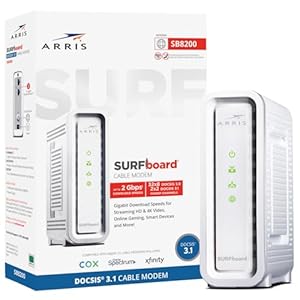
- Free modem included; router rental is $5/mo (or use your own)
- Main competitors: Frontier Fiber (expanding rapidly), AT&T Fiber, Xfinity in different Florida markets
Spectrum Florida Plans & Pricing (2026)
| Plan | Download Speed | Upload Speed | Monthly Price | Data Cap | Contract |
|---|---|---|---|---|---|
| Spectrum Internet | 300 Mbps | 10 Mbps | $30/mo (12 mo promo) | None | No |
| Spectrum Internet Ultra | 500 Mbps | 20 Mbps | $50/mo (12 mo promo) | None | No |
| Spectrum Internet Gig | 1 Gbps | 35 Mbps | $80/mo (12 mo promo) | None | No |
Promotional pricing for first 12 months. Standard rates increase $25-30/mo after promo period. See our methodology.
Spectrum's Position in Florida's Internet Market
Spectrum (formerly Bright House Networks and Time Warner Cable, acquired by Charter Communications in 2016) is Florida's dominant cable provider. The company invested $3.2 billion in network upgrades across the Southeast between 2022-2025, including DOCSIS 3.1 deployment that enabled gigabit speeds across its entire Florida footprint.
Florida Coverage by Metro Area
- Orlando metro — 85%+ coverage. Spectrum's strongest Florida market after the Bright House acquisition.
- Tampa-St. Petersburg — 90%+ coverage. Competes directly with Frontier Fiber's rapid expansion.
- Miami-Fort Lauderdale — 50-60% coverage. AT&T Fiber and Xfinity are strong competitors here.
- Jacksonville — 75% coverage. AT&T Fiber is the primary competitor.
- Fort Myers/Naples — 80%+ coverage. Fewer fiber alternatives in Southwest Florida.
- Gainesville/Ocala — 70% coverage. Cox and local fiber providers also serve the area.
Spectrum vs. Florida Competitors
Spectrum's biggest competitive advantage in Florida is simplicity: one price, no caps, no contracts. Its biggest weakness is upload speed. While Frontier Fiber and AT&T Fiber offer symmetrical speeds (1 Gbps up AND down), Spectrum's best upload speed is 35 Mbps. For remote workers and content creators, this gap is significant.
| Feature | Spectrum | Frontier Fiber | AT&T Fiber | Xfinity |
|---|---|---|---|---|
| Max Download | 1 Gbps | 5 Gbps | 5 Gbps | 2 Gbps |
| Max Upload | 35 Mbps | 5 Gbps | 5 Gbps | 200 Mbps |
| Data Cap | None | None | None | 1.2 TB |
| Starting Price | $30/mo | $50/mo | $55/mo | $35/mo |
| FL Coverage | ~65% | ~35% | ~40% | ~30% |
Check Spectrum Availability at Your Florida Address
Spectrum coverage varies by neighborhood. Enter your ZIP code or to check availability and current promotions.
Order Spectrum:
Who Should Choose Spectrum in Florida
| Choose Spectrum If... | Choose a Competitor If... |
|---|---|
| You want no data caps at any speed tier | You need fast upload speeds (choose Frontier/AT&T Fiber) |
| You prefer no-contract flexibility | You want speeds above 1 Gbps (choose Frontier 2-5 Gbps) |
| Fiber isn't available at your address | You're price-sensitive long-term (Spectrum promo prices increase) |
| You want the simplest pricing with included modem | You're a content creator needing symmetrical speeds |
Spectrum Florida FAQ
How much does Spectrum internet cost in Florida?
Spectrum plans in Florida start at $30/mo for 300 Mbps (promotional rate for 12 months). After the promo, prices increase to $55-110/mo depending on tier. There are no additional equipment fees for the modem; the Wi-Fi router is $5/mo extra or you can use your own.
Does Spectrum have data caps in Florida?
No. Spectrum does not impose data caps on any of its internet plans in Florida or anywhere else. This is a significant advantage over competitors like Xfinity (1.2 TB cap) and is particularly valuable for households that stream heavily or have multiple gamers.
Is Spectrum or Frontier Fiber better in Florida?
If both are available, Frontier Fiber offers better performance: symmetrical speeds, lower latency, and faster uploads. Spectrum's advantages are wider coverage and a lower starting price ($30 vs $50/mo). For most power users, fiber is worth the $20/mo premium. See our detailed comparison.
What Florida cities does Spectrum serve?
Spectrum serves most major Florida cities including Orlando, Tampa, St. Petersburg, Miami, Fort Lauderdale, Jacksonville, Fort Myers, Naples, Sarasota, Daytona Beach, Ocala, and Gainesville. Coverage in rural Florida is limited. Check your address for exact availability.
Can I bundle Spectrum internet with TV in Florida?
Yes. Spectrum offers TV/internet bundles starting around $80/mo. However, many customers find streaming services more cost-effective. The internet-only plan provides access to the Spectrum TV App with select channels included at no extra cost.
More Spectrum & Florida Resources
Spectrum Internet Speeds and Technology in Florida
Spectrum operates one of the largest hybrid fiber-coaxial (HFC) cable networks in Florida, spanning major metropolitan areas from Jacksonville to Miami and Tampa Bay to Orlando. The company has invested heavily in DOCSIS 3.1 technology across its Florida footprint, enabling gigabit download speeds without requiring a fiber-to-the-home connection. This technology upgrade has been particularly impactful in dense Florida markets where laying new fiber would require extensive and costly underground or aerial construction.
In 2025 and continuing into 2026, Spectrum began rolling out its upgraded network infrastructure across Florida, increasing standard plan speeds. The base Internet plan now delivers 300 Mbps download speeds, a significant jump from the previous 200 Mbps tier. The mid-tier Ultra plan offers 500 Mbps, while the top-tier Gigabit plan delivers up to 1 Gbps download. Upload speeds remain asymmetric on cable technology, typically ranging from 10 Mbps on the base plan to 35 Mbps on Gigabit.
For Florida residents who work from home, Spectrum's network architecture provides consistent daytime performance even during peak usage hours. Independent speed test data from Ookla shows Spectrum's Florida network averaging 285 Mbps download during peak evening hours, placing it among the top three cable providers in the state for real-world throughput consistency.
Spectrum also offers WiFi 6 and WiFi 6E compatible routers with its Advanced WiFi service, which uses mesh extender pods to eliminate dead zones in larger Florida homes. Given that many Florida residences are single-story with open floor plans, the mesh system typically requires fewer pods than homes in other states with multi-level layouts.
Understanding Spectrum's Florida Coverage Map
Spectrum's cable network covers approximately 65 percent of Florida households, making it the largest single cable provider in the state. Coverage is heaviest in the following metro areas: Tampa-St. Petersburg-Clearwater, Orlando-Kissimmee-Sanford, Miami-Fort Lauderdale-West Palm Beach, Jacksonville, and Sarasota-Bradenton. The company also serves substantial portions of the Space Coast, Daytona Beach, Gainesville, Ocala, and Panama City regions.
Rural Florida presents more coverage gaps. In agricultural areas of central Florida, the Panhandle's less populated counties, and parts of the interior south of Lake Okeechobee, Spectrum service may be unavailable. In these areas, residents typically rely on T-Mobile 5G Home Internet, Viasat satellite, or AT&T fixed wireless as alternatives.
To check exact availability, Spectrum's address lookup tool is the most reliable method. Florida addresses in newly developed subdivisions and communities may take 6 to 12 months after construction completion before Spectrum service becomes available, as the company must complete infrastructure buildout to serve new developments.
Spectrum has also expanded its network to serve several newly incorporated Florida cities and master-planned communities in recent years. Developments in the I-4 corridor between Tampa and Orlando, the rapidly growing areas around St. Johns County south of Jacksonville, and new communities in Lee and Collier counties have all seen Spectrum infrastructure installed as part of the development process.
Spectrum Bundles and Add-Ons for Florida Customers
Beyond standalone internet, Spectrum offers several bundle options relevant to Florida customers. The Spectrum TV Select package can be added to any internet plan, providing access to local Florida broadcast stations, regional sports networks including Bally Sports Florida and Bally Sports Sun, and over 150 cable channels. For sports fans, this is significant because Spectrum carries Tampa Bay Rays, Miami Heat, Orlando Magic, and Florida Panthers regional broadcasts that are not available through most streaming services.
Spectrum Mobile is another bundling option that can reduce overall household costs. Available exclusively to Spectrum Internet customers, the mobile service runs on Verizon's network and offers unlimited data plans starting at $29.99 per line. Florida customers who combine internet and mobile service can save $300 to $600 annually compared to purchasing the services separately from different providers.
The Spectrum Internet Assist program serves low-income Florida households, offering 30 Mbps service for $17.99 per month. This program is available to households participating in the National School Lunch Program, Community Eligibility Provision, or Supplemental Security Income for residents 65 and older. Given Florida's significant retirement community population, the SSI qualification path is particularly relevant.
For home security, Spectrum offers a self-install security system that integrates with its internet service. The system includes door and window sensors, a motion detector, and a touchscreen control panel. While not as comprehensive as dedicated security providers, the integration with Spectrum's internet service means one less bill and a unified customer support experience for Florida homeowners.
Florida-Specific Considerations for Spectrum Users
Hurricane preparedness is a critical factor for Florida internet users. Spectrum's cable infrastructure is vulnerable to storm damage, particularly from downed trees and power outages. During major hurricanes, Spectrum has historically restored service within 3 to 14 days depending on storm severity and location. The company maintains emergency response teams staged across Florida during hurricane season from June through November and offers bill credits for extended outages.
Florida's heat and humidity also impact outdoor network equipment. Spectrum has upgraded its street-level nodes and amplifiers across the state with weather-hardened enclosures rated for Florida's subtropical climate. Customers may notice slight speed variations during extreme summer heat as equipment thermal management systems engage, though these fluctuations are typically minimal and do not affect overall service reliability.
For Florida snowbirds and seasonal residents, Spectrum offers a Seasonal Convenience Plan that allows customers to pause and resume service. Rather than canceling and re-establishing service each season, this option maintains your account and equipment while reducing the monthly charge during months of non-use. This is particularly popular in Southwest Florida communities like Naples, Fort Myers, and Sarasota where seasonal population fluctuations are significant.
Florida condominium and HOA communities sometimes have exclusive provider agreements that may or may not include Spectrum. Before purchasing a condo or renting in a managed community, verify which internet providers have access to the building's internal wiring infrastructure. Some older Florida condominiums are wired exclusively for a single provider, while newer developments typically offer multiple options including Spectrum.
Spectrum Customer Experience in Florida
Spectrum operates physical retail stores across Florida where customers can pick up equipment, make payments, and receive in-person technical support. Major locations include stores in Tampa, Orlando, Miami, Jacksonville, Fort Lauderdale, St. Petersburg, and Tallahassee. These stores are particularly useful for equipment exchanges, as swapping a router or cable box in store avoids the wait time associated with shipping or scheduling a technician visit.
Professional installation is available for $59.99 as a one-time fee, though self-installation kits are free and straightforward for most Florida homes with existing cable infrastructure. Given that the majority of Florida homes have been pre-wired for cable service, the self-installation process typically takes less than 30 minutes and involves connecting the modem to an existing coaxial outlet, then connecting your router.
Spectrum's contract-free policy is a notable advantage in the Florida market. Unlike AT&T fiber and some other competitors that may require term commitments for promotional pricing, Spectrum does not charge early termination fees. This flexibility is valuable for Florida renters, seasonal residents, and anyone who may need to adjust their service without penalty.
Customer support is available 24 hours a day, 7 days a week by phone and through the My Spectrum app. The app allows Florida customers to troubleshoot connectivity issues, restart equipment remotely, view and pay bills, and schedule technician appointments. During hurricane events, Spectrum also activates emergency Wi-Fi hotspots at select Florida locations to help affected customers maintain internet access.
How Spectrum Compares to Other Florida Internet Providers
The Florida internet market is highly competitive, with several major providers vying for customers across the state. Understanding how Spectrum stacks up against the alternatives helps Florida residents make informed decisions about their internet service.
AT&T Fiber is Spectrum's primary competitor in Florida's urban markets. AT&T offers symmetrical upload and download speeds up to 5 Gbps on its fiber network, which is a significant advantage over Spectrum's asymmetric cable speeds. However, AT&T fiber availability in Florida is limited to select neighborhoods in major metros, while Spectrum's cable network reaches a broader geographic footprint.
T-Mobile 5G Home Internet has emerged as a disruptive competitor in Florida, offering fixed wireless service at $50 per month with no data caps and no annual contracts. While speeds are variable based on tower proximity and congestion, many Florida customers report consistent speeds between 100 and 300 Mbps. T-Mobile's service is particularly competitive in areas where Spectrum's only alternative is a basic tier.
Xfinity from Comcast overlaps with Spectrum in some Florida markets, particularly in the Miami-Fort Lauderdale area and parts of Northeast Florida. Xfinity generally offers comparable speeds and pricing to Spectrum but includes a 1.2 TB monthly data cap on most plans, while Spectrum provides unlimited data on all tiers. This difference can be significant for Florida households with heavy streaming habits or multiple remote workers.
For rural Florida areas outside Spectrum's cable footprint, Viasat and HughesNet satellite services, along with Starlink, provide connectivity options. While satellite services cannot match Spectrum's speeds or latency, they serve an important role in connecting Florida's agricultural and rural communities where wired infrastructure is not economically viable to deploy.
Spectrum Internet Performance Benchmarks in Florida Cities
Internet performance varies across Florida cities based on network congestion, infrastructure age, and distance from network nodes. Spectrum's performance in major Florida cities provides a useful benchmark for prospective customers. In Tampa, average download speeds on the 300 Mbps plan typically measure between 280 and 310 Mbps during off-peak hours, with peak-hour speeds dropping to approximately 250 to 280 Mbps. Orlando shows similar performance patterns, though the rapidly growing suburbs of Lake Nona, Horizon West, and Winter Garden sometimes experience slightly lower throughput during evening hours due to population density increases outpacing infrastructure upgrades.
In South Florida, the Miami-Fort Lauderdale corridor shows strong Spectrum performance in residential areas, with most customers on the Gigabit plan reporting consistent speeds above 800 Mbps on wired connections. The Jacksonville market, which Spectrum serves extensively through its former Bright House Networks and Time Warner Cable footprint, delivers particularly reliable performance due to relatively newer network infrastructure installed during the post-merger integration period from 2016 to 2019.
Latency is another important performance metric, particularly for Florida residents who game online or participate in video conferencing. Spectrum's Florida network typically delivers latency between 8 and 15 milliseconds to regional servers, which is competitive with fiber-optic services and significantly better than satellite alternatives. This low latency is facilitated by Spectrum's regional data centers and peering arrangements at the Miami and Jacksonville internet exchange points, which are among the most connected in the southeastern United States.
Spectrum provides a speed test tool accessible through its website and the My Spectrum app. Florida customers who consistently measure speeds below 80 percent of their plan's advertised download rate should contact Spectrum support to request a line quality assessment. Common issues in Florida that affect speeds include corroded outdoor cable connections due to salt air exposure near the coast, damaged underground cables from lawn maintenance or construction activity, and outdated internal house wiring in older Florida homes built before 2000.
Spectrum Internet for Florida Businesses
Spectrum Business Internet serves small and medium businesses across Florida with dedicated plans separate from residential service. Business plans start at $69.99 per month for 300 Mbps service and include a static IP address, business-grade router, and priority customer support. For Florida businesses that rely on cloud-based point-of-sale systems, VoIP phone systems, or regular large file transfers, the business-grade service offers more consistent performance and faster issue resolution than residential plans.
Florida's tourism and hospitality industry particularly benefits from Spectrum's business offerings. Hotels, vacation rental properties, restaurants, and retail establishments in tourist-heavy areas like Orlando's International Drive, Miami Beach, the Florida Keys, and Clearwater Beach require reliable high-speed internet for both operational needs and guest-facing WiFi. Spectrum's business fiber options in these areas provide symmetrical speeds up to 10 Gbps for properties with the most demanding bandwidth requirements.
For Florida home-based businesses, which represent a growing segment of the state's economy, Spectrum's residential Gigabit plan is often sufficient. However, businesses that need service level agreements with guaranteed uptime, static IP addresses for hosting services, or dedicated support channels should consider the business-tier plans. The price premium over residential service is typically $20 to $40 per month for comparable speeds, which includes the added reliability guarantees and business support features.