Spectrum Internet Plans in North Carolina
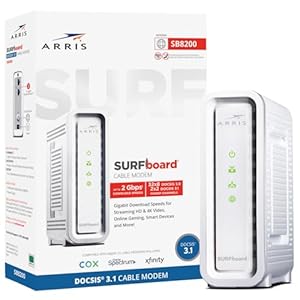
Spectrum is one of the largest cable internet providers in North Carolina, delivering broadband service to households across the state with download speeds from 300 Mbps to 2 Gbps. All Spectrum plans include no annual contracts, unlimited data usage, and a free DOCSIS 3.1 internet modem. Below is a complete breakdown of every Spectrum internet plan currently available to North Carolina residents in 2026.
| Plan | Download Speed | Upload Speed | Monthly Price | Best For |
|---|---|---|---|---|
| Spectrum Internet 300 | 300 Mbps | 10 Mbps | $50/mo | Small households, streaming, web browsing |
| Spectrum Internet Ultra | 500 Mbps | 20 Mbps | $70/mo | Multiple devices, online gaming, video calls |
| Spectrum Internet Gig | 1 Gbps | 35 Mbps | $80/mo | Large households, 4K streaming, smart home devices |
| Spectrum Internet Gig 2x | 2 Gbps | 100 Mbps | $90/mo | Power users, content creators, multi-person home offices |
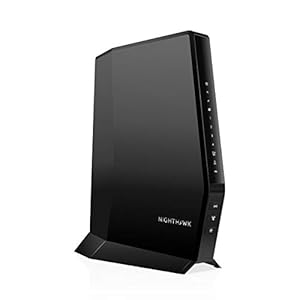
Spectrum's North Carolina network uses hybrid fiber-coaxial (HFC) cable technology with DOCSIS 3.1 modems provided at no additional charge. The included modem supports all speed tiers out of the box. Customers can rent a Spectrum Wi-Fi router for $5/mo or use their own compatible Wi-Fi router to avoid this recurring fee. The Gig 2x plan includes an advanced Wi-Fi 6E router at no extra cost, and achieving the full 2 Gbps download speed requires a wired Ethernet connection.
All Spectrum plans include access to the Spectrum nationwide network of Wi-Fi hotspots, the Spectrum Security Suite for antivirus protection, and eligibility for Spectrum Mobile wireless service. There are no hidden fees for modem rental, no early termination fees, and no data overage charges on any plan.
For a comprehensive look at Spectrum's plans and features across all states, visit the Spectrum provider overview page.
Spectrum Coverage in North Carolina
Spectrum has an extensive broadband footprint in North Carolina, serving a large portion of the state's population with cable internet service. Charter Communications, Spectrum's parent company, has invested significantly in network infrastructure across North Carolina to deliver competitive broadband speeds to both urban and suburban communities.
Top cities and communities served by Spectrum in North Carolina include:
- Charlotte — Extensive coverage throughout the Charlotte metro, including Concord, Gastonia, and Huntersville
- Raleigh — Available in many parts of the Triangle region, competing with AT&T Fiber and Google Fiber
- Durham — Coverage across the Durham area, part of the competitive Research Triangle market
- Greensboro — Strong presence in the Triad region including surrounding communities
- Winston-Salem — Primary cable provider in much of the Winston-Salem metro area
- Fayetteville — Serving the Fayetteville and Fort Liberty military communities
- Asheville — Available throughout the Asheville metro in western North Carolina
- Wilmington — Covering the coastal Wilmington and New Hanover County area
- High Point — Part of the Triad coverage zone, serving the furniture capital
- Cary — Serving this rapidly growing Research Triangle suburb
- Hickory — Available in the Catawba County area and Unifour region
- Greenville — Covering the eastern NC university city and Pitt County
- Jacksonville — Serving the Camp Lejeune and Marine Corps Base communities
- Mooresville — Available in the Lake Norman area north of Charlotte
Rural parts of North Carolina, particularly in the far western mountains and eastern coastal plain, may have limited Spectrum availability. The state has invested in broadband expansion through the GREAT (Growing Rural Economies with Access to Technology) grant program and is receiving substantial BEAD funding to extend service to underserved communities.
North Carolina has experienced rapid population growth, particularly in the Charlotte metro and the Research Triangle. This growth has driven increased broadband investment. Charter Communications (Spectrum's parent) has committed to expanding its network in underserved parts of North Carolina through both private investment and participation in government-funded broadband expansion programs. The state's thriving tech sector in the Triangle and Charlotte's banking industry create significant demand for reliable, high-speed internet.
Spectrum vs AT&T in North Carolina
AT&T and Spectrum are the primary internet providers competing across much of North Carolina. Each provider has distinct strengths depending on your location, budget, and internet usage patterns. Here is a detailed comparison of the two providers as they operate in North Carolina.
| Feature | Spectrum | AT&T |
|---|---|---|
| Technology | Cable (HFC) | Fiber (FTTP) and DSL/IPBB |
| Starting Price | $50/mo (300 Mbps) | $55/mo (Fiber 300) |
| Max Speed | 2 Gbps | 5 Gbps (Fiber) |
| Contracts | None | None |
| Data Caps | None | None (Fiber), 1 TB (DSL/IPBB) |
| Upload Speeds | 10-100 Mbps | Symmetric with Fiber |
In the Raleigh-Durham-Chapel Hill area, North Carolina residents have an additional option: Google Fiber, which offers symmetric gigabit speeds at competitive prices. Spectrum's main advantage over AT&T in North Carolina is wider availability — Spectrum's cable network reaches more addresses than AT&T Fiber's still-expanding footprint. Where AT&T Fiber is available, its symmetric upload speeds make it a strong choice for remote workers, content creators, and anyone who uploads large files regularly.
North Carolina's Research Triangle has become one of the most competitive broadband markets in the Southeast. The presence of Google Fiber, AT&T Fiber, and Spectrum means consumers in Raleigh, Durham, and Cary often have three or more high-speed options. This competitive pressure has pushed all providers to offer better pricing and faster speeds in the region.
For a detailed side-by-side analysis of these two providers, see our AT&T vs Spectrum comparison.
Spectrum Features & Benefits
Spectrum differentiates itself in the North Carolina market through several consumer-friendly policies and included features that add value beyond the base internet service.
No Annual Contracts
All Spectrum internet plans in North Carolina are month-to-month. You can cancel at any time without paying an early termination fee. This flexibility is a significant advantage for renters, military families near Fort Liberty (formerly Fort Bragg), Camp Lejeune, and Seymour Johnson AFB who may relocate on short notice, and anyone who values the freedom to switch providers without financial penalties.
No Data Caps
Spectrum does not impose data usage limits on any of its internet plans in North Carolina. Whether you use 100 GB or 3 TB per month, your price and speed remain the same. There are no overage charges, no throttling based on usage, and no fine print about "unlimited" data with hidden restrictions. This is especially valuable for households with heavy streaming, gaming, or remote work usage patterns.
Free Modem Included
Spectrum includes a DOCSIS 3.1 modem at no additional cost with every internet plan. You can also use your own compatible modem if you prefer. The optional Spectrum-provided Wi-Fi router costs $5/mo, though many customers choose to purchase their own router to save on this recurring fee over time. For the Gig 2x plan, Spectrum provides a Wi-Fi 6E router at no extra cost.
Spectrum Mobile
Spectrum internet customers in North Carolina can add Spectrum Mobile wireless phone service, which runs on the Verizon wireless network. Plans start at $29.99/mo per line for unlimited talk, text, and data. By-the-gig plans are also available at $14/GB. Bundling Spectrum internet and mobile can provide meaningful savings compared to maintaining separate internet and wireless providers.
Security Suite
Every Spectrum internet subscription includes the Security Suite at no extra charge, providing antivirus and anti-malware protection for Windows and Mac devices. This adds a layer of security for households that may not have separate antivirus software.
Nationwide Wi-Fi Hotspots
Spectrum subscribers in North Carolina get free access to Spectrum's network of Wi-Fi hotspots across the state and nationwide. These hotspots are located at restaurants, retail locations, parks, and other public spaces. Connecting to Spectrum hotspots can reduce cellular data usage when you are away from home.
How to Get Spectrum Internet in North Carolina
Setting up Spectrum internet service at your North Carolina address involves a straightforward process that can typically be completed within a few days of placing your order.
- Check availability — Visit the Spectrum provider page and enter your North Carolina address to confirm that Spectrum serves your specific location. Not all addresses are covered, so verification is an important first step.
- Choose your plan — Select from Internet 300 ($50/mo), Internet Ultra ($70/mo), Internet Gig ($80/mo), or Internet Gig 2x ($90/mo) based on your household's speed needs, number of connected devices, and budget.
- Schedule installation — Spectrum offers professional installation (typically $59.99, completed in about one hour) or free self-installation kits for addresses with existing cable infrastructure. Self-install kits ship to your address within a few business days.
- Set up your equipment — If self-installing, connect the provided modem to your coaxial cable outlet, plug in your router (Spectrum's or your own), and follow the step-by-step activation instructions in the My Spectrum app.
- Activate and manage your account — Download the My Spectrum app to manage your account, monitor your connection speed, adjust Wi-Fi network settings, pay bills, and contact support if needed.
Professional installation typically takes about one hour. Spectrum technicians are available for appointments seven days a week, including evenings and weekends in most North Carolina markets. In North Carolina's university towns, demand for new installations peaks in August and January around semester starts.
Frequently Asked Questions
What Spectrum internet plans are available in North Carolina?
Spectrum offers four internet plans in North Carolina: Internet 300 (300 Mbps for $50/mo), Internet Ultra (500 Mbps for $70/mo), Internet Gig (1 Gbps for $80/mo), and Internet Gig 2x (2 Gbps for $90/mo). All plans include unlimited data usage and no annual contracts. The free modem is included with every plan.
Is Spectrum available in Charlotte, North Carolina?
Yes. Spectrum has extensive coverage in the Charlotte metropolitan area. It is one of the primary internet providers serving Charlotte and surrounding communities. Check your specific address on the Spectrum website or through our Spectrum provider page to confirm availability at your location.
Does Spectrum have data caps in North Carolina?
No. Spectrum does not enforce data caps on any of its internet plans in North Carolina or any other state. You can use as much data as you need each month without overage charges, throttling, or usage-based penalties.
Does Spectrum require a contract in North Carolina?
No. All Spectrum internet plans in North Carolina are month-to-month. There are no annual contracts and no early termination fees. You can cancel your service at any time without financial penalties.
How does Spectrum compare to AT&T in North Carolina?
Spectrum generally offers wider cable coverage across North Carolina and a lower entry-level price at $50/mo for 300 Mbps. AT&T offers fiber service with symmetric upload speeds where available, which is an advantage for remote work and video conferencing. The best choice depends on which services are available at your specific address and whether you prioritize upload speeds or broader availability.
Can I use my own router with Spectrum in North Carolina?
Yes. Spectrum provides a free modem but charges $5/mo for its Wi-Fi router. You can use your own compatible Wi-Fi router to avoid this monthly fee. Spectrum maintains a list of approved third-party routers and modems on its website. Using your own router can save $60 per year.
What is Spectrum's installation process in North Carolina?
Spectrum offers both professional installation ($59.99, typically a one-hour appointment) and free self-installation kits. Self-installation involves connecting the provided modem to your coaxial cable outlet and following the setup instructions in the My Spectrum app. Most North Carolina addresses with existing cable infrastructure qualify for the free self-install option.
Does Spectrum offer TV and phone bundles in North Carolina?
Yes. Spectrum offers TV Select and other television packages that can be bundled with internet service. Spectrum Voice phone service is also available as an add-on. However, internet-only plans are available with no requirement to bundle additional services. Bundling can sometimes provide savings compared to purchasing services separately.
How does Spectrum compare to Google Fiber in the Triangle?
Google Fiber offers symmetric speeds (equal upload and download) at competitive prices in parts of Raleigh, Durham, and surrounding cities. Spectrum has broader coverage in the Triangle area and lower entry pricing at $50/mo. If Google Fiber is available at your address and you need fast upload speeds, it is generally the better value at the gigabit tier.
Does Spectrum offer discounts for students in North Carolina?
Spectrum does not offer a specific student discount, but its no-contract model is well-suited for students who only need service during the academic year. Spectrum Internet Assist, a low-cost plan for eligible low-income households, may also be available to qualifying students.
Spectrum Network Performance in North Carolina
Spectrum's hybrid fiber-coaxial (HFC) network in North Carolina delivers broadband service by combining fiber-optic trunk lines with coaxial cable connections to individual homes. Charter Communications, Spectrum's parent company, has invested heavily in upgrading the North Carolina network to DOCSIS 3.1 technology across all markets. This upgrade enables the full range of speed tiers from 300 Mbps to 2 Gbps and positions the network for future DOCSIS 4.0 upgrades that could deliver even faster speeds without new infrastructure to homes.
Real-world speed test data from North Carolina shows that Spectrum consistently delivers speeds at or near advertised rates during off-peak hours. During peak evening hours (7-11 PM), when simultaneous usage on cable networks increases, some North Carolina customers may experience modest speed reductions of 10-20% on lower-tier plans. The higher-tier plans (Gig and Gig 2x) are less affected by peak congestion due to their dedicated channel bonding configurations. Spectrum's network operations center in Charlotte monitors the North Carolina network continuously and deploys capacity upgrades to congested nodes proactively.
Latency on Spectrum's North Carolina network typically ranges from 10-25 milliseconds for connections to East Coast servers, which is well within the acceptable range for online gaming, video conferencing, and real-time collaboration tools. Competitive gamers in Charlotte, Raleigh, and other North Carolina metros report consistent sub-20ms ping times to popular game servers, making Spectrum a viable option for esports and competitive gaming. Jitter (variation in latency) typically stays below 5ms, ensuring stable connections for latency-sensitive applications.
Understanding Spectrum's Upload Speeds in North Carolina
One area where Spectrum's cable service differs from fiber competitors in North Carolina is upload speeds. While Spectrum offers download speeds from 300 Mbps to 2 Gbps, upload speeds range from 10 Mbps on the Internet 300 plan to 100 Mbps on the Gig 2x plan. This asymmetric speed profile reflects the fundamental architecture of cable internet, which allocates more bandwidth to downloads than uploads.
For most North Carolina households, Spectrum's upload speeds are sufficient for standard internet activities including video calls (which require 3-5 Mbps upload), social media posting, email with attachments, and cloud backup of photos and documents. However, North Carolina residents who work in content creation, video production, software development, or other upload-intensive fields should consider whether Spectrum's upload speeds meet their professional needs. AT&T Fiber and Google Fiber (in the Triangle) both offer symmetric upload speeds that match download speeds, which may be more suitable for heavy uploaders.
Spectrum has announced plans to upgrade upload speeds across its network through mid-split and high-split technology. These upgrades, which are rolling out to select markets in 2026, will significantly increase upload speeds on all plans. North Carolina is among the priority markets for these upgrades due to the state's competitive broadband landscape. When implemented, upload speeds on the Internet 300 plan could increase from 10 Mbps to 20-30 Mbps, with proportional increases across all tiers.
Spectrum Internet Assist for North Carolina Families
Spectrum Internet Assist is a low-cost internet program available to qualifying North Carolina households. The program provides 30 Mbps internet service at a reduced rate for families participating in the National School Lunch Program (NSLP), Supplemental Security Income (SSI), or Community Eligibility Provision (CEP) school districts. While 30 Mbps is significantly slower than Spectrum's standard plans, it provides adequate bandwidth for basic web browsing, email, homework, and standard-definition video streaming on 1-2 devices simultaneously.
The Internet Assist program includes the same no-contract, no-data-cap benefits as Spectrum's standard plans. A free modem is included, and there are no installation fees for qualifying households. North Carolina families can apply for Internet Assist by calling Spectrum's dedicated assistance line or visiting a local Spectrum store with documentation of their qualifying program participation. The program is particularly valuable in North Carolina communities where the only alternative is expensive satellite internet or limited mobile hotspot data.
Spectrum for North Carolina Military Communities
North Carolina hosts several major military installations including Fort Liberty (formerly Fort Bragg), Camp Lejeune, Marine Corps Air Station Cherry Point, Seymour Johnson Air Force Base, and others. Spectrum's no-contract internet is especially valuable for military families stationed in North Carolina, who may receive orders to relocate on relatively short notice. With no annual contracts and no early termination fees, military personnel can cancel Spectrum service at any time without financial penalty when reassigned to a new duty station.
Spectrum serves the communities surrounding all major North Carolina military bases, providing broadband options for on-base housing (where available) and off-base residences. The Fayetteville area near Fort Liberty, Jacksonville near Camp Lejeune, and Goldsboro near Seymour Johnson AFB all have extensive Spectrum coverage. Military families moving to North Carolina can often have Spectrum internet installed within 3-5 business days of placing an order, and self-installation kits are available for addresses with existing cable infrastructure.
Spectrum Internet for North Carolina Businesses
Spectrum Business offers dedicated internet plans for North Carolina businesses separate from its residential offerings. Business plans include static IP addresses, 24/7 priority technical support, and service level agreements (SLAs) with uptime guarantees. Business internet plans start at 300 Mbps with higher upload speeds than residential plans, reflecting the upload-intensive needs of business operations including point-of-sale systems, cloud applications, and video conferencing.
North Carolina's thriving small business ecosystem, particularly in Charlotte's financial sector, the Research Triangle's tech corridor, and Asheville's tourism and craft industries, relies on reliable broadband. Spectrum Business serves storefronts, offices, restaurants, and co-working spaces across the state with plans scaling up to 10 Gbps fiber connections for enterprise customers. For North Carolina businesses considering Spectrum, the no-contract business plans provide the same flexibility as residential service, allowing businesses to upgrade, downgrade, or cancel as their needs evolve.
Competitive Landscape in North Carolina
In North Carolina, Spectrum competes with AT&T Fiber, Google Fiber, Xtreme/Lumen, Brightspeed, and T-Mobile 5G. North Carolina represents a fiercely competitive broadband market. Google Fiber operates in Charlotte and the Research Triangle (Raleigh-Durham-Chapel Hill), while AT&T Fiber has significant coverage in Charlotte, Raleigh, and Greensboro. Brightspeed, which acquired CenturyLink's operations in the state, is upgrading DSL areas to fiber. This level of competition benefits North Carolina consumers with lower prices and better service than many states.
North Carolina Market Insights
The Research Triangle's concentration of tech companies and universities creates exceptionally high broadband demand. Spectrum competes by offering its full range of speed tiers (300 Mbps to 2 Gbps) in these tech-centric areas, emphasizing its no-contract flexibility that appeals to the area's transient professional workforce.
Spectrum Fiber Deployment in North Carolina
Spectrum is actively deploying fiber in rural North Carolina communities, including areas awarded under the state's GREAT (Growing Rural Economies with Access to Technology) grant program.
Spectrum Deals & Bundles in North Carolina
Spectrum offers the same core internet plans across North Carolina, but local promotions and bundle options may vary. Visit our dedicated pages for current offers:
- Current Spectrum Deals & Promotions — See the latest discounts and new-customer offers
- Spectrum Bundle Packages — Compare Internet + TV + Mobile combinations
- Best Internet Providers Nationwide — See how Spectrum ranks overall
- Cheapest Internet Plans — Budget-friendly alternatives in North Carolina
Sources & Methodology
Coverage data, plan details, and pricing are compiled from FCC Broadband Data Collection filings, provider-published broadband nutrition labels, and U.S. Census Bureau demographic data including population and median household income figures from the American Community Survey. Pricing, speeds, and availability are verified against provider broadband nutrition labels and may vary by location. For a detailed explanation of our data collection and scoring process, see our methodology page.
Data Sources
- FCC Broadband Data Collection
- U.S. Census Bureau American Community Survey
- USAC Universal Service Fund
- NTIA Internet Use Survey
Last verified: March 2026. InternetProviders.ai is an independent resource. We may earn commissions from partner links — this does not affect our editorial recommendations. See our methodology for details.