Customer Support and Service Experience
Verizon Fios provides customer support through multiple channels including phone, live chat, and an online help center. Phone support is available for technical issues, billing questions, and service changes. Many common tasks such as paying bills, upgrading plans, and scheduling appointments can be handled through the provider's website or mobile app without waiting on hold.
For technical troubleshooting, Verizon Fios support agents can run remote diagnostics on your connection to identify issues before scheduling a technician visit. If an on-site visit is required, the provider typically offers appointment windows and will credit your account for verified service outages exceeding 24 hours.
How to Choose the Right Verizon Fios Plan
Selecting the best plan depends on your household's internet usage patterns. For 1-2 people doing basic browsing, email, and occasional streaming, the lowest available tier provides adequate performance. Households with 3-5 members who stream video, work remotely, and game online should consider mid-tier plans offering 300-500 Mbps. Power users with many connected devices or who upload large files benefit from gigabit-level plans.
Consider your upload speed needs as well. Remote workers participating in frequent video conferences require at least 10 Mbps upload for reliable HD video quality. Content creators and live streamers need 25-50 Mbps or more for consistent output quality. Compare upload speeds across available plans, as they vary significantly by technology type and plan tier.
Understanding Your Verizon Fios Bill
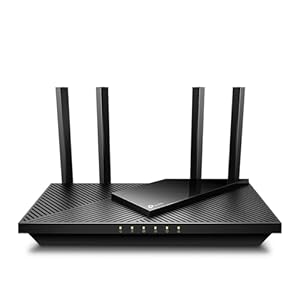
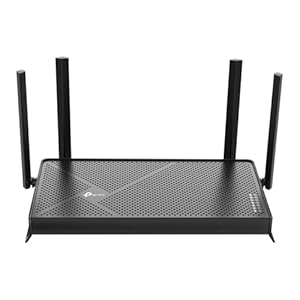
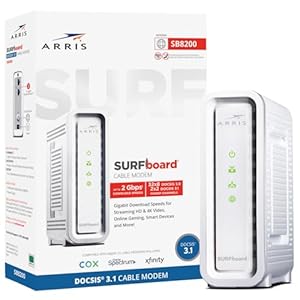
Your monthly Verizon Fios bill may include several line items beyond the base internet plan price. Common additional charges include equipment rental fees for modems and routers ($10-15/month), WiFi management fees ($5-10/month), broadcast TV surcharges if bundled with television, and regulatory recovery fees. Understanding each charge helps you identify opportunities to reduce your bill, such as purchasing your own compatible equipment to eliminate rental fees.
Review your bill regularly for rate increases, especially after promotional periods expire. Many customers do not notice gradual price increases that accumulate over time. If your rate has increased significantly from when you first signed up, contact the retention department to negotiate a better rate. Having competitor pricing information available when you gives you leverage to secure discounts of $10-30 per month in many cases.
Verizon Fios Customer Experience
The customer experience with Verizon Fios encompasses everything from initial sign-up through daily use and ongoing support. Understanding what to expect helps you make an informed decision.
Ordering and installation: New customers can typically order service online or by phone. Professional installation is usually completed within 3-7 business days. Some plans qualify for self-installation, which eliminates the wait time and installation fee.
Account management: Verizon Fios provides online account access where you can view your bill, monitor data usage, manage your plan, and troubleshoot common issues. Mobile app functionality allows you to manage your account, check your connection status, and contact support from your phone.
Technical support: When issues arise, Verizon Fios offers multiple support channels including phone, chat, and online troubleshooting guides. Response times vary by channel and time of day. For urgent connectivity issues, phone support typically provides the fastest resolution.
Plan flexibility: Most Verizon Fios plans allow upgrades or downgrades without early termination fees. If your needs change — whether you're adding remote workers, streamers, or downsizing — you can adjust your plan accordingly.
Verizon Fios Network Technology
Verizon Fios's network infrastructure determines the speed, reliability, and latency you can expect from your connection. The technology serving your address directly impacts your daily internet experience.
Fiber optic connections deliver the highest performance with symmetric speeds and minimal latency. Cable connections offer strong download speeds using upgraded coaxial infrastructure. DSL provides basic broadband over telephone lines, while fixed wireless uses cellular towers to deliver broadband without physical wiring.
Network investments continue to expand Verizon Fios's fiber footprint and improve cable network capacity. Areas served by newer infrastructure generally experience better peak-hour performance and higher available speed tiers. Checking your specific address reveals which technology serves your location.
Making the Right Choice
Selecting the right internet provider is a decision that impacts your daily digital life for months or even years to come. When evaluating Verizon alongside other options in your area, consider not just the advertised speed and price, but the total value proposition including reliability, customer support quality, equipment costs, and contract flexibility. Read recent customer reviews from users in your specific area, as service quality can vary between regions. Take advantage of any trial periods or money-back guarantees to test the service before making a long-term commitment. Remember that the cheapest plan is not always the best value when you factor in hidden fees, data caps, and potential speed throttling during peak hours. Investing a little more each month for a reliable, high-speed connection often pays dividends in productivity, entertainment quality, and overall household satisfaction with your internet service.