Xfinity Internet in California at a Glance
Xfinity from Comcast delivers cable. Fiber internet service across California, reaching households in Los Angeles, San Francisco, San Diego, San Jose, and Sacramento and surrounding communities. As the nation's largest cable internet provider, Xfinity offers California residents download speeds ranging from 75 Mbps to 1.2 Gbps, with plans starting at just $19.99 per month. Whether you are streaming, gaming, or working from home, Xfinity has a plan to match your household's needs in California. to check availability at your address and get started today.
Xfinity Internet Plans Available in California
Xfinity offers six core internet plans throughout its California service area. Pricing reflects standard rates before promotional discounts, which may vary by location. Contact Xfinity at for the latest promotions available at your California address.
| Plan Name | Download Speed | Upload Speed | Monthly Price | Data Cap | Contract |
|---|---|---|---|---|---|
| Connect | 75 Mbps | 10 Mbps | $19.99/mo | 1.2 TB | None |
| Connect More | 200 Mbps | 10 Mbps | $35.00/mo | 1.2 TB | None |
| Fast | 400 Mbps | 10 Mbps | $55.00/mo | 1.2 TB | None |
| Superfast | 800 Mbps | 15 Mbps | $65.00/mo | 1.2 TB | None |
| Gigabit | 1,000 Mbps | 20 Mbps | $75.00/mo | 1.2 TB | None |
| Gigabit Extra | 1,200 Mbps | 35 Mbps | $80.00/mo | 1.2 TB | None |
About Xfinity Internet
Xfinity is Comcast Corporation's consumer brand for residential internet, television, and phone services. As the largest cable internet provider in the United States, Xfinity serves tens of millions of homes across 40 states, including significant coverage in California. The company delivers internet through a hybrid fiber-coaxial (HFC) cable network, with ongoing upgrades to DOCSIS 3.1. Emerging DOCSIS 4.0 technology that enable multi-gigabit speeds over existing cable infrastructure.
In California, Xfinity's network reaches households across Los Angeles, San Francisco, San Diego, San Jose, Sacramento and many surrounding communities. The company has invested in network improvements throughout the state to increase speeds, reduce latency, and improve reliability for subscribers. Xfinity also offers the xFi Gateway modem-router, which provides whole-home Wi-Fi 6 coverage, parental controls, and network security features.
Xfinity Coverage and Availability in California
Xfinity's California coverage spans major metropolitan areas and many suburban communities. The cable network is built out most extensively in the state's population centers, where the density of homes makes infrastructure investment most efficient. If you live in or near one of California's larger cities, there is a strong likelihood Xfinity is available at your address.
Key California cities served by Xfinity include:
- Los Angeles, California
- San Francisco, California
- San Diego, California
- San Jose, California
- Sacramento, California
- Fresno, California
To confirm Xfinity availability at your specific California address, . Coverage can vary block by block, so an address-level check is the most reliable way to verify service.
In areas where Xfinity is not available, California residents may find coverage from competitors including AT&T Fiber, Spectrum, Frontier Fiber. However, where Xfinity cable is available, it typically delivers faster speeds than DSL alternatives and more consistent performance than fixed wireless or satellite options.
Xfinity Speed Analysis for California
Xfinity delivers internet to California homes primarily over its cable network, using DOCSIS 3.1 technology. This technology allows download speeds up to 1.2 Gbps through the Gigabit Extra plan, making Xfinity one of the fastest internet providers available in California. Cable internet speeds are shared among users on the same node, which means performance can vary during peak usage hours in densely populated neighborhoods.
For most California households, the Connect More plan at 200 Mbps provides ample bandwidth for streaming video on multiple devices, video conferencing. General web browsing. Households with four or more connected devices, or those that regularly transfer large files, may benefit from the Fast or Superfast tiers. Gamers and tech professionals in California often prefer the Gigabit or Gigabit Extra plans for their higher throughput and improved upload speeds.
Upload speeds on Xfinity's cable network range from 10 Mbps on the entry-level plans to 35 Mbps on the Gigabit Extra tier. These upload speeds are adequate for video calls and basic cloud backups. Fall short of the symmetric upload speeds offered by fiber-to-the-home providers like AT&T Fiber. If your California household requires fast uploads for professional video production, live streaming, or large dataset transfers, compare Xfinity's upload speeds against fiber alternatives available at your address.
Xfinity Pricing and Equipment in California
Xfinity's California pricing starts at $19.99 per month for the Connect plan with 75 Mbps download speeds. All Xfinity plans in California operate without contracts, giving subscribers the flexibility to change plans or cancel service without early termination fees. Promotional pricing may lower monthly costs for the first 12 to 24 months of service.
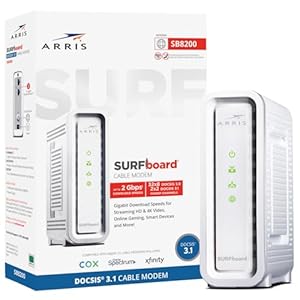
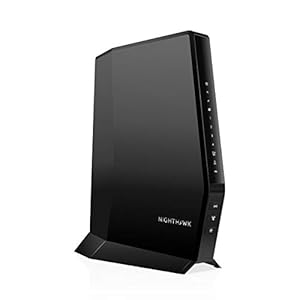
In addition to the monthly service charge, California subscribers should budget for equipment costs. Xfinity's xFi Gateway modem-router rental costs $14 per month and includes Wi-Fi 6 capability, device management through the Xfinity app, and advanced security features. Alternatively, subscribers can purchase a compatible DOCSIS 3.1 modem and separate router to avoid the monthly rental fee. Over a 24-month period, buying your own equipment typically saves $200 or more compared to renting.
Xfinity enforces a 1.2 TB monthly data cap in most markets, including most California service areas. Households that consistently exceed this limit can add unlimited data for an additional $30 per month, or upgrade to the Gigabit Extra plan. Which may include unlimited data as a promotional offer. For a typical household in California, 1.2 TB per month is sufficient for approximately 480 hours of HD streaming, well above average usage.
For the latest pricing, promotions, and equipment options available at your California address, .
California Broadband Market Analysis
California is Xfinity's largest market by subscriber count, reflecting the state's massive population and tech-forward culture. From Silicon Valley to Southern California, Comcast has made significant fiber-to-the-node upgrades across the state. The competitive pressure from AT&T Fiber and emerging providers like Sonic has pushed Xfinity to continually enhance speeds and pricing in major metros.
The competitive landscape in California includes AT&T Fiber, Spectrum, Frontier Fiber, and other regional providers. This competition benefits California consumers through lower prices, faster speeds, and improved customer service. Xfinity's position as a major cable provider means it can leverage national scale for technology development while maintaining local service teams in California.
According to FCC broadband data, California ranks among the states with increasing broadband deployment, particularly in urban and suburban areas. Xfinity's DOCSIS 3.1 network upgrades have contributed to this progress by making gigabit-class speeds available to a growing number of California households. Future DOCSIS 4.0 deployments may push cable speeds even higher, potentially reaching multi-gigabit symmetric performance.
Xfinity Flex and xFi Gateway in California
Xfinity internet subscribers in California who do not bundle TV service receive the Xfinity Flex streaming device at no additional cost. Flex provides access to popular streaming platforms including Peacock, Pluto TV, Tubi. Xumo, along with integration for paid services like Netflix and Amazon Prime Video. The Flex device supports 4K HDR content and voice remote control.
The xFi Gateway serves as both modem and router, supporting Wi-Fi 6 technology for improved wireless performance in California homes. The Xfinity app allows subscribers to manage their network remotely, set parental controls, pause device access, and run speed tests. For larger California homes that need extended coverage, Xfinity offers xFi Pods. Which are mesh Wi-Fi extenders that integrate seamlessly with the Gateway to eliminate dead zones.
Frequently Asked Questions About Xfinity in California
What Xfinity internet speeds are available in California?
Xfinity offers download speeds from 75 Mbps to 1.2 Gbps in California, depending on your specific address. Most California homes in Xfinity's coverage area can access the full range of plans. to check speeds available at your address.
How much does Xfinity internet cost in California?
Xfinity plans in California start at $19.99 per month for 75 Mbps and go up to $80 per month for 1.2 Gbps. No contracts are required. Promotional pricing may offer additional savings for new subscribers. for the latest California promotions.
Does Xfinity have a data cap in California?
Yes, Xfinity enforces a 1.2 TB monthly data cap in most California service areas. This is sufficient for most households. If you need more, unlimited data can be added for $30 per month, or it may be included with select plans. Check current California data cap policies by calling .
Can I use my own modem with Xfinity in California?
Yes, Xfinity supports customer-owned DOCSIS 3.1 modems in California. Using your own modem saves the $14 per month xFi Gateway rental fee. Ensure your modem is on Xfinity's approved device list for full compatibility with your California service plan.
Does Xfinity require a contract in California?
No, all current Xfinity internet plans in California are available without contracts. You can change plans or cancel service at any time without incurring early termination fees. Some promotional pricing may have specific term agreements. for details.
Is Xfinity the fastest internet option in California?
Xfinity offers speeds up to 1.2 Gbps in California, making it one of the fastest options available. However, AT&T Fiber and Frontier Fiber offer comparable or faster speeds in some areas. to check the best speeds available at your California address.
Xfinity Customer Experience in California
California Xfinity subscribers benefit from one of Comcast's most established service territories. With major service hubs in San Francisco, Los Angeles, Sacramento, and San Jose, Xfinity maintains a dense infrastructure footprint across the state's most populated corridors.
Xfinity's customer experience in California includes access to the Xfinity app for account management, bill payment, and troubleshooting. California customers can also visit more than 80 Xfinity retail stores statewide for in-person support, equipment exchanges, and service demonstrations. The app provides real-time outage maps specific to your California service area.
For installation, California customers typically choose between professional installation ($100 one-time fee) and self-install kits (free). Self-installation works well for homes with existing coaxial wiring and generally takes 30 to 45 minutes. Professional installation is recommended for new construction, apartments without existing wiring, or customers adding Xfinity TV and phone service.
Network Reliability and Performance
Xfinity's California network has undergone significant upgrades since 2023, with the rollout of DOCSIS 4.0 technology in select markets including parts of the San Francisco Bay Area and greater Los Angeles. This technology enables multi-gigabit speeds over the existing coaxial cable infrastructure, reducing the need for full fiber-to-the-home deployments.
California's susceptibility to wildfires and earthquakes means network resilience matters. Xfinity has invested in redundant routing across the state, and their network operations center provides 24/7 monitoring of California infrastructure. During the 2025 wildfire season, Xfinity deployed mobile hotspot units in affected communities and waived data caps for impacted customers.
The DOCSIS 4.0 upgrade path is particularly important for California's tech-savvy population. Unlike fiber deployments that require new infrastructure to every home, DOCSIS 4.0 leverages existing coaxial cable while delivering symmetrical multi-gigabit speeds. California markets in the rollout include San Francisco, Oakland, San Jose, Los Angeles, San Diego, and Sacramento, with broader availability expected through 2027.
California-Specific Regulatory Benefits
California's strong consumer protection laws provide additional benefits for Xfinity subscribers. The California Consumer Privacy Act (CCPA) gives residents more control over their personal data collected by Xfinity. The California Internet Consumer Protection and Net Neutrality Act also ensures that Xfinity cannot throttle, block, or create paid fast lanes for internet traffic delivered to California addresses.
The California Public Utilities Commission (CPUC) also oversees broadband deployment in the state. Under the CPUC's broadband expansion goals, Xfinity has committed to extending service to underserved areas of the Central Valley and rural Northern California through 2027. Also, the CPUC's Affordable Connectivity programs work alongside the federal ACP to provide discounted internet access to qualifying California households.
Xfinity vs. Major California Competitors
California's internet market is among the most competitive in the nation, with Xfinity facing strong competition from AT&T Fiber, Google Fiber (in select cities), Sonic, and various fixed wireless providers.
| Provider | Technology | Max Speed | Starting Price | Data Cap |
|---|---|---|---|---|
| Xfinity | Cable/DOCSIS 4.0 | 2 Gbps | $35/mo | 1.2 TB |
| AT&T Fiber | Fiber (FTTH) | 5 Gbps | $55/mo | None |
| Google Fiber | Fiber (FTTH) | 8 Gbps | $70/mo | None |
| Sonic | Fiber/DSL | 10 Gbps | $39.99/mo | None |
| T-Mobile 5G Home | Fixed Wireless | 245 Mbps | $50/mo | None |
Xfinity's primary advantage in California is coverage breadth. While AT&T Fiber and Google Fiber offer compelling fiber alternatives, their availability is limited to specific neighborhoods. Xfinity covers approximately 70% of California households, making it the most widely available wired broadband provider in the state.
For California households that prioritize no data caps, AT&T Fiber or Sonic are strong alternatives where available. However, Xfinity's entry-level pricing remains competitive, and the xFi Complete add-on ($25/month) removes the 1.2 TB data cap while including an upgraded WiFi gateway.
Remote workers and heavy streamers in California should carefully evaluate whether Xfinity's data cap will be a limiting factor. A household streaming 4K content on multiple devices and running video calls can realistically consume 1 TB or more per month. Xfinity charges $10 for each additional 50 GB block, up to a maximum overage of $100 per month.
How to Get the Best Xfinity Deal in California
Xfinity pricing in California is promotional, meaning your rate will increase after 12 or 24 months depending on the plan. Here are strategies California subscribers use to maintain competitive pricing:
- Negotiate at renewal: Contact Xfinity retention (1-800-XFINITY) 30 days before your promotional period ends. California customers report success rates above 60% when requesting a new promotional rate.
- Use your own equipment: Purchasing a compatible DOCSIS 3.1 modem ($80-$150) and a separate WiFi 6E router ($100-$200) eliminates the $14/month equipment rental fee, saving $168 per year.
- Monitor competitor offers: If AT&T Fiber or Sonic becomes available at your California address, mention this when negotiating. Xfinity agents have more flexibility on pricing in competitive markets.
- Consider Xfinity Prepaid: Xfinity offers prepaid internet in some California markets at $45/month for 50 Mbps with no credit check and no contract. This option is ideal for short-term renters or those rebuilding credit.
- Student discounts: California college students may qualify for Xfinity's student discount, which offers reduced rates for addresses near qualifying universities. Check xfinity.com/student for current availability.
California residents in apartments and condominiums should also verify whether their building has an exclusive agreement with a specific provider. While the FCC prohibits exclusive wiring agreements, some California buildings still have de facto single-provider access due to wiring infrastructure. If your building only offers Xfinity, contact the building management to request that additional providers be allowed to install competing infrastructure.
Xfinity Internet for California Businesses
Xfinity Business offers separate plans for California-based small businesses and home offices. Business plans include static IP addresses, business-grade WiFi equipment, and enhanced service level agreements (SLAs) with guaranteed uptime. Starting at $69.99/month for 200 Mbps, Xfinity Business plans include no data caps and priority customer support.
For California remote workers who need business-class reliability on a residential budget, Xfinity's Gigabit plan ($80/month) with xFi Complete ($25/month for unlimited data) provides a strong foundation. The combined $105/month cost is significantly less than most business-grade plans while delivering comparable speeds and removing the data cap constraint.
California small businesses in Xfinity's service territory can also take advantage of Comcast's RISE (Representation, Investment, Strength, and Empowerment) program, which provides grants, technology resources, and marketing support to small businesses owned by people of color, women, and veterans.
Xfinity Internet Speed Tiers for California Homes
Choosing the right Xfinity speed tier in California depends on your household size, the number of connected devices, and your primary internet activities. California's tech-forward population tends to have more smart home devices, streaming services, and remote work demands than the national average, making speed selection particularly important.
Connect (75 Mbps) — $35/month
Suitable for 1 to 2 person California households with basic internet needs. This tier supports standard-definition streaming on one or two devices, email, web browsing, and social media. It is not recommended for households with multiple remote workers or 4K streaming demands. This plan is popular among California retirees and budget-conscious individuals who primarily use the internet for email and light browsing.
Connect More (200 Mbps) — $55/month
A solid mid-range option for California households with 3 to 5 connected devices. This tier comfortably handles multiple HD streams, video calls, and moderate online gaming simultaneously. For many California families, this plan represents the sweet spot between price and performance. Remote workers who primarily use web-based applications and video conferencing will find this speed sufficient.
Fast (400 Mbps) — $70/month
Designed for active California households with 5 to 8 connected devices. This tier supports multiple 4K streams, competitive online gaming, and simultaneous work-from-home video conferences without noticeable slowdowns. California households with smart home ecosystems (Ring cameras, Nest thermostats, smart lighting) benefit from the extra headroom this tier provides.
Superfast (800 Mbps) — $80/month
Ideal for California tech enthusiasts and large families with 8 to 12 connected devices. At this speed tier, virtually any combination of streaming, gaming, video conferencing, and file downloading can run concurrently without bandwidth competition. This plan is popular in Silicon Valley and other California tech hubs where household device counts regularly exceed 10.
Gigabit (1 Gbps) — $80/month
Xfinity's gigabit tier is the best value for speed in California, often priced the same as the Superfast tier during promotional periods. With download speeds up to 1,200 Mbps and upload speeds up to 35 Mbps, this plan serves even the most demanding California households. Content creators, software developers, and households running home servers will appreciate the consistent high bandwidth.
Gigabit Extra (2 Gbps) — $100/month
The fastest Xfinity tier available in California, delivering download speeds up to 2,000 Mbps. This plan requires the xFi Complete gateway and is available in California markets where DOCSIS 4.0 or fiber infrastructure has been deployed. At this speed, downloading a 50 GB video game takes approximately 3 minutes, and entire household networks can operate at peak capacity simultaneously.
Understanding Xfinity's Data Cap Policy in California
One of the most discussed aspects of Xfinity internet service in California is the 1.2 TB monthly data cap. Understanding how this cap works and whether it will affect your household is essential for California subscribers.
Most California households use between 300 and 600 GB per month, well under the 1.2 TB cap. However, heavy-usage households can exceed this limit. Activities that consume the most data include:
- 4K streaming: Approximately 7 GB per hour per stream
- HD streaming: Approximately 3 GB per hour per stream
- Video conferencing (Zoom/Teams): Approximately 1.5 GB per hour
- Online gaming: Approximately 0.04 GB per hour (but game downloads can be 50-100 GB each)
- Cloud backups: Variable, but initial backups can consume hundreds of GB
If your California household routinely exceeds 1.2 TB, Xfinity offers three options: the xFi Complete add-on ($25/month for unlimited data plus an upgraded gateway), the Unlimited Data add-on ($30/month for unlimited data without the gateway), or paying overage charges ($10 per 50 GB up to $100 maximum). For households consistently exceeding the cap, xFi Complete is the most cost-effective solution.
California residents should note that Xfinity provides a courtesy month of unlimited data once per 12-month period. If you exceed 1.2 TB in a single month but typically stay under, you will not incur overage charges for that first occurrence. Xfinity also sends usage alerts at 75%, 90%, and 100% of your data cap via email and the Xfinity app.
Related Resources
- Xfinity Internet Plans and Reviews
- Compare Xfinity vs. Spectrum
- Compare Xfinity vs. AT&T
- All Internet Providers
- Los Angeles, California Internet Providers
Ready to get connected? now for exclusive deals:
Sources & Methodology
Coverage data, plan details, and pricing are compiled from FCC Broadband Data Collection filings, provider-published broadband nutrition labels, and U.S. Census Bureau demographic data including population and median household income figures from the American Community Survey. Pricing, speeds, and availability are verified against provider broadband nutrition labels and may vary by location. For a detailed explanation of our data collection and scoring process, see our methodology page.
Data Sources
- FCC Broadband Data Collection
- U.S. Census Bureau American Community Survey
- USAC Universal Service Fund
- NTIA Internet Use Survey
Last verified: March 2026. InternetProviders.ai is an independent resource. We may earn commissions from partner links — this does not affect our editorial recommendations. See our methodology for details.