Xfinity Internet in New Hampshire at a Glance
Xfinity from Comcast delivers cable and fiber internet service across New Hampshire, reaching households in Manchester, Nashua, Concord, Dover, and Rochester and surrounding communities. As the nation's largest cable internet provider, Xfinity offers New Hampshire residents download speeds ranging from 75 Mbps to 1.2 Gbps, with plans starting at just $19.99 per month. Whether you are streaming, gaming, or working from home, Xfinity has a plan to match your household's needs in New Hampshire. to check availability at your address and get started today.
Xfinity Internet Plans Available in New Hampshire
Xfinity offers six core internet plans throughout its New Hampshire service area. Pricing reflects standard rates before promotional discounts, which may vary by location. Contact Xfinity at for the latest promotions available at your New Hampshire address.
| Plan Name | Download Speed | Upload Speed | Monthly Price | Data Cap | Contract |
|---|---|---|---|---|---|
| Connect | 75 Mbps | 10 Mbps | $19.99/mo | 1.2 TB | None |
| Connect More | 200 Mbps | 10 Mbps | $35.00/mo | 1.2 TB | None |
| Fast | 400 Mbps | 10 Mbps | $55.00/mo | 1.2 TB | None |
| Superfast | 800 Mbps | 15 Mbps | $65.00/mo | 1.2 TB | None |
| Gigabit | 1,000 Mbps | 20 Mbps | $75.00/mo | 1.2 TB | None |
| Gigabit Extra | 1,200 Mbps | 35 Mbps | $80.00/mo | 1.2 TB | None |
About Xfinity Internet
Xfinity is Comcast Corporation's consumer brand for residential internet, television, and phone services. As the largest cable internet provider in the United States, Xfinity serves tens of millions of homes across 40 states, including significant coverage in New Hampshire. The company delivers internet through a hybrid fiber-coaxial (HFC) cable network, with ongoing upgrades to DOCSIS 3.1. Emerging DOCSIS 4.0 technology that enable multi-gigabit speeds over existing cable infrastructure.
In New Hampshire, Xfinity's network reaches households across Manchester, Nashua, Concord, Dover, Rochester and many surrounding communities. The company has invested in network improvements throughout the state to increase speeds, reduce latency, and improve reliability for subscribers. Xfinity also offers the xFi Gateway modem-router, which provides whole-home Wi-Fi 6 coverage, parental controls, and network security features.
Xfinity Coverage and Availability in New Hampshire
Xfinity's New Hampshire coverage spans major metropolitan areas and many suburban communities. The cable network is built out most extensively in the state's population centers, where the density of homes makes infrastructure investment most efficient. If you live in or near one of New Hampshire's larger cities, there is a strong likelihood Xfinity is available at your address.
Key New Hampshire cities served by Xfinity include:
- Manchester, New Hampshire
- Nashua, New Hampshire
- Concord, New Hampshire
- Dover, New Hampshire
- Rochester, New Hampshire
- Salem, New Hampshire
To confirm Xfinity availability at your specific New Hampshire address, . Coverage can vary block by block, so an address-level check is the most reliable way to verify service.
In areas where Xfinity is not available, New Hampshire residents may find coverage from competitors including Consolidated Communications, Fidium Fiber, T-Mobile Home Internet. However, where Xfinity cable is available, it typically delivers faster speeds than DSL alternatives and more consistent performance than fixed wireless or satellite options.
Xfinity Speed Analysis for New Hampshire
Xfinity delivers internet to New Hampshire homes primarily over its cable network, using DOCSIS 3.1 technology. This technology allows download speeds up to 1.2 Gbps through the Gigabit Extra plan, making Xfinity one of the fastest internet providers available in New Hampshire. Cable internet speeds are shared among users on the same node, which means performance can vary during peak usage hours in densely populated neighborhoods.
For most New Hampshire households, the Connect More plan at 200 Mbps provides ample bandwidth for streaming video on multiple devices, video conferencing. General web browsing. Households with four or more connected devices, or those that regularly transfer large files, may benefit from the Fast or Superfast tiers. Gamers and tech professionals in New Hampshire often prefer the Gigabit or Gigabit Extra plans for their higher throughput and improved upload speeds.
Upload speeds on Xfinity's cable network range from 10 Mbps on the entry-level plans to 35 Mbps on the Gigabit Extra tier. These upload speeds are adequate for video calls and basic cloud backups. Fall short of the symmetric upload speeds offered by fiber-to-the-home providers like Consolidated Communications. If your New Hampshire household requires fast uploads for professional video production, live streaming, or large dataset transfers, compare Xfinity's upload speeds against fiber alternatives available at your address.
Xfinity Pricing and Equipment in New Hampshire
Xfinity's New Hampshire pricing starts at $19.99 per month for the Connect plan with 75 Mbps download speeds. All Xfinity plans in New Hampshire operate without contracts, giving subscribers the flexibility to change plans or cancel service without early termination fees. Promotional pricing may lower monthly costs for the first 12 to 24 months of service.
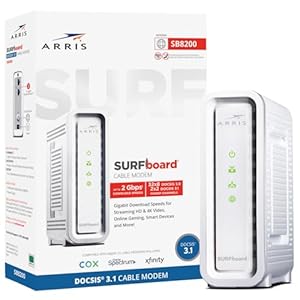
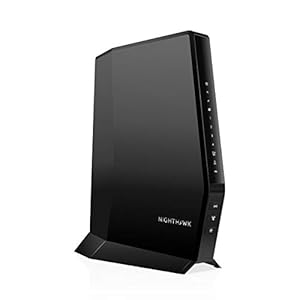
In addition to the monthly service charge, New Hampshire subscribers should budget for equipment costs. Xfinity's xFi Gateway modem-router rental costs $14 per month and includes Wi-Fi 6 capability, device management through the Xfinity app, and advanced security features. Alternatively, subscribers can purchase a compatible DOCSIS 3.1 modem and separate router to avoid the monthly rental fee. Over a 24-month period, buying your own equipment typically saves $200 or more compared to renting.
Xfinity enforces a 1.2 TB monthly data cap in most markets, including most New Hampshire service areas. Households that consistently exceed this limit can add unlimited data for an additional $30 per month, or upgrade to the Gigabit Extra plan. Which may include unlimited data as a promotional offer. For a typical household in New Hampshire, 1.2 TB per month is sufficient for approximately 480 hours of HD streaming, well above average usage.
For the latest pricing, promotions, and equipment options available at your New Hampshire address, .
New Hampshire Broadband Market Analysis
New Hampshire's broadband market has evolved as the state attracts remote workers from the greater Boston area. Xfinity's cable network covers much of southern New Hampshire, including Manchester and Nashua, providing high-speed options for commuters and residents alike. The state's lack of income and sales tax makes it an attractive option for tech professionals who rely on fast internet for remote work.
The competitive landscape in New Hampshire includes Consolidated Communications, Fidium Fiber, T-Mobile Home Internet, and other regional providers. This competition benefits New Hampshire consumers through lower prices, faster speeds, and improved customer service. Xfinity's position as a major cable provider means it can leverage national scale for technology development while maintaining local service teams in New Hampshire.
According to FCC broadband data, New Hampshire ranks among the states with increasing broadband deployment, particularly in urban and suburban areas. Xfinity's DOCSIS 3.1 network upgrades have contributed to this progress by making gigabit-class speeds available to a growing number of New Hampshire households. Future DOCSIS 4.0 deployments may push cable speeds even higher, potentially reaching multi-gigabit symmetric performance.
Xfinity Flex and xFi Gateway in New Hampshire
Xfinity internet subscribers in New Hampshire who do not bundle TV service receive the Xfinity Flex streaming device at no additional cost. Flex provides access to popular streaming platforms including Peacock, Pluto TV, Tubi. Xumo, along with integration for paid services like Netflix and Amazon Prime Video. The Flex device supports 4K HDR content and voice remote control.
The xFi Gateway serves as both modem and router, supporting Wi-Fi 6 technology for improved wireless performance in New Hampshire homes. The Xfinity app allows subscribers to manage their network remotely, set parental controls, pause device access, and run speed tests. For larger New Hampshire homes that need extended coverage, Xfinity offers xFi Pods. Which are mesh Wi-Fi extenders that integrate seamlessly with the Gateway to eliminate dead zones.
Frequently Asked Questions About Xfinity in New Hampshire
What Xfinity internet speeds are available in New Hampshire?
Xfinity offers download speeds from 75 Mbps to 1.2 Gbps in New Hampshire, depending on your specific address. Most New Hampshire homes in Xfinity's coverage area can access the full range of plans. to check speeds available at your address.
How much does Xfinity internet cost in New Hampshire?
Xfinity plans in New Hampshire start at $19.99 per month for 75 Mbps and go up to $80 per month for 1.2 Gbps. No contracts are required. Promotional pricing may offer additional savings for new subscribers. for the latest New Hampshire promotions.
Does Xfinity have a data cap in New Hampshire?
Yes, Xfinity enforces a 1.2 TB monthly data cap in most New Hampshire service areas. This is sufficient for most households. If you need more, unlimited data can be added for $30 per month, or it may be included with select plans. Check current New Hampshire data cap policies by calling .
Can I use my own modem with Xfinity in New Hampshire?
Yes, Xfinity supports customer-owned DOCSIS 3.1 modems in New Hampshire. Using your own modem saves the $14 per month xFi Gateway rental fee. Ensure your modem is on Xfinity's approved device list for full compatibility with your New Hampshire service plan.
Does Xfinity require a contract in New Hampshire?
No, all current Xfinity internet plans in New Hampshire are available without contracts. You can change plans or cancel service at any time without incurring early termination fees. Some promotional pricing may have specific term agreements. for details.
Does Xfinity offer competitive pricing in New Hampshire?
Xfinity offers plans starting at $19.99 per month in New Hampshire, competitive with other providers in the state. New Hampshire's lack of sales tax means the listed price is closer to what you will actually pay. for current promotions.
Related Resources
- Xfinity Internet Plans and Reviews
- Compare Xfinity vs. Spectrum
- Compare Xfinity vs. AT&T
- All Internet Providers
- Manchester, New Hampshire Internet Providers
Ready to get connected? now for exclusive deals:
Xfinity Customer Experience in New Hampshire
Understanding the day-to-day customer experience with Xfinity in New Hampshire goes beyond advertised speeds and pricing. Subscribers across New Hampshire consistently report that the onboarding process has improved significantly in 2026, with Xfinity now offering streamlined self-installation kits that arrive within 2-3 business days of order confirmation. Professional installation remains available for customers who prefer technician-assisted setup, typically scheduled within a 2-hour appointment window.
Customer support for Xfinity in New Hampshire operates through multiple channels including phone support (available 24/7), live chat through the provider's app and website, social media response teams on X and Facebook, and a network of retail locations throughout New Hampshire. The provider's mobile app allows New Hampshire subscribers to troubleshoot connectivity issues, manage billing, schedule technician visits, and monitor real-time network usage. Many New Hampshire customers report that the app-based troubleshooting tools resolve approximately 60-70% of common issues without requiring a support .
Xfinity has also expanded its community forum and knowledge base resources, providing New Hampshire residents with self-service guides covering topics from optimizing Wi-Fi placement to configuring parental controls. For customers in multi-story homes common in New Hampshire, the provider offers mesh Wi-Fi extender solutions that integrate directly with the primary gateway, eliminating dead zones that older single-router setups struggled to address.
Xfinity Network Infrastructure in New Hampshire
Xfinity delivers internet service across New Hampshire using DOCSIS 3.1 and fiber-optic infrastructure. As a subsidiary of Comcast, the provider has invested heavily in network upgrades throughout New Hampshire during 2025-2026, focusing on capacity expansion and latency reduction. These infrastructure investments are particularly important as household bandwidth demands continue to grow, with the average American household now using over 600 GB of data per month according to OpenVault's 2026 Broadband Insights report.
In New Hampshire, Xfinity's network backbone connects to multiple Tier 1 internet exchange points, ensuring redundant pathways for data traffic. This architecture means that even during peak usage hours — typically between 7:00 PM and 11:00 PM — New Hampshire subscribers experience minimal congestion. The provider's network operations center monitors traffic patterns across New Hampshire in real time, dynamically adjusting routing to maintain consistent performance.
For New Hampshire residents in areas served by Xfinity's newest infrastructure, upload speeds have seen notable improvements in 2026. This is particularly relevant for the growing number of remote workers in New Hampshire who rely on strong upload performance for video conferencing, cloud file syncing, and VPN connections to corporate networks. The shift toward symmetric or near-symmetric speeds represents a significant evolution from the historically download-heavy speed profiles that characterized cable and fiber connections.
How Xfinity Compares to Alternatives in New Hampshire
When evaluating Xfinity against other internet service providers available in New Hampshire, several factors distinguish the competitive landscape. New Hampshire residents typically have access to 2-5 broadband providers depending on their specific address, with availability varying significantly between urban centers and rural areas. Xfinity's cable and fiber service occupies a specific niche in this market.
Price-to-speed ratio remains one of the most important comparison metrics for New Hampshire consumers. Xfinity's entry-level plans generally compete favorably with DSL-based alternatives while offering substantially higher speeds. Against fiber competitors, Xfinity often competes on price and availability rather than raw speed. For New Hampshire households primarily using internet for streaming, browsing, and moderate gaming, Xfinity's mid-tier plans typically deliver sufficient performance at a competitive monthly rate.
Contract terms and promotional pricing also differentiate providers in New Hampshire. While some competitors lock New Hampshire customers into 12-24 month agreements with steep early termination fees, Xfinity's current approach to contracts and pricing flexibility should be verified directly, as terms change frequently. We recommend New Hampshire residents compare at least three providers before committing, checking both promotional and post-promotional rates to calculate the true 24-month cost of service.
Reliability metrics for New Hampshire show that Xfinity maintains competitive uptime figures, though performance can vary by neighborhood and infrastructure age. Customers in New Hampshire areas with newer Xfinity infrastructure generally report fewer outages and more consistent speeds during peak hours. Checking availability at your specific New Hampshire address is the best way to determine which providers offer the strongest service in your area.
Tips for Getting the Best Xfinity Experience in New Hampshire
Maximizing the value of your Xfinity subscription in New Hampshire starts with selecting the right plan for your household's actual usage patterns. Many New Hampshire residents over-purchase bandwidth they don't need, while others under-purchase and experience frustrating slowdowns. A household of 1-2 people with standard streaming and browsing habits typically needs 100-200 Mbps. Households with 3-5 members, multiple 4K streaming devices, and active gamers should consider 300-500 Mbps plans. Only households with 6+ heavy users or those running home-based businesses with large file transfers truly need gigabit-tier service.
Equipment choices significantly impact performance. While Xfinity's provided gateway handles both routing and modem functions, New Hampshire customers who are comfortable with networking may benefit from using their own compatible modem paired with a quality third-party router. This approach can save $10-15 per month in equipment rental fees and often provides superior Wi-Fi coverage, particularly in larger New Hampshire homes. Before purchasing your own equipment, verify compatibility with Xfinity's network in New Hampshire by checking the provider's approved device list.
Placement of your router or gateway matters more than most New Hampshire subscribers realize. Position the device in a central location, elevated off the floor, and away from thick walls, microwaves, and other electronics that cause interference. For multi-level New Hampshire homes, consider the provider's mesh extender options or a third-party mesh system to ensure consistent coverage throughout your residence. Running a speed test from multiple locations in your home can help identify weak spots that need additional coverage.
Finally, New Hampshire Xfinity customers should review their bill annually. Promotional rates expire, fees increase, and new plans become available. Calling retention or visiting a local New Hampshire store to ask about current promotions often yields meaningful savings. Many New Hampshire customers report successfully negotiating lower rates or upgraded speeds simply by asking what current offers are available for existing subscribers.
Xfinity Internet for Remote Workers in New Hampshire
New Hampshire has seen a significant increase in remote and hybrid work arrangements since 2023, making reliable home internet more critical than ever for the state's workforce. Xfinity's cable and fiber network in New Hampshire supports the demands of video conferencing platforms like Zoom, Microsoft Teams, and Google Meet, which typically require 3-8 Mbps for HD video calls. For households where multiple family members work or attend school remotely simultaneously, Xfinity's higher-tier plans in New Hampshire provide the headroom needed to avoid disruptive lag during concurrent video sessions.
New Hampshire-based remote workers who handle large file transfers, access cloud-based development environments, or maintain VPN connections to corporate networks should pay close attention to upload speeds when selecting a plan. Xfinity's DOCSIS 3.1 technology in New Hampshire delivers upload speeds that have improved meaningfully in recent years, though they remain asymmetric — download speeds still significantly exceed upload speeds on most plans. For remote workers in New Hampshire who need the strongest possible upload performance, checking whether Xfinity's fiber service is available at their address is worthwhile, as fiber connections typically offer symmetric or near-symmetric speeds.
Home office setup matters as much as the internet plan itself. New Hampshire Xfinity subscribers working from home should consider using a wired Ethernet connection for their primary work computer rather than relying solely on Wi-Fi. A direct Ethernet connection to your Xfinity gateway or router eliminates wireless interference and provides the most stable, lowest-latency connection — particularly important during video calls and screen-sharing sessions. For New Hampshire home offices located far from the gateway, powerline adapters or MoCA adapters provide wired-like stability without running Ethernet cable through walls.
Xfinity Billing and Account Management in New Hampshire
Managing your Xfinity account in New Hampshire is handled through the Xfinity My Account app, the Xfinity website, or by visiting one of the Xfinity retail stores located throughout New Hampshire. The app provides New Hampshire customers with real-time billing information, payment processing, plan upgrade or downgrade options, and the ability to schedule service appointments. Autopay enrollment typically saves New Hampshire subscribers $5-10 per month depending on the plan and current promotional structure.
New Hampshire Xfinity customers should be aware of common billing elements that appear on monthly statements: the base internet service charge, equipment rental fees (if using Xfinity-provided hardware), any applicable taxes and regulatory fees specific to New Hampshire, and potential overage charges if applicable. Understanding each line item helps New Hampshire subscribers identify opportunities to reduce their monthly cost — for example, by purchasing compatible equipment to eliminate rental fees or by adjusting their plan tier based on actual usage data visible in the Xfinity app.
For New Hampshire residents who prefer in-person account management, Xfinity maintains several retail locations across the state where customers can handle equipment exchanges, payment processing, plan changes, and troubleshooting with staff support. These locations also allow New Hampshire customers to demo Xfinity's latest equipment and discuss plan options face-to-face, which many subscribers find more productive than phone-based support interactions.
Xfinity Internet and Smart Home Integration in New Hampshire
New Hampshire Xfinity subscribers can leverage the provider's xFi platform to integrate smart home device management with their internet service. The xFi app allows New Hampshire customers to monitor all connected devices, set usage schedules for children's devices, create guest networks for visitors, and receive alerts when new devices connect to the home network. As smart home adoption continues growing across New Hampshire — with thermostats, security cameras, voice assistants, and smart lighting becoming standard in many homes — the ability to manage these devices through a unified dashboard adds meaningful convenience.
Sources & Methodology
Coverage data, plan details, and pricing are compiled from FCC Broadband Data Collection filings, provider-published broadband nutrition labels, and U.S. Census Bureau demographic data including population and median household income figures from the American Community Survey. Pricing, speeds, and availability are verified against provider broadband nutrition labels and may vary by location. For a detailed explanation of our data collection and scoring process, see our methodology page.
Data Sources
- FCC Broadband Data Collection
- U.S. Census Bureau American Community Survey
- USAC Universal Service Fund
- NTIA Internet Use Survey
Last verified: March 2026. InternetProviders.ai is an independent resource. We may earn commissions from partner links — this does not affect our editorial recommendations. See our methodology for details.