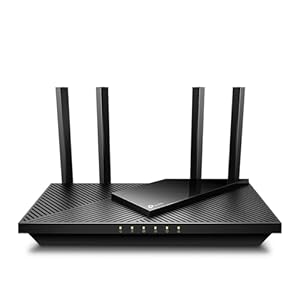
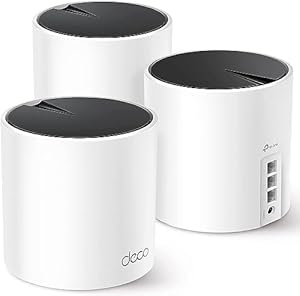
Quick Answer: In a head-to-head comparison, AT&T generally comes out ahead of HughesNet for most households. AT&T offers speeds up to 5 Gbps with plans starting at $55/mo, while HughesNet maxes out at 100 Mbps with plans from $49.99/mo. That said, the right provider for you depends on availability at your address, your speed needs, and your budget.
Choosing the right internet provider is a decision that affects your daily life, from the speed of your video calls to the reliability of your streaming. The responsiveness of your online gaming. In this detailed comparison, we break down AT&T and HughesNet across every factor that matters: speed, pricing, technology, coverage, customer satisfaction, and more.
Whether you are moving to a new home, looking to switch providers for a better deal, or simply researching your options, this guide provides the data-driven analysis you need to make a confident choice. Both providers have distinct strengths, and the best option depends on your location, internet habits, and budget.
Ready to sign up? to order AT&T:
AT&T Overview
AT&T
- Technology: Fiber, Fixed Wireless (5G)
- Max Speed: 5 Gbps
- Speed Range: 300 Mbps - 5 Gbps
- Starting Price: $55/mo
- Price Range: $55-$250/mo
- Contracts: No contracts
- Data Caps: No data caps on fiber
- Coverage: 21 states (Southeast and Midwest US)
- Customer Satisfaction: 4.0/5
AT&T is one of the largest internet service providers in the United States, serving customers across 21 states primarily in the Southeast. Midwest. AT&T Fiber delivers blazing-fast symmetrical speeds up to 5 Gbps, while its fixed wireless 5G service extends connectivity to areas where fiber has not yet been deployed. With a price lock guarantee and no annual contracts, AT&T has positioned itself as a premium yet accessible provider.
Learn more about this provider on our AT&T review page, where we cover all available plans, pricing details, and customer feedback in depth.
HughesNet Overview
HughesNet
- Technology: Satellite
- Max Speed: 100 Mbps
- Speed Range: 25 Mbps - 100 Mbps
- Starting Price: $49.99/mo
- Price Range: $49.99-$149.99/mo
- Contracts: 2-year contract
- Data Caps: 15-200 GB (varies by plan)
- Coverage: All 50 states (satellite)
- Customer Satisfaction: 3.0/5
HughesNet is a satellite internet provider that delivers service to all 50 states via its fleet of geostationary satellites, primarily serving customers in rural and remote areas.
For a complete breakdown of plans and user reviews, visit our HughesNet review page.
Interested in HughesNet? to learn about current deals:
Speed Comparison: AT&T vs HughesNet
AT&T advertises download speeds ranging from 300 Mbps - 5 Gbps, while HughesNet offers 25 Mbps - 100 Mbps. AT&T holds a clear advantage.
However, advertised maximum speeds tell only part of the story. Real-world performance depends on factors including your distance from the provider's nearest infrastructure, network congestion during peak evening hours, the age. Condition of the wiring in your home, and the capabilities of your router and connected devices. We recommend checking speeds available at your specific address before making a decision.
AT&T uses Fiber, Fixed Wireless (5G) technology to deliver its service, which supports symmetrical upload and download speeds on fiber connections. Meanwhile, HughesNet relies on Satellite, which may show a gap between download and upload performance.
For households with multiple devices streaming, gaming, and video-calling simultaneously, the provider offering more consistent performance. Higher upload speeds will generally deliver a smoother experience. In this regard, the fiber-based option tends to have an edge.
Pricing Comparison: AT&T vs HughesNet
AT&T plans start at $55/mo with a price range of $55-$250/mo. HughesNet offers plans from $49.99/mo with pricing spanning $49.99-$149.99/mo. At the entry level, HughesNet is more affordable, though the right plan for you depends on the speeds you actually need.
When evaluating pricing, it is important to look beyond the monthly rate. Consider equipment rental fees (routers, modems), installation charges, and whether the advertised price is a promotional rate that increases after 12-24 months. AT&T requires no annual contract, while HughesNet offers 2-year contract.
Data caps can also significantly impact the true value of your plan. AT&T has no data caps on fiber, while HughesNet has 15-200 gb (varies by plan). For heavy internet users who stream 4K video, download large files, or have multiple users in the household, uncapped data eliminates the worry of overage charges or throttled speeds.
To explore current deals from each provider, use the links below:
Technology and Coverage
AT&T provides service across 21 states (Southeast and Midwest US), while HughesNet covers All 50 states (satellite). The overlap between these two providers' service areas determines whether you actually have a choice between them at your address.
AT&T delivers internet through fiber-optic cables, providing significantly lower latency and faster, more consistent speeds than HughesNet's satellite-based service. However, HughesNet offers the advantage of availability in remote areas where AT&T's infrastructure has not reached.
Before committing to either provider, we strongly recommend verifying availability and checking the specific speeds and plans offered at your exact address. Coverage maps show general service areas, but the actual plans and speeds available can vary significantly even within the same neighborhood.
Customer Satisfaction Comparison
Customer satisfaction is an important but often overlooked factor when choosing an internet provider. Based on available customer ratings and industry surveys, AT&T scores approximately 4.0/5 in customer satisfaction, while HughesNet receives around 3.0/5. AT&T holds an edge in this category.
AT&T receives a J.D. Power score of approximately 733/1000, while HughesNet scores around 620/1000. These scores reflect overall customer satisfaction with factors including speed reliability, billing experience, customer support interactions, and installation experience.
Keep in mind that customer experience can vary significantly by region. A provider that earns excellent ratings in one city may underperform in another due to differences in local network infrastructure, staffing levels, and customer demand. Reading reviews from customers in your specific area provides the most relevant insight into what your experience might be like.
Pros and Cons: AT&T
AT&T Advantages
- Extensive fiber network across 21 states
- Speeds up to 5 Gbps
- No annual contracts
- No data caps on fiber plans
- Price lock guarantee
AT&T Drawbacks
- Fiber not available in all service areas
- Higher starting price than some competitors
- Equipment rental fees
- Upload speeds vary by plan tier
Pros and Cons: HughesNet
HughesNet Advantages
- Available anywhere in the US
- Good option for extremely rural areas
- Built-in WiFi with all plans
- Video Data Saver feature
HughesNet Drawbacks
- High latency (600+ ms)
- Strict data caps
- 2-year contract required
- Speeds much slower than terrestrial options
Which Provider Should You Choose?
For most customers, AT&T is the stronger choice thanks to its combination of speed, pricing, and overall service quality. AT&T typically offers faster maximum speeds (5 Gbps vs 100 Mbps), and its Fiber, Fixed Wireless (5G) technology tends to deliver more consistent performance.
Here are our specific recommendations based on common user priorities:
- Best for speed: AT&T (up to 5 Gbps)
- Best for budget: HughesNet (starting at $49.99/mo)
- Best for customer experience: AT&T (4.0/5 rating)
- Best for unlimited data: AT&T
Ultimately, the best internet provider is the one that delivers reliable service at a fair price to your specific address. We encourage you to check availability for both providers and compare the exact plans they offer at your location.
Ready to make the switch? to order:
- AT&T:
- HughesNet:
Explore More Comparisons
Still weighing your options? Check out these related comparisons to see how AT&T and HughesNet stack up against other providers in your area:
You can also explore our guide to the best internet providers or use our availability checker to see every option at your address.
Frequently Asked Questions: AT&T vs HughesNet
Is AT&T or HughesNet faster?
AT&T offers speeds up to 5 Gbps, while HughesNet tops out at 100 Mbps. However, the speeds available at your address may differ from these maximum figures. Check with each provider for the exact speeds they can deliver to your home.
Which is cheaper, AT&T or HughesNet?
AT&T plans start at $55/mo, while HughesNet begins at $49.99/mo. Be sure to factor in equipment fees, promotional pricing expiration, and any installation costs when comparing total costs.
Do AT&T and HughesNet have data caps?
AT&T has no data caps on fiber, while HughesNet has 15-200 gb (varies by plan). If you stream a lot of video or have many connected devices, a provider without data caps or with generous limits will give you more peace of mind.
Do AT&T or HughesNet require contracts?
AT&T does not require a contract. HughesNet offers 2-year contract. Contract-free plans give you the flexibility to switch providers if you are not satisfied with the service.
Where are AT&T and HughesNet available?
AT&T serves 21 states (Southeast and Midwest US). HughesNet is available in All 50 states (satellite). To find out which provider serves your specific address, enter your ZIP code on each provider's website or use our availability checker.
Can I bundle internet with TV or phone from AT&T or HughesNet?
Bundling availability varies by provider and location. Both AT&T and HughesNet may offer bundle options with TV, phone, or mobile service, depending on your area. Contact each provider directly or visit their plan pages on our site to see current bundle offerings.
Which provider has better customer service, AT&T or HughesNet?
Based on customer reviews and J.D. Power ratings, AT&T scores 733/1000 and HughesNet scores 620/1000. Customer experiences can vary widely by location, so we recommend checking local reviews for the most accurate picture of service quality in your area.
Is AT&T or HughesNet better for gaming?
For online gaming, low latency and consistent speeds matter more than raw bandwidth. AT&T's fiber service typically provides the lowest latency, making it generally better for gaming. HughesNet can still handle gaming but may show higher ping times.
Disclosure: Some of the links and phone numbers on this page are from our advertising partners. We may receive compensation when you click on these links or these numbers. This does not influence our editorial content or rankings. Our goal is to provide accurate, unbiased information to help you make the best decision for your household. All prices, speeds, and plan details are subject to change and should be confirmed with the provider. For more information, please see our Terms of Use and Privacy Policy.
Hidden Costs and Fees to Watch For
The advertised monthly price is rarely the full cost. Here are the fees and charges each provider may add to your bill.
| Fee Type | AT&T Internet | HughesNet |
|---|---|---|
| Equipment rental | All-Fi gateway included | Modem included with lease |
| Installation | Professional install for fiber, self-install for Air | Professional required ($199-$399) |
| Data overage | None (no data caps) | Possible — check plan details |
| Early termination | None (no contract) | May apply (contract required) |
| Price increases | Possible after promotional period | Possible after promotional period |
Always ask about the "out-the-door" monthly price including all fees before signing up. Equipment rental fees of $10-$15/month add $240-$360 over two years — often more than buying your own compatible equipment. Promotional pricing typically expires after 12 months, so confirm the post-promotion rate before committing.
How Much Speed Do You Actually Need?
Before comparing AT&T Internet and HughesNet plans, determine the speed tier your household actually requires. Overpaying for speed you cannot use wastes money; underpaying leads to buffering and frustration.
| Household Activity | Minimum Speed | Recommended |
|---|---|---|
| Email and web browsing (1-2 people) | 25 Mbps | 50-100 Mbps |
| HD streaming on 2-3 devices | 50 Mbps | 100-200 Mbps |
| 4K streaming + gaming (family of 4) | 100 Mbps | 300-500 Mbps |
| Remote work (video calls + cloud sync) | 50 Mbps down / 10 Mbps up | 200+ Mbps symmetric |
| Content creation (video upload, streaming) | 100 Mbps down / 50 Mbps up | 500+ Mbps symmetric |
| Smart home (20+ IoT devices) | 100 Mbps | 300+ Mbps |
| Large household (6+ people, heavy use) | 300 Mbps | 500 Mbps - 1 Gbps |
Most U.S. households use between 200-500 Mbps effectively. Gigabit plans provide headroom for future devices and simultaneous heavy use but are not necessary for typical streaming and browsing. Match your plan choice to your actual usage to get the best value from either AT&T Internet or HughesNet.
Additional Questions About AT&T Internet vs. HughesNet
Which is better for streaming — AT&T Internet or HughesNet?
For streaming, both providers offer sufficient download speeds. The key differences are upload speed (important if you also stream content to Twitch or YouTube) and data caps. AT&T Internet has no data caps, so you can stream without limits. HughesNet has data caps that heavy streamers should monitor. For 4K streaming, any plan with 50+ Mbps download speed is sufficient per device.
Can I use my own router with AT&T Internet or HughesNet?
In most cases, yes. AT&T Internet provides an ONT that connects to any standard router via Ethernet. HughesNet allows compatible third-party modems and routers — check their approved equipment list. Using your own router eliminates the monthly equipment rental fee and often provides better WiFi performance than ISP-supplied devices.
What happens if I move — can I keep my AT&T Internet or HughesNet service?
AT&T Internet is available in 21 states, and HughesNet is available in 50 states. AT&T Internet's regional coverage means you may lose access when moving out of their service area. HughesNet has broad national coverage, making it easier to keep your service when relocating. Both providers allow you to transfer service to a new address within their coverage area.
Is AT&T Internet or HughesNet better for working from home?
Remote work depends heavily on upload speed and connection stability. AT&T Internet offers symmetric fiber speeds (equal upload and download), ideal for video conferencing and file sharing. HughesNet's upload speeds are limited with Geostationary Satellite technology. For households with multiple remote workers, fiber with symmetric speeds provides the most reliable experience.
How do I check if AT&T Internet or HughesNet is available at my address?
Visit each provider's website and enter your address in their availability checker. att.com/internet and hughesnet.com both offer instant address verification. Availability can vary block by block, so always check your specific address rather than assuming coverage based on your city or ZIP code.