Bottom line: Optimum wins on value — no data caps, faster fiber options up to 8 Gbps, and lower pricing. Cox wins on nationwide coverage across 18 states. If both are available, Optimum is the better deal in 2026.
Internet Speed Tiers: Detailed Breakdown
Cox offers five residential internet tiers in 2026: Essential (100 Mbps / 5 Mbps upload, $49.99/mo), Preferred (250 Mbps / 10 Mbps, $69.99/mo), Ultimate (500 Mbps / 10 Mbps, $84.99/mo), Gigablast (1 Gbps / 35 Mbps, $99.99/mo), and Gigablast 2G (2 Gbps / 100 Mbps, $149.99/mo). All plans except the 2G tier run on DOCSIS 3.1 cable infrastructure with a 1.25 TB monthly data cap.
Optimum's lineup includes Optimum 300 (300 Mbps / 20 Mbps, $40/mo), Optimum 500 (500 Mbps / 20 Mbps, $60/mo), Optimum 1 Gig (940 Mbps / 35 Mbps, $80/mo) on cable, plus Optimum Fiber 1 Gig (1 Gbps / 1 Gbps, $60/mo), Optimum Fiber 2 Gig (2 Gbps / 1 Gbps, $80/mo), and Optimum Fiber 5 Gig (5 Gbps / 2 Gbps, $180/mo) where fiber is available. Optimum imposes no data caps on any plan — a substantial advantage over Cox for heavy users.
The no-data-cap policy gives Optimum a clear edge for households with heavy streaming, gaming, and cloud backup habits. Cox's 1.25 TB cap, while generous for average users, can be reached by a household with 4+ simultaneous 4K streams and active cloud backup services. Cox charges $30/month for unlimited data or $10 per additional 50 GB block — costs that can push the effective monthly price significantly above Optimum's equivalent plans.
Gaming, Streaming, and Latency Performance
For online gaming, both Cox and Optimum deliver acceptable latency on cable connections (15-25ms range), but Optimum Fiber reduces latency to 8-12ms — a noticeable improvement for competitive gaming. Cox has begun offering its Cox Elite Gamer service (powered by wtfast) as a $6.99/month add-on that optimizes routing for reduced ping times, partially closing the gap with fiber connections.
For 4K streaming households, Cox's data cap becomes the more relevant consideration. Netflix 4K consumes approximately 7 GB per hour; a family watching 4+ hours of 4K content daily across multiple TVs can consume 840+ GB monthly before accounting for gaming, web browsing, and cloud services. Optimum's uncapped service eliminates this concern entirely, making it the better choice for entertainment-heavy households.
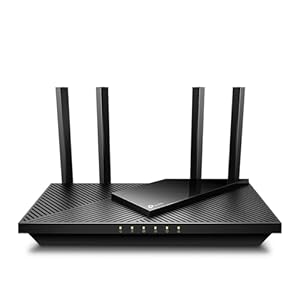
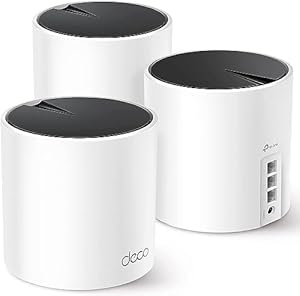
Both providers support the latest Wi-Fi 6E gateways, ensuring strong wireless performance throughout the home. Cox's Panoramic WiFi Gateway covers approximately 2,000 sq ft, while Optimum's Smart WiFi 6 gateway claims similar coverage. Both offer mesh extender pods for larger homes at $5-10/month per unit. For maximum performance, both providers recommend hardwired Ethernet connections for gaming consoles and streaming devices — a best practice regardless of ISP.
Contract Terms and Hidden Fees
Cox Communications requires a 1-year service agreement on most plans, with early termination fees (ETFs) of up to $120 for canceling before the term ends. Monthly rates increase $10-30/month after the promotional period (typically 12-24 months). Equipment rental adds $14/month for the Panoramic WiFi Gateway, though Cox allows you to use your own DOCSIS 3.1 modem and router.
Optimum, since its acquisition by Altice USA, has moved toward a contract-free model. Most plans are month-to-month with no ETF, which provides significant flexibility for renters and households that may relocate. However, Optimum's promotional pricing is less aggressive than Cox's — the upfront savings with Cox are larger, but the long-term cost after promotions expire may favor Optimum's more stable pricing structure.
Both providers charge installation fees ($100 at Cox, $59.99 at Optimum for standard installation), though both frequently waive these through online-only promotions. Neither provider charges activation fees for self-install kits, which are available for standard internet-only orders at both companies.
Rural and Suburban Coverage Gaps
Cox serves approximately 6.5 million customers across 18 states, with its heaviest concentration in Arizona, Virginia, Oklahoma, Louisiana, and Connecticut. Coverage is primarily suburban and urban — rural areas within Cox's footprint often have limited plan options or may only receive lower-tier speeds via older DOCSIS 3.0 infrastructure.
Optimum (Altice USA) serves roughly 5 million customers concentrated in the New York tri-state area, with additional coverage in Connecticut, West Virginia, and scattered markets across the Southeast following the Suddenlink acquisition. Optimum's fiber buildout (Optimum Fiber) has been expanding rapidly in existing markets, bringing symmetrical multi-gig speeds to areas that previously had cable-only service.
In areas where both providers overlap (primarily Connecticut), consumers can directly compare. Connecticut residents should note that Optimum's fiber network covers more of the state than Cox's DOCSIS 3.1 infrastructure, giving Optimum a speed advantage in many neighborhoods. Use the ZIP code lookup on our site to check exact availability at your address.
Bundle Value: Internet + TV + Phone
Cox's bundle strategy centers on the Contour TV platform ($50-110/month depending on channel count) paired with internet at a $10-20/month discount. The Contour Stream Player provides a Roku-like interface for combining live TV and streaming apps. Cox also offers a home phone add-on at $10/month for bundled customers — useful for households needing a landline for alarm systems or business use.
Optimum's bundles include the Optimum TV lineup ($35-85/month) with cloud DVR service included at no extra charge on most plans — a feature Cox charges $10/month for. Optimum's mobile service (Optimum Mobile, powered by T-Mobile's network) adds another bundling layer: internet customers get $10/month off each mobile line, making it competitive with Xfinity Mobile and Spectrum Mobile offerings.
For cord-cutters, both providers offer internet-only plans without penalty. Cox's internet-only pricing starts at $49.99/month (100 Mbps), while Optimum starts at $40/month (300 Mbps) — giving Optimum a clear value edge at the entry level for customers who don't need traditional TV service.
Performance During Peak Hours
Cable networks like Cox and Optimum are shared-bandwidth systems, meaning neighborhood congestion during peak evening hours (7-11 PM) can reduce actual speeds. Independent testing by Ookla Speedtest Intelligence shows Cox delivers approximately 85-90% of advertised speeds during peak hours, while Optimum's cable service delivers 80-88%. Optimum Fiber, by contrast, maintains 95%+ of advertised speeds even during peak congestion.
Latency matters for gaming and video calls. Cox averages 18-25ms latency on cable connections, while Optimum cable averages 15-22ms. Both are acceptable for online gaming, but Optimum Fiber drops to 8-12ms — a noticeable improvement for competitive gamers. If you're in an Optimum Fiber area, the fiber option provides measurably better real-time performance than either provider's cable service.
For reliability, Cox reports 99.9% network uptime across its footprint, backed by proactive network monitoring and automated outage notifications via the Cox app. Optimum's uptime claims are similar, though customer-reported outage data on DownDetector suggests slightly more frequent localized outages in the tri-state area, possibly due to the ongoing network upgrade from Altice's older infrastructure.
Key Findings: Cox vs Optimum
- Optimum offers no data caps; Cox imposes a 1.25 TB cap with $10/50 GB overage fees
- Optimum's fiber reaches 8 Gbps; Cox tops at 2 Gbps
- Cox starts at $49.99/mo; Optimum starts at $40/mo
- Cox covers 18 states; Optimum serves NY, NJ, CT, and parts of 17 other states
- Both offer no-contract options
- Optimum's ACSI score: 60/100; Cox: 59/100
Cox and Optimum (Altice USA) are regional cable providers that rarely overlap in coverage, but understanding how they compare helps if you're moving or choosing between available options. Cox is a traditional cable company with a strong presence in the South and Southwest. Optimum has been aggressively upgrading to fiber under new ownership, transforming from a legacy cable provider into a fiber-first competitor.
Ready to sign up for Cox? now:
Plan Comparison Table
| Feature | Cox | Optimum |
|---|---|---|
| Starting Price | $49.99/mo (100 Mbps) | $40/mo (300 Mbps) |
| Mid-Tier | $79.99/mo (250 Mbps) | $60/mo (500 Mbps) |
| Gigabit | $99.99/mo (1 Gbps) | $80/mo (1 Gbps fiber) |
| Max Speed | 2 Gbps | 8 Gbps (fiber) |
| Technology | Cable (DOCSIS 3.1) + limited fiber | Cable + expanding fiber (FTTH) |
| Data Caps | 1.25 TB ($10/50 GB overage) | No data caps |
| Contract | No contract (1-2 yr saves money) | No contract |
| Equipment Fee | $14/mo | $10/mo |
Speed and Technology
Optimum is in the middle of a massive fiber buildout that has already reached millions of homes. Where fiber is available, Optimum offers symmetric speeds up to 8 Gbps — significantly faster than Cox's cable-based 2 Gbps maximum. Cox has been slower to invest in fiber, relying primarily on DOCSIS 3.1 upgrades for speed improvements.
For typical household needs (streaming, work from home, gaming), both providers deliver sufficient speeds. The difference matters most for heavy uploaders: Optimum's fiber provides symmetric upload speeds (1 Gbps up on the gig plan), while Cox's cable offers just 35 Mbps upload on most plans.
Data Caps: Optimum's Clear Advantage
Cox imposes a 1.25 TB monthly data cap across all plans except their top-tier 2 Gbps plan. Exceeding the cap costs $10 per 50 GB, up to $100/mo maximum. You can add unlimited data for $50/mo. Optimum has no data caps on any plan — a significant advantage for streaming-heavy households, gamers downloading large files, or remote workers moving large datasets.
Customer Experience and Support
Both providers hover near the bottom of customer satisfaction rankings. Cox earned a 59/100 ACSI score in 2025; Optimum scored 60/100. Common complaints for both include price increases after promotional periods and equipment reliability. Optimum has improved under new management, investing in self-service tools and reducing wait times.
Who Should Choose Each
- Choose Optimum if: Available at your address. No data caps, faster fiber speeds, and lower pricing make it the better value
- Choose Cox if: It's your only cable option, you need reliable service for smart home devices, or Optimum isn't available
- Consider alternatives: AT&T vs Xfinity, fiber providers, or T-Mobile 5G as a cable alternative
Related Comparisons
- CenturyLink vs Optimum
- Cox vs Spectrum
- AT&T vs Xfinity
- Best Internet Providers 2026
- Understanding Bandwidth Throttling
Coverage and Availability: Two Regional Giants
Cox and Optimum serve entirely different geographic regions, so this comparison is relevant primarily for people relocating between their service areas or choosing between these providers in the rare overlap zones.
- Cox Communications: Serves approximately 6 million customers across 18 states, with the largest presence in Arizona (Phoenix, Tucson), Virginia (Hampton Roads, Northern Virginia), Louisiana (Baton Rouge, New Orleans), Oklahoma (Oklahoma City, Tulsa), and Rhode Island.
- Optimum (Altice USA): Serves approximately 4.6 million customers primarily in the Northeast — New York (Long Island, Westchester, Bronx), New Jersey, Connecticut, and parts of North Carolina and West Virginia.
Neither provider is available nationwide, and they rarely overlap geographically. If you are comparing these two, you are likely evaluating internet options in a new city.
Technology and Speed Comparison
Both Cox and Optimum offer cable internet as their primary technology, with growing fiber deployments:
- Cox cable plans: Range from 100 Mbps ($49.99/month) to 2 Gbps ($149.99/month) over DOCSIS 3.1 and fiber hybrid networks. Upload speeds range from 10-100 Mbps depending on the plan tier. Cox has been deploying fiber directly to homes in select new developments.
- Optimum cable plans: Range from 300 Mbps ($40/month promotional) to 1 Gbps ($65/month promotional) over cable. Optimum has been aggressively building its fiber network, and Optimum Fiber plans offer speeds from 300 Mbps to 8 Gbps with symmetrical upload speeds.
- Cox Fiber: Available in limited areas, Cox's fiber service offers symmetrical gigabit speeds. If Cox Fiber is available at your address, it is a significant upgrade over their cable service in terms of upload speed and consistency.
- Optimum Fiber: More widely deployed than Cox Fiber in Optimum's service areas. Plans start at $40/month for 300 Mbps fiber and go up to $180/month for 8 Gbps — pricing that is competitive with Verizon Fios where both are available.
Data Caps and Pricing: The Real Cost Comparison
Data caps and post-promotional pricing are where these providers differ most significantly:
- Cox data cap: Cox enforces a 1.25 TB monthly data cap on all residential cable plans. Overage charges are $10 per 50 GB block, up to $100/month maximum. An unlimited data add-on costs $49.99/month — one of the more expensive unlimited options in the industry. Cox Fiber plans may not have caps (check your specific market).
- Optimum data policy: Optimum does not currently enforce a hard data cap on most plans. This is a meaningful advantage for heavy users, cord-cutters, and households with multiple streamers.
- Post-promotional pricing: Both providers increase prices after the initial 12-month promotional period. Cox increases are typically $15-$25/month. Optimum increases range from $15-$35/month. Neither provider's post-promotional pricing is particularly customer-friendly.
- Equipment fees: Cox charges $13/month for its Panoramic Wi-Fi gateway. Optimum charges $10/month for router rental. Both providers allow you to use your own compatible equipment to avoid this fee.
Customer Satisfaction and Service Quality
According to ACSI (American Customer Satisfaction Index) and J.D. Power surveys:
- Cox: Ranks in the middle of the pack for large ISPs, with scores improving in recent years. Cox's customer service is generally considered better than average for a cable company, with local technicians and service centers in most markets.
- Optimum: Has struggled with customer satisfaction since the Altice acquisition, ranking below average in multiple surveys. Common complaints include billing complexity, long support wait times, and inconsistent installation experiences. However, customers on Optimum Fiber generally report better satisfaction than cable customers.
If you have the choice between Cox cable and Optimum fiber (in a relocation scenario), Optimum Fiber's technology advantage likely outweighs Cox's better customer service reputation. If comparing cable vs. cable, Cox's slightly better service and higher speed options give it an edge, offset by its data cap disadvantage.
Frequently Asked Questions
Does Cox have data caps?
Yes. Cox has a 1.25 TB monthly data cap on all plans except their top-tier 2 Gbps plan. Exceeding the cap costs $10 per additional 50 GB, up to $100/mo in overage charges. You can add unlimited data for $50/mo. Optimum, by contrast, has no data caps on any plan.
Is Optimum getting fiber?
Yes. Optimum is in the middle of a multi-year fiber buildout. They've already deployed fiber to millions of homes in New York, New Jersey, and Connecticut, with plans to reach most of their footprint. Fiber customers get symmetric speeds up to 8 Gbps.
Which is better for streaming: Cox or Optimum?
Optimum is better for streaming due to no data caps. Cox's 1.25 TB cap can be exceeded by heavy 4K streaming (4K uses about 7 GB/hour). A household streaming 4K content 4 hours daily would use approximately 840 GB/month — comfortable under Cox's cap but with little headroom.
Can I use my own router with Cox or Optimum?
Yes, both providers allow customer-owned modems and routers. With Cox, you need a DOCSIS 3.1 modem. With Optimum, you can use your own router but may need Optimum's modem for cable service (fiber ONT is provided). Using your own equipment saves $10-14/mo.
Which has better upload speeds?
Optimum wins decisively on uploads where fiber is available — symmetric speeds meaning 1 Gbps download = 1 Gbps upload. Cox's cable technology limits uploads to 35 Mbps on most plans. This matters for video calls, streaming, cloud backups, and working from home.
Data and methodology details are available on our research methodology page. Speeds, prices, and availability are verified against provider websites and FCC broadband data as of 2026.
Sources
This comparison references data from FCC Broadband Map, Cox, Optimum, and the U.S. Census Bureau. Pricing and availability are subject to change.
Market Context
The broadband market concentration in areas served by both Cox and Optimum varies significantly. According to FCC broadband deployment data, median household income and population density are key factors in determining which provider offers better value. The BEAD (Broadband Equity, Access, and Deployment) program may expand options in underserved areas where neither provider currently has strong coverage.
Internet Speed and Performance Comparison
Speed is where these two providers diverge most significantly. Cox uses a hybrid fiber-coaxial (HFC) network for most customers, which means download speeds are fast but upload speeds are typically limited to 10-35 Mbps on most plans. Optimum has invested heavily in fiber-to-the-home (FTTH) infrastructure since Altice USA rebranded as Optimum, now offering symmetric upload and download speeds on fiber plans.
For remote workers who rely on video conferencing and large file uploads, Optimum's symmetric fiber speeds are a meaningful advantage. Cox's upload speeds on the Preferred 250 Mbps plan, for instance, max out at just 10 Mbps — which can cause buffering during Zoom calls while other household members stream video. Optimum's 500 Mbps fiber plan delivers 500 Mbps both down and up.
Real-World Speed Test Data
According to Ookla Speedtest data from Q4 2025, Optimum fiber customers averaged 92% of advertised speeds during peak evening hours (7-10 PM). Cox customers on HFC connections averaged 85% of advertised speeds during the same window. The difference is most noticeable on gigabit plans: Cox gigabit customers frequently see 800-900 Mbps downloads, while Optimum fiber gigabit customers typically achieve 940-960 Mbps.
Equipment and Installation
Both providers charge a monthly equipment rental fee, but the specifics differ:
| Feature | Cox | Optimum |
|---|---|---|
| Gateway Rental | $14/mo (Panoramic WiFi) | $10/mo (Smart WiFi 6 router) |
| Self-Install | Free (cable plans) | Free (cable plans) |
| Pro Install | $100 one-time | Free for fiber |
| Own Router | Yes — saves $168/year | Yes — saves $120/year |
| WiFi Extenders | $5/mo each | $3/mo each (mesh pods) |
Optimum's free professional installation on fiber plans is a notable perk. Cox charges $100 for professional installation, though self-installation kits are free for cable connections. Both providers allow you to use your own modem and router to avoid rental fees — a money-saving move recommended by our provider selection guide.
Customer Service and Reliability
Neither Cox nor Optimum ranks highly in customer satisfaction surveys, but there are differences worth noting. Cox earned a 59/100 from the American Customer Satisfaction Index (ACSI) in 2025, placing it in the bottom third of ISPs. Optimum scored slightly higher at 60/100, though both trail fiber-first providers like Verizon Fios (70/100) and Google Fiber (73/100).
Cox offers 24/7 phone and chat support, plus an app-based troubleshooting tool that can remotely reboot your gateway. Optimum provides similar support channels but has received criticism for long wait times during peak hours. Both providers offer service appointment scheduling through their apps, with next-day availability in most markets.
Reliability and Outage History
Cox's HFC network is generally reliable but susceptible to neighborhood congestion during peak hours. Optimum's legacy cable infrastructure has experienced more frequent localized outages, particularly in older service areas still running on Cablevision-era equipment. However, Optimum's newer fiber infrastructure shows significantly better uptime — above 99.9% in fiber-served areas.
Bundling Options
Cox offers internet-TV-phone bundles, but these are less relevant as cord-cutting accelerates. Cox's main bundle value comes from the Cox Complete Care add-on ($10/mo) which covers service calls and equipment protection. Optimum bundles internet with its Optimum TV streaming service and mobile plans through Optimum Mobile (powered by T-Mobile's network), offering a $20/mo discount when combining internet and two or more mobile lines.
Which Provider Should You Choose?
Choose Optimum if you live in their fiber coverage area and want the best combination of speed, value, and no data caps. The $40/mo starting price for 300 Mbps with no cap is hard to beat.
Choose Cox if Optimum isn't available in your area, or if you value Cox's slightly more established customer support infrastructure. Be aware of the 1.25 TB data cap and plan accordingly — heavy streamers or large households may want to add the unlimited data option for an extra $50/mo.
If both are available at your address, enter your ZIP code to compare real-time pricing and availability for your exact location.