Frontier vs Spectrum: Looking at availability across 25 states, Frontier has broader reach with fiber and DSL infrastructure, while Spectrum covers 41 states. For speed and value, Frontier is our top recommendation.
Choosing the right internet provider is one of the most important household decisions you will make. A fast, reliable connection powers everything from remote work and online education to streaming entertainment and smart home devices. In this comprehensive comparison, we put Frontier Fiber (Frontier Communications). Spectrum (Charter Communications) head to head across every factor that matters: speed, pricing, technology, coverage, customer satisfaction, and overall value.
This is a comparison of fiber disruptor vs cable incumbent showdown. Frontier vs Spectrum is one of the most competitive broadband matchups in America. As Frontier aggressively deploys fiber into Spectrum's cable territory, customers in overlapping areas now have a genuine choice between fiber and cable. Frontier fiber offers symmetrical speeds cable cannot match, while Spectrum counters with wider availability and no data caps.
Want to check Frontier availability? to speak with a representative and explore current promotions.
Interested in Spectrum plans? to check availability at your address.
Company Overview
Frontier
Frontier is investing heavily in fiber, offering symmetrical speeds from 500 Mbps to 5 Gbps. Legacy DSL service remains in some areas with speeds as low as 6 Mbps. The company is prioritizing fiber buildouts.
Coverage: 25 states
Technology: Fiber, DSL
Starting Price: $30-$155/mo
Max Speed: up to 5 Gbps (Fiber)
Contract: No contracts
Spectrum
Spectrum uses DOCSIS 3.1 cable technology across 41 states, with fiber deployments expanding. Plans include Spectrum Internet (300 Mbps), Ultra (500 Mbps), and Gig (1 Gbps).
Coverage: 41 states
Technology: Cable, Fiber
Starting Price: $50-$90/mo
Max Speed: up to 1 Gbps
Contract: No contracts
Speed Comparison
Both Frontier and Spectrum deliver gigabit-class or faster speeds. Frontier maxes out at up to 5 Gbps (Fiber), while Spectrum reaches up to 1 Gbps. For most households, either provider has more than enough bandwidth.
Here is how each provider handles common internet activities:
| Activity | Recommended Speed | Frontier | Spectrum |
|---|---|---|---|
| Web Browsing and Email | 5-10 Mbps | Supported | Supported |
| HD Video Streaming | 10-25 Mbps | Supported | Supported |
| 4K Ultra HD Streaming | 50 Mbps | Supported | Supported |
| Online Gaming | 50-100 Mbps | Supported | Supported |
| Video Conferencing (Zoom, Teams) | 25-50 Mbps | Supported | Supported |
| Large Downloads and Uploads | 200+ Mbps | Supported | Supported |
| Household with 5+ Devices | 300+ Mbps | Supported | Supported |
Remember that advertised speeds are maximums. Real-world performance depends on network congestion, equipment quality, wiring in your home, distance from infrastructure, and how many devices are connected. We recommend running a speed test after installation to verify you are receiving the speeds you are paying for.
Pricing Comparison
Frontier has the lower entry point at $30-$155/mo versus $50-$90/mo for Spectrum. That $20/month difference translates to $240 in annual savings, a meaningful amount for budget-conscious households.
When evaluating the true cost of internet service, look beyond the advertised monthly rate:
- Equipment fees: Modem and router rental typically adds $10-$15 per month. Buying your own compatible equipment saves $120-$180 annually.
- Installation charges: Professional installation ranges from free (on promotions) to $99. Self-install kits are often available at no cost.
- Promotional pricing: Most introductory rates last 12-24 months before increasing. Always calculate what you will pay after the promotion ends.
- Data overage fees: Providers with data caps may charge $10-$15 per additional 50 GB block if you exceed your monthly allowance.
- Early termination fees: If a contract is required, leaving early typically costs $10-$15 per remaining month.
To get the most accurate comparison, calculate total cost over 24 months including all fees, equipment, and post-promotional pricing increases.
Technology and Coverage
Frontier delivers service using Fiber, DSL technology across 25 states. Frontier is investing heavily in fiber, offering symmetrical speeds from 500 Mbps to 5 Gbps. Legacy DSL service remains in some areas with speeds as low as 6 Mbps. The company is prioritizing fiber buildouts.
Spectrum relies on Cable, Fiber technology, serving customers in 41 states. Spectrum uses DOCSIS 3.1 cable technology across 41 states, with fiber deployments expanding. Plans include Spectrum Internet (300 Mbps), Ultra (500 Mbps), and Gig (1 Gbps).
Understanding internet technology types helps explain the performance differences you will experience:
- Fiber optic transmits data as light through glass strands, delivering the fastest speeds (up to 10 Gbps), lowest latency (under 5 ms), and most reliable connections. Fiber provides symmetrical upload and download speeds, making it ideal for video conferencing, cloud backups, and content creation.
- Cable (DOCSIS 3.1) uses existing coaxial television infrastructure to deliver strong download speeds with wide availability. Upload speeds are typically 10-20% of download speeds, and performance can dip during peak evening hours due to shared neighborhood bandwidth.
- DSL (Digital Subscriber Line) runs over telephone copper wires with speeds degrading based on distance from the provider's central office. Reliable but limited, with maximum speeds generally below 100 Mbps.
- Fixed wireless and 5G transmit data over radio frequencies from nearby towers. Performance varies significantly based on tower proximity, obstacles, and network load. Latency is higher than wired connections but lower than satellite.
- Satellite reaches virtually any location but introduces 600+ ms latency due to the signal traveling to space and back. Data caps and throttling are common. Best as a last resort when no terrestrial option exists.
Customer Satisfaction
Spectrum rates higher in customer satisfaction with an ACSI score of 63/100 versus Frontier's 62/100. These independent benchmarks reflect thousands of real customer experiences with each provider.
| Satisfaction Metric | Frontier | Spectrum |
|---|---|---|
| J.D. Power Rating | 3.4/5 | 3.5/5 |
| ACSI Score | 62/100 | 63/100 |
| Contract Policy | No contracts | No contracts |
The J.D. Power U.S. Residential Internet Service Provider Satisfaction Study measures performance reliability, cost value, billing transparency, communication quality, and customer service interactions on a 5-point scale. Ratings above 3.5 indicate above-average satisfaction.
The American Customer Satisfaction Index (ACSI) polls thousands of verified customers annually on a 100-point scale. The ISP industry average sits around 65/100, so providers scoring above this threshold offer a better-than-average experience. Scores below 60 indicate notable customer frustration.
Keep in mind that satisfaction scores represent national averages. Your local market may have better or worse service than what these aggregate scores suggest, depending on infrastructure investment and regional support staffing.
Pros and Cons
Frontier Advantages and Disadvantages
Pros
- Ultra-fast fiber up to 5 Gbps
- No contracts or data caps
- Competitive fiber pricing
- Symmetrical upload speeds
Cons
- DSL areas are very slow
- Fiber footprint still expanding
- Customer service history is mixed
- Equipment fees on some plans
Spectrum Advantages and Disadvantages
Pros
- No contracts or data caps
- Wide geographic availability
- Free modem included
- Consistent speeds
Cons
- Prices increase after year one
- Upload speeds are limited
- One main speed tier in most areas
- No price-lock guarantee
Upload Speed Comparison: Why It Matters
One of the most significant differences between Frontier Fiber and Spectrum cable is upload speed performance. While both providers deliver strong download speeds suitable for streaming and browsing, upload speeds diverge dramatically due to the underlying technology. This difference matters more than most consumers realize.
Frontier Fiber Upload Speeds
Frontier Fiber delivers symmetrical upload and download speeds across all plan tiers. The 500 Mbps plan provides 500 Mbps upload, the 1 Gig plan delivers 1,000 Mbps upload, and the 5 Gig plan offers 5,000 Mbps upload. This symmetry makes Frontier Fiber the clear winner for households with remote workers, content creators, or anyone who regularly uploads large files to cloud storage services like Google Drive, Dropbox, or iCloud.
Symmetrical speeds are particularly important for video conferencing platforms like Zoom, Microsoft Teams, and Google Meet. Each video participant requires 2 to 5 Mbps of upload bandwidth for HD video quality. A household with two people on simultaneous video calls needs 10 Mbps upload at minimum. On Frontier Fiber, even the entry-level 500 Mbps plan provides 50 times this requirement, ensuring crystal-clear video regardless of other household internet activity.
Spectrum Cable Upload Speeds
Spectrum's DOCSIS 3.1 cable technology provides upload speeds of approximately 10 to 35 Mbps depending on the plan tier, regardless of the advertised download speed. The Spectrum Internet 300 Mbps plan typically delivers 10 Mbps upload, the Ultra 500 Mbps plan offers around 20 Mbps upload, and the Gig plan provides approximately 35 Mbps upload. This asymmetry is inherent to cable technology, where the majority of bandwidth is allocated to download channels.
For households primarily streaming video, browsing the web, and downloading files, Spectrum's upload speeds are adequate. However, cloud backup services, large file uploads, and multi-person video conferencing can saturate Spectrum's upload capacity during heavy usage periods. If you regularly back up photos and videos to cloud storage, the difference between 500 Mbps upload on Frontier Fiber and 20 Mbps upload on Spectrum means a 10 GB backup that takes 2.7 minutes on Frontier would take over an hour on Spectrum.
Real-World Speed Test Performance
Advertised speeds represent the maximum capability under ideal conditions. Real-world performance, as measured by independent speed testing platforms like Ookla Speedtest and the FCC's Measuring Broadband America program, tells a more nuanced story.
| Speed Metric | Frontier Fiber | Spectrum Cable |
|---|---|---|
| Advertised download (Gig tier) | 1,000 Mbps | 1,000 Mbps |
| Median actual download | 940 Mbps | 850 Mbps |
| Advertised upload (Gig tier) | 1,000 Mbps | 35 Mbps |
| Median actual upload | 920 Mbps | 30 Mbps |
| Average latency | 3-8 ms | 10-25 ms |
| Peak hour speed reduction | Less than 5% | 10-25% |
| Jitter (speed consistency) | 1-3 ms | 5-15 ms |
Frontier Fiber consistently delivers speeds closer to advertised maximums because fiber connections are dedicated rather than shared. Spectrum cable connections share bandwidth among households on the same network node, which explains the more variable performance, especially during evening peak hours when neighbors stream simultaneously.
Gaming Performance: Frontier Fiber vs Spectrum
For online gamers, the choice between Frontier and Spectrum involves more than just download speed. Three factors determine gaming quality: latency (ping), jitter (consistency of latency), and packet loss (data that fails to arrive). Frontier Fiber excels in all three categories due to the inherent advantages of fiber-optic technology.
Frontier Fiber typically delivers latency of 3 to 8 milliseconds to major game servers, while Spectrum cable averages 10 to 25 milliseconds. While both are acceptable for casual gaming, competitive players in games like Fortnite, of Duty, Valorant, and League of Legends notice the difference. In competitive shooters, a 15-millisecond latency advantage can be the difference between landing a shot and missing.
Jitter, the variation in latency from one packet to the next, is where fiber truly shines. Frontier Fiber's jitter averages 1 to 3 milliseconds compared to Spectrum's 5 to 15 milliseconds. High jitter causes rubber-banding (characters appearing to teleport), delayed input registration, and desynchronization between what you see on screen and what is happening on the game server. Fiber's near-zero jitter provides a smoother, more responsive gaming experience.
Bundling Options and Additional Savings
Both Frontier and Spectrum offer additional services beyond internet that can provide value for households looking to consolidate their entertainment and communication expenses.
Frontier Bundles
Frontier offers YouTube TV integration, allowing customers to add live TV service to their fiber internet plan. Frontier also provides Frontier Mobile wireless phone service on a nationwide 5G network, with plans starting at $25 per month per line for unlimited data when bundled with home internet. For a household combining Frontier Fiber 1 Gig ($60/mo) with two Frontier Mobile unlimited lines ($50/mo total), the combined monthly cost of $110 covers both home internet and mobile phone service.
Spectrum Bundles
Spectrum offers its own mobile phone service, Spectrum Mobile, which runs on the Verizon network. Spectrum Mobile unlimited plans start at $29.99 per month per line for internet subscribers. Spectrum also offers Spectrum TV packages starting at $59.99 per month for the Select tier and Spectrum Voice (home phone) at $14.99 per month. Bundling all three services provides a consolidated billing experience but does not typically offer significant discounts beyond promotional pricing.
Contract and Cancellation Policies Compared
Both Frontier and Spectrum distinguish themselves from many competitors by offering no-contract service on all residential internet plans. This flexibility is particularly valuable for renters, military families, or anyone who may relocate within the next one to two years.
Frontier operates with price-lock pricing, meaning the rate you sign up at is the rate you pay for the duration of your service. There are no annual price increases, no expiring promotional periods, and no surprise surcharges. If you sign up for Frontier Fiber 1 Gig at $60 per month, you pay $60 per month indefinitely until you choose to change plans or cancel.
Spectrum does not offer a price-lock guarantee. New subscribers receive promotional pricing for 12 months, after which the monthly rate increases by $25 to $30 per month. The Spectrum Internet 300 plan starts at $49.99 per month but increases to approximately $79.99 per month after the promotional period expires. This pricing structure means the true two-year cost of Spectrum service is significantly higher than the advertised rate suggests.
Equipment Comparison
The quality and cost of networking equipment directly impacts your internet experience. Here is how Frontier and Spectrum handle customer equipment.
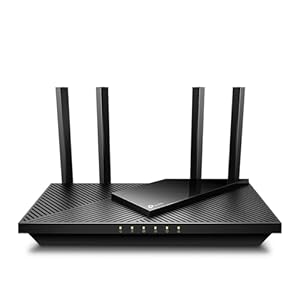
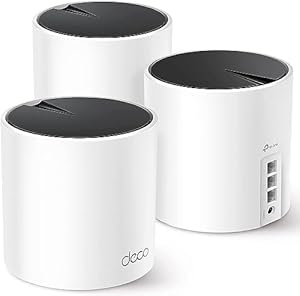
- Frontier: Provides an eero WiFi 6 router with fiber plans. The router supports whole-home mesh networking with optional eero extenders for larger homes. There is a monthly equipment rental fee of $10 per month, but customers can use their own compatible router to avoid this charge. Frontier's fiber connection uses an Optical Network Terminal (ONT) that connects to any standard router via Ethernet.
- Spectrum: Includes a free cable modem with all plans. The Spectrum WiFi router is available for $5 per month, or customers can use their own DOCSIS 3.1 compatible modem and router. Spectrum's included modem saves customers the cost of purchasing their own, which typically runs $80 to $150 for a quality DOCSIS 3.1 modem.
For cost-conscious customers, Spectrum's free modem inclusion provides better equipment value at the entry level. However, Frontier customers who bring their own router eliminate the equipment fee entirely and can choose a premium router that best fits their home layout and device count.
Which Provider Should You Choose?
Our analysis gives Frontier the overall edge based on the combination of speed, value, and customer satisfaction. However, Spectrum is the better pick if spectrum cable is the reliable option in your area and frontier only offers slow dsl at your address.
Choose Frontier If:
- Frontier Fiber is available and you want symmetrical upload/download speeds at a competitive price
- You are in Frontier's 25 states coverage area with access to their best technology
- No contracts aligns with how you prefer to manage your internet service
- You are customers in Frontier fiber footprint wanting fast, affordable internet with no contracts
Choose Spectrum If:
- Spectrum cable is the reliable option in your area and Frontier only offers slow DSL at your address
- You live within Spectrum's 41 states service territory
- No contracts works for your lifestyle and how long you plan to stay at your current address
- You are customers wanting reliable cable internet with no contracts or data caps
No matter which provider you are leaning toward, always check availability at your exact address first. Coverage maps show general service areas, but actual plan options and speeds can vary street by street. Enter your ZIP code or full address on each provider's website to see exactly what is available before making a final decision.
Ready to decide? Frontier at or Spectrum at to check availability and current promotions at your address.
Related Comparisons and Resources
- Frontier Full Review
- Spectrum Full Review
- How to Choose an Internet Provider
- Internet Speed Guide: How Much Speed Do You Need?
- Internet Jargon Glossary
- AT&T vs Frontier Comparison
Check Availability in Your Area
Availability varies by address. Use our tools to find which providers serve your location:
Frequently Asked Questions
Is Frontier or Spectrum faster?
Frontier offers download speeds of up to 5 Gbps (Fiber), while Spectrum delivers up to 1 Gbps. Frontier provides the higher maximum speed, but actual performance at your address depends on available technology, infrastructure distance, and network utilization in your neighborhood.
Which provider is more affordable, Frontier or Spectrum?
Frontier pricing starts at $30-$155/mo and Spectrum begins at $50-$90/mo. Frontier has the lower starting price. Remember to factor in equipment rental fees, installation costs, and any post-promotional price increases when calculating total cost of ownership.
Do Frontier or Spectrum require contracts?
Frontier: No contracts. Spectrum: No contracts. Contract terms affect your flexibility to switch providers if service does not meet expectations. Providers with no contracts allow month-to-month service with the freedom to cancel at any time.
Where can I get Frontier or Spectrum?
Frontier provides service across 25 states, while Spectrum serves 41 states. Geographic overlap between these two providers may be limited, so enter your address on each provider's website to confirm. Which plans are actually available at your location.
How does customer service compare between Frontier and Spectrum?
Based on industry benchmarks, Frontier scores 3.4/5 on J.D. Power and 62/100 on ACSI, while Spectrum scores 3.5/5 and 63/100 respectively. Spectrum rates higher in customer satisfaction with an ACSI score of 63/100 versus Frontier's 62/100. Customer experience can vary by region and may improve as providers invest in support infrastructure.
What internet technology do Frontier and Spectrum use?
Frontier primarily delivers service via Fiber, DSL, while Spectrum uses Cable, Fiber. The technology type directly affects your speed, latency, reliability, and upload performance. Fiber offers the best all-around experience, cable provides strong downloads with wide availability, and wireless or satellite options serve areas without wired infrastructure.
Can I switch from Frontier to Spectrum easily?
Switching internet providers is generally straightforward. Schedule your new service installation before canceling the old one to avoid a gap in connectivity. Check whether either provider has an early termination fee. Most providers can activate new service within 3-7 business days, and many offer self-installation options for same-day setup.
FTC Disclosure: Some links on this page are affiliate links, meaning InternetProviders.ai may earn a commission if you click through and sign up for service. This does not increase the price you pay and does not influence our editorial ratings or recommendations. Our comparison methodology is based on objective data including speed tests, pricing analysis, customer satisfaction surveys from J.D. Power and ACSI, and technology assessments. All pricing, speeds, and availability information is subject to change. Please verify current details directly with each provider before purchasing.