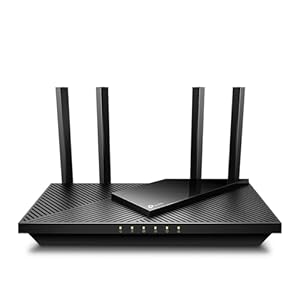
Spectrum vs Starry Internet: After comparing plans, speeds. Pricing, Starry Internet offers better value for most households with fixed wireless speeds up to 200 Mbps and plans starting at $30/month.
Spectrum and Starry target overlapping urban markets but use completely different technology. Spectrum runs cables to your home through its massive hybrid fiber-coaxial network, delivering consistent performance regardless of weather or line-of-sight issues. Starry beams internet wirelessly from rooftop antennas to your apartment window receiver. Starry wins on price and simplicity, especially for apartment renters, while Spectrum wins on speed, reliability, and availability. If you live in a Starry-covered building and have modest speed needs, the savings are substantial.
We evaluated Spectrum Internet (Charter) and Starry Internet across five critical categories: speed. Performance, monthly pricing and value, technology and network coverage, customer satisfaction ratings, and contract flexibility. Here is everything you need to know before signing up.
Ready to sign up for Spectrum? now to get started:
Overview: Spectrum vs Starry at a Glance
Spectrum Internet (Charter) is a cable & fiber internet provider serving 41 states as the second-largest cable provider in the U.S., serving over 30 million customers. The company offers speeds ranging from 300 Mbps to 1 Gbps with plans starting at $49.99/mo. Spectrum is best suited for customers wanting reliable no-contract, no-cap cable internet.
Starry Internet is a fixed wireless internet provider available in select metro areas in Boston, New York City, Los Angeles, Washington DC, Denver, and Columbus. It offers speeds from 50 Mbps up to 200 Mbps, with pricing starting at $30/mo. Starry is best suited for apartment dwellers in supported cities seeking affordable no-contract internet.
Spectrum Quick Facts
- Technology: Cable & Fiber
- Max Speed: 1 Gbps
- Price Range: $49.99-$89.99/mo
- Contract: No contracts required
- Data Cap: No data caps
- Coverage: 41 states
Starry Quick Facts
- Technology: Fixed Wireless
- Max Speed: 200 Mbps
- Price Range: $30-$80/mo
- Contract: No contracts required
- Data Cap: No data caps
- Coverage: select metro areas
Speed Comparison: Spectrum vs Starry
Internet speed is often the deciding factor when choosing a provider. Spectrum delivers maximum download speeds of 1 Gbps through its hybrid fiber-coaxial cable and fiber optic network, with entry-level plans starting at 300 Mbps. Meanwhile, Starry offers up to 200 Mbps via fixed wireless broadband, with its lowest tier providing 50 Mbps.
| Speed Feature | Spectrum | Starry |
|---|---|---|
| Maximum Download Speed | 1 Gbps | 200 Mbps |
| Minimum Speed Tier | 300 Mbps | 50 Mbps |
| Technology | Cable & Fiber | Fixed Wireless |
| Number of Plans | 3 | 3 |
When evaluating speed, consider not just the maximum advertised number but the speeds available at your specific address. Fixed wireless and 5G speeds can vary significantly based on tower proximity, signal congestion, and environmental factors. Peak speeds are often much higher than typical everyday performance. For most households, a connection between 100-300 Mbps handles streaming, gaming, and remote work comfortably. Larger households with 5+ connected devices may benefit from gigabit-level service.
Spectrum Internet Plans
- Internet 300: 300 Mbps for $49.99/mo
- Internet Ultra: 500 Mbps for $69.99/mo
- Internet Gig: 1 Gbps for $89.99/mo
Starry Internet Plans
- Starry Basic: 50 Mbps for $30/mo
- Starry Plus: 100 Mbps for $50/mo
- Starry Pro: 200 Mbps for $80/mo
Pricing Comparison: Spectrum vs Starry
Monthly cost is a crucial consideration for any internet subscription. Spectrum plans range from $49.99-$89.99/mo, while Starry charges $30-$80/mo. However, sticker price tells only part of the story. You need to account for equipment rental fees, installation costs, promotional pricing that expires, and any data overage charges.
| Pricing Feature | Spectrum | Starry |
|---|---|---|
| Starting Price | $49.99/mo | $30/mo |
| Price Range | $49.99-$89.99/mo | $30-$80/mo |
| Contract Required | No contracts required | No contracts required |
| Data Caps | No data caps | No data caps |
Spectrum requires no contracts required, while Starry offers no contracts required. Contract-free plans provide flexibility to switch providers without paying early termination fees. Which is especially valuable if you are unsure about long-term satisfaction with the service. When comparing prices, always look at the regular monthly rate rather than the introductory promotional price, as promotions typically expire after 12-24 months.
Ready to sign up for Starry? now to get started:
Technology and Coverage: Spectrum vs Starry
Spectrum uses hybrid fiber-coaxial cable and fiber optic while Starry relies on fixed wireless broadband. This fundamental technology difference impacts speed capabilities, latency, reliability, and availability in your area.
Spectrum serves 41 states as the second-largest cable provider in the U.S., serving over 30 million customers. While Starry is available in select metro areas in Boston, New York City, Los Angeles, Washington DC, Denver, and Columbus. In areas where both providers are available, you have the advantage of choosing based on performance rather than availability. Before making your decision, verify that your specific street address qualifies for service from both providers, as coverage can vary block by block.
Spectrum uses hybrid fiber-coaxial cable and fiber optic technology, providing symmetrical upload and download speeds, low latency, and high reliability. Starry, using fixed wireless broadband, delivers wireless connectivity leveraging cellular or radio tower infrastructure without physical cables.
Customer Satisfaction: Spectrum vs Starry
Customer experience plays a significant role in long-term satisfaction with your internet provider. According to J.D. Power residential internet satisfaction studies, Spectrum earns a score of 718/1000, while Starry receives N/A. These scores reflect factors including network reliability, speed consistency, billing transparency, customer support quality, and value for money.
Beyond survey scores, we recommend researching recent customer reviews in your specific market. Provider quality can vary substantially between regions, and a company with excellent service in one city may have growing pains in another. Common customer complaints across the industry include unexpected price increases after promotional periods, difficulty reaching support during peak hours. Inconsistent speed delivery during high-usage times.
Pros and Cons
Spectrum Pros and Cons
Pros
- No data caps anywhere
- No contracts required
- Free modem included
- Wide geographic availability
- Consistent pricing structure
Cons
- Upload speeds limited on cable plans
- Base speed starts at 300 Mbps (no cheaper tier)
- Price increases after Year 1
- Limited to 1 Gbps max on cable
Starry Pros and Cons
Pros
- Very affordable pricing
- No contracts or data caps
- Simple setup with no technician visit
- Good for apartments and condos
Cons
- Very limited availability
- Speeds max out at 200 Mbps
- Requires line-of-sight to tower
- Not ideal for large households
Which Should You Choose: Spectrum or Starry?
After analyzing speeds, pricing, technology, coverage, and customer satisfaction, Spectrum earns our recommendation for most households. Spectrum delivers a stronger overall package when you weigh all the factors together, particularly in terms of value and flexibility.
Choose Spectrum if:
- You want hybrid fiber-coaxial cable and fiber optic technology in your area
- You prioritize no data caps anywhere
- You value no contracts required
- Spectrum has coverage at your address
Choose Starry if:
- You need fixed wireless broadband connectivity
- You want very affordable pricing
- no contracts or data caps is important to you
- Starry serves your neighborhood
The ideal internet provider depends on your unique situation. Consider how many devices you connect simultaneously, whether anyone in your household games or streams in 4K, if you work from home. Need reliable video conferencing, and how much you are willing to spend each month. Both Spectrum and Starry serve millions of satisfied customers, and either can be an excellent choice depending on your priorities.
Get Spectrum Today Get Starry TodayReady to sign up for Spectrum? now to get started:
Frequently Asked Questions
Is Spectrum or Starry faster?
Spectrum offers maximum speeds of 1 Gbps, while Starry tops out at 200 Mbps. Keep in mind that actual speeds depend on your location, the plan you choose, and network congestion in your area. The fastest plan available at your specific address may differ from the provider's advertised maximum.
Which is cheaper, Spectrum or Starry?
Spectrum starts at $49.99/mo, compared to Starry at $30/mo. However, the total cost depends on the speed tier you need, equipment rental fees, and any promotional pricing. Be sure to check the regular non-promotional pricing before committing to either provider.
Do Spectrum or Starry have data caps?
Spectrum has no data caps, while Starry has no data caps. Data caps can significantly impact heavy internet users, especially households that stream 4K video, game online, or work from home. If you regularly use more than 1 TB per month, prioritize providers without caps.
Do I need a contract with Spectrum or Starry?
Spectrum: No contracts required. Starry: No contracts required. No-contract plans give you the flexibility to switch providers or cancel without early termination fees. Which can range from $100 to $400 depending on the provider and remaining contract term.
Which provider has better customer service, Spectrum or Starry?
Based on J.D. Power ratings, Spectrum scores 718/1000 while Starry scores N/A. Customer satisfaction can vary significantly by region and over time. We recommend checking recent reviews from customers in your specific area before making a decision.
Can I get Spectrum and Starry at my address?
Spectrum is available in 41 states (as the second-largest cable provider in the U.S., serving over 30 million customers). While Starry serves select metro areas (in Boston, New York City, Los Angeles, Washington DC, Denver, and Columbus). Availability varies by street address, so we recommend checking both providers' websites or calling to confirm service at your specific location.
Overall, should I choose Spectrum or Starry?
For most customers, we recommend Spectrum based on the overall combination of speed, pricing, coverage, and customer satisfaction. However, the best choice depends on your specific needs: Spectrum is best for customers wanting reliable no-contract, no-cap cable internet. While Starry is best for apartment dwellers in supported cities seeking affordable no-contract internet. Consider what matters most to you before making your final decision.
Related Comparisons and Resources
- Spectrum Internet Review
- Starry Internet Review
- Spectrum vs Xfinity
- Frontier vs Frontier
- Spectrum vs T-Mobile
- Best Internet Providers of 2026
- How to Choose the Right Internet Provider
Disclosure: Some of the links and phone numbers on this page are from our advertising partners. We may receive compensation when you click on a link or a listed phone number. This compensation may influence which providers are featured and how they are presented, but it does not affect our editorial opinions or ratings. Our recommendations are based on independent research and analysis. For more information, please see our Terms of Use and Privacy Policy.
Complete Plan Lineups: Spectrum vs. Starry Internet
Comparing every available plan tier helps you find the right balance of speed and price. Below is the full lineup from each provider as of March 2026.
Spectrum Plans
| Plan | Speed | Price |
|---|---|---|
| Spectrum Internet | 300 Mbps | $50/mo |
| Spectrum Internet Ultra | 500 Mbps | $70/mo |
| Spectrum Internet Gig | 1 Gbps | $90/mo |
Starry Internet Plans
| Plan | Speed | Price |
|---|---|---|
| Starry Internet | 200/200 Mbps | $50/mo |
Coverage and Availability
Even the best internet plan is irrelevant if it is not available at your address. Coverage is often the single most important factor in choosing a provider, and it varies significantly between these two.
- Spectrum coverage: 41 states. The network uses Cable (DOCSIS 3.1), Fiber technology. Because fiber requires dedicated infrastructure to each home, availability can vary block by block even within served areas.
- Starry Internet coverage: 6 metro areas (Boston, NYC, LA, DC, Denver, Columbus). The network uses Fixed Wireless (mmWave) technology. Fixed wireless availability depends on proximity to a cell tower with capacity.
We strongly recommend entering your exact address on both providers' websites before making a decision. Even within a served city, coverage can vary street by street, especially for fiber and fixed wireless services.
Contracts, Data Caps, and Hidden Costs
Hidden obligations and usage limits can significantly impact your monthly bill and overall experience. Here is a transparent comparison of what each provider expects from you.
| Policy | Spectrum | Starry Internet |
|---|---|---|
| Contract Required | No | No |
| Data Caps | No | No |
| Early Termination Fee | None — no contract to break | None — no contract to break |
| Overage Charges | No — unlimited data | No — unlimited data |
| Price Increases | Check current promotional terms | Check current promotional terms |
Both providers offer contract-free service, giving you the flexibility to cancel or switch at any time without penalties. This is increasingly the industry standard and a major consumer benefit.
Installation and Setup Experience
How quickly and easily you can get online matters. Here is what to expect from the installation process with each provider.
Spectrum Installation
Method: Self-install kit (free) or professional ($60)
Typical timeline: 3-7 business days for appointment scheduling. Installation takes 1-3 hours.
A self-install kit is available for eligible addresses, saving time and avoiding a technician visit.
Starry Internet Installation
Method: Free professional installation
Typical timeline: 3-7 business days for appointment scheduling. Installation takes 1-3 hours.
A technician visit is required for new connections. Ensure an adult 18+ is present during the installation window.
Tip: After installation, run a speed test immediately using a wired Ethernet connection (not WiFi) to verify you are receiving the speeds included in your plan. If speeds are significantly below what you are paying for, contact your provider's technical support.
2-Year Total Cost of Ownership
The monthly price is only part of the picture. Equipment fees, installation charges, and promotional pricing all affect your true cost over time. Here is a 24-month cost comparison using a mid-tier plan from each provider.
| Cost Component | Spectrum (Spectrum Internet Ultra) | Starry Internet (Starry Internet) |
|---|---|---|
| Monthly Rate | $70/mo | $50/mo |
| Speed Tier | 500 Mbps | 200/200 Mbps |
| Equipment / Install | $0 | $0 |
| 24 Months of Service | $1,680 | $1,200 |
| Total 2-Year Cost | $1,680 | $1,200 |
| Cost Per Mbps/mo | 500 Mbps | 200/200 Mbps |
Bottom line: Starry Internet saves approximately $480 over two years at comparable mid-tier plans. The actual best value depends on the speed you need and whether promotional pricing or bundling discounts apply.
Detailed Pros and Cons
Every internet provider involves trade-offs. Here is an honest assessment of the strengths and weaknesses of each option based on our research.
Spectrum
Advantages:
- No data caps on any plan — truly unlimited usage
- No annual contracts required
- Free modem included with every plan
- Spectrum Mobile bundling can save up to $600/year
Disadvantages:
- Very slow upload speeds maxing out at 35 Mbps
- Only three plan tiers with no budget option
- Monthly rates increase after the 12-month promotional period
- No multi-gig speed options available
Starry Internet
Advantages:
- No contracts, no data caps, no hidden fees
- Symmetric 200/200 Mbps speeds
- Simple one-plan pricing eliminates confusion
- Free installation and free equipment
Disadvantages:
- Extremely limited availability — only 6 metro areas
- Only available in apartment and condo buildings
- Single speed tier with no option to upgrade
- Your building must already be Starry-enabled
Who Should Choose Which Provider?
The right internet provider depends on your household's specific needs, budget, and location. Here are clear recommendations for common scenarios.
Choose Spectrum If:
- You prefer Cable (DOCSIS 3.1) technology — Spectrum delivers download speeds up to 1 Gbps
- You value no data caps on any plan — truly unlimited usage — This is one of Spectrum's strongest selling points
- You want no annual contracts required — A key differentiator over the competition
- You live in 41 states — Verify your exact address for plan availability
Choose Starry Internet If:
- You prefer Fixed Wireless (mmWave) technology — Starry Internet reaches download speeds up to 200 Mbps
- You value no contracts, no data caps, no hidden fees — This gives Starry Internet a clear advantage for certain users
- You want symmetric 200/200 mbps speeds — A primary reason customers choose Starry Internet
- You live in 6 metro areas (Boston, NYC, LA, DC, Denver, Columbus) — Check your specific address for service options
Best Provider by Household Type
| Household Profile | Recommended | Why |
|---|---|---|
| Budget-conscious (1-2 people) | Spectrum | Lower starting price covers basic browsing and streaming |
| Remote workers (video calls, uploads) | Spectrum | Lower latency and better upload speeds for reliable video conferencing |
| Gamers (low ping, fast speeds) | Spectrum | Higher max speeds and lower ping for competitive gaming |
| Large streaming households (4+ people) | Spectrum | More bandwidth headroom for multiple simultaneous 4K streams |
| Rural or underserved areas | Spectrum | Broader availability where other options may not reach |
| Content creators (large uploads) | Starry Internet | Higher upload speeds for video rendering and cloud backups |
Complete Side-by-Side Comparison
This comprehensive table puts every key specification in one view so you can compare Spectrum and Starry Internet at a glance.
| Specification | Spectrum | Starry Internet |
|---|---|---|
| Technology | Cable (DOCSIS 3.1), Fiber | Fixed Wireless (mmWave) |
| Max Download Speed | 1 Gbps | 200 Mbps |
| Max Upload Speed | 35 Mbps | 200 Mbps |
| Starting Price | $50-$90/mo | $50/mo |
| Contracts | No | No |
| Data Caps | No | No |
| Coverage Area | 41 states | 6 metro areas (Boston, NYC, LA, DC, Denver, Columbus) |
| Typical Latency | 10-25ms | 10-25ms |
| Installation | Self-install kit (free) or professional ($60) | Free professional installation |
| Number of Plans | 3 tiers | 1 tiers |
Frequently Asked Questions
These are the questions our readers ask most often when deciding between Spectrum and Starry Internet.
Is Spectrum or Starry Internet faster?
Spectrum advertises maximum download speeds of 1 Gbps, while Starry Internet reaches up to 200 Mbps. Real-world speeds depend on your location, network congestion, and chosen plan tier. Upload speeds differ too: Spectrum offers up to 35 Mbps upload versus Starry Internet's 200 Mbps. For activities like video calls and cloud backups, upload speed matters as much as download.
Which provider costs less: Spectrum or Starry Internet?
Spectrum plans range from $50-$90/mo, while Starry Internet ranges from $50/mo. Total cost also depends on equipment rental fees, installation charges, and whether introductory promotional pricing applies. Always confirm current rates at your specific address, as pricing can vary by location.
Do Spectrum and Starry Internet enforce data caps?
Spectrum: No. Starry Internet: No. Data caps matter most for heavy users — households that stream 4K video on multiple TVs, game online, or have remote workers transferring large files regularly. A typical household uses 300-500 GB per month, so caps of 1 TB or more affect relatively few users.
Do I need a contract with Spectrum or Starry Internet?
Spectrum contract policy: No. Starry Internet contract policy: No. Contract-free plans let you cancel anytime without early termination fees, which is valuable if you plan to move or want the flexibility to switch to a better deal.
Can I get Spectrum and Starry Internet where I live?
Spectrum serves 41 states, while Starry Internet covers 6 metro areas (Boston, NYC, LA, DC, Denver, Columbus). Even in nominally covered areas, not every address may be serviceable. This is especially true for fiber (which requires physical infrastructure) and fixed wireless (which depends on tower proximity). Enter your address on each provider's website for definitive availability.
Which provider offers better reliability for working from home?
For remote work, upload speed and latency are critical. Spectrum provides up to 35 Mbps upload with typical latency of 10-25ms, while Starry Internet offers 200 Mbps upload with 10-25ms latency. Lower latency means smoother video calls, and higher upload speeds mean faster file sharing and cloud sync. Fiber connections generally provide the most consistent performance for remote workers.
Related Guides and Comparisons
Continue your research with these related resources from our editorial team.
- Spectrum Full Review — In-depth analysis of plans, pricing, coverage, and customer experience
- Starry Internet Full Review — In-depth analysis of plans, pricing, coverage, and customer experience
- All Provider Comparisons — Browse every head-to-head internet provider matchup
- How to Choose an Internet Provider — Our step-by-step decision framework
- Internet Speed Guide — Calculate how much bandwidth your household actually needs
- Fiber Internet Providers — Compare all fiber options available near you
- Cable Internet Providers — Compare all cable options in your area
- 5G Home Internet Providers — Compare fixed wireless and 5G options
- Average Internet Speeds by State — See how your state ranks for broadband performance