Quick Answer: Spectrum vs Xfinity
Bottom line: In the Spectrum vs Xfinity matchup, Xfinity offers better overall value with faster speeds relative to its pricing. Spectrum delivers speeds up to 1,000 Mbps starting at $49.99/mo, while Xfinity offers speeds up to 2,000 Mbps from $35/mo. Your best option depends on availability at your address, speed requirements, and budget preferences.
Spectrum:
Xfinity:
Spectrum vs Xfinity: Complete 2026 Comparison
Choosing between Spectrum and Xfinity comes down to understanding what each provider does best and where they fall short. This head-to-head comparison examines every aspect of both services, including download. Upload speeds, monthly pricing, contract terms, data policies, customer satisfaction ratings, and real-world performance. Whether you're setting up service at a new home, looking to switch providers, or simply want to confirm you're getting the best deal, this analysis has you covered.
Spectrum uses Hybrid Fiber-Coaxial (Cable) technology and serves customers across 41 states, ~110M people. While Xfinity relies on Hybrid Fiber-Coaxial (Cable) & Fiber and is available to 40 states, ~120M people. These differences in infrastructure lead to meaningful differences in the experience you can expect as a customer.
Side-by-Side Comparison Overview
| Feature | Spectrum | Xfinity |
|---|---|---|
| Technology | Hybrid Fiber-Coaxial (Cable) | Hybrid Fiber-Coaxial (Cable) & Fiber |
| Max Speed | 1,000 Mbps | 2,000 Mbps |
| Price Range | $49.99-$89.99/mo | $35-$80/mo |
| Contract | No contracts | No annual contract (1-2 year options available) |
| Data Cap | No data caps | 1.2 TB (unlimited add-on $30/mo) |
| Availability | 41 states, ~110M people | 40 states, ~120M people |
Speed Comparison: Spectrum vs Xfinity
Let's break down how Spectrum and Xfinity compare .
Spectrum offers download speeds ranging from 300 Mbps up to 1,000 Mbps. At the entry level, 300 Mbps is sufficient for a household of 2-4 people streaming HD video, video calling, and general browsing. The mid-tier plan at approximately 500 Mbps handles multiple 4K streams, competitive online gaming, and large file downloads with ease. The top-tier speed of 1000 Mbps is overkill for most households. Ideal for content creators, home offices with heavy cloud usage, or tech enthusiasts who want maximum headroom.
Xfinity ranges from 150 Mbps to 2,000 Mbps. The entry-level 150 Mbps plan provides ample bandwidth for most families with moderate internet usage. At 600 Mbps, you get comfortable performance for most multi-device households. The maximum speed of 2000 Mbps puts it among the fastest residential services available.
Speed winner: Xfinity takes the speed crown with a top speed of 2000 Mbps vs 1000 Mbps.
Spectrum:
Pricing Comparison: Monthly Costs Breakdown
Price plays a major role in any internet decision. Here's how the monthly costs stack up between these two providers.
Spectrum Pricing
- Starting price: $49.99/mo
- Mid-tier: ~$69.99/mo for 500 Mbps
- Premium tier: ~$89.99/mo for 1000 Mbps
- Contract: No contracts
- Data cap: No data caps
Spectrum:
Xfinity Pricing
- Starting price: $35/mo
- Mid-tier: ~$55/mo for 600 Mbps
- Premium tier: ~$80/mo for 2000 Mbps
- Contract: No annual contract (1-2 year options available)
- Data cap: 1.2 TB (unlimited add-on $30/mo)
Xfinity:
Price winner: Xfinity offers the lower starting price at $35/mo. However, the lowest advertised price doesn't always represent the best value. Consider the speed you get per dollar, data cap policies, and whether equipment rental is included or costs extra.
Technology & Network Infrastructure
Technology matters more than most people realize. The type of connection determines not just speed, but reliability and future-proofing.
Spectrum delivers service via Hybrid Fiber-Coaxial (Cable). Cable internet uses existing coaxial cable infrastructure to deliver broadband. While not as fast as pure fiber, modern DOCSIS 3.1 technology allows cable providers to offer gigabit speeds in many areas.
Xfinity uses Hybrid Fiber-Coaxial (Cable) & Fiber. The cable network shares bandwidth among neighbors. Which can occasionally lead to slowdowns during peak evening hours, though modern network management has significantly reduced this issue.
Coverage & Availability
Spectrum is available across 41 states, ~110M people. This widespread footprint means most urban and suburban residents can access the service, though rural availability remains limited.
Xfinity covers 40 states, ~120M people. Its extensive network spans nearly half the country, giving millions of households access to competitive broadband.
Before committing to either provider, we strongly recommend checking availability at your specific address. Both providers may have coverage in your area, but plan options and speeds can vary by neighborhood and even by street.
Customer Service & Satisfaction
Customer service quality often varies by region, but industry-wide satisfaction surveys provide useful benchmarks. Spectrum has a J.D. Power satisfaction score of 710/1000, while Xfinity scores 700/1000.
Spectrum edges ahead in customer satisfaction, though individual experiences can vary significantly based on local service teams, network reliability in your area. The specific plan you choose. Online reviews consistently highlight that the quality of customer support can differ from one service area to another.
Both providers offer multiple support channels including phone, online chat, and in-person assistance. Spectrum has invested significantly in its app-based support tools, while Xfinity offers multiple channels for resolving issues.
Pros and Cons
Spectrum: Pros & Cons
Advantages
- No data caps on any plan
- No annual contracts ever
- Free modem included
- Wide geographic availability across 41 states
Disadvantages
- Upload speeds significantly lower than download
- Only one gig-speed tier available
- Price increases after promotional period
- Limited fiber availability
Xfinity: Pros & Cons
Advantages
- Low entry price starting at $35/mo
- Speeds up to 2 Gbps available
- Massive nationwide coverage
- xFi gateway with advanced parental controls
Disadvantages
- 1.2 TB data cap on most plans
- Equipment rental fees add up
- Pricing can be confusing with bundles
- Upload speeds limited on cable plans
Our Recommendation: Which Provider Should You Choose?
After analyzing speeds, pricing, technology, coverage, and customer satisfaction, here's our guidance for choosing between Spectrum and Xfinity:
Choose Spectrum if: You prioritize wide availability and a balance of speed and affordability. Cable internet provides solid performance for most household activities at competitive pricing.
Choose Xfinity if: You want reliable cable broadband with broad plan selection and strong promotional pricing. The wide availability makes it a practical choice for most American households.
Spectrum:
Xfinity:
Considering Other Providers?
If neither Spectrum nor Xfinity is available at your address, or if you'd like to explore additional options, several other reputable internet providers serve various regions across the country. to check availability and current promotions:
Interested in Verizon Fios? or check plans online
Interested in HughesNet? or check plans online
Interested in T-Mobile? or check plans online
Interested in Viasat? or check plans online
Interested in CenturyLink? or check plans online
Check Availability in Your Area
Availability varies by address. Use our tools to find which providers serve your location:
Frequently Asked Questions
Is Spectrum or Xfinity faster?
Spectrum offers maximum speeds up to 1,000 Mbps, while Xfinity delivers up to 2,000 Mbps. Xfinity offers faster peak speeds. For most households, any plan offering 200+ Mbps will handle streaming, gaming, and remote work without issues.
Which is cheaper, Spectrum or Xfinity?
Xfinity has the lower starting price at $35/mo. However, the best value depends on the speed tier you need, potential equipment fees, and whether data caps affect your usage. Always compare the total monthly cost including all fees.
Does Spectrum or Xfinity have data caps?
Spectrum does not impose data caps. Xfinity has no data caps on any plan. Data caps matter most for heavy streamers, gamers, and households with many connected devices.
Do Spectrum and Xfinity require contracts?
Spectrum: No contracts. Xfinity: No annual contract (1-2 year options available). Neither provider locks you into a long-term commitment, giving you the flexibility to switch if you're unsatisfied.
Can I get Spectrum and Xfinity at my address?
Availability depends on your specific location. Spectrum serves 41 states, ~110M people, while Xfinity covers 40 states, ~120M people. Enter your ZIP code on each provider's website or to verify service at your address: Spectrum at, Xfinity at.
Which provider is better for gaming, Spectrum or Xfinity?
For online gaming, low latency matters most. Both providers can handle gaming well since fiber connections deliver the lowest latency (typically under 10ms). For the best gaming experience, look for a plan with at least 100 Mbps download speed and ask about latency in your area.
Is Spectrum or Xfinity more reliable?
Reliability depends on your local infrastructure. Cable connections from both providers are generally reliable, with occasional slowdowns during peak usage hours. Check local outage reports and talk to neighbors for the most accurate reliability picture.
What equipment do I need for Spectrum or Xfinity?
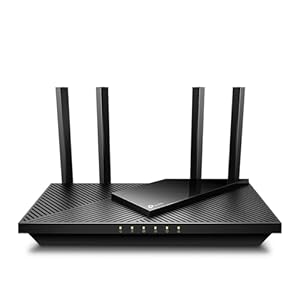
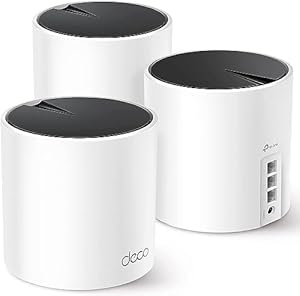
Spectrum typically provides a gateway (combined modem/router) either included or for a monthly rental fee. Xfinity includes a modem or gateway with most plans. In many cases, you can use your own compatible router to avoid monthly equipment rental fees, though this varies by provider and plan.
Disclosure: InternetProviders.ai may earn a commission when you sign up for a plan through our links. This does not affect our editorial independence or the recommendations in this article. We research and compare providers objectively so you can make an informed decision. All pricing and availability information is current as of February 2026 and is subject to change. providers directly to confirm the latest offers for your area.
Coverage in Rural, Suburban, and Urban Areas
Where you live determines not just availability but also the quality of service each provider delivers. Both Spectrum and Xfinity operate hybrid fiber-coaxial (HFC) networks, but infrastructure investment varies by market.
Urban Markets
In cities, both providers typically deliver their best speeds and most consistent service. Urban areas have denser infrastructure and more competition, which incentivizes both companies to maintain and upgrade their networks. If you live in a major metro area, the choice between Spectrum and Xfinity comes down to pricing, data cap policy, and which offers better plans at your specific address.
Suburban Areas
Suburban neighborhoods vary more widely in service quality. Newer developments often have upgraded infrastructure supporting full advertised speeds. Older suburbs may be served by aging cable plant that struggles during peak evening hours. Ask neighbors about their experience with each provider — local infrastructure quality is the strongest predictor of your experience.
Small Towns and Rural Edges
Both Spectrum and Xfinity have limited rural presence. Spectrum generally extends further into small-town America, particularly in states where it absorbed former Time Warner Cable and Bright House Networks territories. If neither provider serves your rural location, alternatives include T-Mobile 5G Home Internet ($50/month, widely available), Starlink ($120/month, available everywhere), or your local fixed wireless provider.
Checking True Availability
Cable provider coverage maps often show approximate service areas that overstate actual availability. The only reliable way to confirm service is entering your exact address on each provider's website. Even within the same neighborhood, one side of a street may have service while the other does not.