Astound Broadband Internet in Connecticut at a Glance
Astound Broadband delivers cable and fiber internet across Southern and Central Connecticut, serving communities in New Haven, Hartford, Bridgeport, Stamford, and Norwalk. Plans start at $30/mo for 300 Mbps cable. Scale up to 1.5 Gbps symmetrical fiber at $80/mo, making Astound a strong value alternative to Comcast Xfinity, Frontier Fiber, and Optimum in the Connecticut market.
About Astound Broadband in Connecticut
Astound Broadband was formed through the merger of RCN, Grande Communications, Wave Broadband. Entouch, creating one of the largest independent cable operators in the United States. Headquartered in Princeton, New Jersey, the company serves approximately 1.5 million customers across its combined footprint. In Connecticut, Astound inherited the RCN network and has continued to invest in both cable plant upgrades and new fiber construction.
Connecticut was one of RCN's earliest eastern markets, and Astound continues to build on that legacy. The state's densely populated I-95 corridor, from Stamford through New Haven, provides a strong subscriber base. Connecticut residents increasingly demand gigabit options, and Astound's competitive pricing undercuts the dominant Comcast offering in many neighborhoods.
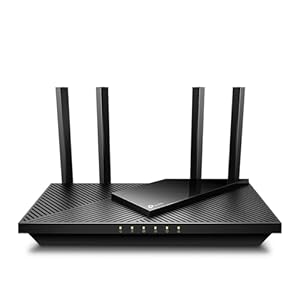
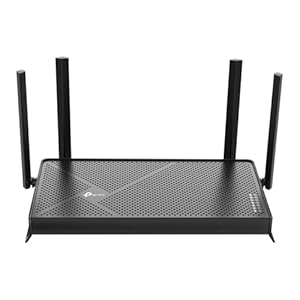
For Connecticut residents weighing their broadband options, Astound stands out for its transparent pricing with no annual contracts required on most plans. Unlike many competitors, Astound does not impose data caps on its cable or fiber plans, an important advantage for heavy-streaming households. The provider also includes a managed Wi-Fi router at no extra charge with most service tiers, reducing the upfront cost of getting connected.
Astound Broadband Plans Available in Connecticut
| Plan Name | Price | Download Speed | Upload Speed | Technology |
|---|---|---|---|---|
| Astound 300 | $30/mo | 300 Mbps | 20 Mbps | Cable |
| Astound 600 | $50/mo | 600 Mbps | 20 Mbps | Cable |
| Astound 1 Gig | $70/mo | 1,000 Mbps | 50 Mbps | Cable |
| Astound 1.5 Gig Fiber | $80/mo | 1,500 Mbps | 1,500 Mbps | Fiber |
Prices shown are standard monthly rates without promotional bundling. Astound does not require annual contracts on residential internet plans. Actual speeds may vary based on network conditions, equipment, and location within Connecticut. The 1.5 Gig Fiber plan is available only in select Connecticut neighborhoods where Astound has deployed fiber-to-the-home infrastructure.
Astound Broadband Coverage in Connecticut
Astound serves a corridor running through southern Connecticut along the I-95 and Merritt Parkway transportation routes. Coverage is strongest in the Stamford-Norwalk-Bridgeport metro area and extends into New Haven and parts of Hartford County.
To check whether Astound Broadband is available at your Connecticut address, visit the Astound website and enter your street address and ZIP code. Availability can vary block by block, especially in areas where fiber and cable coverage overlap. If Astound is not yet available at your location, you may be able to register for notifications when service becomes available in your neighborhood.
Frequently Asked Questions About Astound Broadband in Connecticut
Provider Astound Ct Service Details in
Provider Astound Ct's presence in includes a range of internet plans designed for different household needs. Understanding the specific options available helps residents make informed decisions about their internet service.
Plan tiers available: Provider Astound Ct typically offers multiple speed tiers in , ranging from basic plans suitable for light browsing to premium plans designed for heavy streaming and gaming households. Plan availability varies by address within , so checking your specific location is important.
Coverage areas: Provider Astound Ct's service area includes major metropolitan areas and many suburban communities. Rural areas may have limited or no coverage. Check availability at your specific address to see which Provider Astound Ct plans and speeds are offered at your location.
Contract terms: Provider Astound Ct plans in may come with or without contract commitments. No-contract options provide flexibility but may have higher monthly rates. Contract plans often include promotional pricing for 12-24 months with early termination fees if you cancel early.
Alternatives to Provider Astound Ct in
While Provider Astound Ct serves many areas of , comparing alternatives ensures you're getting the best available deal. Multiple internet providers typically operate in 's major metro areas, giving residents options to choose from.
Comparing providers: When evaluating Provider Astound Ct against competitors in , look beyond the advertised price. Consider the technology type (fiber vs. cable vs. DSL), actual speeds delivered in your neighborhood, contract requirements, equipment fees. Customer satisfaction ratings from other customers.
Switching providers: If you find a better option in , switching is typically straightforward. Most providers handle the transition within 1-2 weeks. Time your switch to minimize overlap charges — ideally coordinating the new installation with the cancellation of your existing service.
Negotiating with Provider Astound Ct: Before switching, contact Provider Astound Ct's retention department. Mentioning specific competitor offers in often results in improved pricing or upgraded speeds. Many customers save $10-30/month simply by expressing interest in switching to a competitor.
What internet speeds does Astound Broadband offer in southern Connecticut and the I-95 corridor?
Astound Broadband offers four tiers in Connecticut: 300 Mbps ($30/mo), 600 Mbps ($50/mo), 1 Gbps ($70/mo) via cable, and 1.5 Gbps symmetrical ($80/mo) via fiber. Fiber availability is limited to select Connecticut neighborhoods, so most subscribers will choose from the cable tiers. All plans include unlimited data with no overage fees.
Does Astound Broadband have data caps in Connecticut?
No. Astound Broadband does not impose data caps on any of its residential internet plans in Connecticut. This is a significant advantage over competitors like Comcast Xfinity, which may enforce data limits on certain tiers. You can stream, game, and work from home without worrying about overage charges.
How does Astound compare to Comcast Xfinity in Connecticut?
Astound typically offers lower base prices than Comcast Xfinity for comparable speeds in Connecticut. Astound's 300 Mbps plan at $30/mo and no-contract policy make it an attractive entry option. However, Comcast Xfinity may have broader geographic coverage across the state. Check availability at your specific Connecticut address to compare what each provider offers in your neighborhood.
Is Astound Broadband fiber available at my Connecticut address?
Astound's 1.5 Gig Fiber plan is available in select areas of southern Connecticut and the I-95 corridor. Fiber deployment is ongoing but not yet universal across the Astound footprint in Connecticut. Enter your address on the Astound website to check availability. If fiber is not yet available, Astound's cable plans still deliver up to 1 Gbps download speeds.
What is Astound Broadband's history in Connecticut?
Astound Broadband's Connecticut network was originally built by RCN. Through a series of mergers finalized in 2021-2022, RCN, Grande Communications, Wave Broadband, and Entouch combined under the Astound Broadband brand. The Connecticut operation now benefits from the combined company's scale while maintaining local customer service and infrastructure investment in southern Connecticut and the I-95 corridor.
What speeds does Astound Broadband offer in Connecticut?
Astound Broadband offers internet speeds in Connecticut ranging from basic tiers around 100 Mbps up to gigabit speeds of 1,000 Mbps or higher on fiber connections. In areas served by fiber-optic infrastructure, customers can often choose symmetrical upload and download plans for optimal performance. DSL areas may be limited to lower speed tiers. The specific plans available depend on your Connecticut address and the infrastructure type serving your neighborhood.
Does Astound Broadband require a contract in Connecticut?
Contract requirements for Astound Broadband in Connecticut vary by plan. Many current plans are offered on a no-contract, month-to-month basis, though some promotional pricing may require a one or two-year agreement. Customers who sign up during a promotional period should review the terms to understand any early termination fees. Astound Broadband customer service can clarify which Connecticut plans include contract obligations and which offer full month-to-month flexibility.
How do I check Astound Broadband availability at my address?
To check Astound Broadband availability at your Connecticut address, visit the official Astound Broadband website and use their online address lookup tool. Enter your full street address and ZIP code to see which plans, speeds, and pricing options are available at your specific location. You can also Astound Broadband customer service directly for assistance. Representatives can confirm service availability, explain current promotions, and help schedule installation if service is available in your area of Connecticut.
Astound Broadband Network and Service Portfolio
Astound Broadband, formed from the merger of RCN, Grande, and Wave, operates advanced hybrid fiber-coaxial and fiber-to-the-home networks. The company offers internet plans ranging from 300 Mbps to 1.5 Gbps, with fiber plans delivering symmetrical upload and download speeds. Astound differentiates itself with no long-term contracts required on any plan, price-lock guarantees on many tiers, and no data caps across all speed levels.
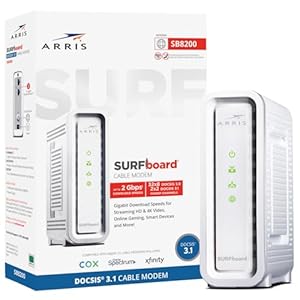
Astound provides professional installation or self-installation options depending on the connection type. Cable customers can purchase their own DOCSIS 3.1 modem to eliminate monthly equipment fees, while fiber customers use a provider-supplied ONT. The company's Astound WiFi service includes a managed mesh system that adapts to your home layout and optimizes performance automatically. Technical support is available 24/7 with U.S.-based agents.
Choosing the Right Plan in Connecticut
Selecting an internet plan in Connecticut requires balancing speed, price, and contract flexibility. Start by assessing how many people in your household use the internet simultaneously during peak hours, typically between 7 and 11 PM. A household with one to two light users browsing the web and streaming in standard definition can get by with 50-100 Mbps. Families of three to five with multiple simultaneous streamers, gamers. Remote workers should target 200-500 Mbps for a consistently smooth experience without buffering or lag.
Before committing to any plan, check what promotional offers are currently available for new customers in your area. Many providers in Connecticut offer introductory rates that are $20-30 lower per month for the first 12 months. Calculate the full two-year cost by adding the promotional and regular pricing together, then compare across all available providers at your address. Also factor in equipment rental fees, which can add $10-15 monthly, and whether the provider charges installation or activation fees for new service.
Tips for Getting the Best Internet Experience
Optimizing your home network starts with proper router placement. Position your WiFi router in a central, elevated location away from walls, metal objects, and electronic devices that create interference. A router placed in an open area on a shelf or mounted on a wall can improve WiFi coverage by 30-50% compared to one hidden in a closet or behind furniture. For homes larger than 2,000 square feet or with multiple floors, consider a mesh WiFi system with satellite nodes placed in each area where you need strong coverage.
Regular maintenance keeps your connection performing at its best. Restart your modem and router monthly to clear cached data and refresh your connection. Check for and install firmware updates quarterly, as these often include performance improvements and security patches. Monitor your actual speeds using periodic speed tests. Contact your provider if wired connection speeds consistently fall below 70% of your plan speed during off-peak hours. Most providers will troubleshoot remotely first and schedule a technician visit if the issue requires on-site diagnosis.
Ready to get connected? now for exclusive deals:
Service Coverage Details for Astound Broadband in Connecticut
Astound Broadband operates a cable and fiber network across Connecticut, with fiber-optic service available in select urban. Suburban communities where the company has invested in next-generation infrastructure. Fiber neighborhoods typically enjoy symmetrical upload and download speeds, lower latency, and greater reliability compared to older copper-based connections. In areas of Connecticut where fiber has not yet been deployed, Astound Broadband may offer DSL or cable service as an alternative, though speeds on legacy infrastructure tend to be lower than fiber.
Coverage patterns in Connecticut reflect ongoing network expansion, with Astound Broadband prioritizing densely populated metros and gradually extending service into adjacent suburban zones. Rural communities in Connecticut may have limited access to Astound Broadband's highest-speed tiers until additional fiber buildout reaches those areas. To determine exactly which services. Speeds are available at your Connecticut address, use the Astound Broadband online availability checker or contact their sales team directly. Entering your street address and ZIP code provides the most accurate results for plan options and pricing in your area.
Astound Broadband Network Technology in Connecticut
Astound Broadband operates two distinct network technologies across Connecticut: a DOCSIS 3.1 hybrid fiber-coaxial (HFC) cable network and a growing fiber-to-the-premises (FTTP) infrastructure. Understanding which technology serves your address is crucial because it directly affects the speeds, latency, and upload performance you can expect.
The legacy RCN cable network, which forms the backbone of Astound's Connecticut presence, uses DOCSIS 3.1 technology to deliver download speeds up to 1 Gbps over coaxial cable. This infrastructure covers the densest parts of the I-95 corridor, including Stamford, Norwalk, Bridgeport, and New Haven. Cable subscribers share bandwidth at the neighborhood node level, which means speeds can fluctuate during peak evening hours when multiple households on the same node stream, game, and work simultaneously.
Astound's fiber network represents a significant upgrade for Connecticut subscribers fortunate enough to be in its footprint. Fiber plans deliver symmetrical upload and download speeds, meaning a 1.5 Gbps plan provides 1.5 Gbps in both directions. This symmetry is transformative for remote workers who participate in video conferences, upload large files to cloud services, or run home-based businesses that depend on upstream bandwidth. The fiber network also delivers substantially lower latency, typically 1 to 5 milliseconds compared to 10 to 25 milliseconds on cable, an advantage for gaming and real-time communication applications.
Astound has been actively expanding its fiber footprint in Connecticut, prioritizing neighborhoods where underground conduit already exists from the cable network build-out. New residential developments in the Greater Hartford and New Haven regions are increasingly served with fiber from the outset. Customers can check which technology is available at their specific address by entering it on Astound's coverage checker tool or calling the local Connecticut office directly.
How Astound Compares to Other Connecticut Providers
Connecticut's broadband market is one of the more competitive in the northeastern United States, with several major providers vying for subscribers. Understanding where Astound fits in this landscape helps residents make an informed choice.
Comcast Xfinity dominates the Connecticut cable market with extensive statewide coverage and plans ranging from 75 Mbps to 2 Gbps. Xfinity's advantage lies in its sheer footprint and bundling options with TV and phone service. However, Xfinity imposes a 1.2 TB monthly data cap in most markets, charges $14/mo for unlimited data, and frequently increases prices after promotional periods expire. Astound's unlimited data and no-contract approach directly addresses these common Xfinity pain points.
Frontier Fiber has been aggressively expanding across Connecticut following its emergence from bankruptcy in 2021. Frontier's fiber network delivers symmetrical speeds up to 5 Gbps with no data caps and competitive pricing starting around $50/mo. In neighborhoods where both Astound fiber and Frontier Fiber are available, the choice often comes down to specific pricing promotions, customer service reputation, and which provider has a stronger physical presence in your immediate area. Frontier's network modernization has been impressive, but some Connecticut neighborhoods still rely on Frontier's legacy DSL infrastructure, which cannot compete with Astound's cable or fiber offerings.
Optimum, operated by Altice USA, serves portions of southwestern Connecticut with cable and fiber internet. Optimum's pricing is competitive with Astound, but the provider has historically received lower customer satisfaction scores and imposes data caps on some plans. For residents in areas where Astound and Optimum overlap, Astound generally offers better value through its no-cap policy and more consistent pricing structure.
AT&T has a limited presence in Connecticut, primarily through its legacy DSL network and select fixed wireless offerings. AT&T Fiber has minimal deployment in the state, making it a non-factor for most Connecticut households. T-Mobile and Verizon 5G Home Internet provide fixed wireless alternatives in urban areas, delivering speeds of 100 to 300 Mbps with no data caps, though speeds are highly variable depending on tower proximity and congestion.
Installation and Setup Experience
Getting connected with Astound Broadband in Connecticut typically follows a straightforward process. New cable subscribers can often be installed within three to five business days of placing their order, with professional installation included at no cost on most plans during promotional periods. The standard installation involves a technician verifying the coaxial connection to your home, installing a DOCSIS 3.1 modem, configuring the managed Wi-Fi router, and testing speeds at multiple locations throughout the residence.
Fiber installations require more extensive work if your home has not previously been connected to Astound's fiber network. Technicians run a fiber drop from the nearest distribution point to your home, install an optical network terminal (ONT) on an exterior or interior wall, and connect it to your router. This process typically takes two to four hours but results in a dedicated fiber connection that will serve your household for years without degradation or speed loss.
Astound provides a managed eero Wi-Fi 6 mesh system with most plans, which covers homes up to approximately 3,000 square feet with reliable wireless connectivity. Larger homes may benefit from requesting an additional eero unit during installation, which Astound can provide for a small monthly fee. The eero system includes a companion mobile app that allows you to manage connected devices, set up parental controls, run speed tests, and troubleshoot common issues without contacting support.
Self-installation kits are available for cable subscribers who prefer to set up their own equipment. The kit includes a pre-configured modem and router with step-by-step instructions. Self-installation is not currently available for fiber connections, as the ONT installation requires specialized tools and training. Connecticut customers who own their own DOCSIS 3.1 or 3.0 compatible modem can use it instead of the Astound-provided equipment, potentially saving $5 to $12 per month in rental fees.
Streaming and Gaming Performance on Astound in Connecticut
Connecticut households increasingly rely on internet connections that can handle simultaneous high-bandwidth activities. A typical evening might involve one family member streaming 4K video on Netflix, another gaming online, a third on a video , and several smart home devices communicating in the background. Astound's cable plans at 300 Mbps and above handle this multi-device scenario comfortably for most families, though the fiber plans truly shine when upload-intensive activities enter the mix.
For online gaming, Astound's cable network delivers latency typically between 12 and 25 milliseconds to major game servers, which is adequate for competitive multiplayer titles. Fiber subscribers enjoy even lower latency of 3 to 8 milliseconds, providing a measurable advantage in fast-paced games where milliseconds determine outcomes. Jitter, the variation in latency between packets, is also significantly lower on fiber connections, resulting in smoother gameplay and fewer rubber-banding incidents. Connecticut gamers who compete in ranked multiplayer or participate in esports tournaments will notice the fiber advantage most clearly during peak evening hours when cable network congestion can introduce latency spikes.
Ready to Order? or Click Below
Disclosure: InternetProviders.ai may earn a commission when you sign up for an internet plan through our links. This does not affect our editorial independence or the accuracy of our reviews. All plan details, prices, and coverage information are verified against provider websites and public sources.
Frontier Fiber Internet Available Here
Frontier Fiber offers 100% fiber-optic internet with speeds up to 5 Gbps, no contracts, and no data caps. Plans start at $49.99/mo.
to check availability:
Sources & Methodology
Coverage data, plan details, and pricing are compiled from FCC Broadband Data Collection filings, provider-published broadband nutrition labels, and U.S. Census Bureau demographic data including population and median household income figures from the American Community Survey. Pricing, speeds, and availability are verified against provider broadband nutrition labels and may vary by location. For a detailed explanation of our data collection and scoring process, see our methodology page.
Data Sources
- FCC Broadband Data Collection
- U.S. Census Bureau American Community Survey
- USAC Universal Service Fund
- NTIA Internet Use Survey
Last verified: March 2026. InternetProviders.ai is an independent resource. We may earn commissions from partner links — this does not affect our editorial recommendations. See our methodology for details.