What Buckeye Broadband Is
Buckeye Broadband — also marketed as Buckeye Cable — is a regional internet provider based in northwest Ohio, serving the Toledo metro area and surrounding communities. It's a legacy cable operator that built its network on DOCSIS cable technology and has, per its own published service descriptions, extended fiber-optic service into parts of its footprint. Unlike national providers with coast-to-coast presence, Buckeye's service area is tightly regional, which means brand familiarity in the Toledo area doesn't guarantee the same experience — or even availability — a mile outside its historical footprint. This page is for someone who already recognizes the Buckeye Cable name and wants to know whether it's worth checking availability at a specific address, and what to actually expect if they sign up.
Plans and How They're Structured
Buckeye Broadband typically organizes its residential internet lineup into a handful of tiers rather than a single one-size-fits-all plan: an entry-level tier aimed at light usage (browsing, email, basic streaming), one or more mid-tier plans built for multi-device households and standard-definition to HD streaming, a higher-speed tier marketed toward heavier use cases like 4K streaming and multiple simultaneous users, and — where the fiber network reaches — a top-speed fiber tier for households with heavy simultaneous demand (large uploads, multiple 4K streams, competitive gaming, or a home office with heavy video conferencing).
The practical differences between tiers come down to three things: the advertised speed ceiling, whether a data cap or usage allowance applies, and whether a modem/router is bundled into the plan or billed separately. Speed figures, current tier names, and whether specific plans include a data cap are all subject to change and vary by exact address, so treat any number you see elsewhere with caution. The right move before comparing tiers is to run the address-level availability check on this page, which will show the tiers actually sold at that location rather than a generic list.
Availability — What We Actually Know
Coverage claims about any regional cable provider fall into different confidence buckets, and it matters which one you're looking at. A ZIP-code-level estimate tells you a provider serves somewhere in that ZIP, not your specific address. FCC-reported broadband data is self-reported by providers at a census-block level and can lag real-world build-out by months. Provider-coverage maps (published directly by Buckeye) are more current but still generalized. The only reliable way to know that Buckeye Broadband — and which specific speed tiers — can be installed at your address is a provider-confirmed-address check, which cross-references the serviceable address against the actual network build, or a user-confirmed-orderable result, meaning an order has actually been placed successfully at that address.
Any general statement on this page about "Buckeye's footprint" should be read as provider-coverage level confidence at best — a real signal, but not a substitute for checking your own address. Run the availability check on this page to get an address-level read before assuming service is available or before comparing specific plan tiers.
Installation and Equipment Reality
Setup with Buckeye Broadband generally falls into one of two paths: a self-install kit shipped to your address, where you connect the modem/router to an existing coaxial or fiber drop yourself, or a scheduled technician visit, which is more common for new fiber installs, homes without an existing usable drop, or customers who prefer professional setup. Self-install is typically faster to schedule but assumes the wiring inside the home is already in working condition; a technician visit adds a scheduling window but resolves wiring issues on the spot.
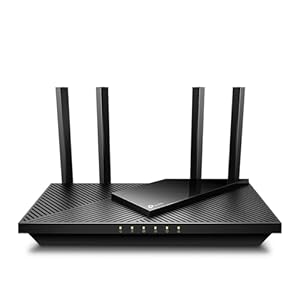
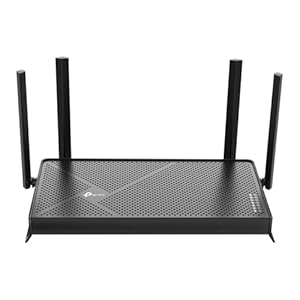
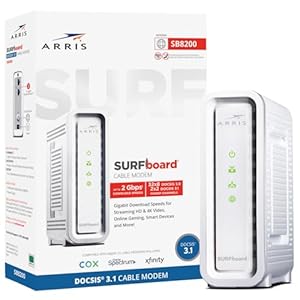
On equipment, customers usually have a choice between renting a modem/router combo from Buckeye (adding a recurring monthly line item to the bill) or purchasing and using their own compatible equipment where the provider allows it, which eliminates the rental fee over time but requires confirming compatibility first. Whichever path you take, budget time for the initial setup call or appointment, and don't assume the promotional speed a plan advertises equals the speed you'll see on day one — always run a wired speed test after installation to confirm what's actually being delivered before troubleshooting anything else.
What the Bill Actually Looks Like
A real Buckeye Broadband bill is rarely just the advertised plan price. It typically has several components: the base monthly rate for the plan tier, a separate equipment rental charge if you're renting the modem/router rather than using your own, and potentially additional surcharges (regulatory recovery fees, franchise fees, or similar line items that vary by market and change over time). None of these specific amounts are stable enough to publish here as fact — ask for the full itemized breakdown before you sign up, not just the advertised headline rate.
One pattern worth flagging regardless of exact numbers: promotional or introductory pricing on cable and fiber plans generally changes after a set introductory period, reverting to a standard rate. If you're comparing an advertised price to a competitor's, make sure you're comparing the same point in the billing cycle — the first month and the months after any introductory period ends can look very different. Before signing up, ask directly (or check the order confirmation) what the rate will be after any introductory period ends, and get that in writing rather than relying on verbal quotes.
How Buckeye Cable Compares to Alternatives
The most useful comparison isn't "Buckeye vs. every other provider" — it's cable vs. fiber vs. fixed wireless as technologies, applied to your specific use case. (See our fiber vs. cable comparison for the broader technical breakdown.) Cable (DOCSIS) networks, which make up most of Buckeye's legacy footprint, typically deliver strong download speeds but historically weaker upload speeds compared to fiber, and performance can degrade slightly during peak local usage hours since cable bandwidth is shared more directly among neighborhood subscribers. Fiber connections, where Buckeye's published coverage says it offers them, generally offer more symmetrical upload/download performance and more headroom for simultaneous heavy use.
Whether that difference matters to you depends on what you do online. A household focused on streaming and browsing may not notice a cable-vs-fiber gap at all. A household with remote workers doing large file uploads, video calls, or cloud backups, or with someone doing competitive online gaming, will notice upload performance and latency more directly — and that's where checking whether fiber is available at your specific address (rather than assuming cable is your only option) becomes worth the extra step. If a competing provider offers fiber at your address and Buckeye only offers cable there, that's a legitimate reason to weigh technology over brand familiarity.
Common Problems and How to Troubleshoot Them
Most day-to-day issues with cable or fiber internet service fall into a few recurring categories, and most have a standard first step before you need to contact support:
- Intermittent dropouts or slow speeds: Start with a full power cycle — unplug the modem and router (if separate) for about 30 seconds, then power the modem back on first and wait for it to fully sync before powering on the router. This resolves a large share of transient issues.
- No connection at all: Check for a known outage in your area first, either through our outage tracker, the provider's own outage-status tool, or by phone, before assuming the problem is inside your home. Trying to troubleshoot your own equipment during a local outage wastes time.
- Wi-Fi is fine on one device but weak in parts of the house: This is usually a wiring or placement issue, not a plan issue — router placement, interference from other electronics, or the need for a mesh extender are the common culprits, not the speed tier you're paying for.
- Speeds well below what you're paying for: Run a wired speed test (laptop directly into the modem/router via ethernet, Wi-Fi turned off) to isolate whether the issue is your home network or the incoming connection itself before contacting support — this saves a troubleshooting cycle on the call.
- Recurring outages at the same time of day: Document the pattern (time, duration, frequency) before calling; specific patterns help support escalate faster than a vague "it's been slow."
Customer Service and Support Experience
As a regional provider, Buckeye Broadband's support channels are generally more localized than a national carrier's — phone support, in some markets a local retail/service center, and standard online account management. What that means in practice: hold times and resolution speed can vary by time of day and by the nature of the issue, and as with any provider, straightforward billing questions are typically resolved faster than technical issues that require dispatching a technician. Escalation paths for unresolved issues usually run through a supervisor request or a documented complaint if a first-line agent can't resolve something — it's reasonable to ask directly for that escalation if a first call doesn't fix the problem. There's no fabricated satisfaction score or star rating that would mean anything here; the honest guidance is to keep records of call dates, reference numbers, and what was promised, since that documentation is what actually speeds up resolution on a second contact.
Who Should Choose Buckeye Broadband — and Who Shouldn't
Buckeye Broadband is a reasonable fit if you live within its established northwest Ohio service area, want a regional provider with a local support footprint rather than a national call center, and your usage profile (browsing, streaming, general work-from-home use) fits comfortably within its mid-tier plans. It's also worth a closer look specifically where a provider-confirmed-address check shows the fiber network has reached your address, since that unlocks the more symmetrical performance heavy users benefit from.
It's a weaker fit if you're outside the core service footprint and would be relying on a ZIP-estimate or provider-coverage level read rather than a provider-confirmed-address check, if your household has heavy upload demands and only cable (not fiber) is available at your address, or if you've had a documented history of billing or service issues with Buckeye in your specific area that a neighbor or online review has flagged — in which case it's worth checking availability and then separately calling to confirm current terms before committing. In every case, the decision should rest on an address-level availability check and a direct conversation about current pricing and terms, not on this page's general description of the provider. If Buckeye doesn't reach your address, our full provider directory covers what else typically serves northwest Ohio and beyond.
Methodology and Freshness
This page describes Buckeye Broadband's plan structure, service area, and typical customer experience in general terms rather than publishing specific prices, speeds, or coverage percentages, because those details change by market and over time and this page is not re-verified daily. Where a claim depends on a number that can shift — pricing, exact speed tiers, data caps, contract terms, or coverage percentages — it is left for direct sourcing at signup rather than stated as fact here. Qualitative claims (how tiers are typically structured, how installation typically works, how billing is typically composed) are based on how regional cable/fiber providers generally operate and on Buckeye Cable's publicly described service model.
Because exact figures move, the reliable path for a shopper is always the same: run the on-page availability check for your specific address to see current plans and confirm serviceable status, and verify final pricing and terms directly with the provider at the point of signup rather than relying on any published price you find — on this page or elsewhere. This page should be treated as a starting reference for understanding the provider, not a live price quote.
Frequently Asked Questions
Does Buckeye Broadband require a contract? Contract terms vary by plan and by promotional offer at the time of signup, and can change. Confirm current contract length, if any, and any early termination terms directly before signing up.
Is there a data cap on Buckeye Broadband plans? Whether a specific plan includes a data allowance or is unlimited depends on the tier and can change. Confirm the current policy for the exact plan you're considering before signing up.
Can I use Buckeye Broadband for streaming and gaming? Mid-tier and higher plans are generally built to handle multiple simultaneous streams and typical online gaming, and fiber tiers (where available) offer better upload performance and latency for competitive gaming and video calls. The specific tier you need depends on how many people in your household are online at once and what they're doing.
How do I cancel service if I move or switch providers? Cancellation processes typically require contacting the provider directly (phone or account portal) rather than being self-service through a single click, and equipment (if rented) generally needs to be returned to avoid an unreturned-equipment charge. Confirm the current process and any return deadlines directly with Buckeye before your service date changes.
Is Buckeye Broadband available outside the Toledo, Ohio area? Its footprint is regional and centered on northwest Ohio; availability outside that core area is not something to assume. Run the address-level availability check on this page for a reliable answer rather than relying on a general service-area description — anything short of that check is ZIP-estimate or provider-coverage level confidence at best.
Why does the price I was quoted change after a few months? Many cable and fiber plans use introductory pricing that reverts to a standard rate after a set period. This is common across the industry, not unique to Buckeye, but the exact timing and reversion amount vary by offer. Ask specifically what the rate will be after any promotional period before you sign up, and get it confirmed in writing.
Bottom Line
Buckeye Broadband is a solid regional option if it actually reaches your address and your usage fits its mid-tier plans — but "Toledo-area provider" isn't the same as "available at your house." Run the address-level check, ask for the after-promotion rate in writing, and confirm whether fiber or cable would be installed before you compare it against anything else.