Google Fiber Internet in Arizona at a Glance
Google Fiber provides 100% fiber-optic internet across Central Arizona, primarily in the greater Phoenix area, serving residents in Mesa, Scottsdale, Tempe, Chandler, and Gilbert in the Phoenix metro. Plans range from 1 Gig at $70/mo to an industry-leading 8 Gig at $150/mo, all with symmetrical or near-symmetrical speeds and no data caps. Google Fiber competes with Cox Communications, CenturyLink/Lumen, and T-Mobile 5G Home in the Arizona market.
About Google Fiber in Arizona
Google Fiber, a subsidiary of Alphabet Inc., is a premium fiber-only internet service provider that has reshaped broadband competition in every market it enters. Since its founding in 2010 and its first residential service in Kansas City in 2012, Google Fiber has expanded to serve portions of more than a dozen states. In Arizona, Google Fiber offers residents access to symmetrical multi-gigabit speeds that far exceed what most cable and DSL providers can deliver.
Arizona is one of Google Fiber's most aggressive expansion states, with buildout accelerating across the fast-growing Phoenix metro. The East Valley cities of Mesa, Gilbert, and Chandler have been prioritized due to their rapid population growth and new residential construction. Google Fiber's entry has pressured Cox Communications to accelerate its own fiber upgrades in the market.
Arizona has seen some of the fastest Google Fiber construction activity nationally, with thousands of new addresses becoming serviceable each quarter. Google Fiber distinguishes itself in Arizona with no data caps, no annual contracts, and straightforward pricing that does not increase after a promotional period. Unlike many competitors, the price you sign up at is the price you continue paying month after month.
The Arizona broadband market has traditionally been dominated by Cox Communications and CenturyLink. Google Fiber's arrival has introduced genuine gigabit-and-beyond competition, forcing incumbents to improve their own offerings. Since Google Fiber began construction in the Phoenix metro, Cox has accelerated its fiber-to-the-home deployments and increased speeds on existing cable plans, directly benefiting consumers who may not even choose Google Fiber.
Google Fiber Plans Available in Arizona (2026)
| Plan | Download Speed | Upload Speed | Monthly Price | Best For |
|---|---|---|---|---|
| 1 Gig | 1,000 Mbps | 1,000 Mbps | $70/mo | Remote work, streaming, gaming households |
| 2 Gig | 2,000 Mbps | 1,000 Mbps | $100/mo | Power users, content creators, large households |
| 5 Gig | 5,000 Mbps | 5,000 Mbps | $125/mo | Home offices, heavy data transfer, future-proofing |
| 8 Gig | 8,000 Mbps | 8,000 Mbps | $150/mo | Maximum performance, professional content creation |
All Google Fiber plans include unlimited data with no caps or throttling, no annual contracts, and no equipment rental fees. The Google Fiber router is included at no additional cost. Google Fiber also includes a complimentary Google Nest Wifi Pro mesh system with the 2 Gig plan and above, ensuring whole-home coverage without additional purchases.
Google Fiber's symmetrical speeds are a standout feature. While most cable providers offer upload speeds that are a fraction of download speeds (Cox's Gigablast plan, for example, offers 1 Gbps down but only 35 Mbps up), Google Fiber delivers equal upload and download speeds on most plans. This symmetry is critical for video conferencing, cloud backups, live streaming, and any application that sends large amounts of data upstream.
Google Fiber Coverage in Arizona
Google Fiber's Arizona service area is concentrated in the Phoenix metropolitan area, with active service or confirmed expansion in the following cities and communities:
- Mesa — One of the first Arizona cities to receive Google Fiber, with widespread availability across the city including downtown Mesa and the Superstition Springs area
- Chandler — Extensive coverage in residential neighborhoods, particularly in newer developments south of the 202 freeway
- Gilbert — Growing coverage area focused on the rapidly expanding neighborhoods along the Gilbert Road corridor and the Agritopia district
- Scottsdale — Service available in South Scottsdale and expanding northward into central Scottsdale neighborhoods
- Tempe — Coverage near Arizona State University campus and surrounding residential areas, popular with students and young professionals
- Phoenix — Select neighborhoods in central and east Phoenix, with expansion ongoing throughout 2026
- Queen Creek — Newer buildout targeting the fast-growing communities east of Gilbert
To check whether your specific Arizona address is within Google Fiber's serviceable area, visit the Google Fiber website and enter your address. If service is not yet available, you can sign up for notifications to be alerted when construction reaches your neighborhood. Google Fiber typically provides 3–6 months advance notice before activating service in a new area.
Arizona Expansion Timeline
Google Fiber entered the Arizona market in 2023 and has been expanding aggressively since. The company has not published a definitive completion timeline for the Phoenix metro, but construction crews have been visible across the East Valley since mid-2023. Industry analysts estimate that Google Fiber will reach approximately 500,000 Arizona addresses by the end of 2026, with continued expansion into 2027 and beyond.
Google Fiber uses a combination of aerial fiber (attached to existing utility poles) and underground fiber (buried in rights-of-way) depending on the neighborhood. Aerial construction is faster and less disruptive, while underground installation requires trenching or micro-trenching that can temporarily impact streets and sidewalks. Residents in areas with ongoing construction may see Google Fiber trucks, fiber splice boxes, and orange conduit markings for several weeks before service becomes available.
Google Fiber vs Cox in Arizona
Cox Communications is Google Fiber's primary competitor in the Arizona market. Here is how the two providers compare across key factors:
| Feature | Google Fiber | Cox |
|---|---|---|
| Max Download Speed | 8 Gbps | 2 Gbps |
| Max Upload Speed | 8 Gbps | 35 Mbps (cable) / 1 Gbps (fiber) |
| Starting Price | $70/mo | $49.99/mo |
| Data Caps | None | 1.25 TB (unlimited add-on $50/mo) |
| Contract | None | No contracts (but price may increase) |
| Technology | 100% Fiber | Cable (DOCSIS 3.1) + Fiber in select areas |
| Equipment Fee | $0 | $14.99/mo (Panoramic WiFi) |
Google Fiber's advantages in Arizona are clear: faster upload speeds, no data caps, no equipment fees, and price-lock guarantee. Cox's advantage is broader coverage across the state and a lower entry-level price for its Essential 50 plan at $49.99/mo. However, when comparing equivalent speed tiers, Google Fiber offers significantly better value. Cox's 1 Gbps Gigablast plan at $109.99/mo with a 1.25 TB data cap is substantially more expensive than Google Fiber's 1 Gig plan at $70/mo with unlimited data.
For Arizona residents in areas served by both providers, Google Fiber is the superior choice for most households. The symmetrical gigabit speeds, lack of data caps, and included equipment make it the best value in the market. Cox remains a viable option for addresses that Google Fiber has not yet reached.
Google Fiber vs CenturyLink/Lumen in Arizona
CenturyLink (now Lumen Technologies for business customers) offers DSL and fiber internet in parts of Arizona. CenturyLink's fiber service, where available, provides competitive speeds at $30–65/mo. However, CenturyLink's fiber footprint in Arizona is limited compared to both Cox and Google Fiber. Most CenturyLink customers in Arizona are served by DSL, which delivers maximum speeds of 100 Mbps — far below Google Fiber's minimum 1 Gbps offering.
In areas where CenturyLink fiber is available (primarily central Phoenix and select Tempe neighborhoods), it competes on price with a 940 Mbps plan at $30/mo for the first year. However, Google Fiber's consistent pricing (no promotional rate that increases), faster upload speeds, and included mesh Wi-Fi equipment give it an edge for most households willing to pay $70/mo for a premium fiber experience.
Installation and Equipment
Google Fiber offers free professional installation in Arizona. A technician visits your home, installs the fiber terminal (a small box typically mounted in a garage or utility area), and sets up the Google Fiber router. The installation appointment typically lasts 1–2 hours and includes running fiber from the street-side connection point to the interior terminal.
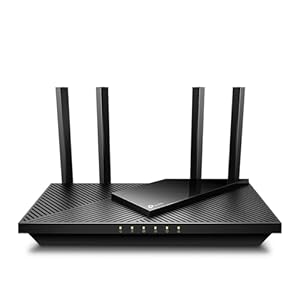
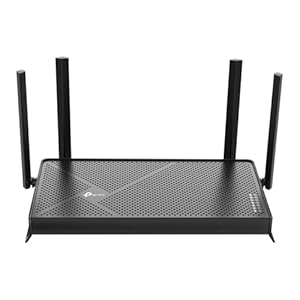
The included Google Fiber router supports Wi-Fi 6E, providing fast wireless speeds across the 2.4 GHz, 5 GHz, and 6 GHz bands. For homes that need extended coverage, Google Fiber provides additional mesh points at no extra cost with the 2 Gig plan and above. Customers on the 1 Gig plan can purchase additional mesh points for $10/mo each or use their own third-party mesh system.
Google Fiber also provides a 1 Gbps Ethernet port on the fiber terminal for users who prefer wired connections. The 2 Gig and higher plans include a 10 Gbps Ethernet port, allowing compatible devices to take full advantage of multi-gigabit speeds. This is particularly valuable for home lab setups, NAS devices, and high-performance workstations.
Customer Experience and Support
Google Fiber consistently earns top ratings for customer satisfaction in J.D. Power's residential internet service provider studies. The company's customer-first approach includes transparent pricing (no hidden fees or promotional bait-and-switch tactics), responsive phone and chat support, and proactive service monitoring that can detect and address network issues before they impact customers.
Arizona customers can reach Google Fiber support via phone, chat, or email. The company also maintains a comprehensive online help center with troubleshooting guides, setup instructions, and account management tools. Google Fiber's app allows customers to manage their network, run speed tests, set up parental controls, and monitor device connections from their smartphone.
One of the most appreciated aspects of Google Fiber's customer experience is the absence of annual price increases. While Cox and CenturyLink regularly raise prices for existing customers, Google Fiber locks in the monthly rate at signup and does not increase it. This predictability simplifies budgeting and eliminates the frustration of annual price negotiations that plague traditional ISP relationships.
Is Google Fiber Worth It in Arizona?
For Arizona residents in Google Fiber's service area, the answer is an emphatic yes. Google Fiber offers the fastest, most reliable, and most fairly priced internet service available in the Phoenix metro. The combination of symmetrical multi-gigabit speeds, unlimited data, no contracts, no price increases, and included equipment makes it the clear market leader.
The primary limitation is availability. Google Fiber's Arizona footprint, while growing rapidly, does not yet cover the entire Phoenix metro, let alone the rest of the state. Residents in Tucson, Flagstaff, Yuma, and other Arizona cities outside the Phoenix area do not have access to Google Fiber and may not for several years, if ever.
For those in the service area, switching from Cox or CenturyLink to Google Fiber typically results in faster speeds, lower monthly costs (especially when factoring in Cox's equipment fees and data cap charges), and a significantly better customer experience. The free installation removes any financial barrier to trying the service.
Frequently Asked Questions About Google Fiber in Arizona
When will Google Fiber be available at my Arizona address?
Google Fiber's Arizona buildout is ongoing. Enter your address on the Google Fiber website to check current availability. If service is not yet available, you can register for updates. Construction in the Phoenix metro is expected to continue through at least 2027.
Does Google Fiber have data caps in Arizona?
No. All Google Fiber plans include unlimited data with no caps, throttling, or overage charges. This applies to every speed tier from 1 Gig through 8 Gig.
Can I keep my current phone number if I switch to Google Fiber?
Google Fiber is an internet-only service and does not offer traditional phone service. However, you can use any VoIP service (such as Google Voice, Ooma, or magicJack) over your Google Fiber connection to make and receive phone calls. Number porting to a VoIP service is handled by the VoIP provider, not Google Fiber.
Does Google Fiber offer TV service in Arizona?
Google Fiber discontinued its traditional TV service in most markets in favor of recommending streaming platforms. Arizona customers can pair their Google Fiber internet with any streaming service of their choice, including YouTube TV, Hulu + Live TV, or Sling TV.
What happens if I move within Arizona?
If you move to another address within Google Fiber's Arizona service area, you can transfer your service to the new address at no charge. If the new address is outside Google Fiber's coverage, you can cancel without any early termination fee since there is no contract.
Is Google Fiber available for apartments in Arizona?
Google Fiber serves both single-family homes and multi-dwelling units (apartments and condos) in Arizona. Availability in apartments depends on whether Google Fiber has an agreement with the property management company. Many apartment complexes in the East Valley have partnered with Google Fiber, but availability varies by building. Contact your property manager or check the Google Fiber website to confirm availability at your specific apartment address.
Google Fiber and Arizona's Broadband Landscape
Arizona ranks in the upper half of US states for broadband availability, with approximately 89% of residents having access to at least one provider offering 100 Mbps or faster service. However, the state's broadband landscape has been heavily concentrated around a few dominant providers, primarily Cox Communications in the Phoenix and Tucson metros and CenturyLink in more suburban and rural areas.
Google Fiber's entry into Arizona has disrupted this dynamic in several important ways. First, it has introduced genuine price competition at the gigabit tier. Before Google Fiber, Cox's Gigablast plan at $109.99/mo with data caps was the fastest widely available residential option in the Phoenix metro. Google Fiber's 1 Gig plan at $70/mo with unlimited data forced Cox to reconsider its pricing and data cap policies in the market.
Second, Google Fiber's presence has accelerated infrastructure investment by incumbents. Cox has increased its fiber-to-the-home deployments in Arizona neighborhoods where Google Fiber is building, and CenturyLink has upgraded DSL-only areas to fiber in select locations. This competitive pressure benefits all Arizona broadband consumers, even those who do not choose Google Fiber.
Third, Google Fiber has set a new standard for customer experience in the Arizona market. The combination of transparent pricing, no contracts, no data caps, and responsive support has raised consumer expectations for what an ISP should deliver. Arizona residents who previously accepted Cox's 1.25 TB data cap as normal are now aware that unlimited data is available at a lower price point.
BEAD Funding and Arizona's Broadband Future
Arizona is set to receive approximately $993 million in federal Broadband Equity, Access, and Deployment (BEAD) program funding to expand broadband infrastructure to unserved and underserved areas. While BEAD funding primarily targets rural areas where Google Fiber is unlikely to build, the overall investment in Arizona's broadband infrastructure will improve connectivity statewide.
Google Fiber's expansion in the Phoenix metro complements BEAD-funded rural buildouts by ensuring that Arizona's largest population center has world-class broadband infrastructure. Together, these initiatives position Arizona as one of the better-connected states in the country by the end of the decade.
Google Fiber Performance for Common Activities in Arizona
Arizona's unique climate and demographics create specific broadband demands that Google Fiber is well-positioned to serve:
Remote Work
The Phoenix metro has experienced explosive growth in remote workers, particularly in the technology and financial services sectors. Google Fiber's symmetrical speeds are ideal for remote work that involves video conferencing, VPN connections to corporate networks, and large file transfers. A household with two remote workers simultaneously on video calls while a student attends virtual classes will have no performance issues on even the base 1 Gig plan.
Gaming and Esports
Arizona has a growing esports community, particularly around Arizona State University. Google Fiber's low latency (typically 1–5 ms to nearby servers) and high speeds make it the best available connection for competitive gaming. The symmetrical upload speed ensures smooth performance in games that require real-time data exchange, such as first-person shooters and battle royale titles.
Streaming and Entertainment
With Arizona's hot summers driving residents indoors for months at a time, streaming entertainment is a primary broadband use case. Google Fiber's unlimited data and high speeds support multiple simultaneous 4K streams without any degradation. A family of four streaming on four separate devices simultaneously uses roughly 60–80 Mbps total, well within Google Fiber's capacity on any plan.
Smart Home and IoT Devices
Arizona's new construction boom means many homes come pre-wired for smart home technology. Google Fiber's included Wi-Fi 6E router and optional mesh nodes provide excellent coverage for smart thermostats, security cameras, smart locks, and other IoT devices. The 6 GHz band support is particularly valuable for reducing interference in dense smart home environments with dozens of connected devices.
How to Sign Up for Google Fiber in Arizona
- Check availability at fiber.google.com by entering your Arizona address
- Choose your plan from the four available speed tiers (1 Gig through 8 Gig)
- Schedule installation — free professional installation typically available within 1–2 weeks of sign-up
- Prepare your home — ensure a clear path from the exterior of your home to the interior location where you want the fiber terminal installed
- Enjoy fiber internet — most installations are completed within 1–2 hours, and you can begin using service immediately after setup
Google Fiber does not require a credit check or deposit for residential service in Arizona. There is no activation fee, and the first month of service is prorated from your installation date. You can manage your account, pay bills, and access support through the Google Fiber app or website.
Google Fiber Arizona: The Bottom Line
Google Fiber has established itself as the premier internet service provider in the Phoenix metropolitan area. With symmetrical speeds up to 8 Gbps, unlimited data, no contracts, transparent pricing, and free professional installation, Google Fiber offers a broadband experience that no other Arizona provider can match on the combined merits of speed, value, and customer satisfaction.
The main consideration for Arizona residents is simply whether Google Fiber has reached their address. The company's buildout is progressing rapidly across the East Valley and into central Phoenix, but coverage gaps remain. For residents in areas where Google Fiber is available, it is the recommended choice for households that value fast, reliable, and fairly priced internet service. For those still waiting, signing up for availability notifications ensures you will be among the first to know when construction reaches your neighborhood.
Arizona's broadband future is bright, with Google Fiber's expansion, Cox's competitive response, federal BEAD funding for rural areas, and T-Mobile's 5G Home Internet all contributing to a more connected state. Among these options, Google Fiber stands out as the gold standard for residential broadband performance and value in the markets it serves.
Sources & Methodology
Coverage data, plan details, and pricing are compiled from FCC Broadband Data Collection filings, provider-published broadband nutrition labels, and U.S. Census Bureau demographic data including population and median household income figures from the American Community Survey. Pricing, speeds, and availability are verified against provider broadband nutrition labels and may vary by location. For a detailed explanation of our data collection and scoring process, see our methodology page.
Data Sources
- FCC Broadband Data Collection
- U.S. Census Bureau American Community Survey
- USAC Universal Service Fund
- NTIA Internet Use Survey
Last verified: March 2026. InternetProviders.ai is an independent resource. We may earn commissions from partner links — this does not affect our editorial recommendations. See our methodology for details.