HughesNet Internet in Connecticut at a Glance
HughesNet delivers satellite internet across 100% of Connecticut, offering plans from 25 Mbps to 200 Mbps starting at $49.99 per month. As a satellite provider, HughesNet is especially valuable in Connecticut's rural and underserved communities where cable and fiber infrastructure has not been built, providing reliable broadband via its orbiting Jupiter satellite system.
About HughesNet Satellite Internet in Connecticut
HughesNet is one of the nation's leading satellite internet providers, delivering broadband service to customers across Connecticut using its advanced Jupiter satellite system in geostationary orbit. Unlike cable or fiber, HughesNet does not require ground-based infrastructure to reach your home. A small satellite dish installed on your property communicates directly with a satellite 22,000 miles above the equator, meaning service is available anywhere in Connecticut with a clear view of the southern sky, from Bridgeport, New Haven, and Hartford to the most remote corners of the state.
While Connecticut is densely populated overall, the northwestern Litchfield Hills and northeastern Quiet Corner regions include rural communities with aging broadband infrastructure. For these communities, HughesNet provides a modern broadband connection that simply cannot be matched by the limited or nonexistent wired options available. Connecticut features rolling hills, the Connecticut River Valley, Long Island Sound coastline, and the northwest highlands of the Berkshire foothills. HughesNet's satellite technology overcomes these geographic barriers by beaming internet directly to your home regardless of terrain or distance from urban infrastructure.
Connecticut's Litchfield County and Windham County contain rural pockets where DSL is often the only wired alternative, delivering speeds below 10 Mbps. HughesNet's base 25 Mbps plan already surpasses these legacy connections, and its top-tier 200 Mbps Fusion plan provides a meaningful upgrade for households that need to stream video, attend video calls, or connect multiple devices simultaneously.
HughesNet Plans Available in Connecticut (2026)
HughesNet offers four satellite internet tiers to Connecticut customers. Each plan uses the Jupiter satellite system and includes built-in Wi-Fi. The Fusion plans add a secondary ground-based connection to reduce latency for time-sensitive tasks like video calls and web browsing.
| Plan Name | Download Speed | Data Priority | Monthly Price | Technology |
|---|---|---|---|---|
| Select | 25 Mbps | 100 GB | $49.99/mo | Satellite |
| Elite | 50 Mbps | 200 GB | $74.99/mo | Satellite |
| Fusion 100 | 100 Mbps | 100 GB | $99.99/mo | Satellite + Wireless |
| Fusion 200 | 200 Mbps | 200 GB | $149.99/mo | Satellite + Wireless |
Understanding HughesNet Data Priority
HughesNet plans in Connecticut include a set amount of priority data each month. During your priority data window, your connection receives full speed allocation. Once you exceed your priority data threshold, speeds may be reduced during periods of network congestion, though you will still have internet access. This is different from a hard data cap; your connection is never completely shut off. For typical Connecticut households that stream occasional video and browse the web, the Select plan's 100 GB of priority data is sufficient for roughly 40 hours of HD streaming or 200 hours of standard-definition content per month.
Which HughesNet Plan Is Right for Your Connecticut Home?
The right HughesNet plan depends on your household size and internet habits. For individuals or couples in Connecticut who primarily browse the web, check email, and stream occasional video, the Select plan at 25 Mbps offers a budget-friendly entry point. Families with multiple users should consider the Elite plan, which doubles both speed and data priority to handle simultaneous streaming and browsing. If you work from home or attend regular video conferences, the Fusion plans are worth the premium because the hybrid satellite-wireless technology reduces latency to improve quality and page load times.
HughesNet Installation and Equipment in Connecticut
Professional installation is included with every HughesNet plan in Connecticut. A certified technician visits your home to mount the satellite dish, run cabling, and configure the HughesNet modem and built-in Wi-Fi router. The installation typically takes two to three hours and is scheduled within one to two weeks of order placement.
Equipment Details
Every Connecticut HughesNet installation includes the following equipment at no additional upfront cost:
- Satellite Dish: A compact dish mounted on your roof, exterior wall, or ground pole with a clear southern sky view
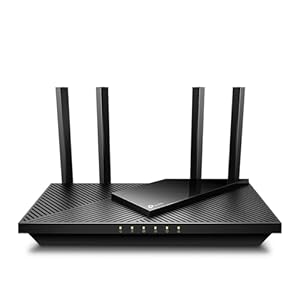
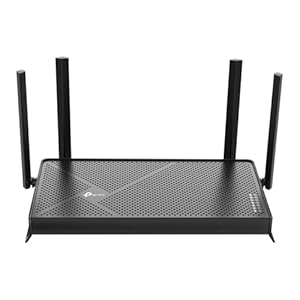
- HughesNet Modem: Connects your home network to the satellite signal with built-in dual-band Wi-Fi
- Ethernet Ports: Two Ethernet ports on the modem for wired connections to desktop computers or gaming consoles
Connecticut homeowners should note that the dish requires an unobstructed sightline to the southern sky. Properties surrounded by tall trees or positioned on north-facing slopes may require a taller mounting pole. Your installation technician will assess the optimal placement during the visit.
Self-Installation Option
HughesNet does not currently offer a self-installation option for satellite internet in Connecticut. Because precise dish alignment is critical for signal quality, professional installation ensures your system is calibrated correctly from day one. The technician uses specialized tools to align the dish within fractions of a degree for optimal signal strength.
HughesNet Performance and Latency in Connecticut
Satellite internet inherently involves higher latency than cable or fiber connections because data must travel 22,000 miles to the satellite and back. For HughesNet's standard satellite plans in Connecticut, expect latency of approximately 600 to 700 milliseconds. This latency is noticeable in real-time activities like competitive online gaming and live video calls, but it does not significantly impact web browsing, email, social media, or streaming video.
Fusion Plans: Reducing Latency for Connecticut Users
The Fusion 100 and Fusion 200 plans address the latency challenge by routing time-sensitive traffic through a secondary ground-based wireless connection. For Connecticut Fusion customers, this hybrid approach can reduce effective latency to 100 to 300 milliseconds for web browsing, DNS lookups, and VoIP calls. Bulk downloads and streaming still use the satellite link for maximum throughput, while interactive tasks benefit from the faster ground connection. This makes the Fusion plans a practical choice for Connecticut remote workers who need responsive web applications and video conferencing.
Weather Impact on Satellite Performance
Connecticut experiences all four seasons, including nor'easters and occasional heavy thunderstorms. Severe weather can temporarily degrade satellite signal strength, a phenomenon known as rain fade. During heavy rain or thick cloud cover, you may experience reduced speeds or brief signal interruptions lasting minutes to an hour. Snowfall itself does not typically cause problems, but if snow accumulates on the satellite dish, you may need to clear it to restore optimal signal. Most Connecticut customers report that weather-related disruptions are infrequent and brief, affecting service a few hours per year at most.
HughesNet Coverage Across Connecticut
HughesNet's satellite coverage blankets 100% of Connecticut. Unlike cable and fiber providers that serve specific municipalities and neighborhoods, HughesNet is available at any Connecticut address with a clear view of the southern sky. This includes every county in the state:
- Fairfield County: Bridgeport, Stamford, Norwalk, Danbury, and surrounding towns
- Hartford County: Hartford, New Britain, Bristol, West Hartford, and suburban communities
- New Haven County: New Haven, Waterbury, Meriden, Hamden, and coastal towns
- New London County: New London, Norwich, Groton, and the southeastern shoreline
- Litchfield County: Torrington, New Milford, rural Litchfield Hills communities
- Middlesex County: Middletown, Clinton, Old Saybrook, and the Connecticut River corridor
- Tolland County: Vernon, Coventry, and northeastern suburban areas
- Windham County: Willimantic, Putnam, and the rural Quiet Corner
While HughesNet is available everywhere, it is most valuable in the rural areas of Litchfield County and Windham County where wired broadband options are limited. In urban centers like Hartford and New Haven, residents typically have access to faster cable or fiber connections, making HughesNet a backup option rather than a primary choice in those areas.
How HughesNet Compares to Other Connecticut Internet Providers
Connecticut has a competitive broadband market in its urban corridors, but the landscape changes dramatically in rural areas. Here is how HughesNet stacks up against the major alternatives available across the state:
| Provider | Technology | Max Speed | Starting Price | Data Cap | Rural Availability |
|---|---|---|---|---|---|
| HughesNet | Satellite | 200 Mbps | $49.99/mo | Priority data | 100% |
| Xfinity (Comcast) | Cable/Fiber | 2 Gbps | $35/mo | 1.2 TB | Limited rural |
| Frontier Fiber | Fiber | 5 Gbps | $49.99/mo | None | Select areas |
| Optimum/Altice | Cable/Fiber | 1 Gbps | $40/mo | None | Limited rural |
| T-Mobile Home Internet | 5G/LTE | 245 Mbps | $50/mo | None | Where tower capacity exists |
| Starlink | LEO Satellite | 220 Mbps | $120/mo | Priority data | 100% |
HughesNet vs. Starlink in Connecticut
Connecticut residents considering satellite internet often weigh HughesNet against Starlink. Starlink's low-earth-orbit satellites deliver lower latency (typically 25 to 60 milliseconds) and comparable top speeds, but the equipment cost is significantly higher at $599 versus HughesNet's included installation. HughesNet's monthly pricing starts lower at $49.99 compared to Starlink's $120 per month. For budget-conscious Connecticut households that primarily need basic broadband for browsing and streaming, HughesNet offers a more affordable entry point. For households that need lower latency for gaming or frequent video calls, Starlink may justify the premium cost.
When HughesNet Is the Best Choice in Connecticut
HughesNet is the strongest option for Connecticut residents who live in areas where cable and fiber are unavailable, want predictable monthly costs without high equipment fees, and use the internet primarily for web browsing, email, social media, and moderate streaming. It is not the best fit for competitive online gaming, households with five or more heavy streamers, or users who routinely transfer large files exceeding several hundred gigabytes per month.
HughesNet Contract Terms and Fees in Connecticut
HughesNet plans in Connecticut come with a 24-month service agreement. If you cancel before the agreement ends, an early termination fee applies. The fee starts at $400 and decreases by approximately $15 for each month of completed service. After 24 months, you can continue service on a month-to-month basis with no further commitment.
Additional Fees to Know
- Equipment lease fee: $14.99/month (included in plan pricing above)
- Express Repair: Optional $9.99/month add-on for next-business-day technician visits
- Late payment fee: Up to $10 if payment is more than 30 days past due
- Returned equipment fee: If you cancel and do not return the modem within 45 days, a $300 unreturned equipment fee applies
Connecticut residents should factor in the 24-month commitment when evaluating HughesNet. If you anticipate fiber or cable becoming available in your area within the next two years, you may want to consider month-to-month alternatives like T-Mobile Home Internet (where available) to avoid potential early termination fees.
Connecticut's Broadband Landscape and Rural Connectivity
Connecticut ranks among the top states for broadband access overall, with approximately 97% of households having access to wired broadband speeds of 25 Mbps or more. However, the remaining 3% represents tens of thousands of households concentrated in the state's rural northwest and northeast corners. These communities in towns like Canaan, Cornwall, Sharon, Eastford, and Pomfret often lack cable infrastructure entirely, relying on DSL connections that deliver single-digit megabit speeds.
The state has invested in broadband expansion through the Connecticut State Broadband Office and federal BEAD (Broadband Equity, Access, and Deployment) funding. Connecticut received approximately $144 million in BEAD funding to expand high-speed internet to unserved and underserved areas. While these infrastructure projects will take several years to complete, HughesNet provides immediate broadband access today for households that cannot wait for fiber construction to reach their area.
Municipal Broadband Efforts
Several Connecticut towns have explored municipal broadband solutions, including Middletown's pilot program and various cooperative efforts in the Litchfield Hills. These projects show promise but progress slowly due to funding constraints and regulatory requirements. In the interim, satellite internet remains the most practical broadband solution for Connecticut's rural residents who need internet access now rather than waiting three to five years for infrastructure buildout.
Frequently Asked Questions: HughesNet in Connecticut
Is HughesNet available at my Connecticut address?
Yes. HughesNet satellite internet is available at every address in Connecticut. The only requirement is a clear view of the southern sky for the satellite dish. Enter your address on the HughesNet website or to confirm service availability and plan options for your specific location.
What speeds can I expect from HughesNet in Connecticut?
HughesNet plans offer download speeds ranging from 25 Mbps to 200 Mbps. Actual speeds depend on network congestion, weather conditions, and the satellite beam serving your area. The FCC's latest Measuring Broadband America report shows HughesNet consistently delivering 90% or more of advertised download speeds during non-peak hours.
Can I stream Netflix and other video services with HughesNet?
Yes. HughesNet's 25 Mbps plan supports one to two simultaneous HD streams. The 50 Mbps Elite plan handles three or more HD streams comfortably. For 4K streaming, the Fusion plans provide the speed needed, though 4K video consumes priority data more quickly. A two-hour 4K movie uses approximately 7 GB of data, so budget your priority data accordingly.
Does HughesNet work during Connecticut snowstorms?
HughesNet generally works during snowstorms, though heavy precipitation can cause temporary signal degradation known as rain fade. If snow accumulates on the dish, signal quality may drop until the dish is cleared. Most Connecticut customers report only a few hours of weather-related disruptions per year.
Can I use HughesNet for remote work in Connecticut?
HughesNet supports remote work activities including email, cloud document editing, and web-based applications. For frequent video conferencing, the Fusion plans are recommended because the hybrid technology reduces latency for real-time communication. Standard satellite plans work for occasional video calls but may have noticeable delay during interactive conversations.
How does HughesNet compare to Frontier DSL in rural Connecticut?
In many rural Connecticut areas, Frontier DSL delivers speeds of 1 to 6 Mbps. Even HughesNet's entry-level 25 Mbps plan delivers four to twenty-five times faster download speeds. If Frontier Fiber is available at your address, it will outperform HughesNet, but in areas where only Frontier DSL exists, HughesNet is typically the faster option.
HughesNet Customer Experience in Connecticut
Connecticut HughesNet customers report a generally positive experience with installation and initial setup. The professional installation process is well-regarded, with technicians typically arriving within the scheduled window and completing the setup in two to three hours. The built-in Wi-Fi on the HughesNet modem covers most single-story Connecticut homes adequately, though larger colonial-style homes common in the state may benefit from a Wi-Fi extender for consistent coverage in distant rooms.
Customer Support Options
HughesNet provides 24/7 phone support for Connecticut customers, along with an online chat option and a community forum. Common support topics include troubleshooting slow speeds during peak hours, resetting the modem, and managing data usage through the HughesNet mobile app. The app allows Connecticut subscribers to monitor their priority data consumption in real time, set data alerts, and pause Wi-Fi access for specific devices, which helps families manage household usage effectively.
HughesNet Bonus Zone for Connecticut Users
All HughesNet plans in Connecticut include access to the Bonus Zone, a daily window from 2:00 AM to 8:00 AM Eastern Time when data usage does not count against your priority data allocation. Connecticut users who schedule large downloads, software updates, or cloud backups during these hours can effectively double their usable data. The Bonus Zone is particularly useful for Connecticut families who use automatic system updates on computers and gaming consoles, as scheduling these updates overnight preserves priority data for daytime use.
How to Switch to HughesNet in Connecticut
Switching to HughesNet from another internet provider in Connecticut involves a straightforward process:
- Check availability: Visit the HughesNet website or to confirm service at your Connecticut address and review available plans.
- Choose your plan: Select from the four available tiers based on your speed, data, and budget needs.
- Schedule installation: A professional technician will be assigned to install your satellite dish and modem within one to two weeks of order placement.
- Installation day: The technician mounts the dish, runs cabling, configures the modem, and tests the connection. You will be online before the technician leaves.
- Cancel your old service: Once you confirm HughesNet is working satisfactorily, contact your previous internet provider to cancel. Be aware of any early termination fees from your current provider.
Connecticut residents switching from DSL or dial-up will notice an immediate improvement in speed and reliability. Those switching from cable may need to adjust expectations around latency, particularly for gaming and real-time applications, but will benefit from consistent availability regardless of their physical location in the state.
How HughesNet Satellite Technology Works in Connecticut
Understanding the technology behind HughesNet helps Connecticut customers set realistic expectations and make informed decisions. HughesNet operates on the Jupiter satellite platform, which includes the EchoStar XIX and Jupiter 3 satellites positioned in geostationary orbit approximately 22,236 miles above the equator. From this position, each satellite maintains a fixed location relative to the Earth's surface, which is why your dish remains stationary once installed rather than needing to track a moving target.
Data travels from your Connecticut home to the satellite at the speed of light, then back down to a HughesNet ground station, across the terrestrial internet, and then makes the return trip. This round trip of approximately 90,000 miles takes roughly 600 milliseconds, which explains the latency inherent in geostationary satellite internet. The Jupiter 3 satellite, launched in 2023, added over 500 Gbps of capacity to the HughesNet network, which helps maintain consistent speeds even as customer counts grow.
For Connecticut customers on Fusion plans, the system intelligently routes traffic based on latency sensitivity. Web page requests, DNS lookups, and VoIP packets are routed through the terrestrial wireless connection for faster response times, while large file downloads and streaming video use the high-throughput satellite link for maximum bandwidth. This dual-path architecture is managed automatically by the HughesNet modem with no configuration required from the customer.
Check HughesNet Availability in Connecticut
Coverage availability is consistent across Connecticut, though actual download speeds and latency can vary based on network congestion, weather conditions, and the specific satellite beam serving your area. Rural households in Connecticut that previously relied on dial-up or mobile hotspots often find HughesNet satellite service to be a significant improvement. To confirm service availability and the specific plans offered at your location in Connecticut, visit the HughesNet website or their dedicated sales line. Enter your street address and ZIP code for an instant availability check.