Internet available everywhere with speeds up to 100 Mbps
HughesNet offers satellite internet available everywhere in the continental US, starting at $39.99/month for 25 Mbps with 15 GB priority data. Plans include 50 GB bonus data during off-peak hours. HughesNet requires a 24-month contract but provides reliable connectivity for rural areas with no other options.
Based on HughesNet pricing data as of February 2026.
HughesNet Internet Plans and Prices
| Plan Name | Download Speed | Priority Data | Promo Price | Regular Price |
|---|---|---|---|---|
| Lite | 25 Mbps | 15 GB/month | $39.99/mo | $64.99/mo |
| Select | 50 Mbps | 100 GB/month | $49.99/mo | $74.99/mo |
| Elite | 100 Mbps | 200 GB/month | $64.99/mo | $89.99/mo |
| Fusion | 100 Mbps | 200 GB/month | $94.99/mo | $119.99/mo |
All plans include 50 GB bonus data from 2am-8am. Promotional prices require 24-month commitment. Upload speed is 3 Mbps on all plans. Prices as of February 2026.
HughesNet Plan Options
HughesNet Select - Best Value
Technology: GEO Satellite
Speeds: 50 Mbps download / 3 Mbps upload
Data: 100 GB priority + 50 GB bonus (2am-8am)
Price: $49.99/mo (promo) - $74.99/mo (regular)
Best for: Most rural households, streaming, web browsing
Equipment and Installation Options
When signing up for HughesNet, you can choose between professional installation and self-installation depending on your connection type. Professional installation typically costs $50-100 and includes equipment setup, line testing, and WiFi optimization for your home layout. Self-installation kits are available for most plans and include step-by-step instructions, all necessary cables, and a preconfigured modem or gateway device. Self-installation takes approximately 30-60 minutes and saves on setup costs.
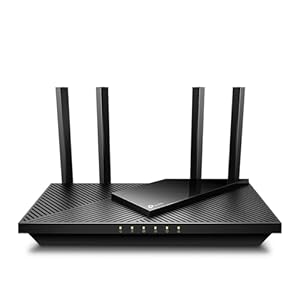
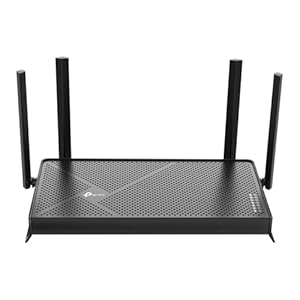
For equipment, HughesNet offers the option to rent a modem and WiFi router for a monthly fee or use your own compatible equipment. Purchasing your own modem and router costs $140-250 upfront but saves $10-15 per month in rental fees, paying for itself within 12-18 months. If you choose to rent, the provider handles all firmware updates and equipment replacements at no additional charge. to check availability and current promotions.
HughesNet Elite - Heavy Users
Technology: GEO Satellite
Speeds: 100 Mbps download / 3 Mbps upload
Data: 200 GB priority + 50 GB bonus (2am-8am)
Price: $64.99/mo (promo) - $89.99/mo (regular)
Best for: Multiple users, heavy streaming, remote work
HughesNet Fusion - Low Latency
Technology: Satellite + Terrestrial Wireless Hybrid
Speeds: 100 Mbps download / 3 Mbps upload
Data: 200 GB priority + 50 GB bonus (2am-8am)
Price: $94.99/mo (promo) - $119.99/mo (regular)
Best for: Video calls, interactive applications, lower latency needs
Understanding HughesNet Satellite Internet
What to Expect from Satellite Internet
HughesNet uses geostationary satellites 22,000 miles above Earth. This means internet is available anywhere with a clear view of the southern sky. However, the distance creates latency (delay) of 600-800ms, which affects real-time applications like video games and video calls.
How Priority Data Works
HughesNet plans include a monthly allotment of "priority data" at full speed. After using this amount, speeds are reduced to approximately 3 Mbps for the rest of the month. Service is never cut off - you can still browse, email, and do basic tasks. Data resets on your billing date.
Bonus Zone Explained
All HughesNet plans include 50 GB of additional data during the "Bonus Zone" from 2am to 8am. This is ideal for scheduling large downloads, system updates, or streaming during early morning hours.
Fusion: Lower Latency Option
HughesNet Fusion combines satellite with a ground-based wireless connection. Time-sensitive data (like video calls) routes through the terrestrial connection, while bulk data uses the satellite. This significantly improves performance for interactive applications.
HughesNet Coverage and Availability
HughesNet provides satellite internet service to 100% of the continental United States. As a geostationary satellite provider, HughesNet offers reliable connectivity regardless of how rural your location is. If you can see the southern sky, you can get HughesNet. This makes it an essential option for rural Americans with no access to cable, fiber, or DSL.
Who is HughesNet Best For?
- Rural areas with no cable, fiber, or DSL service
- Farm and ranch properties outside town limits
- Remote vacation cabins and second homes
- Small businesses in underserved areas
- Users who need reliable backup internet
HughesNet Key Features
- 100% US Coverage: Available everywhere in the continental US
- Price Lock Guarantee: Rate locked for 2 years
- 50 GB Bonus Data: Free additional data from 2am-8am
- Fusion Option: Lower latency for video calls
- DISH Bundle Discount: Save $10/mo for 24 months with DISH TV
- $100 Prepaid Mastercard: Rebate on Select, Elite, and Fusion plans
- Professional Installation: Included with equipment lease
Equipment and Installation
HughesNet equipment can be leased for $99 (normally $199) or purchased outright. Installation is performed by a professional technician who aligns the satellite dish for optimal signal. The installation appointment typically takes 2-4 hours. Monthly equipment lease fees may apply after the promotional period.
Compare HughesNet to Other Providers
- Viasat Satellite Internet
- Starlink Satellite Internet
- T-Mobile 5G Home Internet
- Verizon 5G Home Internet
- Rural Internet Options
- Satellite Internet Guide
- Understanding Data Caps
- HughesNet vs Viasat Comparison
- HughesNet vs Starlink Comparison
- Best Internet for Streaming
- Internet for Working from Home
- Low Latency Internet Options
Last updated: February 2, 2026
Reviewed by: Editorial Team
Making the Right Choice
Selecting the right internet provider is a decision that impacts your daily digital life for months or even years to come. When evaluating HughesNet alongside other options in your area, consider not just the advertised speed and price, but the total value proposition including reliability, customer support quality, equipment costs, and contract flexibility. Read recent customer reviews from users in your specific area, as service quality can vary between regions. Take advantage of any trial periods or money-back guarantees to test the service before making a long-term commitment. Remember that the cheapest plan is not always the best value when you factor in hidden fees, data caps, and potential speed throttling during peak hours. Investing a little more each month for a reliable, high-speed connection often pays dividends in productivity, entertainment quality, and overall household satisfaction with your internet service.
Disclosure: Some of the links on this page are affiliate links. We may receive compensation when you click through and make a purchase. This does not affect our rankings or reviews. Our editorial content is based on objective research and analysis.
Hughesnet Customer Experience
The customer experience with Hughesnet encompasses everything from initial sign-up through daily use and ongoing support. Understanding what to expect helps you make an informed decision.
Ordering and installation: New customers can typically order service online or by phone. Professional installation is usually completed within 3-7 business days. Some plans qualify for self-installation, which eliminates the wait time and installation fee.
Account management: Hughesnet provides online account access where you can view your bill, monitor data usage, manage your plan, and troubleshoot common issues. Mobile app functionality allows you to manage your account, check your connection status, and contact support from your phone.
Technical support: When issues arise, Hughesnet offers multiple support channels including phone, chat, and online troubleshooting guides. Response times vary by channel and time of day. For urgent connectivity issues, phone support typically provides the fastest resolution.
Plan flexibility: Most Hughesnet plans allow upgrades or downgrades without early termination fees. If your needs change — whether you're adding remote workers, streamers, or downsizing — you can adjust your plan accordingly.
Frontier Fiber Internet Available Here
Frontier Fiber offers 100% fiber-optic internet with speeds up to 5 Gbps, no contracts, and no data caps. Plans start at $49.99/mo.
to check availability:
Frontier Fiber Hub · Plans & Pricing · Check Availability
Data and methodology details are available on our research methodology page. Speeds, prices, and availability are verified against provider websites and FCC broadband data as of 2026.
Sources
This content references data from FCC Broadband Map, U.S. Census Bureau, HughesNet. Pricing and availability are subject to change.
Market Context
The broadband market concentration in the United States served by providers like HughesNet varies based on population density and infrastructure investment. According to FCC broadband deployment data, median household income and population density are key factors in service availability and pricing. The BEAD (Broadband Equity, Access, and Deployment) program may expand options in underserved areas of the United States.