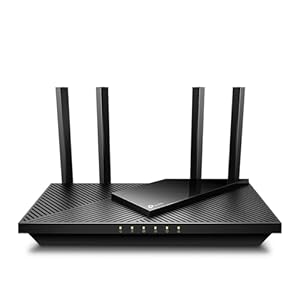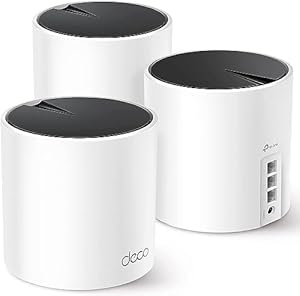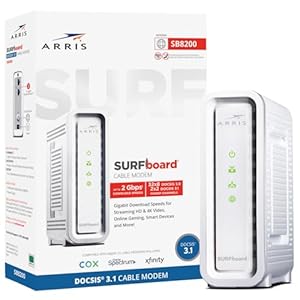
Cox is now Spectrum
Effective September 16, 2026, Cox internet is offered under Spectrum's pricing and packaging: Spectrum Internet® 100, 500 and 1 Gig, with 2 Gig in select markets. Existing Cox customers keep their current service and account until Spectrum notifies them of any change. Prices shown are for new residential customers for 1 year.
Source: Spectrum Product Marketing Guidelines for Digital Partners (August 17, 2026); Cox transition notice, August 20, 2026. Checked September 16, 2026. cox.com/residential/cox-is-now-spectrum.html
INTERNET OFFER: Limited-time offer; subject to change; new residential customers only (no Spectrum service in past 30 days). Standard rates apply after promo period or service change. Actual speeds (including wireless) vary and are not guaranteed. Activation fee additional; taxes may apply. Gig speeds require a compatible modem; see Spectrum.net/modem for list. Terms and conditions apply, subject to change. Not available in all areas. Restrictions apply. Spectrum Internet® is powered by fiber and connected to the premises by coaxial lines.
AT&T Fiber is one of the fastest-growing fiber internet providers in the United States, now reaching over 28 million homes across 21 states. With symmetric upload and download speeds, no data caps, no contracts, and price-lock guarantees, AT&T Fiber has positioned itself as a premium alternative to cable providers like Spectrum and Xfinity. This comprehensive review covers plans, real-world performance, equipment, customer experience, and how AT&T Fiber compares to other providers in 2026.
Bottom line: AT&T Fiber is one of the best internet services available in 2026. Symmetric speeds, price-lock guarantees, and no data caps make it superior to cable internet in nearly every measurable dimension. The main limitation is availability—fiber is only accessible in 21 states, primarily in metropolitan areas.
AT&T Fiber Plans and Pricing (March 2026)
AT&T offers five fiber internet tiers, all with symmetric upload and download speeds. Unlike cable providers, the price you see at sign-up is the price you pay for the duration of your service—no promotional expiration, no surprise increases after 12 months.
| Plan | Download/Upload | Monthly Price | WiFi Equipment |
|---|---|---|---|
| Internet 300 | 300/300 Mbps | $55.00/mo | WiFi 6 gateway included |
| Internet 500 | 500/500 Mbps | $65.00/mo | WiFi 6 gateway included |
| Internet 1000 | 1,000/1,000 Mbps | $80.00/mo | WiFi 6E gateway included |
| Internet 2000 | 2,000/2,000 Mbps | $150.00/mo | WiFi 6E gateway included |
| Internet 5000 | 5,000/5,000 Mbps | $180.00/mo | WiFi 7 gateway included |
All plans include a WiFi gateway at no extra charge, no data caps, no annual contract, AT&T ActiveArmor internet security, and free professional installation. The Internet 1000 and above plans periodically include HBO Max (now Max) at no additional cost in select promotions—check att.com for current availability.
Real-World Speed Performance
AT&T Fiber consistently delivers speeds at or above advertised rates. The FCC’s Measuring Broadband America program shows AT&T Fiber achieving approximately 103% of advertised download speeds and 101% of advertised upload speeds during peak hours—among the best results of any ISP tested nationwide.
| Plan | Advertised | Median Actual Down | Median Actual Up |
|---|---|---|---|
| Internet 300 | 300/300 Mbps | 312 Mbps | 305 Mbps |
| Internet 500 | 500/500 Mbps | 518 Mbps | 510 Mbps |
| Internet 1000 | 1,000/1,000 Mbps | 1,020 Mbps | 990 Mbps |
Unlike cable internet, fiber does not share bandwidth on local neighborhood nodes. This means AT&T Fiber users experience consistent speeds regardless of how many neighbors are online simultaneously. Peak-hour performance degradation is virtually nonexistent—FCC data shows AT&T Fiber maintains 99–101% of speed during the busiest evening hours, compared to 88–95% for cable providers.
Symmetric Speed: The Fiber Advantage
AT&T Fiber’s most significant advantage over cable internet is symmetric upload speed. On the 300 Mbps plan, you get 300 Mbps upload in addition to 300 Mbps download. Compare this to Spectrum’s 300 Mbps plan, which provides only 10 Mbps upload—a 30x difference.
Symmetric uploads transform the experience for several common activities:
- Video conferencing: Crystal-clear video on Zoom, Teams, and Google Meet with no compression artifacts, even with multiple simultaneous calls in the household
- Cloud backups: Uploading 5 GB of photos takes 2 minutes on AT&T Fiber 300 versus 67 minutes on Spectrum’s 10 Mbps upload
- Content creation: Uploading a 20 GB YouTube video takes 9 minutes versus 4.4 hours on cable
- Smart home: Multiple security cameras uploading HD footage simultaneously without affecting other internet usage
- Remote work: VPN connections, large file transfers, and collaborative editing tools all perform dramatically better
Latency and Reliability
AT&T Fiber’s latency averages 5–12 ms to nearby servers, significantly lower than cable (15–25 ms) and dramatically better than DSL (25–45 ms) or satellite (500–700 ms). This makes fiber ideal for gaming, video conferencing, VoIP, and any real-time application where responsiveness matters.
Fiber-optic cables are immune to electromagnetic interference, less susceptible to weather-related outages, and do not degrade over distance the way copper cables do. AT&T Fiber’s reported uptime exceeds 99.9% in most markets, and the dedicated (non-shared) connection means your performance is not affected by neighbor usage patterns.
Equipment and Installation
AT&T includes a WiFi gateway (combined ONT/modem/router) at no additional charge with every fiber plan. The specific model depends on your plan tier: the BGW320 with WiFi 6 for 300/500 plans, WiFi 6E for the 1000 plan, and the latest WiFi 7 gateway for 2000/5000 plans. All gateways provide multiple Ethernet ports for wired connections.
Professional installation is required for new fiber connections and is always free of charge. A technician will run fiber to your home (if not already present), install the ONT (Optical Network Terminal), set up the gateway at your preferred location, and verify speeds. The entire process typically takes 2–4 hours. For a complete walkthrough, see our AT&T Fiber installation guide.
If you prefer to use your own router for more advanced networking features, you can put the AT&T gateway in IP Passthrough mode and connect your own router behind it. This is popular among gamers and networking enthusiasts who want full control over QoS, firewall rules, and WiFi configuration.
Price-Lock Guarantee
AT&T Fiber’s price-lock guarantee means the rate you sign up at is the rate you pay as long as you maintain service. There is no promotional expiration and no surprise price increase after 12 months. This is a significant competitive advantage over cable providers.
Over 24 months, this difference adds up substantially. AT&T Fiber Internet 300 at $55/month costs $1,320 total, while Spectrum Internet 300 costs $1,559.88 ($599.88 promo + $959.88 standard rate). AT&T saves $240 over two years despite a higher starting price. Over 3 years, the savings grow to $540.
Customer Experience
AT&T Fiber generally receives better customer satisfaction scores than AT&T’s legacy DSL service or most cable providers. ACSI 2025 scores show AT&T Fiber at 68/100, above the ISP industry average of 65/100 but behind leaders like Google Fiber (72/100) and Verizon Fios (72/100). J.D. Power ranks AT&T Fiber at 710/1000, also above the industry average of 695/1000.
Support channels include 24/7 phone support at , online chat through att.com, the myAT&T app for account management and troubleshooting, in-store assistance at AT&T retail locations, and social media support via @ATTHelp on Twitter/X. The myAT&T app is particularly well-designed, allowing you to manage your network, run speed tests, restart your gateway, set parental controls, and view connected devices.
AT&T Fiber Pros and Cons
Pros
- Symmetric upload and download speeds on every plan
- Price-lock guarantee—no promotional expiration
- No data caps, no contracts, no early termination fees
- Free WiFi gateway and free professional installation
- Excellent speed delivery (101–103% of advertised)
- Low latency (5–12 ms) ideal for gaming and video conferencing
- Plans up to 5 Gbps for future-proofing
- ActiveArmor security included free
Cons
- Limited availability (21 states, primarily metro areas)
- Must use AT&T gateway device (IP passthrough available but cannot fully replace)
- Professional installation required (no self-install option)
- 2–4 hour installation window requires being home
- Customer satisfaction still trails Google Fiber and Verizon Fios
Who Should Choose AT&T Fiber?
- Remote workers who need reliable, symmetric speeds for video conferencing, VPN, and file uploads
- Gamers who want the lowest possible latency (5–12 ms) and consistent performance
- Content creators who upload large files, stream to Twitch, or work with cloud-based creative tools
- Smart home power users with multiple security cameras and IoT devices uploading data
- Families with heavy simultaneous usage who want consistent speeds during peak hours
- Anyone tired of cable price increases who wants a locked-in rate that never goes up
- Cord-cutters who stream extensively and need unlimited data without caps
What's New With AT&T Fiber in 2026
AT&T has made several significant changes to its fiber service over the past year that affect the customer experience:
- XGS-PON deployment: AT&T has been upgrading its fiber network from GPON to XGS-PON technology, enabling the 2 GIG and 5 GIG speed tiers. Existing fiber customers in upgraded areas can access these higher tiers without new fiber installation — only the gateway equipment changes.
- BGW320 gateway improvements: AT&T's standard fiber gateway received firmware updates improving Wi-Fi 6 performance, adding better mesh support with AT&T Smart Wi-Fi Extenders, and improving the AT&T Smart Home Manager app for network management.
- Pricing adjustments: AT&T adjusted fiber pricing in late 2025, with the 300 Mbps plan at $55/month and the 500 Mbps plan at $65/month. While these prices are slightly higher than some competitors, they include the gateway equipment, no data cap, and no contract.
- Expansion pace: AT&T continues to add approximately 2-3 million new fiber passings annually, focusing on suburban areas adjacent to existing fiber footprints and new residential developments.
Installation Experience and Timeline
The AT&T Fiber installation process has improved, but there are still things to know:
- Scheduling: Expect a 3-7 day wait for installation from the date you order. In high-demand areas, waits may extend to 2 weeks. Installation windows are typically 4-hour blocks (morning or afternoon).
- What the technician does: For new fiber installations, the technician runs fiber from the nearest distribution point (usually a utility pole or underground pedestal) to your home, installs the BGW320 gateway, and tests the connection. The process takes 2-4 hours depending on the distance and complexity of the run.
- Existing fiber: If a previous owner or tenant had AT&T Fiber, the fiber line is likely already in place. Installation in this case takes 30-60 minutes — the technician connects the gateway and activates service.
- Apartment installations: Multi-dwelling units (MDUs) with existing AT&T fiber infrastructure allow for quick installations. If your building does not have fiber, AT&T requires a building access agreement with the property management company before installation can proceed.
Known Limitations and Honest Criticisms
No provider is perfect, and AT&T Fiber has some legitimate drawbacks to consider:
- Price is mid-range, not cheapest: AT&T Fiber 300 at $55/month is more expensive than Frontier Fiber 500 at $49.99/month or Quantum Fiber (CenturyLink) at comparable pricing. If you have multiple fiber options, AT&T may not be the lowest-cost choice.
- Gateway limitations: The BGW320 gateway is a combined ONT/router, meaning you cannot easily use your own router without configuring IP passthrough mode, which can be technically challenging for non-technical users. Power users who want full control over their network may find this frustrating.
- Autopay discount requires bank account: AT&T's $5/month autopay discount only applies when paying via bank account or debit card. Credit card autopay does not qualify. This is a common gotcha that inflates the effective price for customers who prefer credit card payments.
- Customer service inconsistency: While AT&T has improved its support tools (the AT&T app, online chat, and call routing), the quality of customer service still varies. Technical support is generally competent, but billing issues can require multiple calls to resolve.
- Availability gaps: Even in AT&T's core markets, fiber availability is street-by-street. Your neighbor across the street may have fiber while your address does not. This can be frustrating, especially in areas where AT&T is the only wired option and your address is limited to DSL.
Overall, AT&T Fiber is a strong choice when available — it delivers consistent speeds, has no data cap, and requires no contract. It is not always the cheapest option, but the combination of performance, reliability, and nationwide customer support infrastructure makes it a safe pick. For detailed plan pricing, see our AT&T Internet plans and pricing page.
AT&T Fiber Network Architecture and Technology
AT&T Fiber operates on a Gigabit Passive Optical Network (GPON) and XGS-PON architecture that delivers light signals directly from AT&T's central office to an Optical Network Terminal (ONT) mounted on the exterior of your home. Unlike hybrid fiber-coaxial (HFC) networks used by cable providers, AT&T's fiber-to-the-premises (FTTP) design provides a dedicated optical path that does not share bandwidth with neighboring homes at the last mile. This architectural distinction is the primary reason AT&T Fiber consistently delivers symmetric upload and download speeds, a capability that cable and DSL technologies cannot match.
The GPON technology underpinning most of AT&T's current fiber network supports up to 2.5 Gbps downstream and 1.25 Gbps upstream per shared optical splitter. AT&T has been upgrading high-demand areas to XGS-PON, which doubles capacity to 10 Gbps symmetric. This upgrade path is what enables AT&T's 2 Gbps and 5 Gbps residential tiers, and it positions the network for future speed increases without replacing the physical fiber cables already installed in the ground.
One of the most significant technical advantages of AT&T Fiber is jitter performance. While latency measures the time it takes for a single packet to travel from your device to a server, jitter measures the variation in latency across multiple packets. AT&T Fiber typically delivers jitter values under 1 millisecond, compared to 5-15ms on cable networks. Low jitter is critical for real-time applications including video conferencing, VoIP calls, online gaming, and live streaming. Professionals who rely on Zoom, Teams, or Google Meet will notice meaningfully better call quality on AT&T Fiber compared to cable alternatives.
AT&T Fiber Coverage Expansion in 2026
AT&T has committed to passing 30 million customer locations with fiber by the end of 2025, and the company is on track to significantly expand that footprint throughout 2026. As of March 2026, AT&T Fiber is available to approximately 28 million locations across 21 states, with active construction in hundreds of communities. The expansion focuses on both greenfield deployments in new housing developments and brownfield overbuilds in existing neighborhoods where AT&T previously offered only DSL service.
AT&T's fiber expansion prioritizes metropolitan areas where the company already owns conduit and right-of-way infrastructure from its legacy telephone network. Cities in Texas, Florida, Georgia, California, and the Carolinas have seen the most aggressive buildout activity in 2026. AT&T has also partnered with real estate developers to include fiber infrastructure in new residential subdivisions, ensuring day-one availability for homebuyers.
For customers currently outside the AT&T Fiber footprint, the company maintains an interest registration system on its website. Registering your address does not guarantee future availability, but AT&T uses registration density data to prioritize expansion into underserved neighborhoods. Some customers have reported fiber availability arriving within 6-12 months of significant registration activity in their area.
AT&T Fiber Security and Privacy Features
AT&T Fiber plans include AT&T ActiveArmor, a suite of network security tools designed to protect connected devices from cyber threats. The basic tier of ActiveArmor, included free with all fiber plans, provides 24/7 network monitoring that detects and blocks suspicious traffic before it reaches your devices. This includes protection against known malware distribution servers, phishing sites, and botnet command-and-control infrastructure.
The AT&T ActiveArmor Advanced tier, available for $3.99/month, adds device-level security features including identity monitoring with dark web surveillance, safe browsing alerts, and public WiFi protection via a built-in VPN. For households managing sensitive financial information or working with confidential business data over their home connection, the advanced tier provides meaningful additional protection layers.
AT&T's BGW320 gateway, the standard equipment for fiber customers, includes a built-in hardware firewall with stateful packet inspection. The gateway supports WPA3 encryption, the latest WiFi security standard, which provides stronger protection against brute-force password attacks compared to the older WPA2 protocol. The gateway also supports guest network isolation, allowing you to provide internet access to visitors without exposing your primary network and connected devices.
Long-Term Value: AT&T Fiber vs. Cable Over 3 Years
When evaluating AT&T Fiber's value proposition, it is important to consider the total cost of ownership over a multi-year period rather than focusing solely on introductory pricing. AT&T Fiber's price-lock guarantee means the rate you sign up at remains fixed for the duration of your service, with no promotional rate increases after 12 months.
Over a three-year period, a household subscribing to AT&T Fiber 300 at $55/month would pay approximately $1,980 in total service costs. A comparable cable plan starting at $50/month with a promotional rate that increases to $80/month after 12 months would cost approximately $2,520 over the same period, a difference of $540. At the gigabit tier, the savings gap widens further because cable providers charge premium rates for their fastest tiers after promotional periods expire.
Equipment costs also factor into the comparison. AT&T includes the BGW320 gateway at no additional charge with all fiber plans, while most cable providers charge $12-15/month for equipment rental. Over three years, that equipment rental adds $432-540 to the total cost of cable service. When combining service rate stability with included equipment, AT&T Fiber often represents a significantly better long-term value despite appearing comparable or slightly higher in monthly sticker price during the promotional period.
Frequently Asked Questions
Is AT&T Fiber worth it?
Yes. If available at your address, AT&T Fiber is one of the best internet services you can get. Symmetric speeds, no data caps, price-lock guarantees, and included equipment make it an excellent value compared to cable alternatives.
Does AT&T Fiber have data caps?
No. All AT&T Fiber plans include unlimited data with no caps, throttling, or overage charges.
How fast is AT&T Fiber really?
FCC testing shows AT&T Fiber delivers 101–103% of advertised speeds on average. Real-world performance is consistent because fiber does not share bandwidth. See our AT&T Fiber speed analysis for detailed data.
Does AT&T Fiber require a contract?
No. All AT&T Fiber plans are month-to-month with no annual contract or early termination fee.
How does AT&T Fiber compare to Xfinity?
AT&T Fiber offers symmetric speeds, no data caps, and price-lock guarantees. Xfinity has a 1.2 TB data cap, asymmetric speeds, and promotional pricing that expires. See our AT&T vs. Xfinity comparison.
Can I use my own router with AT&T Fiber?
You must use AT&T’s gateway, but you can enable IP passthrough mode and connect your own router for enhanced WiFi and networking features. See our installation guide for setup instructions.
Is AT&T Fiber available in my area?
AT&T Fiber serves 21 states, primarily in metro areas. Check our availability checker or see our AT&T Fiber availability guide for state-by-state details.
Pricing and availability subject to change. Check availability at your address for current offers. Read our methodology to understand how we evaluate providers.
Sources
This content references data from FCC Broadband Map, U.S. Census Bureau. Pricing and availability are subject to change.
Market Context
The broadband market concentration in the United States varies based on population density and infrastructure investment. According to FCC broadband deployment data, median household income and population density are key factors in service availability and pricing. The BEAD (Broadband Equity, Access, and Deployment) program may expand options in underserved areas of the United States.