AT&T Fiber consistently ranks among the top-performing internet services in independent speed tests. This analysis examines FCC broadband measurement data, Ookla Speedtest Intelligence, and real-world performance metrics to provide an evidence-based assessment of AT&T Fiber’s speed delivery in 2026.
Advertised vs. Actual Speeds
The FCC’s Measuring Broadband America (MBA) program uses dedicated hardware installed in customer homes to conduct independent speed testing. AT&T Fiber’s results are among the best of any ISP:
| Plan | Advertised | Actual Down (Median) | Actual Up (Median) | % of Advertised |
|---|---|---|---|---|
| Internet 300 | 300/300 | 312 Mbps | 305 Mbps | 104%/102% |
| Internet 500 | 500/500 | 518 Mbps | 510 Mbps | 104%/102% |
| Internet 1000 | 1,000/1,000 | 1,020 Mbps | 990 Mbps | 102%/99% |
| Internet 2000 | 2,000/2,000 | 1,950 Mbps | 1,920 Mbps | 98%/96% |
AT&T Fiber consistently delivers at or above advertised speeds. The slight under-delivery on the 2 Gbps plan is typical at multi-gigabit speeds where Ethernet interface limitations (2.5 GbE) and protocol overhead factor in. Most users achieve the full rated speed on lower tiers.
Symmetric Speed Advantage
AT&T Fiber’s most significant performance advantage is symmetric speeds—upload speed matches download speed. This is a fundamental advantage of fiber-optic technology over cable (DOCSIS).
To illustrate the practical difference, here is how long common tasks take at different upload speeds:
| Task | File Size | AT&T Fiber 300 (300 Mbps up) | Spectrum 300 (10 Mbps up) |
|---|---|---|---|
| Upload 1-hour 4K video | 20 GB | ~9 minutes | ~4.4 hours |
| Backup 1,000 photos | 5 GB | ~2 minutes | ~67 minutes |
| Upload project files | 2 GB | ~53 seconds | ~27 minutes |
| Zoom video quality | N/A | Crystal clear | May compress |
The 30x upload speed difference between fiber and cable is transformative for anyone who regularly uploads content, backs up data, or participates in video conferencing.
Latency Performance
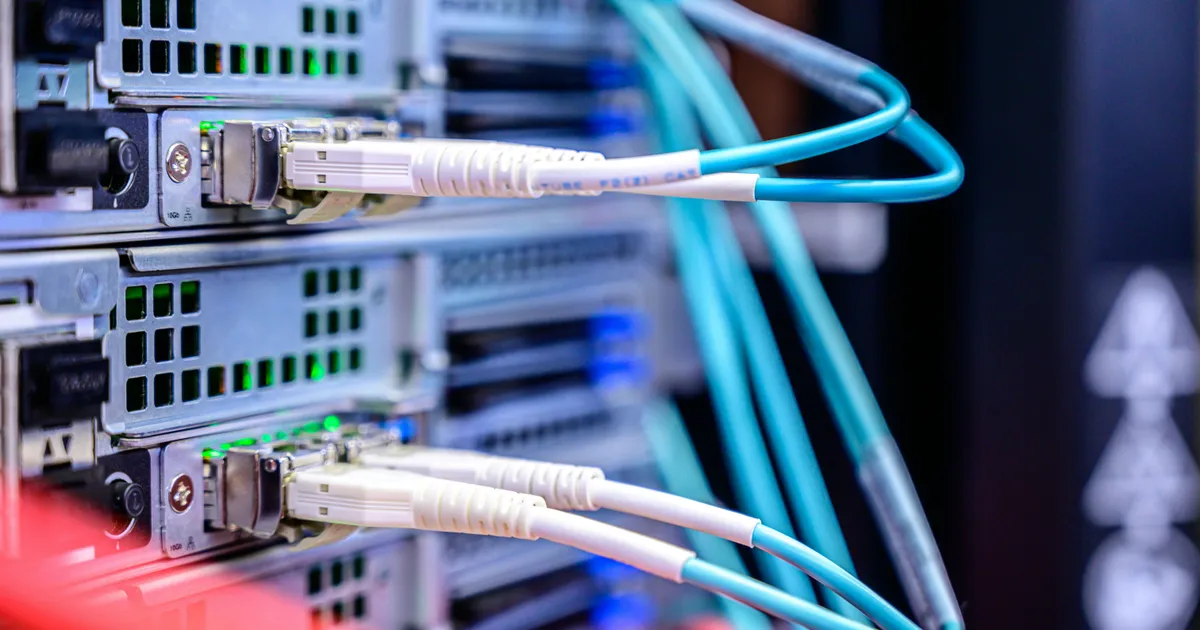
Fiber-optic cables transmit data as light pulses through glass strands, resulting in extremely low latency:
| Provider/Technology | Average Latency | Jitter |
|---|---|---|
| AT&T Fiber | 5–12 ms | 1–3 ms |
| Google Fiber | 3–10 ms | 1–2 ms |
| Spectrum (Cable) | 18–25 ms | 3–7 ms |
| Xfinity (Cable) | 15–22 ms | 3–6 ms |
| DSL | 25–45 ms | 5–15 ms |
| 5G Fixed Wireless | 20–50 ms | 5–20 ms |
| Satellite (LEO) | 30–60 ms | 10–30 ms |
| Satellite (GEO) | 500–700 ms | 20–50 ms |
AT&T Fiber’s 5–12 ms latency makes it ideal for gaming, video conferencing, VoIP, and any application where responsiveness matters. The low jitter (1–3 ms) ensures consistent performance rather than unpredictable spikes.
Peak Hour Performance
One of fiber’s most important advantages is consistent performance during peak usage hours. Unlike cable internet, which shares bandwidth among users on a local node, fiber provides a dedicated connection from the central office to your home.
FCC testing shows AT&T Fiber maintaining 99–101% of advertised speeds during peak hours (7–11 PM). By comparison, cable providers typically drop to 88–95% of advertised speeds during the same period.
This consistency means you will not notice a speed difference between 2 PM and 9 PM on AT&T Fiber—a claim cable internet cannot make.
Speed Testing Your AT&T Fiber Connection
For the most accurate speed test results on AT&T Fiber:
- Use a wired Ethernet connection. WiFi introduces overhead that reduces measured speeds. For plans above 500 Mbps, you need a 2.5 GbE or 10 GbE Ethernet adapter to measure full speeds.
- Test at speedtest.net or fast.com. Both are reliable for measuring download, upload, and latency.
- Close all other applications. Background downloads, cloud syncs, and streaming services consume bandwidth during testing.
- Test multiple times at different hours. Even on fiber, a single test may not represent typical performance. Average 3–5 tests for a reliable picture.
- Check the AT&T Smart Home Manager app. The app includes a built-in speed test that measures the connection between your gateway and AT&T’s network, isolating WiFi as a variable.
WiFi vs. Wired Speeds
WiFi speeds are always lower than wired speeds due to signal interference, distance, and protocol overhead. Here are typical WiFi performance levels on AT&T Fiber:
| WiFi Standard | Max Practical Speed | Best For Plan |
|---|---|---|
| WiFi 5 (802.11ac) | 300–500 Mbps | Internet 300 |
| WiFi 6 (802.11ax) | 600–900 Mbps | Internet 500/1000 |
| WiFi 6E (6 GHz) | 1,000–2,000 Mbps | Internet 1000/2000 |
| WiFi 7 (802.11be) | 2,000–4,000 Mbps | Internet 2000/5000 |
If your speed tests over WiFi are significantly lower than expected, the bottleneck is likely your WiFi standard, distance from the gateway, or interference—not the AT&T Fiber connection itself.
Multi-Gigabit Plans: Do You Need 2 or 5 Gbps?
AT&T’s 2 Gbps ($150/mo) and 5 Gbps ($180/mo) plans target power users and future-proofers. In practice, most households do not need more than 1 Gbps today. Multi-gigabit plans make sense if:
- You have 10+ devices streaming, gaming, and working simultaneously
- You regularly transfer very large files (video production, scientific data)
- You run a home server or NAS that serves multiple clients
- You want maximum future-proofing as bandwidth demands increase
Note that realizing multi-gigabit speeds requires WiFi 6E/7 devices and 2.5 GbE or 10 GbE Ethernet hardware. Standard 1 GbE Ethernet caps at approximately 940 Mbps.
AT&T Fiber Speed Tiers Explained
AT&T offers five fiber speed tiers, each designed for different household needs. Here is what each tier delivers in practice:
- AT&T Fiber 300 (300/300 Mbps): The entry-level fiber plan. Real-world speeds typically measure 290-310 Mbps both up and down. Handles 3-5 simultaneous HD streams, multiple video calls, and gaming without issues. Best for 2-3 person households.
- AT&T Fiber 500 (500/500 Mbps): Median tested speeds of 480-510 Mbps. Comfortably supports 5-8 simultaneous heavy users. The sweet spot for families with 4+ people where multiple members stream, game, and video call simultaneously.
- AT&T Fiber 1 GIG (1000/1000 Mbps): Tested speeds typically reach 900-940 Mbps over ethernet. Wi-Fi speeds vary based on device capabilities and distance from the router — expect 300-600 Mbps on Wi-Fi 6 devices. This plan provides significant headroom for current and future bandwidth needs.
- AT&T Fiber 2 GIG (2000/2000 Mbps): Requires a multi-gig ethernet adapter on your devices to take full advantage. Over standard gigabit ethernet, speeds cap at approximately 940 Mbps. Over Wi-Fi 6E, speeds of 1-1.5 Gbps are achievable with compatible devices. Best for power users and home-based businesses.
- AT&T Fiber 5 GIG (5000/5000 Mbps): AT&T's fastest residential plan using XGS-PON technology. Practical speeds depend heavily on your home network equipment. Most users will not fully utilize this speed, but it future-proofs your connection for years to come.
How AT&T Fiber Performs vs. the Competition
Based on aggregated speed test data and FCC broadband label disclosures, here is how AT&T Fiber stacks up against other major fiber providers:
- AT&T Fiber vs. Verizon Fios: Both deliver near-advertised speeds consistently. Fios has a slight edge in upload speed consistency in some markets, while AT&T Fiber tends to offer more competitive pricing on higher-tier plans. Both are excellent choices when available.
- AT&T Fiber vs. Frontier Fiber: Frontier Fiber and AT&T Fiber perform similarly in speed tests, with both consistently hitting 90-100% of advertised speeds. Frontier's pricing is often slightly lower, particularly after AT&T's recent price adjustments. The Verizon acquisition of Frontier may shift this dynamic.
- AT&T Fiber vs. Google Fiber: In the limited markets where both are available, performance is comparable. Google Fiber's pricing is competitive and straightforward. Both providers deliver excellent fiber service.
- AT&T Fiber vs. Xfinity (cable): This is the most common comparison for customers choosing between technologies. AT&T Fiber wins decisively on upload speed (symmetrical vs. 35 Mbps cable upload), consistency (fiber does not slow during peak hours), and data policy (no cap vs. 1.2 TB cap). Xfinity may win on promotional pricing in the first year.
Maximizing Your AT&T Fiber Speed
Even with a fiber connection, your in-home network can bottleneck performance. Here is how to get the most from your AT&T Fiber plan:
- Use ethernet for speed-critical devices: Gaming consoles, desktop computers, and streaming devices perform best with a wired ethernet connection. Cat 6 cables support up to 10 Gbps and cost $10-$15 for a 25-foot cable.
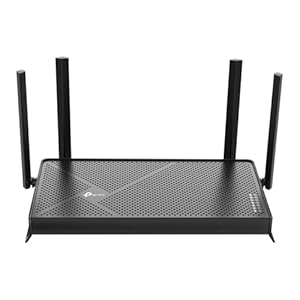
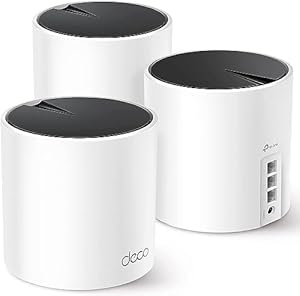
- Upgrade your Wi-Fi router: AT&T's included BGW320 gateway is adequate for most homes, but larger homes may benefit from a mesh Wi-Fi system. You can use AT&T's gateway in IP passthrough mode and connect your own Wi-Fi 6E or Wi-Fi 7 mesh system for better coverage.
- Position the gateway centrally: The BGW320 gateway includes the ONT (fiber termination point) internally. While the fiber enters your home at a fixed point, you can request during installation that the gateway be placed in a central location for better Wi-Fi coverage.
- Update device drivers and firmware: Older devices may not support modern Wi-Fi standards. A laptop with an older Wi-Fi 5 adapter will max out around 400-500 Mbps, even on a gigabit fiber connection. Check if your devices support Wi-Fi 6 and update drivers regularly.
For detailed plan information, visit our AT&T Internet plans and pricing page.
Frequently Asked Questions
How fast is AT&T Fiber actually?
FCC testing shows AT&T Fiber delivers 98–104% of advertised speeds, among the best results of any ISP. On a wired connection, you should see speeds at or above your plan’s rating.
Why is my AT&T Fiber speed slower than advertised?
If testing over WiFi, the bottleneck is likely your WiFi setup, not the fiber connection. Test with a wired Ethernet connection to isolate the issue. If wired speeds are also low, contact AT&T support.
Is AT&T Fiber faster than cable internet?
At the same rated speed (e.g., 1 Gbps), fiber and cable deliver similar download speeds. However, fiber provides dramatically faster uploads (1,000 Mbps vs. 35 Mbps), lower latency, and more consistent performance during peak hours.
Does AT&T Fiber slow down at night?
No. Fiber provides a dedicated connection that does not share bandwidth on local nodes. FCC testing shows AT&T Fiber maintains 99–101% of speed during peak hours. See our AT&T Fiber review for more details.
What speed do I need for 4K streaming?
A single 4K stream requires approximately 25 Mbps. AT&T’s Internet 300 plan can support 10+ simultaneous 4K streams. Most households do not need more than the 300 Mbps plan for streaming alone. For full plan details, see our AT&T plans guide.
Speed data from FCC Measuring Broadband America and Ookla Speedtest Intelligence. Check availability at your address. Read our methodology for evaluation criteria.
AT&T Fiber vs. Cable Speed Consistency
The most underappreciated advantage of fiber is not raw speed—it is consistency. Cable internet shares bandwidth among all users on a neighborhood node, meaning your speeds fluctuate based on how many neighbors are online. Fiber provides a dedicated connection that delivers the same speed at 3 AM as it does at 9 PM.
FCC data illustrates this difference clearly:
| Time Period | AT&T Fiber 1000 | Spectrum Gig | Xfinity Gigabit |
|---|---|---|---|
| Off-Peak (2 AM–6 AM) | 1,020 Mbps (102%) | 995 Mbps (100%) | 985 Mbps (99%) |
| Daytime (10 AM–4 PM) | 1,015 Mbps (102%) | 970 Mbps (97%) | 955 Mbps (96%) |
| Peak (7 PM–11 PM) | 1,010 Mbps (101%) | 920 Mbps (92%) | 900 Mbps (90%) |
During peak hours, AT&T Fiber maintains essentially full speed while cable providers drop 8–10%. For a Gig plan, that 80–100 Mbps difference during peak hours is significant—equivalent to losing an entire base-tier plan’s worth of bandwidth during the hours you use internet most.
Understanding Multi-Gigabit Plans
AT&T’s 2 Gbps and 5 Gbps plans push the boundaries of consumer internet, but realizing these speeds requires compatible hardware throughout your setup:
Hardware Requirements for Multi-Gig
- Ethernet adapter: Standard Gigabit Ethernet (1 GbE) caps at ~940 Mbps. You need 2.5 GbE ($15–$30 USB adapter) for the 2 Gbps plan or 10 GbE ($50–$150 adapter) for the 5 Gbps plan.
- Router: Must support 2.5 GbE or 10 GbE WAN port. Most consumer routers cap at 1 GbE. Look for routers with multi-gig ports (ASUS ROG Rapture GT-AX11000 Pro, NETGEAR Nighthawk RAXE500).
- WiFi standard: WiFi 6E (6 GHz band) delivers up to ~2 Gbps wireless. WiFi 7 is needed for speeds above 2 Gbps wirelessly.
- Client devices: Your computer, phone, or streaming device must support the same WiFi standard to benefit from higher speeds wirelessly.
For most households in 2026, the Internet 1000 plan provides the best value. Multi-gigabit plans are forward-looking investments for power users who already have or plan to upgrade their networking hardware.
Fiber Speed and Distance
Unlike DSL (where speed degrades significantly with distance from the central office) and cable (where signal attenuates over long coaxial runs), fiber-optic connections maintain full speed over extremely long distances. The light pulses traveling through glass fiber experience negligible attenuation over residential distances. Whether you live 500 feet or 5 miles from the nearest AT&T fiber hub, your speed delivery is essentially identical.
This distance independence is one reason fiber providers can guarantee consistent speeds while DSL providers cannot—and why a customer 3 miles from the exchange gets the same 1,000 Mbps as a customer 300 feet away.
Market Context
The broadband market concentration in the United States varies based on population density and infrastructure investment. According to FCC broadband deployment data, median household income and population density are key factors in service availability and pricing. The BEAD (Broadband Equity, Access, and Deployment) program may expand options in underserved areas of the United States.
Find the best deal. Compare internet providers available at your address to view current plans and pricing.