What Actually Happens When Your Promo Ends (Quick Answer)
A promotional rate is a discount off Spectrum's standard rate card, applied for a fixed introductory term. It is not a separate cheaper plan — it's the same service, billed at a reduced rate for a limited window. When that window closes, the account rolls over to the standard rate automatically. Nobody has to approve it, flip a switch, or send you a confirmation you'll necessarily notice: the change usually shows up as a line-item shift on your next statement, not as a phone call or a pop-up warning.
The two things worth internalizing before you read any further: (1) the increase is scheduled from the day you signed up, not a surprise policy change, and (2) the only reliable place to find your own numbers is your own account — not this page, not a forum post, not a friend's bill. Provider rate cards vary by market, by plan tier, and by what was bundled at signup, so a number that's accurate for one household can be wrong for yours. See Spectrum's provider profile for how the plan lineup itself is structured.
How to Find Your Actual Promo End Date and Standard Rate
Three places disclose this, in order of reliability:
1. Your welcome letter or order confirmation email. This is the document generated at signup and it states the promotional term length and the standard rate that applies afterward. If you still have it, it's your best source. 2. Your online account or the provider's app. Most providers surface a "billing" or "plan details" section that shows the current rate, whether it's promotional, and sometimes a countdown or end date. Terminology varies — look for words like "special offer," "promotional pricing expires," or "agreement details." Spectrum's own portal and app change these menu labels periodically, so rather than name a specific path that could be renamed by the time you read this, look for anything under billing, plan details, or agreement information, and ask a rep directly if you can't find it. 3. A recent paper or PDF bill. Bills typically itemize promotional discounts as a separate negative line against the standard charge, which means the standard rate is often printed right there even while you're still in the promo period — you just have to add the discount back.
If none of these are available, calling customer service and asking directly for your promotional end date and post-promotional rate is a legitimate, non-adversarial first call — separate from the negotiation conversation covered later in this piece.
Anatomy of a Post-Promo Bill: Every Line Item Explained
A typical post-promotional internet bill breaks into five categories. Understanding which bucket each charge sits in tells you which ones you have any control over.
- Base internet service charge. This is the standard rate for your plan tier once the promotional discount drops off. It is set by the provider's rate card for your market and plan, and the only way to know your specific number is your own bill or account portal — not a figure published here or on a forum post.
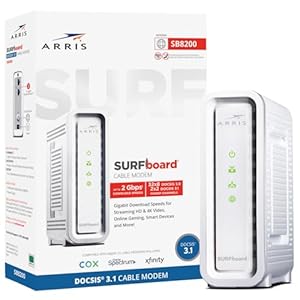
- Optional equipment charges (WiFi router/modem rental). A monthly fee for provider-supplied equipment. This is elective in most cases — you can typically use your own compatible equipment or purchase one outright to remove this line. Confirm current compatible-equipment requirements directly with Spectrum before buying your own, since compatibility lists change.
- One-time or elective service fees. Charges tied to specific actions you took or requested — a technician visit, expedited shipping on equipment, a paper-bill fee, or a late payment. These appear only when triggered by an event, not as a standing monthly charge.
- Regulatory recovery and network-cost-recovery fees. Line items that pass through certain provider costs (regulatory compliance, franchise-related charges) that are separate from the advertised service rate and are set by the provider, not negotiable at the rep level.
- Local and state taxes. Determined by your service address's tax jurisdiction, not by the provider, and not negotiable by anyone on a support call.
When a bill "jumps" after a promotion ends, the base internet service line is almost always the driver. The other categories tend to stay flat unless something else changed (you added equipment, missed a payment, or your local tax rate changed).
Which Fees Are Optional vs. Structural
It helps to sort every line on your bill into two columns before you decide what to do about the total.
Fees you can eliminate through your own action:
- Equipment rental — swap to owned/compatible equipment
- Paper billing fee — switch to electronic billing/statements
- Certain service-call fees — avoidable by using self-install or troubleshooting options first
- Optional add-ons (extra security software, premium WiFi features) — cancel if unused
Fees that are structural and won't change regardless of what you do:
- The standard base-rate charge for your plan tier (short of downgrading the plan itself)
- Regulatory/network-cost-recovery line items
- Local taxes
- Early-termination fees, where your specific plan carries a term commitment at all — many internet-only plans don't, so check your own agreement before assuming one applies
Knowing this distinction matters going into a retention call: asking a rep to waive a tax line wastes the call. Asking about equipment fees or the base rate is where a rep actually has room to work.
Timeline: What Happens Month by Month After Signup
Think of the billing lifecycle as a calendar of checkpoints rather than a single cliff:
- Signup / activation. Promotional pricing begins. This is also when the promotional term clock starts, whether or not that's obvious from the paperwork you received.
- Mid-term. Some providers send a notice ahead of the promotional rate expiring; others don't, or bury it in a bill insert or email that's easy to miss. Don't count on receiving a clear heads-up — treat the account-check step above as your responsibility, not the provider's.
- The billing cycle the promotion rolls off. Your next invoice reflects the standard rate. This is not always the exact calendar anniversary of signup — it aligns with your billing cycle, so it can land a few days on either side of the promotional term's stated length.
- First standard-rate invoice. This is the number to actually check against your welcome-letter figure. If it doesn't match what you were told at signup, that's your basis for a support call — a billing discrepancy, not a negotiation.
- Ongoing. Absent any negotiation or plan change, the standard rate continues and can itself increase over time independent of any promotion (see the rate-increase section below).
Availability and Rate-Card Caveats
Plan names, tier structures, and the specific rate card that applies to a given address are not uniform nationwide. What one household in one market is offered — and at what standard rate — can differ from a household in another market served by the same provider, because of local infrastructure, competition, and market-specific pricing programs.
Any availability claim in this piece should be read at provider-coverage confidence — meaning it reflects the provider's general service footprint, not a provider-confirmed-address or user-confirmed-orderable check for your specific home. Before assuming a plan, rate, or promotion mentioned anywhere applies to you, confirm it against your own address using the provider's own order tool or an address-level availability check. Never treat a ZIP-level estimate as equivalent to a confirmed offer at your door.
The Renegotiation Playbook: What Retention Can and Can't Do
Retention representatives operate inside limits set by the provider's systems and current internal offer programs — they are not free to invent a discount on the spot, but they usually have more room than the standard front-line support agent. Understanding the shape of that authority helps you have a more useful conversation than reciting a script.
What reps typically can do: apply a current retention or loyalty offer if one exists for your account type; adjust or waive certain fees (equipment, occasionally a one-time service charge); move you to a different current plan tier; sometimes match or partially match a documented competing offer.
What reps typically cannot do: invent a rate that doesn't exist in any current offer program; waive taxes or regulatory line items; override a contractual term you're still inside without a fee; guarantee a rate will never change again.
What actually gives you leverage, before you call:
- A specific competing offer in your area (provider name, plan tier, term) — vague "I heard it's cheaper elsewhere" carries no weight
- Your tenure and payment history — a long-standing account in good standing is easier for a rep to justify offering something to keep
- A clear ask: know whether you want a rate reduction, an equipment-fee waiver, or a plan change before you're on the phone, rather than negotiating in real time
- Willingness to escalate calmly — if the first rep says there's nothing available, asking to speak with the retention or loyalty team specifically (not just "a supervisor") often reaches someone with broader authority
There's no guaranteed outcome here. Reps work within whatever offer inventory exists that week, and that inventory changes. Go in with realistic expectations and a fallback plan (see below) rather than treating the call as a sure thing.
Downgrade, Debundle, or Re-Sign: Comparing Your Three Levers
When the standard rate lands and it's higher than you want to pay, you generally have three structural options — not prices, but different mechanisms with different tradeoffs.
Downgrade the plan tier. Moving to a lower tier reduces the base rate but also reduces the service level (speed tier, in most cases). This is usually the lowest-friction option: no new install, no credit check, and it can typically be done via a single support interaction or self-service. The tradeoff is a genuine reduction in service, not just price.
Remove add-ons / debundle. Dropping equipment rental, premium software, or bundled services you don't use lowers the bill without touching the core plan. Low friction, no service-level tradeoff, but the savings are usually smaller than a full plan or provider change.
Cancel and re-sign (same or new provider). Ending service and starting a new account — with the same provider, subject to whatever policies it applies to returning customers, or with a competitor — can reset you to promotional pricing. This carries real, underappreciated friction: a service gap while the new account activates, a possible hard credit pull depending on the provider's account-opening process, a new equipment installation (and potentially a new install fee), and no guarantee the new promotional terms match what you had before. It is not a guaranteed hack — it's a tactic with real costs that depends on your account history and the provider's current policies for returning customers.
There's no single right answer among these three; the right lever depends on how much service level you're willing to trade, how much disruption you can tolerate, and whether you have a genuine reason to believe a new signup gets meaningfully better terms than staying and negotiating.
What Providers Don't Advertise About Rate Increases
Two separate mechanisms can raise your bill, and providers rarely draw a clear line between them in customer-facing communication:
1. Promotional expiration — the scheduled, one-time jump from a discounted rate to the standard rate for your plan, on the timeline set at signup. 2. Standard rate-card increases — providers periodically raise the underlying standard rates themselves, independent of any individual customer's promotional status. This affects long-standing standard-rate customers too, not just people coming off a promotion.
The practical implication: if your bill goes up again a year or more after your promotion already ended, that's very likely a base-rate increase, not a second "promo cliff." The remedy is different — you're negotiating against a rate-card change, not a term expiration, and the same retention-call leverage points above still apply, but don't assume you're "still in the promo hangover" indefinitely. Check your bill's line-item history if available to see when the base rate itself moved versus when the promotional discount line disappeared.
When Switching Providers Beats Renegotiating
Renegotiating keeps you with a known service and known reliability at a lower price if it works. Switching makes sense mainly when a genuinely different, better-suited option exists at your specific address — not based on a general sense that "someone else is probably cheaper."
The only sound way to evaluate this is with address-level information: what's actually available at your home, at what confidence level. A ZIP-code-level estimate of "providers in your area" is a starting point, not a decision basis — confirm at the provider-confirmed-address or user-confirmed-orderable level before treating a competing option as real. Compare the best internet providers in your area to see what else is realistically available, and check the providers directory for options like AT&T, Xfinity, and Cox where they overlap with Spectrum. If your plan doesn't carry a term commitment, our no-contract internet plans guide covers what that flexibility is actually worth, and our guide to switching internet providers walks through the mechanics.
If a confirmed alternative exists with a materially different value proposition — different technology (fiber vs. cable, for instance), a provider you haven't had before and are therefore eligible for new-customer terms with — switching can beat renegotiating with your current provider, which is capped by what its retention program allows for existing accounts. If no confirmed alternative exists, renegotiating or adjusting your own plan (downgrade/debundle) is the more realistic path. Check availability at your address to see what's confirmed-orderable before you decide either way.
Frequently Asked Questions
Will Spectrum notify me before my promotional rate ends? Not reliably. Some notice may appear in a bill insert, email, or account portal message, but you should not depend on receiving a clear warning. Checking your own welcome-letter date and account portal is the dependable method.
Can I get my original promotional rate back once it ends? Not the identical rate on the identical account in most cases, but a comparable or different promotional/retention offer may be available if one currently exists in the provider's offer programs — this is what a retention call is for. There's no guarantee, and offer availability changes over time.
Does the promo-expiration increase stack with a separate base-rate increase? They're separate mechanisms and can occur independently. If your promotional term ends in the same window as a general rate-card increase, both effects could land on the same bill, making the total jump larger than either alone. Reviewing your bill's line-item history helps distinguish the two.
Is it worth calling before my promotional period actually ends, or should I wait? Calling shortly before or right after the transition is generally when reps have the clearest picture of what's changing on your account and the most relevant current offers to discuss. Calling months in advance is less useful since offer programs change.
Does cancelling and re-signing guarantee lower pricing? No. It depends on the provider's current promotional inventory, your account history, and whether the provider treats you as a genuinely new customer. Treat it as a tactic with real friction (possible credit pull, install fee, service gap), not a guaranteed reset.
Sources and How We Verified This
This page describes billing mechanics and negotiation structure based on how promotional-to-standard rate transitions and provider billing categories generally function in the US broadband market, cross-checked against publicly available provider terms-of-service and rate-card disclosure pages. It intentionally omits specific dollar figures, speeds, data caps, and contract-length numbers because those vary by market, change frequently, and cannot be verified as current without a dated source pull. This page describes mechanics and process rather than current pricing, and it intentionally doesn't cite a dated rate-card pull — Spectrum's terms-of-service and rate-card pages change often enough that a citation here would go stale quickly. Treat this page as guidance for how the process works, and confirm your own current terms and rate card directly with Spectrum.
Bottom Line
A post-promo bill jump is scheduled, not arbitrary — it was set the day you signed up, whether or not anyone flagged it clearly along the way. Know your promo end date from your own account, sort your bill's line items into "structural" and "negotiable" before you call, and treat a retention conversation or a downgrade/debundle as more realistic first moves than assuming you have to switch providers. Switching only wins when a confirmed, materially better alternative actually exists at your address.