AT&T Fiber is a strong pick if it's actually available at your exact address: true fiber-to-the-home service with symmetric upload speeds and a network design that's less prone to peak-hour slowdowns than cable. The real catch isn't the technology — it's that fiber availability is address-specific rather than citywide, and AT&T also sells a fixed-wireless product, Internet Air, under overlapping branding that performs very differently. Here's what's genuinely strong about AT&T Fiber, where it falls short, and how to confirm — not guess — whether it reaches your door.
How We Reviewed AT&T Fiber
This review is built from four inputs, and we're naming all four so you can weigh the verdict yourself: (1) AT&T's own published plan and equipment documentation, (2) third-party network and speed-test aggregators that track ISP performance over time, (3) publicly available regulatory filings and FCC broadband data on AT&T's fiber footprint, and (4) patterns reported by AT&T Fiber customers in installation and support forums. We did not run a controlled speed-test panel of our own for this update, and rather than fill a genuine data gap with a plausible-sounding number, we say so plainly and point you to where you can check the current figure yourself. Where AT&T's marketing language and independent data diverge, we flag the gap instead of repeating the marketing line as fact. Nothing here is a paid placement; AT&T is one of several providers we cover on this site.
What "AT&T Fiber" Actually Is
AT&T sells two different products under overlapping branding, and mixing them up is the single most common source of buyer disappointment. AT&T Fiber is a true fiber-optic connection run to the home — the technology this review focuses on. AT&T Internet Air is a fixed-wireless product delivered over AT&T's cellular network, aimed at addresses fiber hasn't reached yet. The two are not interchangeable: they use different infrastructure, have different performance ceilings, and are typically sold as alternatives to each other rather than upgrades of one another. If a listing or a phone rep quotes you a plan, confirm which of the two you're actually being offered before you compare it to any other provider's fiber plan — that single question resolves most of the "my AT&T internet isn't as fast as advertised" complaints we see, because the complaint is usually about Internet Air, not fiber.
Plan Lineup, In Plain Terms
AT&T Fiber is sold in a small number of speed tiers, generally positioned from an entry-level plan up through a top multi-gig tier, with the exact tier names, speeds, and monthly prices changing periodically by market. Rather than repeat numbers that go stale within a billing cycle, here's what's stable: higher tiers are priced for households running multiple simultaneous 4K streams, cloud backup, or a home business; the entry tier is built for typical browsing, streaming, and remote work for one or two people. AT&T publishes exact current tier names, speeds, and pricing on its own site and updates them by market more often than a static review page can track reliably — see the current AT&T Internet plan lineup for live numbers rather than treating anything quoted here as current. Two things worth checking before you sign up regardless of tier: whether the advertised rate is an introductory rate that increases after a set period, and whether autopay or paperless billing is required to get the quoted price — AT&T has historically attached both conditions to its published rates, so confirm the current terms for your plan at signup.
The Symmetric-Upload Story — What's True and What's Oversold
AT&T's biggest differentiator from cable competitors is that its fiber plans are sold as symmetric: advertised upload speed matches advertised download speed, tier for tier. The underlying advantage is genuine and structural — fiber-optic technology can deliver matching upstream and downstream bandwidth in a way cable's DOCSIS architecture is not built to, which is why cable providers, including the fastest ones, still allocate far less bandwidth to uploads than downloads. That part is not marketing spin. Where the claim gets oversold is in how much it matters to a given household. Symmetric upload is a real benefit if you regularly do large cloud backups, run a two-way video conference-heavy job, livestream, or upload large files for work. It's close to irrelevant if your household's heaviest use is streaming video, browsing, and gaming, since those activities are download-dominant regardless of what your upload speed is capped at. And "advertised symmetric" is still an advertised figure — your delivered upload speed depends on the same in-home factors as your download speed, covered next. So: the symmetric-upload advantage is real and fiber-specific, but whether it's a reason to switch providers depends entirely on your actual usage pattern, not on the number itself. Don't let a symmetric-upload pitch substitute for asking whether your download speed at the tier you can afford is adequate for your household size.
Real-World Speed Performance
Fiber's main promise is that advertised speeds and delivered speeds are close together, because a dedicated fiber line doesn't share bandwidth with neighbors the way cable does during peak hours. That said, "close to advertised" is not "identical," and several factors still determine what you actually get: your in-home Wi-Fi setup, the number of devices active at once, whether you're testing over Wi-Fi versus a wired connection, and router placement. A wired connection to the gateway will consistently outperform a Wi-Fi test from a far room, and that gap is about your home network, not AT&T's line. We didn't run our own controlled speed-test panel for this update, so we're not going to publish an average delivered-speed figure we can't stand behind — treat any number you see elsewhere without a stated testing methodology and date with the same skepticism. If you're evaluating AT&T against a cable competitor, the fairer comparison isn't peak advertised speed vs. peak advertised speed — it's typical evening (peak-hour) real-world speed on each network, since that's when cable networks are most likely to show congestion and fiber typically isn't. If your connection ever feels slower than usual, check for an active AT&T outage in your area before assuming it's a line or Wi-Fi problem.
Installation Experience
AT&T Fiber installation requires a technician visit in the large majority of cases, since it involves running or connecting a fiber line to the home (via existing conduit where available, or a new drop line where not) and installing an Optical Network Terminal (ONT) plus the gateway. Installation windows and technician scheduling reliability vary by market enough that a single national figure would be misleading — ask for your specific appointment window in writing when you order, rather than assuming a company-wide average applies to you. What's consistent across customer reports is worth planning around regardless of your address: ask whether your unit or building already has fiber conduit run to it (multi-dwelling units vary widely), confirm whether a self-install kit is offered as an alternative to a technician visit in your area, and get the appointment window in writing since fiber installs can take longer than a cable modem swap when new line has to be run.
Equipment and Wi-Fi Coverage
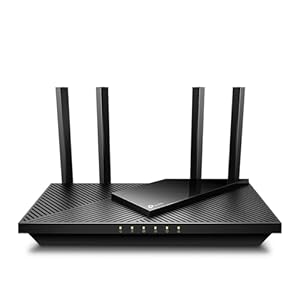
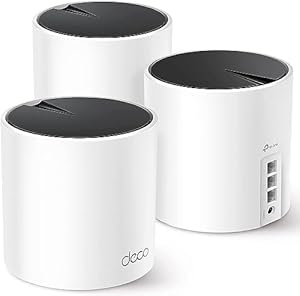
AT&T Fiber plans come bundled with a modem/router gateway rather than requiring you to buy your own modem, which is a real convenience relative to providers that charge a separate modem rental fee indefinitely. AT&T's branding for its gateway and whole-home Wi-Fi add-on has changed more than once, so confirm the current equipment name and exactly what's included at your tier when you order, rather than assuming it matches what a review page described months earlier. Whether the gateway's Wi-Fi coverage is sufficient depends heavily on home size and construction — the same gateway that covers a one-story home edge-to-edge may leave dead zones in a multi-story house with distant bedrooms. AT&T sells mesh extender add-ons for larger homes; whether you need one is a home-layout question, not a speed-tier question. If you already own third-party mesh Wi-Fi hardware, check AT&T's current support documentation for your specific gateway model and firmware version to confirm bridge/passthrough mode is supported before assuming you can bypass their Wi-Fi entirely — support has varied by gateway generation. For background on the terminology, see modem vs. router, explained; if you decide to add your own hardware, our best routers to pair with a fiber gateway roundup covers what to look for.
Reliability and What Happens When It Goes Down
Fiber lines are generally less susceptible to weather-related outages than overhead cable or copper lines, since fiber cable is often buried and isn't degraded by the same electrical interference issues as coaxial cable. That's a structural advantage, not a guarantee — fiber lines can still be cut during construction work, and any ISP's service depends on upstream network health beyond the last mile to your home. If you're relying on your connection for work-from-home calls or a home security system, ask specifically about AT&T's outage notification process and whether a cellular backup (via a personal hotspot or a fixed-wireless fallback) makes sense, rather than assuming fiber means zero downtime.
Where AT&T Fiber Does Well
Advertised symmetric upload speeds across its fiber tiers are a genuine structural edge over cable competitors for upload-heavy households. Fiber's lower susceptibility to peak-hour congestion means evening performance tends to hold up better than cable in the same neighborhood. Bundled equipment avoids an open-ended modem rental fee. And AT&T's fiber footprint has expanded across states and markets in recent years, meaning more addresses have a genuine fiber alternative to cable than in the past — though "expansion" is a trend claim, not an address-specific guarantee, which is why availability confidence matters below.
Where AT&T Fiber Falls Short
Fiber availability is still address-specific and uneven even within cities AT&T serves — being in an "AT&T Fiber market" citywide does not mean every address in that city can get it. Multi-dwelling units and rural addresses remain the most likely gaps. Introductory pricing and autopay/paperless conditions can make the advertised rate different from your actual first bill if you don't ask about both upfront. And because installation requires a technician in most cases, timelines can run longer than a self-install cable modem swap, which matters if you're on a moving deadline. None of these are unique to AT&T — they're common to fiber deployments generally — but they're the specific friction points worth planning around rather than assuming away.
Is AT&T Fiber Available at Your Address?
Availability claims come in different strengths, and it matters which one you're looking at before you commit to anything: a ZIP-estimate only tells you fiber serves some addresses in your ZIP, not yours specifically; FCC-reported coverage data reflects provider-submitted service-area filings, which can lag real deployment; provider-coverage maps from AT&T's own site are more current but still approximate; a provider-confirmed-address check — entering your exact address on AT&T's site or with a rep — is the first level that reflects your specific unit; and user-confirmed-orderable means you've actually gotten to the point of scheduling an install, which is the only level that fully resolves multi-dwelling-unit and new-construction edge cases. If you're comparing AT&T against another fiber or cable provider for your specific home, insist on the address-level check for both before deciding — ZIP-level estimates for either provider aren't a fair basis for a decision. If your address doesn't have fiber yet, the BEAD funding tracker shows where federally funded broadband buildout is happening, which is the honest answer to "is anything else coming."
AT&T Fiber vs. Cable and Other Fiber Providers
Any "AT&T is better than the competition" claim on this topic is only meaningful if the comparison basis is stated, so here's ours: on symmetric upload, AT&T Fiber holds a structural edge over cable competitors, because cable's shared-bandwidth architecture doesn't offer matching upload tiers at comparable price points — that's an architecture comparison, not a speed-test result. On peak-hour download consistency, fiber generally holds up better than cable in congested neighborhoods, though this varies by specific network buildout and we don't have a controlled side-by-side to cite here. On price for a given download-speed tier, cable and fiber trade the advantage depending on market and current promotions, which is exactly the kind of number that goes stale fast — check current published rates for your specific address rather than trusting a general "fiber costs more/less than cable" claim from either side. For the underlying technology tradeoffs, see our fiber vs. cable comparison.
Bottom Line
AT&T Fiber is a legitimate, structurally strong fiber option where it's actually available at your address — the symmetric upload and lower peak-hour congestion are real technology advantages, not marketing dressing. The catch is entirely about availability and expectations: confirm coverage at the provider-confirmed-address level rather than the ZIP-estimate level, confirm which product (Fiber vs. Internet Air) you're actually being quoted, and weigh the symmetric-upload pitch against what your household actually uploads before treating it as the deciding factor. For upload-heavy households in a serviceable area, it's a strong pick. For a household that mostly streams and browses, it's a solid but not uniquely superior option against a well-priced cable plan at comparable download speeds — the honest comparison depends on your usage and your specific address, not a blanket "fiber wins" claim. Not ready to commit to a contract at all? See our no-contract internet options roundup for month-to-month alternatives.
Check availability at your address
Frequently Asked Questions
Does AT&T Fiber have data caps? AT&T has historically not applied data caps to its fiber plans, unlike some of its own DSL/legacy products and some competitors' cable plans. Confirm the current terms for your specific plan before signing, since data-cap policies can change and vary by legacy vs. current plan types.
Is AT&T Fiber better than cable internet? It depends on the comparison basis. On symmetric upload speed and peak-hour congestion resistance, fiber has a structural edge. On price per download-speed tier, it varies by market and current promotions. See the comparison section above for how to evaluate this for your specific situation.
Can I use my own router with AT&T Fiber? Many AT&T Fiber customers run their own router behind AT&T's gateway or in passthrough/bridge mode, but exact support depends on your gateway model and current firmware. Confirm bridge-mode availability for your specific gateway model before purchasing third-party hardware — check AT&T's current support documentation or ask a rep directly.
How long does AT&T Fiber installation take? Most installs require a scheduled technician visit to run or connect the fiber line and install the ONT and gateway. Exact appointment lead times vary by market, so ask for your specific scheduling window in writing at order time rather than assuming a fixed national timeline.
What happens if AT&T Fiber goes down? Fiber lines are less prone to weather-related outages than overhead cable, but any outage — fiber cuts during construction, upstream network issues — is possible. If uptime is critical (remote work, security systems), ask AT&T about outage notifications and consider a cellular backup option.
Is AT&T Fiber available in my area? Only a provider-confirmed-address check (or better, a user-confirmed-orderable check) answers this reliably. ZIP-code estimates and citywide "AT&T Fiber market" claims do not guarantee your specific address is served — enter your exact address on AT&T's site or use an address-level availability tool to get a real answer.