Cox is now Spectrum
Effective September 16, 2026, Cox internet is offered under Spectrum's pricing and packaging: Spectrum Internet® 100, 500 and 1 Gig, with 2 Gig in select markets. Existing Cox customers keep their current service and account until Spectrum notifies them of any change. Prices shown are for new residential customers for 1 year.
Source: Spectrum Product Marketing Guidelines for Digital Partners (August 17, 2026); Cox transition notice, August 20, 2026. Checked September 16, 2026. cox.com/residential/cox-is-now-spectrum.html
INTERNET OFFER: Limited-time offer; subject to change; new residential customers only (no Spectrum service in past 30 days). Standard rates apply after promo period or service change. Actual speeds (including wireless) vary and are not guaranteed. Activation fee additional; taxes may apply. Gig speeds require a compatible modem; see Spectrum.net/modem for list. Terms and conditions apply, subject to change. Not available in all areas. Restrictions apply. Spectrum Internet® is powered by fiber and connected to the premises by coaxial lines.
Cox vs Starry: Complete Internet Comparison (2026)
Choosing the right internet provider directly impacts your daily connectivity -- from streaming and gaming to remote work and smart home reliability. This guide compares Cox Communications and Starry across every factor that matters: speeds, pricing, data caps, contracts, equipment, installation, and coverage availability.
Side-by-Side Comparison: Cox vs Starry
Our Verdict: Cox vs Starry (2026)
| # | Factor | Details |
|---|---|---|
| 2 | Speed ceiling | Cox reaches 1 Gbps for power users and offers 5 tiers for different needs. Starry's single 200 Mbps tier works well for most households but limits users who need gigabit speeds. |
| 3 | Coverage | Cox serves 18 states across hundreds of cities. Starry is limited to parts of Boston, New York, Los Angeles, Washington DC, Denver, and Columbus -- requiring line of sight from your building to a Starry base station. |
Cox Internet Plans & Pricing (2026)
Cox Communications delivers internet through its own hybrid fiber-coaxial cable network using DOCSIS 3.1 technology across 18 states. All plans are contract-free.
Self-install kits are free for most plans. Professional installation costs $75. Cox regularly runs promotional pricing for the first 12 months.
Starry Internet Plans & Pricing (2026)
Starry Internet uses millimeter wave (mmWave) fixed wireless technology to deliver internet without cable or fiber infrastructure. Starry installs a small receiver on the exterior of your building that connects wirelessly to a nearby Starry base station. This approach keeps costs low and enables rapid deployment in dense urban areas.
| Plan | Download Speed | Upload Speed | Monthly Price | Data Cap |
|---|---|---|---|---|
| Starry Internet | 200 Mbps | Up to 100 Mbps | $50/mo | None |
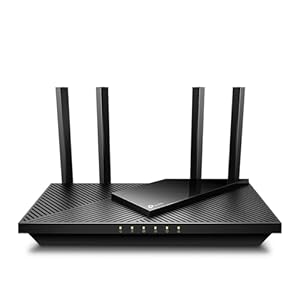
Starry's single-plan approach eliminates decision fatigue. At $50/mo with no data caps, no contracts, and included equipment (the Starry Station WiFi router), it represents strong value for urban apartment dwellers and renters. There are no hidden fees, no promotional rates that expire, and no equipment rental charges.
The primary limitation is availability. Starry operates in select areas of Boston, New York City, Los Angeles, Washington DC, Denver, and Columbus, Ohio. Within those metros, service depends on line of sight between your building and a Starry base station. Multi-dwelling buildings (apartments and condos) are the primary target. Starry's fixed wireless connection delivers lower latency (20–40 ms) than satellite but higher than cable, and can be affected by severe weather or physical obstructions.
Technology Comparison: Cable vs Fixed Wireless
Cox and Starry use fundamentally different technologies to deliver internet. Cox operates a hybrid fiber-coaxial (HFC) cable network -- fiber optic lines run to neighborhood nodes, then coaxial cable carries the signal to your home. This infrastructure requires underground or aerial cables and years of construction to deploy, but delivers consistent, weather-resistant connectivity.
Starry uses millimeter wave (mmWave) fixed wireless technology. Small base stations mounted on rooftops broadcast high-frequency signals to receivers on individual buildings. This approach requires no underground infrastructure, enabling rapid deployment in dense urban areas. However, mmWave signals require near-line-of-sight between the base station and receiver, limiting Starry's reach to multi-dwelling buildings within a few miles of each base station.
In real-world performance, Cox cable delivers 10-30 ms latency with high consistency regardless of weather. Starry's fixed wireless typically achieves 20-40 ms latency under normal conditions, but heavy rain or snow can temporarily degrade signal quality. For most internet activities -- streaming, browsing, video calls, and casual gaming -- both technologies perform well. Power users who need maximum speeds above 200 Mbps will find Cox's higher tiers advantageous.
Contracts, Data Caps, and Total Cost of Ownership
Neither provider requires contracts. Both offer month-to-month service with no early termination fees.
Starry's total cost is remarkably simple: $50/mo flat, including the Starry Station WiFi router, unlimited data, and free professional installation. There are no promotional rates that expire after 12 months, no equipment rental fees, and no hidden charges. What you see is what you pay -- a rarity in the internet industry.
Over a 2-year period, Starry costs $1,200 total. Cox's 250 Mbps plan costs $2,352 including equipment rental -- a $1,152 savings for Starry. This calculation makes Starry the clear value winner for customers within its limited service area.
Frequently Asked Questions: Cox vs Starry
Is Starry Internet as fast as Cox?
Starry delivers 200 Mbps, which is faster than Cox's three lowest tiers (25, 50, 250 Mbps). However, Cox's top plans reach 500 Mbps and 1 Gbps. For most households, 200 Mbps is sufficient for streaming, gaming, and remote work.
Is Starry available in my area?
Starry currently operates in parts of Boston, New York City, Los Angeles, Washington DC, Denver, and Columbus. Service requires line of sight from your building to a Starry base station, so availability is building-specific even within these metros.
Can I use Starry for gaming?
Starry's fixed wireless typically delivers 20–40 ms latency, which is acceptable for most online games. Cox cable offers similar latency (10–30 ms). Both are suitable for gaming, though Cox's gigabit speeds provide more headroom for competitive gaming and streaming simultaneously.
Does Starry Internet require installation?
Starry requires professional installation of a small exterior receiver on your building. Installation is free and typically takes 30–60 minutes. Cox offers self-install kits or $75 professional installation.
Sources & Methodology
Plan details, pricing, and speeds are sourced directly from each provider's official website as of March 2026. Speed claims represent advertised maximums under ideal conditions; actual speeds vary by location, network congestion, and equipment. Pricing shown is the regular monthly rate before taxes and fees unless otherwise noted. Coverage claims are based on provider-reported service areas. For our complete research methodology, see our methodology page.
Sources
This comparison references data from FCC Broadband Map, Cox, and the U.S. Census Bureau. Pricing and availability are subject to change.
Market Context
The broadband market concentration in areas served by both Cox and Starry varies significantly. According to FCC broadband deployment data, median household income and population density are key factors in determining which provider offers better value. The BEAD (Broadband Equity, Access, and Deployment) program may expand options in underserved areas where neither provider currently has strong coverage.
Ready to choose? Check Cox availability or check Starry availability at your address to view plans and pricing.