
Cox is now Spectrum
Effective September 16, 2026, Cox internet is offered under Spectrum's pricing and packaging: Spectrum Internet® 100, 500 and 1 Gig, with 2 Gig in select markets. Existing Cox customers keep their current service and account until Spectrum notifies them of any change. Prices shown are for new residential customers for 1 year.
Source: Spectrum Product Marketing Guidelines for Digital Partners (August 17, 2026); Cox transition notice, August 20, 2026. Checked September 16, 2026. cox.com/residential/cox-is-now-spectrum.html
INTERNET OFFER: Limited-time offer; subject to change; new residential customers only (no Spectrum service in past 30 days). Standard rates apply after promo period or service change. Actual speeds (including wireless) vary and are not guaranteed. Activation fee additional; taxes may apply. Gig speeds require a compatible modem; see Spectrum.net/modem for list. Terms and conditions apply, subject to change. Not available in all areas. Restrictions apply. Spectrum Internet® is powered by fiber and connected to the premises by coaxial lines.
Cox vs HughesNet: Complete Internet Comparison (2026)
Choosing the right internet provider directly impacts your daily connectivity -- from streaming and gaming to remote work and smart home reliability. This guide compares Cox Communications and HughesNet across every factor that matters: speeds, pricing, data caps, contracts, equipment, installation, and coverage availability.
Side-by-Side Comparison: Cox vs HughesNet
Our Verdict: Cox vs HughesNet (2026)
| # | Factor | Details |
|---|---|---|
| 1 | Speed and latency | Cox cable delivers 10–30 ms latency and up to 1 Gbps speeds. HughesNet satellite carries 600+ ms latency, making it unsuitable for real-time gaming, video calls, or VPN connections. |
| 3 | Rural availability | HughesNet reaches virtually any location in the continental US via satellite. Cox requires physical cable infrastructure and only covers 18 states, primarily in suburban and urban areas. |
Cox Internet Plans & Pricing (2026)
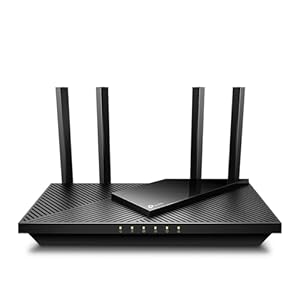
Cox Communications delivers internet through its own hybrid fiber-coaxial (HFC) cable network using DOCSIS 3.1 technology. In limited markets, Cox also offers direct fiber-to-the-home (FTTH) connections. All plans are contract-free with month-to-month flexibility.
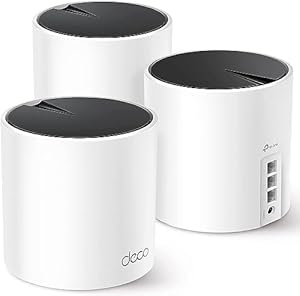
Professional installation runs $75, or self-install kits are available at no charge for most plans. Cox often runs promotional pricing for the first 12 months -- always confirm the regular rate before committing.
HughesNet Internet Plans & Pricing (2026)
HughesNet delivers satellite internet using its Gen5 and Jupiter 3 satellite systems in geostationary orbit approximately 22,000 miles above Earth. This technology reaches virtually any location with a clear view of the southern sky, making it a primary option for rural and remote addresses where cable, fiber, and fixed wireless are unavailable.
| Plan | Download Speed | Upload Speed | Monthly Price | Priority Data |
|---|---|---|---|---|
| Select | 25 Mbps | 3 Mbps | $50/mo | 15 GB |
| Elite | 25 Mbps | 3 Mbps | $75/mo | 50 GB |
| Ultra | 50 Mbps | 3 Mbps | $100/mo | 100 GB |
| Fusion | 100 Mbps | 3 Mbps | $150/mo | 200 GB |
All HughesNet plans require a 2-year contract commitment. Early termination incurs a fee of up to $400, prorated over the remaining months. Equipment can be leased for $15/mo or purchased outright for approximately $450. Professional installation is included with all plans.
After exhausting priority data, speeds throttle to 1–3 Mbps for the remainder of the billing cycle -- usable for basic browsing and email but insufficient for streaming or video calls. The inherent satellite latency of 600+ ms affects all real-time applications. HughesNet's Fusion plans combine satellite with a ground-based connection to reduce latency for web browsing, though gaming and VoIP still suffer.
Technology Deep Dive: Cable vs Satellite
The fundamental difference between Cox and HughesNet is the delivery technology. Cox transmits data through physical cables (hybrid fiber-coaxial) that connect directly to your home, delivering consistent low-latency performance. HughesNet transmits data via radio waves to a geostationary satellite orbiting approximately 22,000 miles above Earth. Every data request must travel to space and back -- a round trip of about 44,000 miles -- creating unavoidable latency of 600 milliseconds or more.
This latency makes satellite internet fundamentally different from wired connections. Web pages feel sluggish as each element requires a separate round trip. Video calls experience noticeable delays between speaking and hearing a response. VPN connections, which many remote workers depend on, perform poorly because the VPN protocol adds handshakes that multiply the latency penalty. Online gaming is essentially impractical on satellite connections, as competitive games require sub-100ms ping times.
Where satellite excels is reach. HughesNet's Jupiter 3 satellite covers the entire continental United States, including rural areas, mountaintops, and islands where no wired infrastructure exists. If Cox cable reaches your address, it will outperform HughesNet in virtually every metric. But if your only alternative to HughesNet is dial-up or nothing, satellite internet transforms your connectivity.
Contracts, Data Caps, and Hidden Fees
Cox requires no contract on any residential plan. HughesNet requires a 2-year commitment with an early termination fee of up to $400, prorated monthly. This contract locks customers in even if they move to an area where HughesNet performance is poor or if a wired provider expands to their address.
Frequently Asked Questions: Cox vs HughesNet
Can I game on HughesNet satellite internet?
Online gaming is not practical on HughesNet due to 600+ ms satellite latency. Competitive multiplayer games require under 100 ms ping. Cox cable with 10–30 ms latency is far more suitable for gaming.
Does HughesNet work during bad weather?
HughesNet satellite signals can be disrupted by heavy rain, snow, or dense cloud cover -- a phenomenon called rain fade. Outages typically last 15–30 minutes during storms. Cox cable internet is unaffected by weather conditions since signals travel through underground or aerial cables.
Can I get Cox internet in rural areas?
Cox requires physical cable infrastructure, limiting its service to suburban and urban areas in 18 states. If Cox is unavailable at your address, HughesNet satellite is accessible nearly everywhere. You can also check Starlink or T-Mobile Home Internet as alternatives.
Sources & Methodology
Plan details, pricing, and speeds are sourced directly from each provider's official website as of March 2026. Speed claims represent advertised maximums under ideal conditions; actual speeds vary by location, network congestion, and equipment. Pricing shown is the regular monthly rate before taxes and fees unless otherwise noted. Coverage claims are based on provider-reported service areas. For our complete research methodology, see our methodology page.
Sources
This comparison references data from FCC Broadband Map, Cox, HughesNet, and the U.S. Census Bureau. Pricing and availability are subject to change.
Market Context
The broadband market concentration in areas served by both Cox and HughesNet varies significantly. According to FCC broadband deployment data, median household income and population density are key factors in determining which provider offers better value. The BEAD (Broadband Equity, Access, and Deployment) program may expand options in underserved areas where neither provider currently has strong coverage.
Ready to choose? Check Cox availability or check HughesNet availability at your address to view plans and pricing.