Starlink Satellite Internet in Oklahoma
Starlink, developed by SpaceX, provides high-speed satellite internet service across all of Oklahoma using a growing constellation of low-Earth orbit (LEO) satellites. Unlike traditional satellite internet providers that rely on geostationary satellites orbiting at 22,000 miles above Earth, Starlink's constellation operates at approximately 340 miles altitude, which dramatically reduces latency to between 20 and 40 milliseconds. This makes Starlink a viable option for video conferencing, online gaming, and other latency-sensitive applications that were previously impractical with satellite internet.
Oklahoma residents can expect download speeds ranging from 50 to 220 Mbps and upload speeds between 10 and 20 Mbps on the standard residential plan. The service is particularly valuable in Oklahoma because approximately 34% of the state's population lives in rural areas where traditional cable and fiber infrastructure has not been deployed. Starlink requires no ground-based infrastructure beyond the user's own dish, making it accessible virtually anywhere in Oklahoma with a clear view of the sky.
For Oklahoma's agricultural communities, energy-sector workers on remote drill sites, and Native American tribal lands that have historically lacked broadband access, Starlink represents a transformative connectivity option. The state's relatively flat terrain in the western plains region provides ideal conditions for satellite reception, with minimal obstructions between the dish and the sky. Eastern Oklahoma's hilly Ozark terrain requires more careful dish placement but still achieves reliable service in most locations.
Starlink Plans & Pricing in Oklahoma
Starlink currently offers several plan tiers for Oklahoma residents. The standard residential plan is the most popular option, providing unlimited data with no contracts or long-term commitments required. For businesses, farms, and power users, Starlink offers Priority plans with higher speeds and dedicated bandwidth allocation. All plans include access to the Starlink app for setup, speed testing, and account management.
| Plan | Monthly Price | Download Speed | Upload Speed | Data Cap | Best For |
|---|---|---|---|---|---|
| Standard Residential | $120/mo | 50–220 Mbps | 10–20 Mbps | Unlimited | Homes, families, remote workers |
| Priority (Business) | $250–$500/mo | 40–220 Mbps | 10–20 Mbps | 40 GB–6 TB Priority | Businesses, farms, oil field operations |
| Starlink Roam | $150/mo | 5–50 Mbps | 2–10 Mbps | Unlimited | RVs, travel, seasonal use |
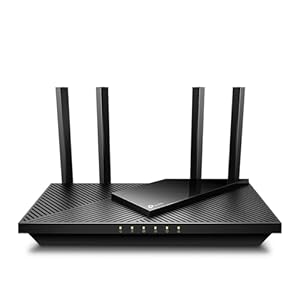
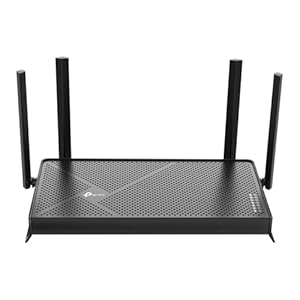
Equipment costs include a one-time purchase of the Starlink Kit at $599, which includes the satellite dish (commonly called "Dishy"), a Wi-Fi router, mounting tripod, and cabling. There are no rental options for equipment. Starlink occasionally offers promotional pricing on hardware for new customers in high-demand areas. Business Priority customers may require the High Performance dish at $2,500 for enhanced speeds and wider field of view.
Understanding Starlink's Total Cost in Oklahoma
When budgeting for Starlink in Oklahoma, factor in both the upfront equipment cost and ongoing monthly charges. The first month's total investment is approximately $719 ($599 equipment + $120 first month). After the initial purchase, the ongoing cost is $120 per month with no additional fees, taxes, or equipment rental charges. Compared to traditional satellite providers like HughesNet ($64.99-$159.99/mo plus equipment fees) or Viasat ($49.99-$149.99/mo plus $12.99/mo equipment lease), Starlink's total cost of ownership is competitive when you factor in the dramatically superior speeds and unlimited data. For Oklahoma households currently paying $50-80/mo for DSL service delivering only 5-15 Mbps, Starlink's $120/mo for 50-220 Mbps represents a substantial improvement in value per megabit.
Starlink Coverage in Oklahoma
Starlink satellite internet is available throughout all of Oklahoma, from densely populated urban centers to the most remote rural communities. Because the service relies on satellites rather than ground-based infrastructure, coverage does not depend on proximity to cable lines, telephone exchanges, or fiber-optic networks. This makes Starlink one of the few internet providers that can reach every address in Oklahoma without exception.
The service is especially popular in rural Oklahoma, where approximately 34% of the population lacks access to high-speed cable or fiber broadband. For these households, Starlink often represents a significant upgrade over existing options like legacy DSL connections that may deliver only 1 to 10 Mbps. While Starlink works well in urban areas too, residents with access to cable or fiber internet may find those services offer more consistent speeds at a lower price point.
Oklahoma Regions Where Starlink Excels
Starlink delivers the greatest value relative to alternatives in these Oklahoma regions:
- Western Oklahoma plains: Communities like Woodward, Guymon, and Boise City in the Oklahoma Panhandle have minimal wired broadband infrastructure. Starlink's flat-terrain advantage means fewer obstructions and reliable satellite lock. Many farming and ranching operations in these areas use Starlink for precision agriculture applications, equipment monitoring, and market data access.
- Southeast Oklahoma (Little Dixie): Counties like McCurtain, Pushmataha, and Choctaw have some of the lowest broadband penetration rates in the state. The Ouachita Mountain terrain creates challenges for fixed wireless providers, but Starlink's satellite technology overcomes these geographical barriers.
- Tribal lands: Oklahoma has the second-largest Native American population in the United States. Many tribal communities in rural areas have historically been underserved by broadband providers. Starlink provides an immediate connectivity solution without requiring infrastructure investment from tribal governments or ISPs.
- Energy sector sites: Oklahoma's oil and gas industry operates drilling rigs, pump stations, and field offices in remote locations. Starlink's Business Priority plan enables real-time data transmission, remote monitoring, and video conferencing from these sites.
Installation & Equipment
One of Starlink's key advantages is its simple self-installation process. The Starlink Kit arrives pre-configured and ready to set up. The dish uses a motorized system that automatically aligns itself to find the optimal satellite connection, requiring no professional installation or technical expertise from the user. Most Oklahoma residents can complete the entire setup process in 15 to 30 minutes.
The dish requires a clear, unobstructed view of the sky. Trees, buildings, and other obstructions can degrade performance or cause intermittent connectivity drops. The Starlink app includes an obstruction checker tool that uses your smartphone camera to scan the sky and identify potential issues before you install the dish. For optimal performance in Oklahoma, most users mount the dish on a roof, pole, or other elevated location. Starlink sells additional mounting accessories including roof mounts, pole adapters, wall mounts, and a Volcano Mount for flat surfaces.
The system is designed to operate in extreme weather conditions including heavy rain, snow, and temperatures ranging from -22 degrees Fahrenheit to 122 degrees Fahrenheit. The dish includes a built-in snow-melt feature that automatically heats the surface to prevent snow accumulation during winter storms.
Oklahoma-Specific Installation Considerations
Oklahoma's weather presents unique considerations for Starlink installation:
- Tornado season: Oklahoma sits in Tornado Alley. While the Starlink dish is designed to withstand high winds, a direct tornado strike can destroy any outdoor equipment. Consider where you mount the dish relative to debris paths, and keep the original packaging for quick replacement if needed. Starlink replacement dishes cost approximately $150-300.
- Hail damage: Oklahoma experiences frequent severe hail storms, particularly from April through June. The Starlink dish is built with weather-resistant materials, but large hail (1.5 inches or greater) may cause cosmetic damage. SpaceX has not published specific hail resistance ratings, but user reports from Oklahoma indicate the dish handles typical storms well.
- Summer heat: Western Oklahoma temperatures can exceed 110 degrees Fahrenheit in summer. The Starlink dish operates within its rated temperature range, but mounting it in direct sunlight on a dark-colored roof may cause it to run warmer. The system includes thermal management features to maintain performance.
- Red dirt and dust: Oklahoma's distinctive red clay soil creates dust that can accumulate on the dish surface. The dish's smooth surface and slight angle shed most debris naturally, but periodic cleaning may improve performance, especially after dust storms common in western Oklahoma.
Starlink vs. Other Internet Providers in Oklahoma
When evaluating internet options in Oklahoma, it is important to understand how Starlink compares to other available providers. The right choice depends entirely on what is available at your specific address.
Starlink vs. Cable and Fiber in Oklahoma
For residents who have access to cable or fiber internet from providers like Spectrum, AT&T, or Cox Communications, those services typically offer more consistent speeds, lower latency (under 15 ms), and lower monthly costs. A cable plan might deliver 300 Mbps for $50 to $70 per month, compared to Starlink's $120 per month for 50 to 220 Mbps. If cable or fiber is available at your Oklahoma address, it is usually the better value for most households.
Starlink vs. Traditional Satellite in Oklahoma
For Oklahoma residents in rural areas where cable and fiber are unavailable, Starlink offers a dramatic improvement over legacy satellite alternatives. Traditional satellite internet from providers like HughesNet or Viasat operates on geostationary satellites with latency of 600 to 800 milliseconds, making video calls and real-time applications nearly unusable. Starlink's 20 to 40 ms latency represents a 15 to 30 times improvement. HughesNet plans also typically cap speeds at 25 to 100 Mbps and impose strict data caps, while Starlink provides unlimited data.
Starlink vs. Fixed Wireless and 5G in Oklahoma
Fixed wireless internet from providers like T-Mobile 5G Home Internet is another alternative available in parts of Oklahoma. T-Mobile's service starts at $50 per month with speeds of 33 to 245 Mbps, making it a strong competitor where coverage exists. However, fixed wireless availability is limited to areas within range of 5G or LTE towers, which excludes many of the rural areas where Starlink excels. In Oklahoma City and Tulsa metro areas where T-Mobile 5G is available, it typically offers better value than Starlink at $50/mo vs $120/mo with comparable speeds.
| Provider | Technology | Speed Range | Monthly Cost | Best For |
|---|---|---|---|---|
| Starlink | LEO Satellite | 50-220 Mbps | $120/mo | Rural areas with no wired options |
| T-Mobile | 5G/Fixed Wireless | 33-245 Mbps | $50/mo | Urban/suburban with tower coverage |
| AT&T Internet | Fiber/DSL | 10-5,000 Mbps | $55-$180/mo | Areas with AT&T fiber buildout |
| Cox Communications | Cable | 100-2,000 Mbps | $49-$120/mo | OKC and Tulsa metro areas |
Starlink for Oklahoma Agriculture and Energy Industries
Oklahoma's economy depends heavily on agriculture and energy, both of which increasingly require reliable broadband connectivity in remote locations. Starlink has become a practical tool for these industries across the state.
Precision Agriculture
Oklahoma's 77,000+ farms and ranches span 34 million acres, with many operations located far from any wired broadband infrastructure. Starlink enables precision agriculture technologies including GPS-guided tractors and combines, soil moisture sensor networks that transmit real-time data, livestock monitoring cameras accessible from smartphones, drone-based crop inspection with cloud data uploads, and commodity market access for time-sensitive grain and cattle sales. The standard residential plan at $120/mo is sufficient for most farming operations, though larger operations with multiple buildings may benefit from the Business Priority plan for dedicated bandwidth.
Oil and Gas Operations
Oklahoma ranks as the fifth-largest crude oil producing state and fourth-largest natural gas producer. Remote drilling sites, pipeline monitoring stations, and field offices require internet connectivity for SCADA systems, safety compliance reporting, video surveillance, and communication with headquarters. Starlink's Business Priority plan provides the reliability and speed these operations need, while the portable Roam plan works well for temporary drill sites that move locations every few weeks or months.
Frequently Asked Questions
Is Starlink available in Oklahoma?
Yes, Starlink satellite internet is available throughout all of Oklahoma. Because the service uses low-Earth orbit satellites rather than ground-based infrastructure, it can reach every address in the state. You can check exact availability and estimated delivery times for your specific location on the Starlink website. Some areas may have a waitlist during periods of high demand.
How fast is Starlink in Oklahoma?
Starlink delivers download speeds of 50 to 220 Mbps and upload speeds of 10 to 20 Mbps on the standard residential plan in Oklahoma. Actual speeds depend on network congestion, weather conditions, obstructions, and the number of active users in your satellite cell. Most Oklahoma users report average download speeds between 80 and 150 Mbps during typical usage periods, with occasional spikes above 200 Mbps during off-peak hours.
Does Starlink have data caps?
No, Starlink does not impose data caps on any of its residential plans. You can use as much data as you need each month without overage fees or throttling based on usage. The Priority Business plans include a set amount of priority data (40 GB to 6 TB depending on tier), after which speeds may be deprioritized during periods of network congestion, but data access is never cut off.
What happens to Starlink during Oklahoma severe weather?
Starlink is designed to operate through most weather conditions including rain, snow, and strong winds. Heavy precipitation can temporarily reduce speeds or cause brief interruptions. The dish includes an automatic snow-melt feature to prevent accumulation. During severe thunderstorms and tornado warnings common in Oklahoma from April through June, most users report only occasional brief disruptions lasting seconds to minutes. The dish itself is rated to withstand winds up to 60 mph. During a tornado, all outdoor equipment including satellite dishes is at risk regardless of the provider.
Can I use Starlink at my Oklahoma hunting cabin or lake house?
Yes. Starlink's Roam plan ($150/mo) is designed for portable use and works at any location with a clear sky view. You can move the dish between your primary home and a secondary location like a lake house, hunting cabin, or RV campsite anywhere in Oklahoma or across the country. If your secondary location is permanent, the standard residential plan can be transferred to the new address through the Starlink app.
How does Starlink handle Oklahoma's summer heat?
The Starlink dish is rated to operate in temperatures up to 122 degrees Fahrenheit, which exceeds even the most extreme Oklahoma summer temperatures. The system includes thermal management features that adjust power consumption to manage heat. Some Oklahoma users report slightly slower speeds during peak heat hours on the hottest days, but service remains functional. Mounting the dish where it gets some afternoon shade (while maintaining sky visibility) can help in western Oklahoma where extreme heat is more common.
Cities Served by Starlink in Oklahoma
Starlink serves residents across every community in Oklahoma. While the service is available statewide, here are the largest cities where Starlink coverage is active:
- Oklahoma City, OK (pop. 681K) — State capital with extensive cable and fiber alternatives; Starlink best for suburban fringe areas
- Tulsa, OK (pop. 413K) — Second-largest city; Cox and AT&T provide strong competition in metro core
- Norman, OK (pop. 128K) — Home to the University of Oklahoma; good wired options downtown, Starlink useful in surrounding rural Cleveland County
- Broken Arrow, OK (pop. 114K) — Tulsa suburb with growing broadband options
- Lawton, OK (pop. 97K) — Home to Fort Sill; limited wired providers make Starlink attractive for outlying areas
- Edmond, OK (pop. 94K) — OKC suburb with good wired coverage in developed areas
- Enid, OK (pop. 51K) — Northwest Oklahoma hub; Starlink popular for surrounding wheat belt communities
- Stillwater, OK (pop. 49K) — Oklahoma State University town; good in-town options, Starlink useful for rural Payne County
Coverage availability varies by address within each city. Use our availability checker to confirm Starlink service at your specific location in Oklahoma.
Starlink Coverage Details in Oklahoma
Oklahoma has energy-sector communities and rural areas seeking reliable alternatives to limited wired broadband. Here is how Starlink's network technology and coverage break down across the state.
Technology: Low-Earth Orbit (LEO) Satellite
- Standard Residential — Download speeds of 50-220 Mbps, upload speeds of 10-20 Mbps. Latency typically ranges from 25-60ms, significantly lower than traditional geostationary satellite providers.
- Starlink Priority (Business) — Enhanced speeds up to 220 Mbps with priority network access and dedicated support. Available in tiers from 40 GB to 6 TB of priority data per month.
- Starlink Roam — Portable service for RVs, boats, and travel across Oklahoma and nationwide. Same satellite network with flexible monthly activation.
Starlink achieves near-universal coverage in Oklahoma through its constellation of 6,000+ LEO satellites orbiting at approximately 550 km altitude. Unlike traditional satellite internet from providers like HughesNet or Viasat, Starlink's low orbit enables dramatically lower latency suitable for video calls, online gaming, and real-time applications.
The Oklahoma Broadband Landscape
Oklahoma's broadband landscape includes 11+ providers, but coverage quality varies dramatically between urban and rural areas. With 2.6 million residents across tracked urban centers, much of Oklahoma's population has access to wired broadband. However, Starlink fills a critical gap for the substantial number of Oklahoma residents living outside cable and fiber service boundaries.
The Oklahoma Broadband Office, established under the BEAD program, is directing over $700 million in federal funding toward expanding broadband infrastructure across the state. While these buildouts will take several years to complete, Starlink provides an immediate solution for Oklahoma households that cannot wait for fiber or cable deployment. Many Oklahoma residents view Starlink as a bridge technology that provides broadband today while longer-term infrastructure projects work their way to rural communities.
For a complete overview of all internet options in Oklahoma, including current pricing and availability by city, visit our Oklahoma Internet Providers guide.
What Oklahoma Starlink Users Report
Oklahoma Starlink subscribers consistently report download speeds averaging 80-150 Mbps during typical usage, with peak speeds exceeding 200 Mbps during off-peak hours. The most common positive feedback from Oklahoma users centers on the dramatic speed improvement compared to their previous DSL or legacy satellite service. Households that previously struggled to load a single web page now stream 4K video on multiple devices simultaneously.
The most frequent complaints from Oklahoma users involve intermittent brief outages lasting 5-30 seconds, which occur when the satellite constellation hands off between satellites overhead. SpaceX has steadily reduced the frequency of these micro-outages as it launches additional satellites and refines its routing algorithms. Users who rely on Starlink for voice calls or video conferencing recommend using applications with built-in buffering (like Zoom or Teams) rather than traditional phone-over-internet services, which are more sensitive to brief interruptions. Oklahoma users who game online report latency averaging 30-50 ms, which is adequate for most games but may not satisfy competitive esports players who need sub-20 ms response times.
For Oklahoma residents considering Starlink, the 30-day return policy provides a risk-free trial period. If the service does not meet your needs, you can return the equipment within 30 days for a full refund of the hardware cost. This policy is particularly valuable for Oklahoma users who are uncertain whether local obstructions, terrain, or satellite cell congestion will affect their experience.
Related Internet Resources
Sources & Methodology
Coverage data, plan details, and pricing are compiled from FCC Broadband Data Collection filings, provider-published broadband nutrition labels, and U.S. Census Bureau demographic data including population and median household income figures from the American Community Survey. Pricing, speeds, and availability are verified against provider broadband nutrition labels and may vary by location. For a detailed explanation of our data collection and scoring process, see our methodology page.
Data Sources
- FCC Broadband Data Collection
- U.S. Census Bureau American Community Survey
- USAC Universal Service Fund
- NTIA Internet Use Survey
Last verified: March 2026. InternetProviders.ai is an independent resource. We may earn commissions from partner links — this does not affect our editorial recommendations. See our methodology for details.