![Best Rural Areas Internet Providers [2026]](/_next/image/?url=%2Fimages%2Fcontent%2Fblog%2Fbest-internet-rural-areas.webp&w=1920&q=75&dpl=dpl_AGFYAWVuCu62TXjHmonxrN4KpbBw)
Quick Answer: Best Internet for Rural Areas in 2026
The best rural internet options in 2026 are fixed wireless and Starlink satellite. Fixed wireless providers like T-Mobile 5G Home Internet offer speeds of 33-245 Mbps at $50/month in areas with tower coverage. Starlink delivers 25-220 Mbps virtually anywhere in the US for $120/month plus $599 equipment. Traditional satellite (HughesNet, Viasat) and DSL remain available as fallbacks. Check what's available at your specific address using our availability checker, as rural options vary dramatically by location.
The Rural Connectivity Challenge in 2026
Despite billions of dollars in federal and state investment, roughly 21 million Americans still lack access to reliable broadband internet. The vast majority of these underserved populations live in rural areas where the economics of building last-mile infrastructure are challenging. Running fiber or cable to a farmhouse 5 miles from the nearest town can cost $20,000-$50,000 per household, a number that doesn't make financial sense for most ISPs without government subsidies.
The good news is that 2026 represents a turning point for rural internet access. Starlink's satellite constellation has matured, 5G fixed wireless coverage has expanded significantly, and the federal BEAD (Broadband Equity, Access, and Deployment) program is beginning to fund infrastructure buildouts in underserved areas. Rural residents now have more options than ever before, though navigating those options requires understanding the tradeoffs between technologies.
The fundamental challenge hasn't changed: getting data from the internet's backbone to your home across miles of sparsely populated terrain. But the technologies bridging that gap have improved dramatically. Let's examine each option in detail, ranked from generally best to worst for most rural users.
Rural Internet Options Ranked
Option 1: Fixed Wireless Internet (Best When Available)
Fixed wireless internet uses radio signals from a nearby tower to deliver broadband to your home via a receiver antenna. Unlike cellular service, fixed wireless uses dedicated frequencies and equipment designed specifically for home internet, delivering more consistent performance than a mobile hotspot.
Performance: 25-300 Mbps download, 5-50 Mbps upload, 15-50ms latency. Performance depends heavily on distance from the tower, line of sight, and the specific technology (5G vs 4G LTE).
Best Fixed Wireless Providers for Rural Areas:
T-Mobile 5G Home Internet is currently the most accessible fixed wireless option for rural areas. T-Mobile has aggressively expanded their 5G and 4G LTE network into rural markets, and their home internet service is available at many rural addresses where cable and fiber don't reach. At $50/month ($25-$30 with a qualifying phone plan), truly unlimited data, no contract, and free equipment, it's an excellent value. Speeds typically range from 33-245 Mbps, though rural locations on the lower end of that range should expect 25-100 Mbps. Read more in our 5G home internet guide.
Verizon 5G Home Internet offers similar service but with more limited rural coverage compared to T-Mobile. Where available, Verizon's mmWave 5G delivers outstanding speeds of 300-1,000 Mbps, but their rural deployments primarily use the slower C-Band 5G with speeds of 85-300 Mbps. At $35-$60/month depending on your Verizon phone plan status, it's competitively priced.
Rise Broadband is one of the few fixed wireless ISPs specifically focused on rural markets. Operating primarily in the central United States across 16 states, Rise Broadband delivers speeds of 25-100 Mbps via point-to-point fixed wireless. Plans start around $35/month. Their focus on rural communities means they understand the challenges and often provide better customer support for rural-specific issues.
Local and Regional WISPs: Wireless Internet Service Providers (WISPs) are small, often locally-owned companies that build fixed wireless networks in rural communities. There are over 2,000 WISPs operating across the US, and they often serve areas that national providers ignore. Performance varies widely, but the best WISPs deliver 50-200 Mbps with excellent local support. Search for WISPs in your area through the WISPA member directory.
Key Considerations for Fixed Wireless:
- Line of sight to the tower is often critical, trees, hills, and buildings can block or degrade signals
- Performance can degrade in heavy rain, snow, or dense fog (especially at higher frequencies)
- Tower congestion can reduce speeds during peak hours in popular areas
- External antennas and optimal placement can significantly improve performance
- Check coverage maps, but verify with an actual service test; coverage maps are often optimistic
Option 2: Starlink Satellite Internet
SpaceX's Starlink has fundamentally changed the satellite internet landscape for rural residents. Using a constellation of thousands of low-Earth orbit (LEO) satellites at approximately 340 miles altitude (compared to 22,000 miles for traditional satellites), Starlink delivers latency and speeds that were previously impossible from space.
Performance: 25-220 Mbps download, 5-20 Mbps upload, 25-60ms latency. Average speeds have settled around 50-100 Mbps in most areas as the user base has grown, though performance varies by location and time of day.
Pricing (2026):
- Starlink Standard: $120/month + $599 equipment (one-time) + $35 shipping
- Starlink Priority (formerly Business): $250/month + $2,500 equipment (higher speeds, priority during congestion)
- Starlink Mobile: $150/month (roaming, lower priority)
Starlink Pros:
- Available virtually everywhere in the continental US with a clear view of the sky
- Dramatically better latency (25-60ms) than traditional satellite (600ms+)
- Sufficient speed for video calls, streaming, and most internet activities
- Self-install with minimal technical knowledge required
- Continuous improvement as SpaceX launches more satellites
- Truly unlimited data (no hard caps, though heavy users may be deprioritized)
Starlink Cons:
- Expensive: $120/month is 2-3x the cost of cable or fiber
- High upfront equipment cost ($599 for the dish and router)
- Requires clear view of sky, trees and obstructions cause outages
- Performance degrades during heavy rain and snow
- Speeds have decreased in congested cells as more users sign up
- Brief periodic outages (2-15 seconds) as the dish switches between satellites
- Not ideal for competitive gaming or real-time applications due to variable latency
Starlink is the best option for truly remote locations where no terrestrial internet (cable, fiber, fixed wireless) is available. If you have fixed wireless available with 50+ Mbps speeds, it will likely provide a more consistent experience at a lower monthly cost. But if your only alternatives are legacy satellite or slow DSL, Starlink is a transformative upgrade.
Option 3: HughesNet and Viasat (Traditional Satellite)
Traditional geostationary satellite internet from HughesNet and Viasat remains available as a fallback, but it's increasingly difficult to recommend given Starlink's availability and superior performance. However, these services do still serve a role for some rural users.
HughesNet offers plans from 15 to 100 Mbps with data allotments of 15-200 GB per month. The fundamental limitation is latency: because the signal must travel to a satellite 22,000 miles above Earth and back, round-trip latency is typically 600-700ms. This makes video calls difficult, real-time gaming impossible, and even web browsing noticeably sluggish. Plans start around $50/month with a 2-year contract. Equipment lease is $15/month or $450 to purchase.
Viasat (formerly Exede) offers faster speeds of 25-150 Mbps with priority data allotments of 40-300 GB. After exhausting your priority data, speeds are reduced but not cut off entirely. Viasat's newer satellites deliver better throughput than HughesNet, but the fundamental latency problem remains at 600ms+. Plans range from $70-$150/month. Compare HughesNet vs Viasat in our detailed comparison.
When traditional satellite still makes sense:
- Starlink has a waitlist in your area
- You need internet immediately and Starlink equipment takes weeks to arrive
- Your internet use is primarily email and basic web browsing (less latency-sensitive)
- Cost is a primary concern and you can manage within the data allotments
Option 4: DSL Internet
DSL (Digital Subscriber Line) uses existing telephone copper lines to deliver internet. It's widely available in rural areas where phone lines exist, but speeds are limited by the distance between your home and the provider's central office. Homes within 1 mile may get 50-100 Mbps, but those 3+ miles away might see only 1-10 Mbps.
Frontier DSL is the most common rural DSL provider, serving millions of rural customers across 25 states. Speeds range from 3 to 115 Mbps depending on your distance from the central office. Plans typically start at $38-$50/month. Check Frontier availability.
CenturyLink/Lumen DSL serves rural areas across 36 states with DSL speeds of 10-100 Mbps. Their availability tool can tell you the maximum speed available at your address, which is critical since DSL performance is location-dependent.
DSL is reliable and affordable, but the speeds are often insufficient for modern internet use, especially for households with multiple users. If you can get 50+ Mbps DSL, it's a viable option. Under 25 Mbps, you'll likely want to supplement or replace it with a faster technology.
Option 5: Cellular Data (Mobile Hotspot/Router)
Using a dedicated cellular router or mobile hotspot for home internet is a viable option in rural areas with decent cell coverage. Devices like the Netgear Nighthawk M6 Pro or dedicated routers from Pepwave can deliver 20-200 Mbps depending on signal strength and network congestion.
The main challenge is data limits. Most cellular plans for home use limit data to 50-300 GB per month before throttling. For moderate users, this can work, but heavy streaming or large file downloads will quickly exhaust your allocation. Consider pairing a cellular connection with a directional external antenna to improve signal strength and speeds in weak coverage areas.
Government Programs Expanding Rural Broadband
BEAD Program (Broadband Equity, Access, and Deployment)
The BEAD program, funded by the 2021 Infrastructure Investment and Jobs Act, is allocating $42.45 billion to expand broadband access across the US, with a primary focus on unserved and underserved areas. By 2026, most states have submitted their deployment plans and many have begun awarding grants to ISPs for network buildout. The program prioritizes fiber infrastructure where feasible, meaning many rural areas will gain access to fiber internet over the next 3-5 years. Check with your state's broadband office for specific deployment timelines in your area.
USDA ReConnect Program
The USDA's ReConnect program provides loans and grants specifically for rural broadband projects. Over $3 billion has been awarded across multiple funding rounds, supporting projects that bring high-speed internet to rural communities. These grants have funded fixed wireless, fiber, and hybrid deployments in some of the most remote areas of the country. If your community is considering a broadband project, the ReConnect program is a major potential funding source.
Affordable Connectivity Program (ACP) Status
The original ACP program, which provided $30/month subsidies for qualifying households ($75/month on tribal lands), expired in mid-2024. As of 2026, Congress has considered but not yet passed a replacement program. Several states have implemented their own broadband subsidy programs. Check your state's broadband office for available assistance programs. Some providers like Spectrum and AT&T offer low-income plans starting at $30/month that partially fill the gap left by ACP's expiration.
FCC E-Rate and Rural Health Care Programs
While not directly for residential use, these programs fund broadband connections for schools, libraries, and healthcare facilities in rural areas. The infrastructure built for these anchor institutions sometimes enables ISPs to extend service to nearby homes at reduced cost, creating a halo effect that improves connectivity for surrounding communities.
Community Broadband Initiatives
Across the country, rural communities are taking broadband deployment into their own hands through municipal broadband projects, electric cooperative fiber buildouts, and community-owned networks:
Electric Cooperative Fiber: Rural electric cooperatives have become major broadband providers. Companies like Co-Mo Electric (Missouri), BARC Electric (Virginia), and Midwest Energy (Kansas) have leveraged their existing infrastructure, pole access, and community relationships to build fiber-to-the-home networks. Over 300 electric cooperatives now offer or are building broadband networks, often delivering gigabit fiber to areas that commercial ISPs deemed unprofitable.
Municipal Broadband: Cities and counties can build and operate their own broadband networks. Success stories include Chattanooga, TN (EPB Fiber Optics), Wilson, NC (Greenlight), and Longmont, CO (NextLight). These networks typically offer competitive pricing with gigabit speeds and reinvest profits into the community. However, 18 states have laws restricting or prohibiting municipal broadband, so check your state's regulations.
Community Advocacy: Even where community ownership isn't feasible, organized community demand can attract commercial ISP investment. Communities that can demonstrate concentrated demand (hundreds of households committed to subscribing) are far more likely to attract buildout from providers. Several platforms exist to help rural communities aggregate demand and attract ISP attention.
Best Option Decision Tree for Rural Internet
Follow this decision framework to identify your best option:
- Check for fiber or cable availability first. Use our availability checker. If either is available, it's almost certainly your best option regardless of other factors. See our best fiber providers guide.
- Check T-Mobile 5G Home Internet availability. If available, this is typically the best value for rural internet at $50/month with unlimited data. Performance varies, so request a 15-day trial if possible.
- Check other fixed wireless options. Look for local WISPs and Verizon 5G Home Internet. Fixed wireless with 50+ Mbps speeds and reasonable latency is preferable to satellite.
- Consider Starlink. If no terrestrial broadband is available, Starlink is your best satellite option. The $599 equipment cost and $120/month service are significant but deliver speeds that make modern internet use possible.
- Evaluate DSL. If DSL is available and delivers 25+ Mbps at your address, it may be adequate for basic needs and is often the most affordable option.
- Last resort: Traditional satellite or cellular. HughesNet and Viasat work for basic email and browsing. A cellular hotspot can supplement a slow primary connection for occasional high-bandwidth needs.
Many rural households benefit from combining two technologies, for example, using DSL as the primary connection for everyday use and a cellular hotspot for video calls and other latency-sensitive tasks. This hybrid approach can deliver a better overall experience than relying on a single connection type.
Tips for Maximizing Rural Internet Performance
Regardless of which technology you choose, these optimization strategies can significantly improve your rural internet experience:
- External antennas: For fixed wireless and cellular connections, a high-gain external antenna mounted on your roof can improve signal strength by 5-15 dB, translating to 2-5x speed improvement in marginal coverage areas.
- Optimal dish/antenna placement: For Starlink, ensure the dish has maximum sky visibility using the Starlink app's obstruction checker. Even small obstructions can cause periodic dropouts. For cellular, use signal mapping apps to find the optimal location.
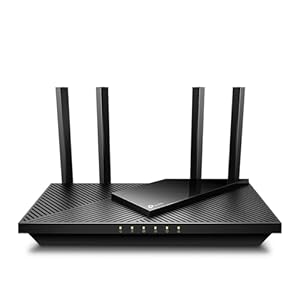
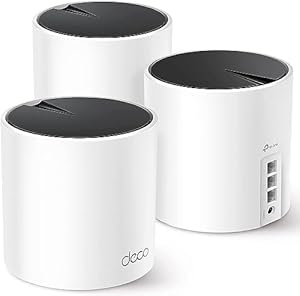
- Quality router: Many ISP-provided routers are underpowered. Upgrading to a quality WiFi 6 or 6E router can improve in-home coverage and speed, especially in larger rural homes.
- Bandwidth management: With limited bandwidth, manage your household's usage intelligently. Schedule large downloads for off-peak hours (late night/early morning), disable automatic cloud backup during work hours, and use QoS to prioritize important traffic.
- Offline capabilities: Download content for offline viewing when possible. Netflix, Spotify, YouTube, and many other services support offline downloads, reducing your real-time bandwidth needs.
- Monitor data usage: If your plan has data caps, set up usage alerts well before the limit. Most providers offer usage tracking tools, and third-party router firmware like DD-WRT or OpenWrt can track usage per device.
Find the Best Rural Internet at Your Address
Call to check availability and find plans in your area:
T-Mobile Home Internet
5G/4G fixed wireless starting at $50/mo with unlimited data, no contract
1-844-275-9311 Check AvailabilityHughesNet
Satellite internet available nationwide with plans starting at $50/mo
1-855-543-5405 View PlansFrontier
DSL and fiber options in 25 states — check what's available at your address
1-855-981-6281 Check AvailabilityFrequently Asked Questions: Rural Internet
What is the best internet for rural areas in 2026?
The best rural internet depends on what's available at your specific address. If T-Mobile 5G Home Internet is available, it typically offers the best combination of speed, price, and unlimited data at $50/month. For locations without cellular coverage, Starlink satellite delivers 25-220 Mbps virtually anywhere with a clear sky view. Fixed wireless from local WISPs can be excellent where available. Use our availability checker to see all options at your address.
Is Starlink worth it for rural internet?
Starlink is worth it if your only alternatives are traditional satellite (HughesNet/Viasat) or DSL under 25 Mbps. At $120/month plus $599 equipment, it's expensive, but it delivers speeds (25-220 Mbps) and latency (25-60ms) that make video calls, streaming, and remote work possible in locations where no terrestrial broadband exists. If you have access to cable, fiber, or fast fixed wireless, those options are usually better values.
Can I get fiber internet in a rural area?
Fiber is expanding rapidly into rural areas thanks to the BEAD program and electric cooperative buildouts. Over 300 electric cooperatives are now offering or building fiber networks in rural communities. Check with your local electric cooperative and state broadband office for planned deployments. In many states, fiber buildout in rural areas is expected within the next 2-5 years due to federal funding.
Is 5G home internet available in rural areas?
T-Mobile has the broadest rural 5G/4G LTE home internet availability, covering many rural addresses. However, coverage is not universal, and speeds depend on your distance from the nearest tower and network capacity. Verizon's 5G Home Internet is available in fewer rural areas. Check both providers' websites with your specific address, as coverage varies significantly even within the same county.
What internet speed can I get in a rural area?
Rural internet speeds range widely: Starlink delivers 25-220 Mbps, T-Mobile 5G Home Internet typically provides 33-245 Mbps, local fixed wireless ISPs offer 25-200 Mbps, DSL provides 1-100 Mbps (distance-dependent), and traditional satellite delivers 15-150 Mbps but with very high latency. The best way to determine your options is to check availability at your specific address, as speeds vary dramatically by location and technology.
Are there any government programs to help with rural internet costs?
The federal ACP program that provided $30/month subsidies expired in 2024, but several replacement initiatives exist. Many states have implemented their own broadband subsidy programs. AT&T's Access program, Spectrum Internet Assist, and similar low-income plans offer discounted rates starting at $30/month for qualifying households. The BEAD program is funding infrastructure buildout that will increase competition and potentially lower prices in rural areas over the next few years.
Can I use a mobile hotspot as my main home internet in a rural area?
A mobile hotspot can work as primary home internet for light users, but data limits are the main constraint. Most plans limit hotspot data to 50-300 GB/month before throttling. For a single user doing email, web browsing, and occasional streaming, this can be adequate. For households or heavy streamers, the data limits will be insufficient. Consider a dedicated cellular home internet plan (like T-Mobile Home Internet) which offers unlimited data instead of a phone hotspot.
How can I improve my rural internet speed?
The most effective improvements depend on your connection type. For fixed wireless or cellular: install an external directional antenna ($50-$200) pointed at your nearest tower. For Starlink: ensure the dish has maximum sky visibility and consider a roof mount. For DSL: request a line quality check from your provider. For all types: upgrade your router to WiFi 6 or 6E, connect critical devices via Ethernet, and manage household usage during peak hours with QoS settings.
Disclosure: InternetProviders.ai may earn a commission when you sign up for an internet plan through our links. This does not influence our rankings or recommendations, which are based on independent research, performance testing, and analysis of available options in rural markets. We understand that rural internet choices are often limited, and our goal is to help you find the best available option at your specific location. Pricing and availability information is current as of February 2026 but may vary by location. Learn more about our editorial process.
Sources & Methodology
This article uses data from FCC Broadband Data Collection reports, U.S. Census Bureau demographics, and verified provider pricing and plan information. Pricing, speeds, and availability are verified against provider broadband nutrition labels and may vary by location. For a detailed explanation of our data collection and scoring process, see our methodology page.
Data Sources
- FCC Broadband Data Collection
- U.S. Census Bureau American Community Survey
- USAC Universal Service Fund
- NTIA Internet Use Survey
Last verified: March 2026. InternetProviders.ai is an independent resource. We may earn commissions from partner links — this does not affect our editorial recommendations. See our methodology for details.