College students need reliable internet but usually cannot afford to overpay for it. Between semester-length leases, shared apartments, and tight budgets, the ideal student internet plan looks different from what most providers market. This guide covers the best options for college students in 2026 — including student discounts, no-contract plans, and how much speed you actually need.
What to Look for in Student Internet
No Contracts
This is the most important factor for students. If you are on a 9-month lease or moving between apartments each year, a 12- or 24-month contract with an early termination fee ($100–$200+) is a bad fit. Prioritize providers that offer month-to-month plans you can cancel without penalty. See our full list of no-contract internet providers.
Affordable Monthly Cost
Most students do not need a premium plan. Plans in the $25–$50/month range provide more than enough speed for typical student use. If you are splitting the cost with roommates, even a $60–$80 plan becomes very affordable per person. Check our cheap internet rankings for the latest low-cost options.
Adequate Speed (But Not Overkill)
Here is what common student activities actually require:
- Zoom/video lectures: 5–10 Mbps per stream
- Streaming video (Netflix, YouTube): 5 Mbps (HD) to 15 Mbps (4K)
- Online gaming: 10–25 Mbps (latency matters more than raw speed)
- General browsing and research: 5–10 Mbps
- Downloading large files: Higher speeds help but are intermittent
For a single student, 50–100 Mbps handles everything comfortably with room to spare. For a house with 3–4 roommates all streaming and on video calls simultaneously, 200–300 Mbps is a safer bet. You rarely need gigabit speeds in a student apartment.
Best Internet Options for College Students
T-Mobile 5G Home Internet — Best Overall for Students
$40–$50/month | No contract | No equipment fee | Self-install
T-Mobile Home Internet checks every box for students. No contract means you can start and stop service as your lease dictates. The price includes all taxes and fees — what you see is what you pay. Setup is as simple as plugging in the 5G gateway T-Mobile ships to you. No technician visit, no installation fee, no credit check hassle. Typical speeds of 72–245 Mbps are more than enough for a student household. The main limitation is availability — you need T-Mobile 5G or 4G LTE coverage at your address.
Xfinity Prepaid Internet — Best Budget Wired Option
$25–$60/month | No contract | No credit check
Xfinity Prepaid lets you pay as you go with no annual contract and no credit check — ideal for students who may not have established credit. Plans start at $25/month for basic speeds and go up to $60/month for faster tiers. You buy a starter kit from a retail store, activate online, and can add time month by month. Available in Comcast service areas, which covers many college towns.
Spectrum Internet — Best No-Contract Cable
Starting at $49.99/month | No contract | Free modem
Spectrum does not do contracts on any residential plan, making it inherently student-friendly. Their base plan offers 300 Mbps — plenty for a student house — with a free modem included. You only pay $5/month extra if you want their WiFi router (or use your own for free). Spectrum is available in 41 states, covering many college markets. The downside is the price is higher than some alternatives, though splitting $50 three ways is under $17 per roommate.
AT&T Fiber — Best for Speed at a Student Price
Starting at $55/month | No annual contract on some plans
Where available, AT&T Fiber delivers 300 Mbps for $55/month with no data cap. For student houses that need serious bandwidth — multiple gamers, content creators, or heavy downloaders — the 500 Mbps tier at $65/month is also competitive. AT&T offers no-contract options on their fiber plans and occasionally runs student promotions. Fiber availability is more limited than cable, but many college towns in AT&T territory have coverage.
Starry Internet — Best in Supported Markets
$30–$50/month | No contract | Fixed wireless
Starry is a fixed wireless provider available in select cities (Boston, New York, Los Angeles, Washington DC, Denver, and others). Their plans start at $30/month with no contracts, no data caps, and no equipment fees. If your college town is in Starry's coverage area, it is one of the best deals available for students. Speeds range from 50 to 200 Mbps depending on the plan.
Student Discounts and Special Offers
True student-specific internet discounts are less common than you might expect. Most providers do not offer a "student" rate. However, there are ways to save:
- New customer promotions — Most providers offer their best rates to new customers. Since students move frequently, you may qualify for new customer pricing each time you set up at a new address.
- Prepaid plans — No credit check, pay as you go, and often cheaper than postpaid for basic tiers.
- Splitting costs — A $60/month plan split 3 ways is $20/person. This makes higher-speed plans very affordable on a per-person basis.
- Mobile hotspot — If you have an unlimited phone plan with hotspot included, this can work as a temporary or backup internet solution, though speeds and data caps make it impractical as a primary connection for heavy use.
For more budget-friendly options, see our roundup of the cheapest internet plans available.
Dorm vs Off-Campus: Different Situations
Living in a Dorm
Most college dorms include internet access as part of room and board. You typically cannot choose your own ISP — the university provides the connection. Dorm WiFi quality varies wildly from school to school. If dorm WiFi is unreliable, a mobile hotspot or a cellular-based home internet plan (like T-Mobile) can serve as a backup, though check your dorm's policies on additional networking equipment.
Living Off-Campus
Off-campus is where you need your own plan. Check availability at your specific address before signing a lease — not all addresses have the same provider options. In some college towns, only one or two ISPs serve a given area. Coordinate with roommates on who will put the account in their name and how you will split the bill. Apps like Splitwise can simplify shared expense tracking.
Setup Tips for Student Apartments
- Self-install when possible — Saves the $50–$100 installation fee and avoids scheduling delays at the start of semester when everyone is setting up service.
- Position your router centrally — In a shared apartment, put the router in a common area rather than one person's bedroom so everyone gets reasonable signal.
- Use Ethernet for important stuff — If you are gaming competitively or need reliable video calls, a wired Ethernet connection is more stable than WiFi. Most routers have 4 Ethernet ports.
- Set up the account early — Do not wait until move-in day. Order service 1–2 weeks before your lease starts so equipment ships in time.
Budget Internet Plans for Students in 2026
College students need reliable internet without breaking the bank. Here are the most affordable options specifically suited for student budgets:
- T-Mobile 5G Home Internet ($50/month): No credit check, no contract, no data cap. This is often the best overall value for students, especially in apartments with T-Mobile 5G coverage. Speeds typically range from 72-245 Mbps depending on your location and tower congestion.
- Spectrum Internet ($49.99/month, 300 Mbps): No contract, no data cap. Spectrum is available in most college towns and offers consistent cable speeds. Students can split the cost with roommates — 300 Mbps easily handles 3-4 simultaneous users.
- AT&T Internet Air ($55/month): Fixed wireless service available in select markets near college campuses. No installation appointment needed — the device arrives by mail and you plug it in.
- Xfinity Connect ($25/month, 75 Mbps): The most affordable wired option. Sufficient for 1-2 people doing basic streaming and coursework. Available to customers who qualify based on income or participation in assistance programs.
- Affordable Connectivity Program alternatives: While the federal ACP ended in 2024, several states have launched their own broadband assistance programs. Check your state's broadband office website for current programs.
Internet Needs by Major and Activity
Different academic programs have different internet requirements. Here is what to consider based on your coursework:
STEM and Engineering Students
If you regularly download large datasets, run remote simulations, or access cloud-based development environments, prioritize upload speed and low latency. A fiber connection with symmetrical speeds (at least 300/300 Mbps) is ideal. If fiber is not available, cable internet with at least 200 Mbps download handles most STEM workloads.
Design, Film, and Media Students
Uploading large video files, high-resolution images, and project portfolios requires strong upload speeds. A 100 Mbps cable connection might have only 10 Mbps upload, meaning a 10 GB video project takes over 2 hours to upload. Fiber with 200+ Mbps upload can complete the same upload in under 7 minutes. If you regularly work with large media files, fiber is worth the investment.
Online and Hybrid Students
If most of your classes are virtual, a stable connection matters more than raw speed. A 100 Mbps plan is plenty for video lectures, but invest in a quality Wi-Fi 6 router (separate from your ISP's equipment) for consistent wireless performance throughout your apartment. Wired ethernet connections are always preferable for important live exams or presentations.
General Liberal Arts and Business Students
Standard coursework — writing papers, researching, streaming lectures, and casual browsing — runs comfortably on 50-100 Mbps. If you are on a tight budget, this is where the most affordable plans from T-Mobile or Xfinity's low-cost tiers work well.
Splitting Internet With Roommates: A Practical Guide
Sharing an internet bill with roommates is the most common way students keep costs down. Here is how to set it up fairly and avoid conflicts:
- Choose the right speed tier: Budget 75-100 Mbps per person for comfortable simultaneous use. For a 3-person apartment, a 300 Mbps plan is the sweet spot of performance and value.
- Put the account in one name: Only one person can be the account holder. Choose the person with the best credit score (or use a provider like T-Mobile that does not require a credit check). Use a bill-splitting app like Splitwise or Venmo to automate monthly payments.
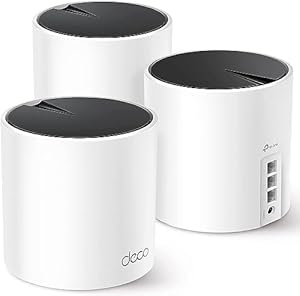
- Router placement matters: Place the router in a central location, not in one person's bedroom. A hallway closet or living room shelf that is equidistant from all rooms provides the most even Wi-Fi coverage. If your apartment is large or has thick walls, a mesh Wi-Fi system ($100-$200 for a 2-pack) eliminates dead spots.
- Set bandwidth expectations: If one roommate is a heavy gamer and another needs stable video calls for virtual classes, consider a router with QoS (Quality of Service) settings that can prioritize video traffic over gaming downloads.
- Plan for move-out: Agree upfront on who keeps the service and equipment when the lease ends. If you bought a router together, decide now who gets it or how to split the depreciated value.
Essential Networking Gear for Students
Beyond the internet plan itself, a few affordable accessories can dramatically improve your experience:
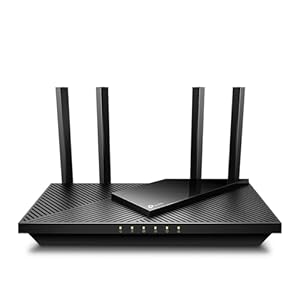
- Wi-Fi 6 router ($50-$80): The TP-Link Archer AX21 or similar budget Wi-Fi 6 router handles multiple devices far better than ISP-provided equipment. It pays for itself in 5-6 months versus the typical $10-$15/month ISP router rental fee.
- Ethernet cable ($5-$10): A Cat 6 ethernet cable for your desk provides the most stable connection for exams, presentations, and large downloads. A 15-foot cable gives you flexibility in positioning.
- USB-C ethernet adapter ($15): If your laptop lacks an ethernet port, this adapter lets you use wired connections when stability matters most.
- Portable battery pack ($25-$40): During internet outages, your phone's hotspot becomes your backup. A 20,000 mAh battery pack keeps your phone charged through extended outages.
For more options tailored to your situation, check our best internet for students guide or use our address lookup tool to see exactly which providers serve your campus area.
Frequently Asked Questions
Can I get internet without a credit check?
Yes. T-Mobile Home Internet, Xfinity Prepaid, and several other providers offer service without a credit check. Prepaid plans in particular do not require credit verification since you pay in advance.
Is 50 Mbps enough for a college student?
For a single student, 50 Mbps handles Zoom lectures, streaming, gaming, and research simultaneously without issues. If you have 2–3 roommates, consider 100–200 Mbps to avoid slowdowns during peak usage hours (evenings when everyone is streaming).
What if I only need internet for one semester?
Look for no-contract plans exclusively. T-Mobile, Spectrum, and Xfinity Prepaid all let you cancel without penalty. Avoid any plan with an annual commitment or early termination fee, even if the monthly rate is lower — the ETF will wipe out any savings.
Should I use my phone as a hotspot instead of getting home internet?
Phone hotspots work as a backup but are usually not ideal as a primary connection. Most phone plans throttle hotspot speeds (often to 5–10 Mbps) after using 15–50 GB, and latency is higher than wired or fixed wireless connections. For occasional use or a few weeks between apartments, hotspot is fine. For daily use with video calls and streaming, dedicated home internet is more reliable.
Can I transfer my internet service to a new address?
Most providers allow you to transfer service when you move, as long as they serve the new address. T-Mobile and other wireless home internet providers make this especially easy — just bring the gateway to your new place and plug it in. Cable and fiber providers may need to schedule a technician visit at the new address.
Sources & Methodology
This article uses data from FCC Broadband Data Collection reports, U.S. Census Bureau demographics, and verified provider pricing and plan information. Pricing, speeds, and availability are verified against provider broadband nutrition labels and may vary by location. For a detailed explanation of our data collection and scoring process, see our methodology page.
Data Sources
- FCC Broadband Data Collection
- U.S. Census Bureau American Community Survey
- USAC Universal Service Fund
- NTIA Internet Use Survey
Last verified: March 2026. InternetProviders.ai is an independent resource. We may earn commissions from partner links — this does not affect our editorial recommendations. See our methodology for details.
How Much Speed Do College Students Actually Need?
Internet speed marketing can be confusing, and students often overpay for bandwidth they never use. Understanding your actual usage patterns helps you pick the right plan without wasting money.
Light Usage: 25-50 Mbps
If you primarily browse the web, check email, attend occasional Zoom lectures, and stream Netflix or YouTube in 1080p, a 25 to 50 Mbps connection handles everything comfortably. This speed tier covers most solo students in apartments or dorms who do not have roommates sharing the same connection. Plans in this range typically cost $25 to $40 per month.
Moderate Usage: 100-200 Mbps
Students who share an apartment with one or two roommates, regularly attend video lectures while others stream simultaneously, or play online games should look for plans in the 100 to 200 Mbps range. This provides enough headroom for three to four devices to operate at full performance without buffering or lag. Most cable and 5G home internet plans fall naturally in this tier at $40 to $60 per month.
Heavy Usage: 300+ Mbps
Computer science students who regularly download large datasets, film students working with 4K video files, or gaming enthusiasts who stream on Twitch while downloading game updates may need 300 Mbps or more. If four or more roommates share a single connection, this tier prevents the frustration of competing for bandwidth during evening hours. Plans above 300 Mbps typically cost $60 to $80 per month, but splitting that four ways makes it affordable at $15 to $20 per person.
Hidden Costs Students Should Watch For
The advertised monthly price is rarely the full amount you will pay. Several additional charges can inflate your internet bill significantly if you do not plan for them.
Equipment Rental Fees
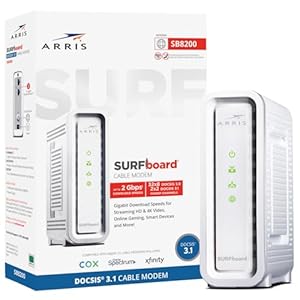
Most providers charge $10 to $15 per month to rent a modem and router. Over a nine-month academic year, that adds $90 to $135 to your total cost. Purchasing a compatible modem ($60 to $100) and router ($40 to $80) saves money if you plan to keep the service for more than one semester. Many campuses have free electronics lending libraries where you can borrow networking equipment at no cost.
Installation Charges
Professional installation fees range from $35 to $100 depending on the provider. Always ask for the self-installation option first, which is free with most providers and involves plugging in a modem yourself. If you are moving into an apartment that previously had the same provider, the existing wiring is usually already in place and a technician visit is unnecessary.
Early Termination Fees
Students on semester-based leases should avoid plans that require 12 or 24 month contracts. Breaking a contract early triggers termination fees of $100 to $300. Providers like T-Mobile 5G Home Internet, Spectrum, and Xfinity Prepaid all offer no-contract options that let you cancel when you move home for the summer without financial penalties.
Data Caps
Some providers impose monthly data caps, typically around 1 to 1.2 TB. While this sounds like a lot, a household of three students streaming in 4K, attending video lectures, and downloading course materials can approach or exceed this limit. Check whether your chosen plan has a data cap before signing up, and factor in the cost of overage charges or an unlimited data add-on if you expect heavy usage.
Planning Your Internet Around the Academic Calendar
College internet needs are not consistent year-round. Smart planning around the academic calendar can save you money and hassle.
Start of Semester Rush
The first two weeks of each semester see a surge in new internet installations near college campuses. Installation wait times during this period can stretch to two weeks or more. If you know your fall address by June or July, schedule your installation for your move-in date well in advance. T-Mobile 5G Home Internet and Xfinity Prepaid avoid this bottleneck entirely since they ship equipment directly to you with no technician visit required.
Summer Break Decisions
If you leave for the summer, you have three options. First, cancel and restart service in the fall, which works best with no-contract plans but may require a new installation. Second, some providers offer seasonal pause or vacation hold that suspends service at a reduced rate of $5 to $15 per month while preserving your account. Third, if you sublease your apartment for the summer, you can keep the service running and include it in the sublease terms.
Transferring Between Apartments
When moving between apartments in the same college town, most providers offer free service transfers. your provider at least two weeks before your move date to schedule the transfer. The transition usually involves a one to three day service gap during the move. Keep your old modem and router packed separately so you can set them up immediately at your new address.
Maximizing Wi-Fi Performance in Student Housing
Even the fastest internet plan performs poorly if your Wi-Fi setup is suboptimal. Student apartments and dorms present unique challenges due to small spaces, concrete walls, and interference from neighboring networks.
Place your router in a central, elevated location rather than tucked behind furniture or in a closet. The signal degrades significantly when passing through concrete block walls, which are common in apartment buildings near campuses. If your apartment has thick walls between rooms, consider a mesh Wi-Fi system or a powerline adapter to extend coverage.
Use the 5 GHz Wi-Fi band for devices in the same room as the router, as it offers faster speeds and less interference. Switch to the 2.4 GHz band for devices in distant rooms, as it penetrates walls better despite offering lower maximum speeds. Most modern routers handle this band switching automatically through a feature called band steering.
In dense apartment complexes, dozens of Wi-Fi networks compete for the same radio channels. Use a free app like WiFi Analyzer to identify the least congested channel and manually set your router to use it. This simple adjustment can improve real-world speeds by 20 to 40 percent in crowded RF environments.